


There isn’t just one single aspect of contemporary parenting that can be singled out as the sole cause of “mom burnout.” In the demanding and often relentless world of a mother (or any primary caregiver to children), nearly every facet of modern family life coalesces to create conditions ripe for intense stress.
From the complex act of juggling professional demands with the tireless responsibilities of a working mother, to the silent pressure of trying to live up to the often unrealistic and filtered expectations presented on social media, the pervasive stresses of being a mom are profoundly real, and they exact a significant toll on mental and emotional well-being. When you factor in global events like a pandemic, magnifying feelings of depression, anxiety, and isolation—especially for new mothers navigating an entirely unfamiliar landscape—it becomes painfully clear why mom burnout has become so alarmingly prevalent. Even more concerning is the growing trend: many mothers are increasingly turning to substances like drugs and alcohol in an attempt to cope with the seemingly endless, escalating stressors that define parenting in the 21st century.
What is Mom Burnout?
Mom burnout, sometimes clinically referred to as parental burnout or depleted mother syndrome, is a profound feeling of mental, emotional, and physical exhaustion, often accompanied by a sense of depersonalization towards one’s children or parenting role, and a distinct lack of personal fulfillment derived from intense childcare demands. Essentially, burnout is the cumulative result of prolonged and excessive stress coupled with an acute lack of adequate resources or effective strategies for coping with it. While both mothers and fathers can experience parental burnout, it is significantly more common among women. This disparity exists because, even when mothers also work full-time outside the home, the lion’s share of daily childcare, household management, and emotional labor responsibilities tend to fall disproportionately on them, creating an unsustainable burden. This constant drain of energy and emotional reserves, without sufficient replenishment, leads directly to burnout.
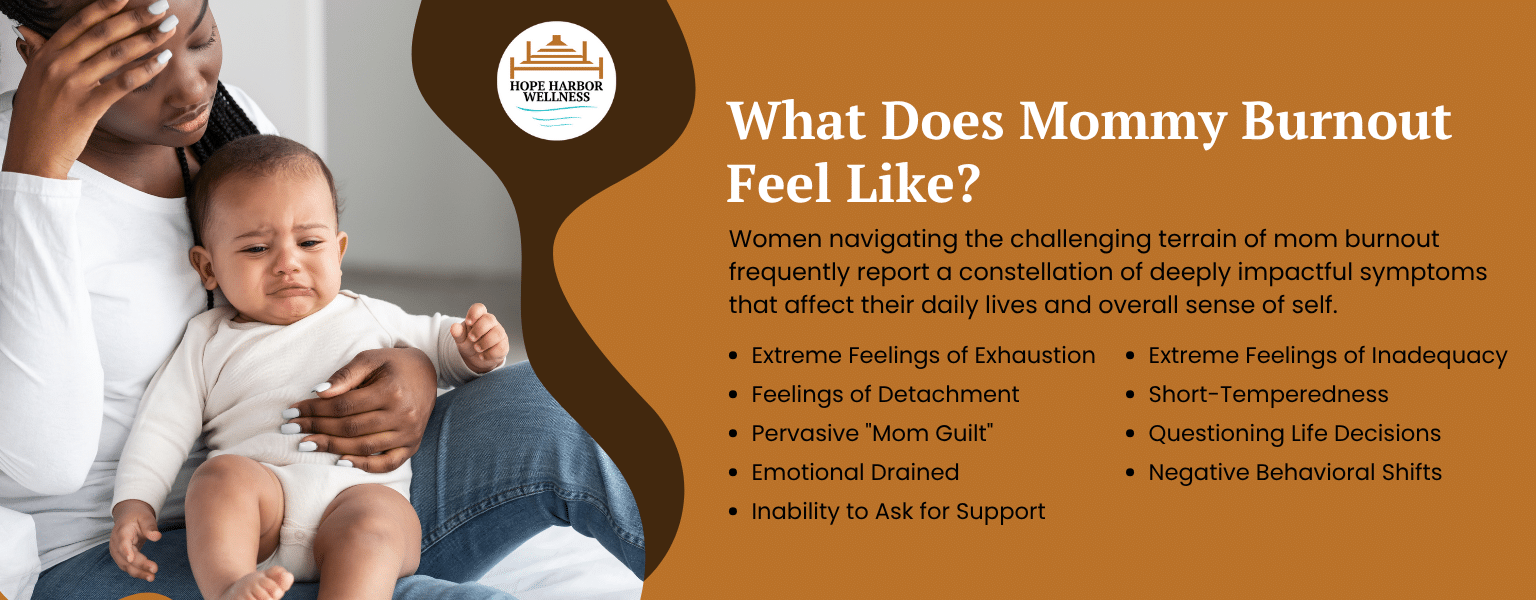
What Does Mommy Burnout Feel Like?
Women navigating the challenging terrain of mom burnout frequently report a constellation of deeply impactful symptoms that affect their daily lives and overall sense of self.
These experiences often manifest as:
- Extreme Feelings of Exhaustion: This is not just typical tiredness; it’s a profound, pervasive exhaustion that permeates both the physical body and the mental landscape, making even simple tasks feel insurmountable. It’s a bone-deep weariness that sleep often fails to alleviate.
- Feelings of Detachment: A distressing sense of emotional distance from their children, their partner, and even close friends and family members. This depersonalization can feel like going through the motions without genuine connection or warmth.
- Pervasive “Mom Guilt”: An overwhelming and constant burden of guilt concerning their own behaviors, fleeting negative feelings, or even private thoughts. This guilt is often fueled by societal expectations of the “perfect” mother.
- Emotional Drained: Feeling utterly depleted of emotional reserves, as if there’s nothing left to give, leading to emotional numbness or extreme sensitivity.
- Inability to Ask for Support: A crippling inability to articulate needs or reach out for help from loved ones, often stemming from shame, pride, or a belief that they must manage everything alone.
- Extreme Feelings of Inadequacy: A deep-seated sense of not being “good enough” in their parenting role or other significant areas of their lives, despite objective evidence to the contrary.
- Short-Temperedness: Increased irritability and a significantly reduced tolerance for minor frustrations, leading to snapping at children, partners, or others, followed by regret.
- Questioning Life Decisions: Engaging in profound self-doubt, leading to questioning major life choices, including deeply regretting having children, a thought that often brings immense shame.
- Negative Behavioral Shifts: In severe cases, this can manifest as acting in ways that are emotionally distant, overly harsh, or even bordering on neglectful towards their children, a stark departure from their true intentions and values.
These symptoms paint a vivid picture of the internal turmoil experienced, highlighting how burnout can erode a mother’s well-being from the inside out, affecting her relationships and her sense of identity.
When Mom Burnout Leads to Substance Abuse
It is an increasingly prevalent and concerning trend for women, particularly mothers, to turn to substances like drugs and alcohol in a misguided effort to cope with the chronic, unrelenting stress of modern mom life. The insidious nature of this coping mechanism is that what may begin innocently as a single glass of wine at the end of an exhausting day to “unwind,” can very quickly escalate. For individuals with a pre-existing history of substance use disorder, the immense psychological and emotional strain of burnout dramatically increases the risk of relapse. However, critically, mom burnout significantly elevates this risk even for those who have never previously grappled with addiction issues, demonstrating its unique power to drive problematic substance use.
When you begin to rely on drugs or alcohol as your primary strategy to manage the seemingly endless stresses of everyday life, you are treading a dangerous path. The ability to control how much and when you are using these substances can rapidly diminish, leading to a loss of control that spirals into dangerous patterns. This loss of control can manifest in unsafe behaviors that not only jeopardize your own health and safety but, terrifyingly, could also endanger your children. If you find yourself in a situation where your drug or alcohol use has become a consistent problem, or if it has escalated beyond your ability to manage it on your own, it is imperative to understand that compassionate and effective help is readily available. Reaching out to a healthcare professional, like your doctor or a therapist, to discuss substance use disorder treatment options is a courageous and vital first step. Hope Harbor Wellness in Atlanta, GA, specializes in comprehensive outpatient substance abuse treatment, offering accessible and effective pathways to recovery designed to fit into a mother’s life.
The Vicious Cycle: Burnout, Stress, and Substance Use
The relationship between mom burnout, chronic stress, and substance use often forms a reinforcing, vicious cycle. Persistent stress from parenting demands leads to burnout, manifesting as exhaustion, irritability, and feelings of inadequacy. These uncomfortable feelings then prompt a search for quick relief, often found in alcohol or drugs. While substances may provide temporary escape, they ultimately worsen burnout symptoms by disrupting sleep, increasing anxiety, and eroding coping skills. This exacerbation of burnout then fuels a greater reliance on substances, creating a downward spiral that becomes increasingly difficult to break without external support. Understanding this cycle is key to breaking free.
How to Manage Mom Burnout Without Drugs and Alcohol
According to the American Psychological Association, a staggering number of parents—as many as 5 million in the U.S. each year—experience burnout. If you find yourself grappling with the profound question, “how can I genuinely overcome my mom burnout without resorting to harmful coping mechanisms?”, it’s empowering to know that there are tangible, actionable steps you can take. These strategies focus on effectively managing your stress, enhancing your overall physical and mental well-being, and building resilience without turning to drugs or alcohol.
Take Time for Self-Care: Prioritizing Your Well-being
It’s a fundamental truth: when you consistently neglect your own needs and fail to take care of yourself, how can you genuinely take on the immense caregiving responsibilities that define your life? Finding dedicated time for self-care can feel especially challenging, almost impossible, for stay-at-home mothers and single mothers who perceive their lives as a never-ending cycle of duties without any personal downtime. The key is to actively seek out and utilize trustworthy support. Find a babysitter you implicitly trust, or lean on a reliable family member or friend to give you a much-needed respite when you feel yourself reaching your breaking point. Self-care is a holistic concept that encompasses tending to your mental, physical, emotional, and social needs. This means making and consistently keeping your regular doctor and dental appointments, scheduling dedicated time to see a therapist if you’re struggling, consciously making time to meet up with friends who uplift you, engaging in regular physical exercise that energizes you, or simply finding moments to be by yourself in quiet contemplation.
Prioritize Sleep: The Foundation of Resilience
This critical piece of advice may initially seem utterly impossible for mothers of a newborn who must wake multiple times throughout the night, or for moms of energetic young children who rise very early. However, sleep is non-negotiable for mental and physical restoration. Make it a conscious point to go to bed earlier whenever possible, or strategically share nighttime duties with a partner to ensure that you both get adequate, restorative sleep. For single mothers, don’t hesitate to bravely ask friends or family members for help with overnight care or occasional morning relief—your well-being is worth it. If you are a mother of a teenager who has just started driving, or a college student who enjoys staying out late, it can be incredibly challenging to get a good night’s rest when your children aren’t home and you’re consumed with worry about their safety. To counteract this natural anxiety, it’s essential to set up clear, firm expectations and boundaries with your teens.
This includes:
- Curfews: Clearly established and consistently enforced times by which they must be home.
- Communication Protocols: Agreements on how and when they will check in, especially if plans change.
- Check-in Times and Methods: Specific times they need to text or call, and the agreed-upon way to do so.
- Emergency Plans and Additional Contacts: Discussing what to do in emergencies and ensuring they know who else they can contact. Simple, proactive steps like these can significantly help you rest a bit easier and longer when your teen is out of the house, knowing that clear communication channels and safety nets are in place.
Limit Social Media: Protect Your Mental Landscape
Mindlessly scrolling through your Instagram or Facebook feed, particularly accounts that showcase seemingly “perfect” parenting or idealized lifestyles, can lead to insidious comparison and profound feelings of inadequacy. It’s crucial to remember that the “supermoms” you encounter on social media are only presenting their meticulously curated best moments, not the messy, difficult, and exhausting realities of daily life. Do not fall into the trap of comparing your authentic, complex self to these impossible, often fabricated, standards. While social media certainly has its place for connection, strongly consider taking a deliberate break if you feel it is actively contributing to your stress, self-doubt, or feelings of unworthiness.
Talk to Others: Build Your Support System
Finding a trusted friend, family member, or a supportive community who can genuinely relate to what you are going through can be profoundly therapeutic and validating. Spending time with other women who have openly admitted asking themselves if it is normal to be tired of being a mom, or who have wondered whether they are truly a “good mom,” can help significantly wash away isolating feelings of shame and guilt. Consider joining a local moms’ group, an online forum (with healthy boundaries), or seeking out a support group specifically for parents facing similar challenges. Shared experiences foster understanding and reduce feelings of isolation.
Learn New Parenting Skills: Evolve and Adapt
Whether you’re the devoted mom of a newborn baby navigating endless feedings and diaper changes, or the parent of a college student navigating newfound independence, it’s truly never too late to learn new parenting skills or refine existing ones. As your children grow, develop, and your family relationships evolve, you will inevitably experience new life stages and a fresh set of challenges. Consider reading a parenting book, enrolling in a parenting class, or seeking guidance from a family therapist to learn how to better handle stressful situations and navigate conflicts with your children. Learning effective techniques to stay calm when you feel pushed to your limits can not only diffuse tension in the moment but also eliminate the shame spiral that often results when you lose your cool, helping you respond with intention rather than reaction.
Understanding the Root Causes of Mom Burnout
Mom burnout isn’t just about being tired; it’s a systemic issue rooted in a combination of societal pressures, personal expectations, and a lack of adequate support.
- The Mental Load: Mothers disproportionately carry the “mental load”—the invisible labor of planning, organizing, and remembering all the family’s needs (appointments, meals, school events, emotional well-being). This constant cognitive demand is exhausting.
- Societal Expectations & Perfectionism: The relentless pressure to be a “perfect” mother, wife, and professional, often fueled by social media, creates an impossible standard. This perfectionism leads to self-criticism and fear of failure.
- Lack of Support Systems: Many modern families lack the extended family support networks of previous generations. This isolation means mothers have fewer people to share burdens with.
- Financial Stress: Raising children is expensive, and financial pressures can be a significant source of chronic stress for mothers, impacting their mental and physical health.
- Identity Shift: Becoming a mother often involves a profound identity shift, where previous personal and professional identities can feel lost or diminished, contributing to a sense of unfulfillment.
Taking the First Step: How Hope Harbor Wellness Can Help
If you are concerned about mom burnout, and particularly if your drug or alcohol use has increased as a coping mechanism, please know that comprehensive and compassionate outpatient treatment is available at Hope Harbor Wellness in Atlanta, GA. We understand the unique challenges mothers face and offer flexible programs designed to provide effective substance abuse treatment while allowing you to maintain your family responsibilities.
At Hope Harbor Wellness, we provide:
- Individualized Treatment Plans: We recognize that every mother’s journey is unique. Our expert team works with you to create a personalized plan addressing both your substance use and the underlying stressors contributing to your burnout.
- Flexible Outpatient Programs: Our outpatient structure allows you to receive high-quality therapy and support without disrupting your daily life and family routines, including Intensive Outpatient Programs (IOP) and Partial Hospitalization Programs (PHP) where appropriate.
- Therapeutic Support: We utilize evidence-based therapies such as Cognitive Behavioral Therapy (CBT) and Dialectical Behavior Therapy (DBT) to help you develop healthy coping mechanisms for stress, manage cravings, and process the emotional toll of burnout.
- Coping Skills Development: Learn practical strategies for stress reduction, emotional regulation, and self-care that are sustainable in a busy parenting life, reducing the need to turn to substances.
- Family-Focused Approach: We understand that your recovery impacts your entire family. While our primary focus is on your well-being, we can provide resources and guidance on how to strengthen family dynamics in your healing journey.
- Comprehensive Care: Our team includes experienced therapists and counselors dedicated to supporting you through every step of your recovery, addressing not just substance use but also the anxiety, depression, and overwhelm associated with mom burnout.
- Relapse Prevention: We equip you with the tools and strategies necessary to identify triggers, prevent relapse, and build long-term sobriety and resilience.
You don’t have to carry the burden of mom burnout and substance use alone. Hope Harbor Wellness in Atlanta, GA, is here to provide the understanding, support, and effective outpatient treatment you deserve to rediscover your strength and joy in parenting. Contact us today at 770-573-9546 or fill out our online contact form to learn more about how we can help you embark on a healthier path.

Mom Burnout & Substance Abuse Frequently Asked Questions (FAQs)
What exactly is mom burnout, and how is it different from just being tired?
Mom burnout is a state of extreme physical, mental, and emotional exhaustion specific to parenting. It goes beyond normal tiredness, involving feelings of depersonalization towards your children and a profound lack of fulfillment in your role, even after rest.
Why are mothers more susceptible to burnout compared to fathers?
Mothers often disproportionately bear the mental load and practical responsibilities of childcare and household management, even when working outside the home, leading to a greater accumulation of chronic stress without sufficient recovery.
Can mom burnout lead to substance use issues?
Yes, the chronic stress and overwhelming feelings associated with mom burnout can significantly increase the risk of turning to drugs or alcohol as a coping mechanism, potentially escalating into a substance use disorder even without a prior history.
What are common signs that a mother might be experiencing burnout?
Common signs include extreme exhaustion, emotional detachment from family, pervasive “mom guilt,” inability to ask for help, feelings of inadequacy, increased irritability, questioning life decisions, and in severe cases, negative behaviors towards children.
How can mothers manage burnout without resorting to drugs or alcohol?
Effective strategies include prioritizing self-care, ensuring adequate sleep, setting boundaries, limiting social media exposure, actively talking to a supportive network, learning new parenting skills, and seeking professional mental health support.
What kind of professional help is available for mothers dealing with burnout and potential substance use?
Professional help includes therapy (like CBT or DBT) to manage burnout, and specialized outpatient substance abuse treatment designed to address problematic drug or alcohol use while allowing mothers to maintain family responsibilities.