Feeling unsure about a pill someone called a black beauty? Hearing the slang and wondering what it really means—or how dangerous it can be? You’re not alone. For decades, people used the nickname black beauties for a powerful prescription stimulant called Biphetamine 20. While that exact brand is no longer legally available, the term lives on, and the risks behind it are very real.
This deep-dive explains what black beauties are, how stimulant misuse affects the brain and body, why counterfeit pills are so dangerous, and how to spot warning signs in yourself or someone you love. You’ll also find clear next steps for compassionate, evidence-based care at Hope Harbor Wellness, a drug rehab in Atlanta, GA, that treats substance use and co-occurring mental health disorders in an outpatient setting.
What Are Black Beauties?
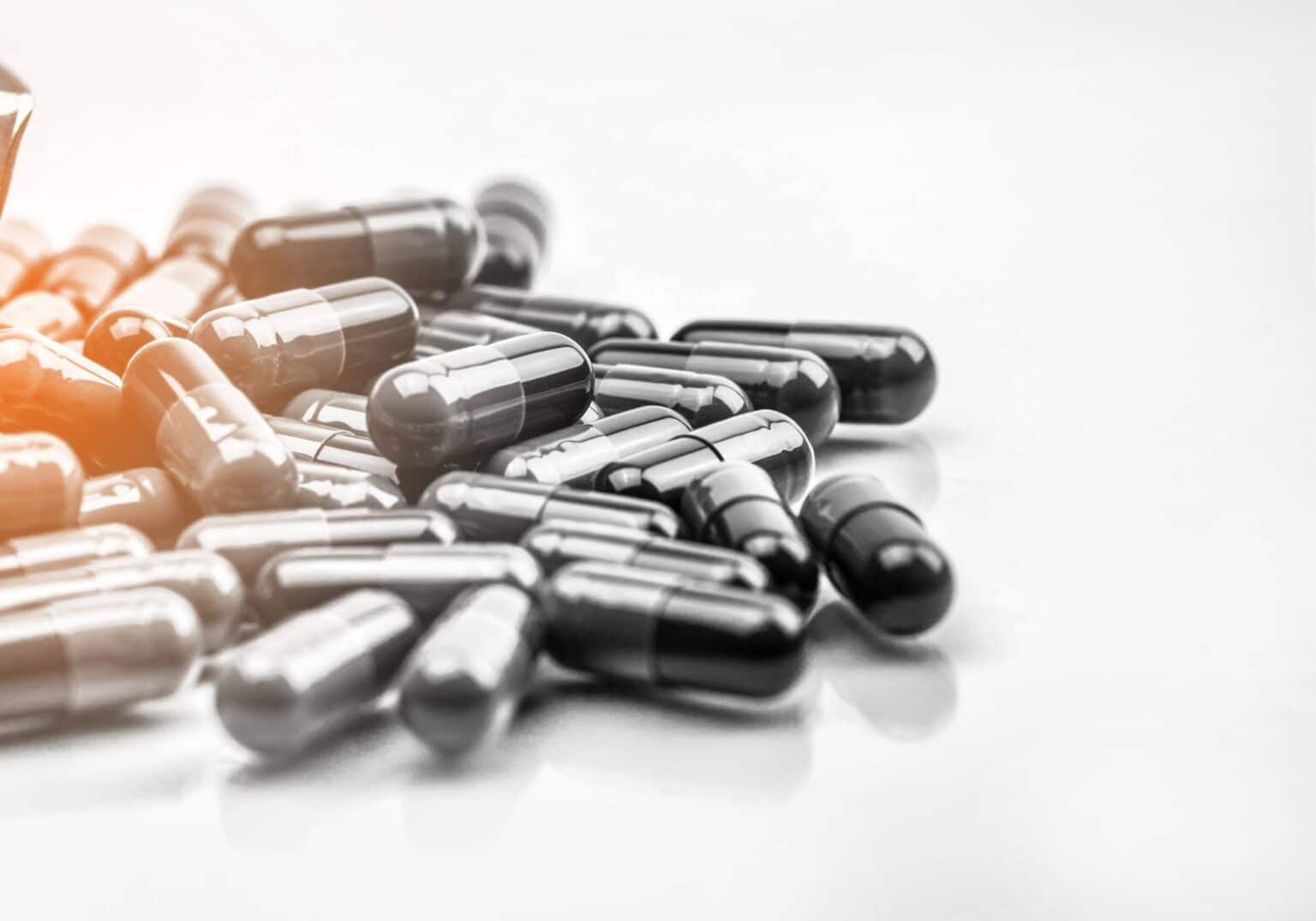
Black beauties is a street name for Biphetamine 20, a former prescription medication that contained 10 mg of amphetamine and 10 mg of dextroamphetamine in a single capsule. In the mid-20th century, doctors often prescribed Biphetamine for conditions like obesity and attention-related symptoms. Outside medical care, people began using the black beauty pill recreationally for its stimulating, mood-elevating effects.
Today, Biphetamine 20 is no longer manufactured as a legal prescription. But the slang stuck. On the street, “black beauties,” black beauty drug, or black beauties pills may refer to any strong amphetamine blend—sometimes legitimate prescription stimulants diverted from pharmacies, and increasingly counterfeit pills pressed with unpredictable and dangerous ingredients.
Key points at a glance:
- What are black beauties? Historically, Biphetamine 20 (amphetamine + dextroamphetamine).
- What do people mean now? Any potent stimulant tablet/capsule marketed as “black beauties,” often counterfeit.
- Why is that risky? Unknown dose, unknown contents, and high addiction potential.
Understanding the Effects of the Black Beauty Drug
Stimulants like Biphetamine 20 increase central nervous system activity. They raise levels of dopamine and norepinephrine, the brain chemicals tied to attention, energy, motivation, and reward. In medical settings and at therapeutic doses, stimulants can be effective. Outside those boundaries, they can be habit-forming and harmful.
People misusing the black beauty pill often report:
- A burst of energy and focus
- Euphoria or intense confidence
- Reduced appetite and need for sleep
- Increased talkativeness and drive
To keep those effects going, it’s common to escalate use—taking larger doses, dosing more often, or changing the route of use (for example, crushing and snorting). That pattern speeds up tolerance and dependence.
Short-Term Side Effects of Stimulant Misuse
Even short-term misuse may bring uncomfortable or dangerous symptoms:
- Rapid heartbeat, elevated blood pressure
- Restlessness, jaw clenching, tremors
- Anxiety, irritability, mood swings
- Insomnia, overheating, sweating
- Decreased appetite, nausea
- Risky decision-making and impulsivity
Long-Term Risks of Black Beauties Misuse
Prolonged stimulant misuse can produce lasting harm:
- Cardiovascular strain: heart rhythm problems, high blood pressure, heart attack, stroke
- Neurological impact: memory issues, agitation, paranoia, hallucinations
- Dental problems: severe tooth wear and decay from dry mouth and grinding
- Weight and nutrition issues: unhealthy weight loss, malnutrition
- Sleep disruption: chronic insomnia that worsens mental health
- Immune suppression: increased susceptibility to illness
Over time, the brain becomes less responsive to natural rewards and more reliant on the drug to feel “normal.” That’s a hallmark of addiction.
Black Beauties vs. Today’s Prescription Stimulants
People sometimes lump “black beauties” with current medications like Adderall, Dexedrine, or Vyvanse because all are amphetamine-based.
The differences matter:
- Biphetamine 20 (black beauties): an older combo capsule (amphetamine + dextroamphetamine) that’s no longer made.
- Adderall: mixed amphetamine salts in specific ratios; legally prescribed.
- Dexedrine: dextroamphetamine; legally prescribed.
- Vyvanse: lisdexamfetamine, a prodrug activated in the body; designed to lower abuse potential but still misused when diverted.
All amphetamine-class stimulants can be dangerous when misused. The modern, legal medications come with strict dosing, monitoring, and safety instructions. Street products sold as black beauties pills do not.
History and Legal Status of Biphetamine 20
Biphetamine was introduced when stimulant prescribing was common for issues ranging from fatigue to weight loss. As evidence of addiction and adverse effects grew—along with recreational misuse—regulators tightened controls. The U.S. classified amphetamines as Schedule II controlled substances, indicating high potential for abuse and dependence.
Biphetamine 20 was phased out, but the illicit market adapted. Today, “black beauties” often describes non-pharmaceutical pills sold as stimulants—with unknown sources and contents.
Street Names, Look-Alikes, and Counterfeits
Slang and appearances change, but the risks persist.
Pills marketed as black beauties may be:
- Dark-colored capsules or tablets (the origin of the nickname)
- Brightly colored tablets stamped to resemble real prescriptions
- Gelcaps with powders of varying textures and smells
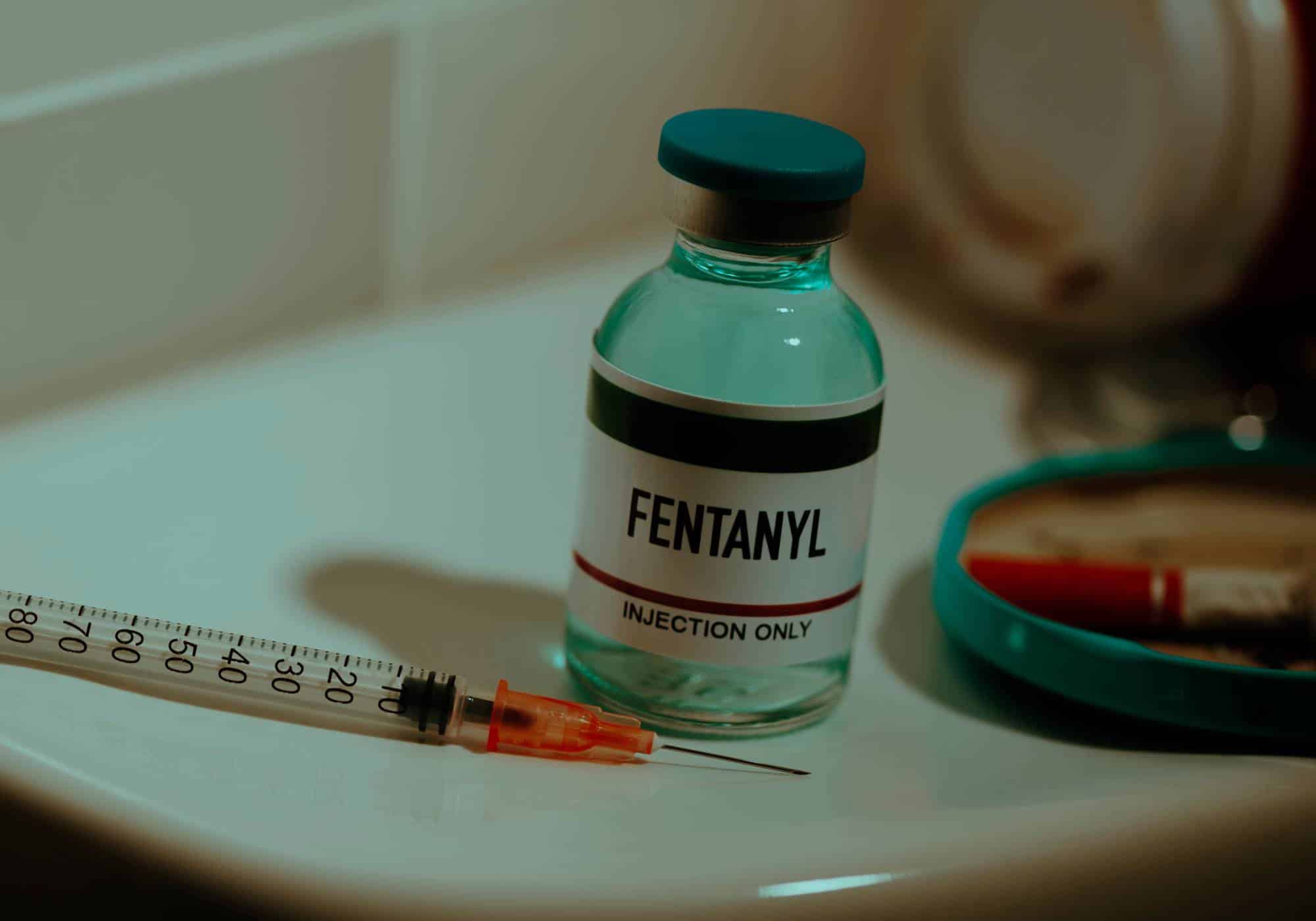
Because counterfeiters press pills with any available powders, what a pill looks like tells you very little about what’s inside. Counterfeits may include high-dose caffeine, methamphetamine, cathinones (“bath salts”), or fentanyl—a synthetic opioid involved in countless overdoses. There’s no way to eyeball the contents.
The Fentanyl Factor: Why Today’s Pills Are So Dangerous
The most urgent shift in recent years is fentanyl contamination across the illicit pill supply. Even pills advertised as stimulants can contain traces or significant amounts of fentanyl, which drastically raises the risk of fatal respiratory depression—especially for people who don’t use opioids and have no tolerance.
What this means:
- One counterfeit black beauty drug pill could contain a lethal amount of fentanyl.
- Mixing stimulants (uppers) with fentanyl (a depressant) creates a push-pull on the heart and lungs.
- Overdose can happen to first-time users and people returning to use after a break.
If you or someone you love uses pressed pills, consider fentanyl test strips and carry naloxone (the opioid overdose reversal medication). These are harm-reduction tools—not a guarantee of safety—but they save lives.
Mixing Risks: Stimulants and Other Substances
Combining the black beauty pill with other substances only adds to the danger. Polysubstance use is incredibly common and equally unpredictable.
- Alcohol: Mixing stimulants with alcohol can mask the effects of intoxication, leading a person to drink more than they normally would. This can increase the risk of dehydration and put a severe strain on the heart.
- Benzodiazepines (Xanax, Klonopin): Combining these can be especially dangerous when fentanyl is present, as it can raise the risk of a fatal overdose from respiratory depression.
- Opioids: The combination of a stimulant and an opioid creates a dramatic risk for a fatal overdose due to respiratory depression.
- Other Stimulants (Cocaine, Meth): Combining stimulants can cause severe spikes in blood pressure, heart arrhythmias, hyperthermia, and increase the risk of a stroke.
The safest choice is not to use, and if you do, it is critical to avoid mixing and never use alone.
The Social and Behavioral Impacts of Stimulant Misuse
The risks of using the black beauty drug extend beyond the physical and neurological. The pursuit of the high can profoundly impact a person’s life, leading to severe social and behavioral consequences.
- Relationship Strain: The mood swings, paranoia, and irritability associated with stimulant use can damage relationships with family and friends.
- Financial Problems: The high cost of buying illicit pills can lead to financial distress, debt, or even criminal behavior to sustain the habit.
- Legal Consequences: Possessing or distributing illegal stimulants can lead to serious legal issues, including arrest and jail time.
- Decline in Responsibility: A person may begin to neglect their responsibilities at work, school, or home, leading to job loss or academic failure.
This downward spiral is a clear sign that a person has lost control over their use and that their substance use disorder is affecting every aspect of their life.
Why People Misuse Black Beauties
Understanding the motivation behind misuse is a key part of the recovery process.
People may start or return to stimulants for a variety of reasons:
- Performance: To get ahead in school or work, to stay awake for long hours, or to drive long distances without fatigue.
- Weight Management: The appetite-suppressing effects can be a powerful motivator for people looking for quick weight loss.
- Mood Elevation: People may chase a feeling of euphoria or use the drug to self-medicate for untreated depression, anxiety, or trauma.
- Social & Peer Pressure: Curiosity and the desire to fit in at parties or social gatherings can lead a person to try the drug.
What begins as a short-term strategy can quickly evolve into a repeated and dangerous cycle of use, followed by an inevitable crash and craving.
Signs Someone May Be Using Black Beauties
Recognizing the warning signs is crucial for getting help early.
If you are worried about a loved one, look for these behavioral and physical clues:
- Finishing prescriptions too fast or “losing” meds.
- Sudden financial problems or buying pills from unknown sources.
- Physical changes like weight loss, dilated pupils, and jaw clenching.
- A change in sleep patterns, such as staying up for days and then “crashing.”
- Mood swings, including being unusually talkative, anxious, or irritable.
- Social withdrawal and secrecy.
- The presence of drug paraphernalia, such as pill grinders or baggies with powder residue.
Trust your instincts. A pattern of these behaviors can be more telling than one isolated symptom.
Black Beauties Overdose: What to Watch For and What to Do
A stimulant overdose (toxicity) may look like:
- Severe chest pain, pounding or irregular heartbeat
- Very high body temperature (hot, flushed, sweating)
- Extreme agitation, panic, paranoia, or hallucinations
- Seizures, confusion, loss of consciousness
What to do:
- Call 911 immediately.
- Move the person to a cool, safe space; loosen tight clothing.
- If opioids might be involved, give naloxone; it won’t harm someone without opioids on board.
- Do not give more substances to “balance it out.”
- Stay until help arrives.
Fast action saves lives.
Withdrawal From Black Beauties: What to Expect
Stimulant withdrawal is different from opioid or alcohol withdrawal but can still be intense:
- Crash phase (1–3 days): exhaustion, oversleeping, depressed mood, increased appetite
- Subacute phase (1–2 weeks+): low energy, sleep problems, anxiety/irritability, strong cravings, impaired concentration
- Protracted symptoms: mood swings, sleep disruption, and cravings can flare under stress for weeks or months
While there’s no single FDA-approved “detox medication” for stimulants, supportive medical care, sleep regulation, targeted psychiatric medications (when appropriate), nutrition, and structured therapy make withdrawal safer and more manageable.
How Long Do Black Beauties Stay in Your System?
Detection depends on the specific amphetamine compound, dose, frequency, body composition, and the test type:
- Urine: typically up to 2–4 days for occasional use; longer with heavy or chronic use
- Blood: roughly 24 hours
- Saliva: 1–3 days
- Hair: up to 90 days (reflects patterns over time)
Counterfeit pills complicate timelines; they may contain other stimulants or non-stimulants with different detection windows.
Recognizing and Treating Stimulant Abuse and Addiction
If stimulant use is causing problems—but stopping feels impossible—you’re not weak. You’re human, and your brain has adapted to a potent drug. Recovery starts with medical and therapeutic support that addresses the full picture: use patterns, mental health, stress, and environment.
Treatment elements that help:
- Comprehensive assessment: substance history, medical conditions, mental health, social supports
- Medical monitoring: sleep, hydration, nutrition, vitals, and safe stabilization
- Evidence-based therapies:
- Cognitive Behavioral Therapy (CBT): build coping skills, challenge triggers and thought patterns
- Contingency Management (CM): structured rewards that reinforce sobriety and healthy routines
- Motivational Interviewing (MI): strengthen personal motivation and goals
- Dialectical Behavior Therapy (DBT) skills: emotion regulation, distress tolerance, interpersonal effectiveness
- Medication management: treat co-occurring depression, anxiety, ADHD, or insomnia when appropriate
- Family support: communication skills, boundary-setting, and relapse-prevention planning
- Recovery coaching & aftercare: peer support, alumni groups, and relapse-prevention tools
Hope Harbor Wellness: Outpatient Drug Rehab in Atlanta, GA
At Hope Harbor Wellness in Atlanta, we provide outpatient levels of care that flex to your life while delivering the structure you need:
- Partial Hospitalization Program (PHP): full-day programming, Monday–Friday structure without overnight stay
- Intensive Outpatient Program (IOP): several sessions each week that fit around work or school
- Outpatient Program (OP): step-down support, therapy, and accountability as you stabilize
If you need drug and alcohol detox, we coordinate with trusted medical partners for safe stabilization before you begin outpatient treatment with us. From there, we tailor your plan to your goals—whether you’re stepping down from a higher level of care or starting treatment for the first time.
What you can expect:
- A nonjudgmental team experienced with stimulant use disorders
- Individual, group, and family therapy focused on real-life skills
- Co-occurring mental health care (depression, anxiety, trauma, ADHD)
- Relapse-prevention training, sleep and nutrition support
- Community, accountability, and a clear aftercare plan
Recovery isn’t about willpower alone—it’s about having the right support at the right time.
How to Support a Loved One Using Black Beauties
You don’t have to do this alone, and you don’t have to wait for a “rock bottom.”
- Start with empathy: “I’ve noticed you’re not sleeping and seem on edge. I’m worried about you.”
- Avoid shaming or ultimatums unless safety demands it.
- Offer options: share information about assessment and treatment, offer to call together.
- Set boundaries that protect your safety and finances.
- Get your own support: therapy or support groups for families can help you cope and communicate.
If there’s immediate danger (overdose risk, violence, driving under the influence), call emergency services.
Life After Stimulants: Building a Sustainable Recovery
Long-term recovery is built, not wished into being.
Helpful pillars include:
- Routine: sleep hygiene, meal rhythm, and movement
- Connection: peer groups, sober activities, family healing
- Purpose: school or career goals, volunteer work, hobbies
- Stress tools: mindfulness, exercise, journaling, breathwork
- Relapse plan: clear steps for what to do when cravings or stress hit
At Hope Harbor Wellness, we help you practice these skills in real life so they stick.
Black Beauties vs. Methamphetamine—Know the Difference
Because both are stimulants, people sometimes confuse black beauties with methamphetamine.
Here’s why that’s dangerous:
- Methamphetamine is typically stronger, longer-lasting, and more neurotoxic than amphetamine at comparable doses.
- Counterfeit pills sold as “black beauties” may actually contain methamphetamine or be cut with it.
- The risks—paranoia, heart strain, overheating, dental damage, skin picking, cognitive decline—can escalate faster with meth.
If you’re unsure what’s in a pill, assume it’s risky. The safest option is not to use. If you do, avoid using alone and keep naloxone available.
You Don’t Have to Do This Alone
If black beauties, the black beauty drug, or any stimulant is taking over your life—or you’re worried about someone you love—help is here. At Hope Harbor Wellness in Atlanta, GA, we offer flexible outpatient programs, compassionate clinicians, and real-world tools that rebuild health and hope.
Contact us today at 770-573-9546 or fill out our online contact form. Let’s create a plan that meets you where you are and helps you move forward—safely, steadily, and with support.
Black Beauties and Stimulant Misuse FAQs
What are black beauties?
Historically, black beauties referred to Biphetamine 20, a capsule combining amphetamine and dextroamphetamine. The brand is gone, but the slang now describes any strong stimulant pill—often counterfeit—with high risk for dependence and overdose.
Are black beauties the same as Adderall?
No. Adderall is a specific, legally prescribed medication (mixed amphetamine salts) taken under medical supervision. Pills sold as black beauties may not be pharmaceutical at all and can contain unknown or dangerous substances.
Can you overdose on black beauties?
Yes. Stimulant toxicity can cause heart rhythm problems, high temperature, seizures, and psychosis. If fentanyl contamination is present, the risk of fatal overdose rises dramatically.
How long do black beauties stay in your system?
Amphetamines are typically detectable in urine for 2–4 days after occasional use, longer for heavy use. Blood and saliva windows are shorter; hair tests can detect longer patterns. Counterfeits complicate this because the actual contents may differ.
What are the signs of stimulant addiction?
Using more than intended, repeated attempts to cut back, cravings, spending lots of time getting/using/recovering, neglecting responsibilities, and continuing despite harm are red flags.
What helps with stimulant withdrawal?
Rest, hydration, nutrition, and structured support. Evidence-based therapies (CBT, DBT skills, CM), medication management for co-occurring issues, and a steady routine reduce symptoms and cravings.
Can outpatient care really help with black beauties misuse?
Yes. Many adults recover in PHP/IOP/outpatient settings that fit real life. If detox is needed first, we coordinate it. The key is a personalized plan, consistent support, and aftercare.