

GHB, or gamma-hydroxybutyrate, is a substance that while produced naturally in small amounts within the human body, is also a powerful central nervous system depressant when synthesized for recreational use. This guide explores the intricacies of GHB addiction, its signs, symptoms, and available treatments to help individuals and their loved ones navigate the recovery landscape.
What is GHB?
GHB, a chemical that naturally appears in small quantities within the human body, acts as a central nervous system depressant. It is found in minor amounts in wine and beer and can also be synthetically produced. Classified as a Schedule I drug by the United States Drug Enforcement Administration, GHB is known on the streets as “liquid ecstasy” or “liquid X” and is sold in liquid, powder, or pill form.
Originally popularized as a party drug in the 1990s for its euphoric and relaxing effects, GHB’s darker side soon emerged with its potential to incapacitate users, making it a tool for drug-facilitated sexual assault. Its mechanism involves binding to GABA receptors in the brain, which depresses the nervous system, leading to temporary euphoria but also impairing motor skills and cognitive functions. The dangers of GHB range from overdose to severe withdrawal symptoms, making its non-medical use highly risky.
What is Liquid G?
“Liquid G,” or GHB, is a clear, odorless liquid that is often mixed with beverages to facilitate its consumption. Due to its indistinguishable taste and appearance from common drinks, GHB can be easily slipped into a person’s drink without their knowledge, leading to dangerous situations. This method of administration makes GHB a popular choice for those seeking to incapacitate others, which has unfortunately led to its association with sexual assault and other crimes.
GHB May Also Be Known As:
GHB is known by various street names that reflect its deceptive nature and intended effects. Some of these alternative names include:
- G
- Liquid Ecstasy
- Liquid E
- Liquid X
- Scoop
- Trip-and-Fall
- Mind Eraser
- Wolfies
- Date Rape Drug
These aliases contribute to the drug’s mystique and facilitate its use in illicit settings, particularly at parties, raves, and nightclubs.
What is in Liquid G?
The composition of “Liquid G” is highly variable and often unregulated, which poses significant risks to users.
Illicit GHB may contain a mixture of various substances, including:
- GHB (Gamma-Hydroxybutyrate): The primary active ingredient.
- Ketamine: A dissociative anesthetic that can cause hallucinations.
- MDMA/Molly: A stimulant and empathogen known for its euphoric effects.
- Amphetamines: Stimulants that increase energy and alertness.
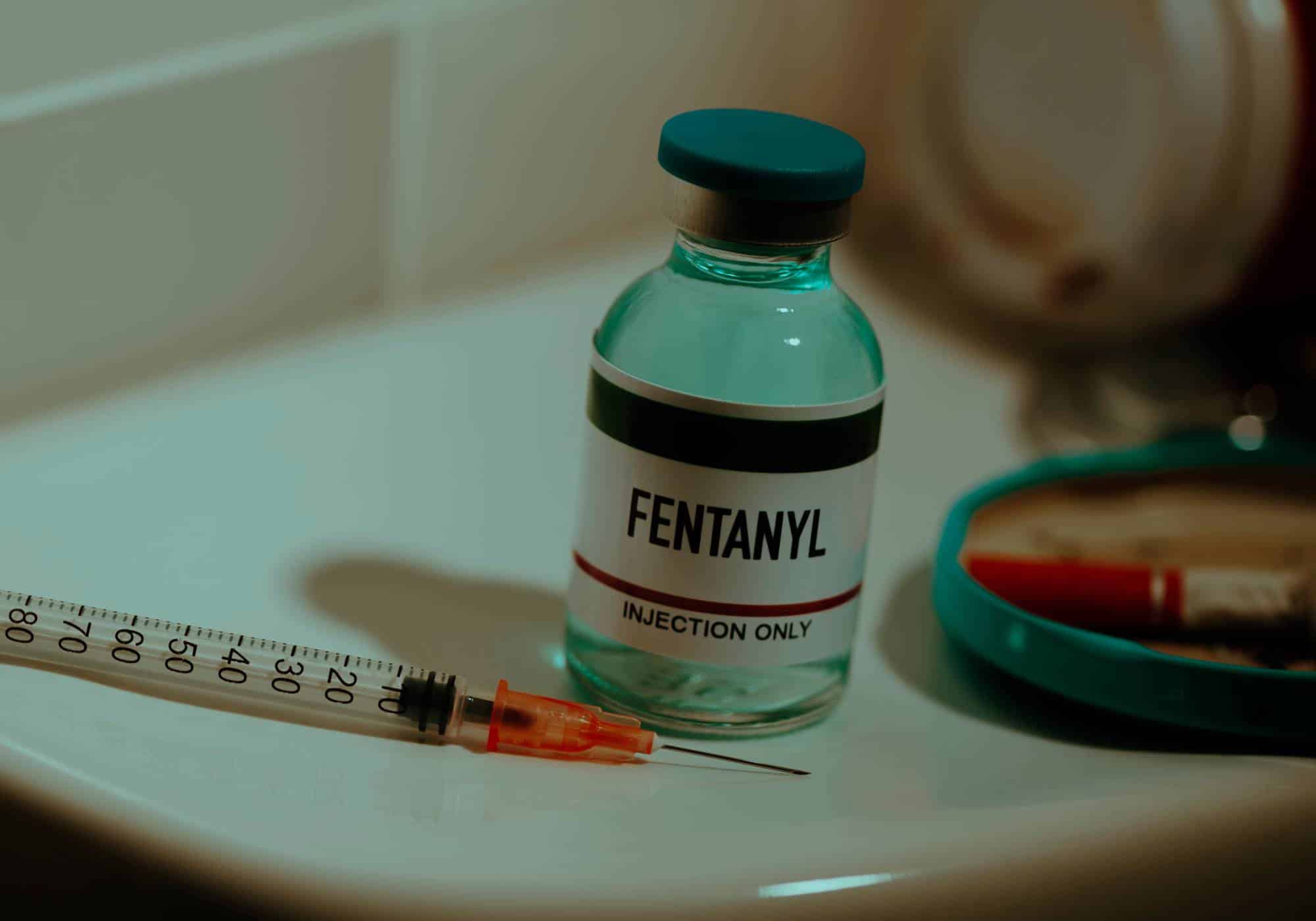
- Fentanyl: A potent synthetic opioid that significantly increases the risk of overdose.
- Benzodiazepines (e.g., Xanax): Sedatives that can enhance the depressant effects.
- LSD, Mescaline, or Other Hallucinogens: Psychoactive substances that alter perception and mood.
- Designer Drugs (e.g., 2C-i, 2C-B): Synthetic substances with varying psychoactive effects.
- Bath Salts (Cathinone): Stimulants that can cause severe agitation and hallucinations.
The unpredictable combination of these ingredients makes each batch of Liquid G potentially dangerous, increasing the likelihood of severe health consequences, including addiction, overdose, and fatal interactions.
How Is Liquid G Used?
“Liquid G” is typically consumed in one of the following ways:
Oral Consumption
The most common method is mixing Liquid G with beverages such as water, soda, or juice. This method allows the drug to be ingested without arousing suspicion, as the liquid often resembles regular drinks.
Snorting
Some users crush Liquid G into a fine powder and snort it to achieve a quicker onset of effects. This method bypasses the digestive system, allowing the drug to enter the bloodstream rapidly through the nasal passages.
Injection
Although less common due to the inconvenience, some individuals inject Liquid G directly into the bloodstream for an immediate and intense high. This method significantly increases the risk of overdose and severe health complications.
Risky Combinations
Combining Liquid G with other central nervous system depressants, such as alcohol or benzodiazepines, can amplify its effects and elevate the risk of respiratory depression, coma, and death.
Effects of GHB Addiction
The repercussions of GHB addiction extend beyond the user, affecting various aspects of life:
- Cognitive impairments and memory issues
- Mental health struggles like depression
- Cardiac irregularities
- Physical injuries from accidents under the influence
- Social, legal, and interpersonal problems
- Job loss and academic failure
- Risks of sexual assault and sexually transmitted infections due to compromised decision-making
Is GHB Addictive?
Yes, GHB is highly addictive, particularly when used frequently or in large doses. The drug affects various neurotransmitters in the brain, including gamma-aminobutyric acid (GABA), which inhibits brain activity and induces feelings of relaxation and drowsiness. Chronic use of GHB can lead to physical and psychological dependence, making it challenging to stop without professional help.
Physical Dependence
With prolonged use, the body becomes accustomed to GHB, requiring higher doses to achieve the same effects. This tolerance can quickly escalate, leading to increased usage and a higher risk of overdose.
Psychological Dependence
GHB creates a strong psychological craving due to its euphoric and relaxing effects. Users may feel unable to function normally without the drug, leading to compulsive use despite negative consequences.
Addiction Cycle
The combination of physical and psychological dependence forms a vicious cycle of addiction. Individuals may continue using GHB to avoid withdrawal symptoms and to recapture the drug’s initial pleasurable effects, further deepening their addiction.
What is GHB Addiction?
GHB addiction, often referred to as “Liquid Ecstasy” addiction, is marked by compulsive drug use despite adverse effects. Commonly used in party scenes for its euphoric effects, GHB can lead to polysubstance abuse, including with drugs like methamphetamine, cocaine, and ketamine, particularly prevalent in the Chemsex scene where it enhances sexual performance and disinhibition.
Understanding GHB addiction is crucial for those affected and their loved ones. Recognizing the signs and seeking professional help can pave the way to recovery and prevent the severe consequences associated with this potent drug.
What Are the Signs and Symptoms of GHB Addiction
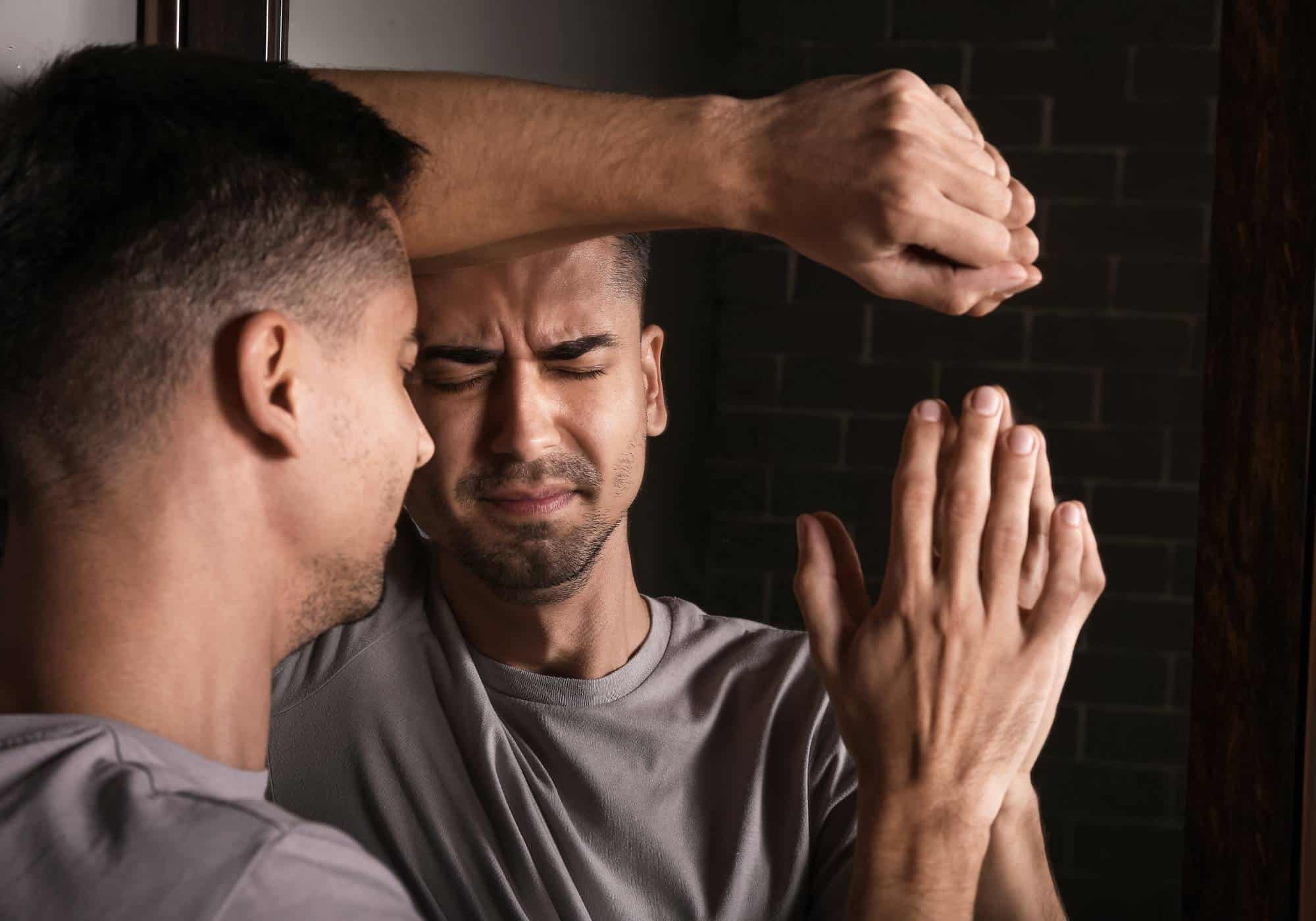
Addiction to GHB manifests through various behavioral and physical signs that can significantly impact one’s life:
- Social withdrawal from friends and family
- Loss of interest in activities once enjoyed
- Deterioration in physical and mental health
- Negligence of personal responsibilities like childcare or household duties
- Decreased productivity or absenteeism at work
- Criminal behavior to support the drug habit
- Dishonesty about substance use
- Obsessive thoughts about obtaining and using GHB
- Repeated unsuccessful efforts to quit
- Persistent use despite negative consequences
- Mood swings and irritability related to drug use
- Engaging in risky behaviors, such as driving under the influence
Physical and mental signs include impaired motor control, heightened anxiety and depression, slurred speech, memory loss, and erratic mood changes.
Causes and Risk Factors for GHB Addiction
Several factors can increase the likelihood of developing a GHB addiction, including genetic, environmental, and social influences.
Genetic Factors
- Family History: Individuals with a family history of substance abuse or mental illness are more susceptible to addiction.
- Genetic Predisposition: Certain genetic traits can make individuals more vulnerable to addiction by influencing how they metabolize drugs and their susceptibility to dependence.
Environmental Factors
- Exposure to Drugs: Growing up in an environment where drug use is prevalent increases the risk of addiction.
- Trauma and Abuse: Experiencing trauma, abuse, or neglect can lead individuals to use substances like GHB as a coping mechanism.
- Social Circles: Associating with peers who use GHB or other drugs can facilitate the initiation and continuation of use.
Social Factors
- Accessibility: Easy access to GHB through friends, parties, or illicit sources heightens the risk of misuse.
- Cultural Norms: In certain social settings, such as rave parties and nightclubs, the use of GHB may be normalized, encouraging experimentation and habitual use.
Risk Factors
- Age: Younger individuals, particularly those under 30, are more likely to abuse GHB.
- Socioeconomic Status: GHB users often come from middle-class and upper-class backgrounds, where access to recreational settings is common.
- Mental Health Issues: Individuals with underlying mental health conditions, such as anxiety or depression, are at a higher risk of substance abuse.
- Party Culture: Frequenting clubs, raves, and parties where GHB is commonly used increases the likelihood of addiction.
GHB Abuse
GHB abuse refers to the misuse of gamma-hydroxybutyrate beyond its prescribed or intended use. Recreational users seek its euphoric and sedative effects, often leading to dangerous behaviors and severe health risks. GHB abuse is particularly concerning due to its association with sexual assault, impaired judgment, and the high potential for addiction and overdose.
Common Patterns of GHB Abuse
- Party and Club Scenes: GHB is frequently used in nightlife settings to enhance social experiences and induce a sense of euphoria.
- Date Rape Drug: GHB is often used illicitly to incapacitate individuals for sexual assault.
- Self-Medication: Individuals may abuse GHB to self-medicate for anxiety, insomnia, or other mental health issues, increasing the risk of dependency.
Consequences of GHB Abuse
- Health Risks: Including overdose, respiratory depression, seizures, and coma.
- Legal Issues: Possession, distribution, and use of GHB are illegal and can result in severe legal penalties.
- Social Consequences: Strained relationships, social isolation, and impaired functioning in daily activities.
- Economic Impact: Increased financial strain due to the cost of obtaining the drug and dealing with its consequences.
Types of GHB Addiction Treatment
Effective treatment for GHB addiction often involves a multidisciplinary approach:
- Detox: Supervised detox to manage withdrawal safely.
- Inpatient Rehabilitation: Intensive care in a controlled environment for severe addictions.
- Outpatient Programs: Flexible programs for individuals with mild addiction.
- Therapy: Behavioral therapies to address the psychological aspects of addiction.
- Support Groups: Peer support to encourage sustained sobriety.
GHB Withdrawal
Withdrawal from GHB can be extremely challenging and potentially life-threatening. Due to the drug’s impact on the central nervous system, stopping its use abruptly can lead to severe withdrawal symptoms.
Duration of GHB Withdrawal
- Acute Phase: The initial phase of withdrawal can last several days, with symptoms peaking within the first 48 hours.
- Subacute Phase: Symptoms may persist for up to two weeks, gradually decreasing in intensity.
- Post-Acute Withdrawal Syndrome (PAWS): Some individuals may experience lingering symptoms, such as anxiety and depression, for weeks or months after cessation.
GHB Withdrawal Symptoms
- Seizures: Uncontrolled shaking or convulsions.
- Anxiety: Intense feelings of worry or fear.
- Insomnia: Difficulty falling or staying asleep.
- Overactive Reflexes: Exaggerated reflex responses.
- Increased Heart Rate and Blood Pressure: Elevated cardiovascular activity.
- Sweating: Excessive perspiration.
- Psychotic Symptoms: Hallucinations and delirium.
- Severe Cravings: Strong urges to use GHB again.
Managing GHB Withdrawal
Due to the severity of withdrawal symptoms, it is essential to seek professional medical assistance when attempting to stop using GHB.
Treatment typically involves:
- Medical Detoxification: Safely removing GHB from the body under medical supervision.
- Medications: Prescribing medications to alleviate withdrawal symptoms and prevent seizures.
- Therapeutic Support: Providing psychological support through counseling and therapy.
- Hospitalization: In severe cases, hospitalization may be necessary to manage life-threatening symptoms.

GHB Overdose
Overdosing on GHB is a serious risk, particularly when it’s used in combination with other central nervous system depressants such as alcohol or benzodiazepines. The likelihood of an overdose increases significantly with the use of high doses in a short period of time. Understanding the signs of a GHB overdose can be crucial for preventing fatal outcomes.
The signs of a GHB overdose can vary but typically include several alarming symptoms that require immediate attention:
- Loss of Consciousness: A sudden and profound inability to wake or respond to external stimuli.
- Seizures: Uncontrolled electrical disturbances in the brain, which can manifest as convulsions or minor physical signs like a brief blackout.
- Slowed Heart Rate: A marked decrease in the heart rate, which can be life-threatening.
- Severe Respiratory Depression: Significantly slowed or labored breathing, which can lead to insufficient oxygen reaching the brain and other vital organs.
- Low Body Temperature: Hypothermia, or dangerously low body temperature, often accompanied by shivering or cold, clammy skin.
- Vomiting and Nausea: These symptoms can increase the risk of choking, especially if the individual is unconscious.
- Coma: A deep state of unconsciousness that can be prolonged and is potentially reversible.
- Death: In severe cases, an overdose can be fatal if not treated promptly.
GHB Addiction Treatment at Hope Harbor Wellness
Located in the serene suburbs of Atlanta, Hope Harbor Wellness is your ally in the fight against GHB addiction in Atlanta. Our drug rehab center, dedicated to holistic recovery, is ideally situated to offer you the support you need.
Our compassionate outpatient program collaborates with top-tier medical GHB detox facilities, ensuring a safe and effective detox process. Once free from addictive substances, you can seamlessly transition into one of our specialized outpatient treatment programs at Hope Harbor Wellness, designed to address substance use disorders:
- Outpatient Rehab: A flexible program tailored to fit into your daily life.
- PHP (Partial Hospitalization Program): Offers a structured yet non-residential approach to treatment.
- IOP (Intensive Outpatient Program): Provides more intensive care while allowing you to maintain daily responsibilities.
- Dual Diagnosis Treatment Program: Caters to those with co-occurring mental health disorders.
Our GHB addiction treatment programs incorporate a variety of interventions:
- MAT (Medication-Assisted Treatment): Utilizes medications to ease withdrawal symptoms and cravings.
- Psychotherapy (CBT and DBT): Addresses underlying psychological aspects of addiction.
- Group Therapy: Offers peer support and shared learning experiences.
- Individual Therapy: Provides personalized guidance and support.
- Family Therapy: Helps heal and strengthen family relationships.
- Holistic Therapies: Focuses on overall well-being, including physical, emotional, and spiritual health.
- Aftercare: Ensures ongoing support post-treatment.
Embark on your journey from addiction to recovery with Hope Harbor Wellness. Trust in our dedicated team to guide you every step of the way. For more information on GHB addiction treatment in Atlanta, GA or to start your journey, call our admissions team at 770-573-9546 or fill out our online contact form.