

When a prescription helps with nerve pain or seizures, it’s easy to assume it’s always safe. Gabapentin—sold as Neurontin, Gralise, and Horizant—can be helpful and appropriate for many people. It can also be misused, mixed with other depressants, or taken in higher doses than prescribed. That’s when the risk of gabapentin overdose rises fast.
At Hope Harbor Wellness, a drug rehab in Atlanta, GA, we meet individuals and families who are worried about this exact issue. This guide explains how gabapentin works, what overdose looks like, how to respond, and how to prevent it—plus what real, evidence-based help looks like if misuse has started to take over.
Key Takeaways
- Gabapentin overdose most often occurs with high doses, rapid self-titration, or when it’s mixed with opioids, alcohol, or benzodiazepines—combinations that can dangerously slow breathing.
- Warning signs include profound drowsiness, confusion, poor coordination, and slowed or shallow breathing. Treat breathing problems as an emergency and call 911.
- There’s no reversal drug for gabapentin toxicity. Hospitals use supportive care (airway/oxygen, IV fluids, monitoring) and may use hemodialysis in severe cases or with kidney impairment.
- Do not stop abruptly. Sudden discontinuation can trigger withdrawal (anxiety, insomnia, nausea—and rarely seizures). A gradual taper under medical supervision is safer.
- Lower your risk by following the prescription exactly, locking up medications, disposing of leftovers, and keeping naloxone on hand if any opioids are in the home.
- If use has drifted into misuse—or you’re relying on gabapentin to manage pain, sleep, or stress—integrated care (medical, mental health, and substance use support) can reduce overdose risk and improve long-term stability.
Understanding Gabapentin: Uses and Effects
What it’s for
Gabapentin is an anticonvulsant that reduces abnormal brain activity and helps modulate pain signals. Doctors prescribe it for seizures and postherpetic neuralgia (nerve pain after shingles). It’s also used off-label for conditions like fibromyalgia, restless legs syndrome (RLS), hot flashes, and certain anxiety or sleep complaints.
How it works
Despite its name and structure, gabapentin doesn’t boost GABA the way many people assume. Instead, it binds to calcium channels in the central nervous system. That reduces the release of excitatory neurotransmitters, which helps calm over-firing nerves and soften pain signals.
Dosing basics
Doses are individualized and usually titrated up slowly. For many adults, total daily dosing can climb toward 1,800–3,600 mg/day in divided doses. Because abrupt stops can trigger withdrawal or seizures, doctors taper gabapentin rather than cut it off quickly.
Common side effects
Side effects of gabapentin include:
- Drowsiness
- Dizziness
- Ataxia (poor coordination)
- Blurred vision
- Swelling in the legs
- Fatigue are common.
Some people notice memory issues, mood changes, or GI discomfort. Always discuss new or worsening symptoms with your prescriber—especially if you have kidney disease, breathing problems, or a history of substance use.
What Is a Gabapentin Overdose?
A gabapentin overdose happens when the amount of gabapentin in the body overwhelms the nervous system and vital organs, leading to toxic effects. This can occur after taking far more than prescribed, rapidly increasing your dose on your own, or combining gabapentin with other sedating substances—most commonly opioids, alcohol, or benzodiazepines. Because gabapentin is cleared through the kidneys, toxicity can also develop at “normal” doses in people with reduced kidney function.
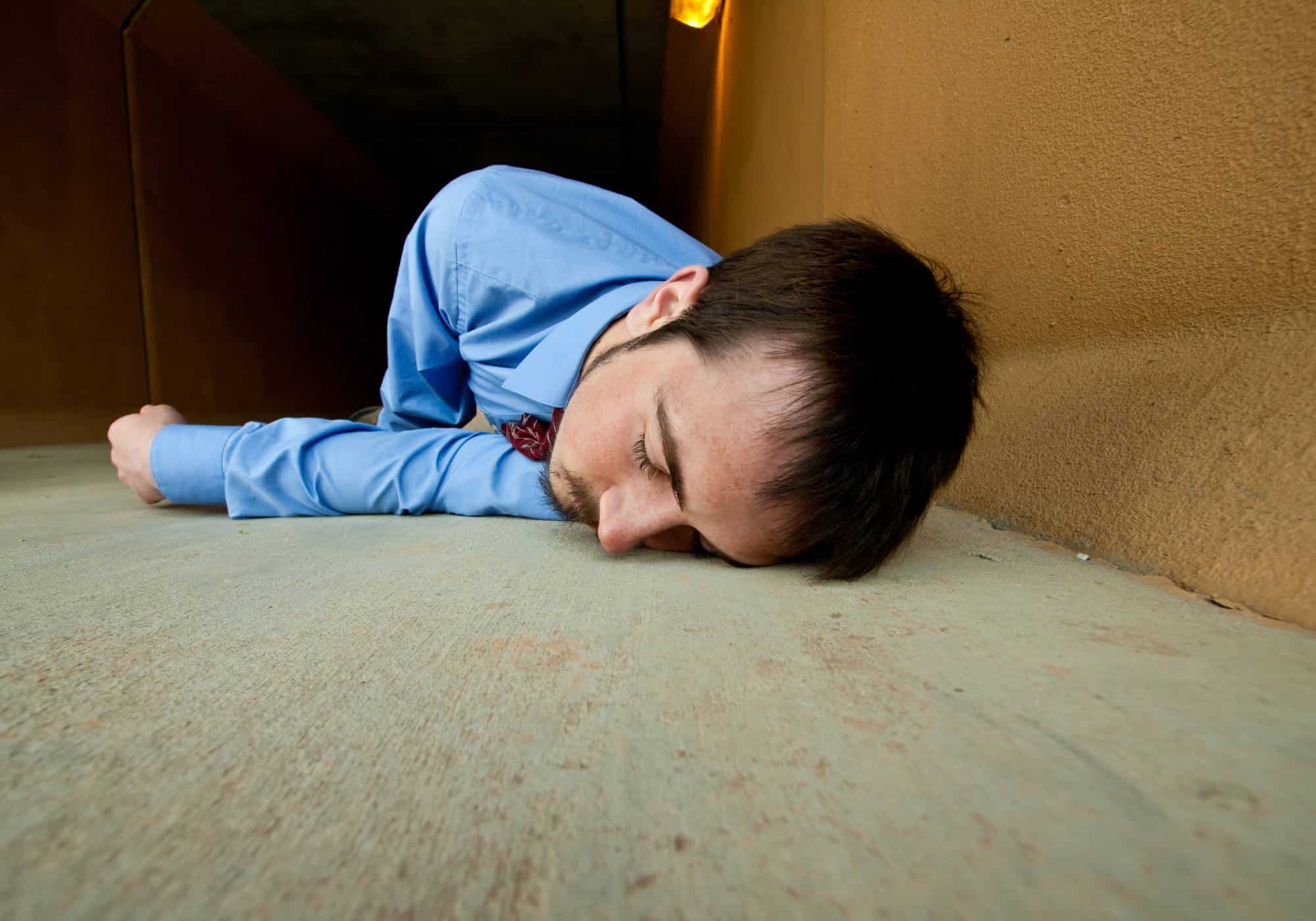
Unlike an allergic reaction (which usually presents with hives, swelling, or wheezing), a gabapentin overdose looks like progressive central nervous system depression. Early signs are heavy drowsiness, dizziness, and slowed thinking. As levels rise, people may show poor coordination, slurred speech, confusion, markedly low energy, shallow or slowed breathing, and—in severe cases—unresponsiveness. When gabapentin is mixed with opioids or alcohol, breathing can become dangerously suppressed, turning an otherwise survivable exposure into a medical emergency.
Clinicians diagnose a gabapentin overdose based on what was taken (dose, timing, and any other substances), current symptoms, vital signs (breathing rate, oxygen saturation, blood pressure, heart rate), and kidney function. There is no single “lethal dose” because risk varies widely with body size, drug interactions, and renal health. Children and pets are at particular risk from accidental ingestion, even at relatively small amounts.
There isn’t an antidote for gabapentin overdose. Treatment focuses on supportive care—keeping the airway open, providing oxygen, IV fluids, and continuous monitoring. If breathing is impaired from co-ingested opioids, naloxone may be given to reverse the opioid effect. In severe cases or when kidney function is poor, hospital teams may use hemodialysis to remove gabapentin from the bloodstream more quickly. After stabilization, most people recover fully, but anyone who has overdosed should speak with a medical professional about safe tapering, pain alternatives, and whether substance use treatment or mental health support could lower their risk going forward.
When to call 911: if someone has extreme sleepiness, cannot be awakened, is breathing slowly or irregularly, turns bluish around the lips or fingertips, or has taken gabapentin with opioids, alcohol, or benzodiazepines—treat it as an emergency.
Why Gabapentin Overdose Happens
Misuse and polydrug use
The most common driver of gabapentin overdose is misuse—taking higher amounts than prescribed or using it to enhance the effects of other depressants. When gabapentin is mixed with opioids, alcohol, or benzodiazepines, the risk of respiratory depression goes up sharply. Among people who misuse opioids, gabapentin misuse rates are higher than in the general population because it can intensify a “high” or ease withdrawal.
Over-prescription and off-label trends
Gabapentin prescriptions have increased over the past decade as clinicians seek non-opioid options for pain. That shift helps many people, but higher availability can mean more medication in the home—and more opportunities for misuse or diversion. Careful monitoring and clear patient education are critical.
Accidental ingestion
Children and pets are especially vulnerable to accidental gabapentin ingestion. Pills kept in purses, unlocked drawers, or countertop organizers can look like candy. Even a single high dose for a small child or animal can be dangerous. Store medications up and away, and use a locking container if little ones visit your home.
Underreported fatalities
Because gabapentin isn’t always included in toxicology screens or listed on death certificates, the true number of overdose events may be underestimated. This makes education and prevention even more important.
What Does a Gabapentin Overdose Look Like?
Physical symptoms
- Extreme drowsiness or heavy sedation
- Muscle weakness, poor coordination, or inability to stand
- Slurred speech, blurred vision, drooping eyelids
- Nausea, vomiting, or diarrhea
- Slow, shallow, or labored breathing (emergency)
- Low blood pressure, dizziness, or fainting
Psychological symptoms
- Confusion, disorientation, or memory lapses
- Agitation or unusual restlessness
- Anxiety or deepening depression
- Hallucinations (seeing or hearing things that aren’t there)
- In severe cases: unresponsiveness or coma
Red flag: If breathing is slowed, if someone cannot stay awake, or if you can’t rouse them, call 911 immediately. When gabapentin is combined with opioids, alcohol, or benzodiazepines, do not “wait it out.” Rapid medical care can save a life.
First Response: What to Do in a Suspected Gabapentin Overdose
- Call 911 and describe exactly what you see (breathing, responsiveness, substances taken, and approximate times/doses).
- Keep the person awake and breathing if possible. If they’re unresponsive but breathing, place them on their side to prevent aspiration.
- Have pill bottles ready for EMS and bring any other substances they may have used.
- Use naloxone (Narcan) if you suspect opioids are also involved. Naloxone won’t reverse gabapentin, but it can rapidly reverse the opioid component of respiratory depression.
- Do not give food, drink, or more medications unless told to by medical professionals or Poison Control.
Hospital care is supportive: oxygen, IV fluids, cardiac and respiratory monitoring, and treatment for co-ingested substances. There’s no antidote for gabapentin, but hemodialysis can help remove it, especially in severe cases or with kidney impairment.
Recovery After a Gabapentin Overdose
After the emergency, it’s crucial to ask why the overdose happened. Was it an accident, a dosing error, or a sign of escalating misuse?
Recovery planning usually includes:
- Medication review and safer prescribing (adjust dose, change timing, or consider alternatives)
- Taper plan if dependence is present—abrupt cessation can trigger withdrawal
- Medical detox when needed for heavy or long-term use
- Therapy for underlying issues (pain, anxiety, insomnia, trauma, depression)
- Relapse-prevention skills and family education
- Secure storage and disposal to reduce future risk
At Hope Harbor Wellness in Atlanta, we help clients rebuild routines, address pain safely, and manage anxiety without relying on escalating doses or risky combinations.
Gabapentin Withdrawal: What to Expect and Why Tapering Matters
Stopping gabapentin suddenly can be uncomfortable—and dangerous for people with seizure disorders. Symptoms may start within 12–48 hours after the last dose and can peak around day three.
Common gabapentin withdrawal symptoms include:
- Anxiety, irritability, or mood swings
- Insomnia or restless sleep
- Nausea, vomiting, or GI upset
- Headache, dizziness, or “brain fog”
- Sweats, hot/cold flashes, chills
- Fatigue, aches, or tremors
- In rare cases: seizures
Safer exits
A medically supervised taper reduces these risks. Many providers lower the dose by about 10–25% every 1–2 weeks, but schedules are individualized based on dose, duration, kidney function, and co-occurring conditions. In a structured program, we also support sleep, anxiety, and pain with non-addictive strategies so you’re not white-knuckling through the process.
How to Reduce the Risk of Gabapentin Overdose
For patients and families
- Take gabapentin exactly as prescribed; don’t “self-titrate” on tough days.
- Never mix with alcohol, opioids, or benzodiazepines unless your prescriber specifically instructs you.
- Lock it up. Use a locked box, and keep pills out of sight and reach.
- Dispose safely. Use DEA take-back sites or pharmacy mail-backs for unused tablets.
- Use one pharmacy to help your pharmacist spot risky combinations.
- Discuss sleep, anxiety, or pain openly—there are safer options than layering sedatives.
For prescribers and care teams
- Screen for substance use history and sleep-disordered breathing.
- Keep doses appropriate to kidney function; consider lower ceilings for high-risk patients.
- Watch for early refills, dose escalation, or requests to combine with CNS depressants.
- Educate clearly about impairment risk, mixing dangers, and secure storage.
Gabapentin and Polysubstance Risk (What Families Need to Know)
Many overdoses aren’t caused by one drug alone. Gabapentin compounds the sedation from opioids, alcohol, and benzodiazepines. Even if each drug is taken near its prescribed range, the combination can suppress breathing. If a loved one has prescriptions from different providers, coordinate care. A simple medication reconciliation and shared plan can prevent tragedy.
Action steps
- Keep an updated med list on your phone
- Ask, “Are any of these unsafe together?” at every appointment
- Request naloxone if any opioid is in the mix
- Post emergency steps on the fridge so everyone at home knows what to do
Safer Pain Management Without Escalating Sedation
If pain is the root issue, stacking sedatives isn’t the answer.
Evidence-based approaches can lower pain perception and improve function:
- Movement: graded exercise, PT, and gentle strength work
- Sleep repair: CBT-I techniques for insomnia
- Nerve-friendly nutrition: glycemic control, B vitamins as appropriate
- Mind-body tools: mindfulness, diaphragmatic breathing, biofeedback
- Behavioral pain programs: pacing, flare-planning, and goal-setting
At our outpatient drug rehab in Atlanta, GA, we blend these supports so clients can function better without relying on riskier drug combinations.
How We Taper and Transition Off Gabapentin Safely
A smart taper isn’t just dose math; it’s a full plan:
- Assessment: dose, duration, kidney function, co-meds, mental health, and sleep
- Taper roadmap: slower for long-term/high-dose use or seizure history
- Symptom supports: non-addictive sleep aids, anxiety skills, gentle exercise
- Check-ins: weekly reviews to adjust pace up or down
- Aftercare: relapse-prevention plan, pain alternatives, and family support
This approach minimizes withdrawal and strengthens long-term stability.
When Gabapentin Misuse Signals a Bigger Problem
If you’re taking higher doses than prescribed, double-dosing at night, or mixing gabapentin with alcohol or pills to “take the edge off,” there may be more going on than pain control. Common drivers include untreated anxiety, insomnia, trauma, depression, or opioid dependence. Dual-diagnosis care addresses both the why and the what—so you’re not stuck toggling between symptoms and side effects.
Gabapentin Addiction
While gabapentin isn’t an opioid or benzodiazepine, misuse can still lead to dependence and addiction—especially at high doses or when it’s combined with other depressants like alcohol or opioids.
Warning signs of a gabapentin addiction include:
- Taking more than prescribed
- Doctor shopping
- Crushing or stacking doses
- Using to “come down” from other drugs
- Intense cravings
- Withdrawal symptoms (anxiety, insomnia, nausea, sweating) between doses
- Continuing use despite problems at work, home, or in relationships.
Risk rises for people with chronic pain, co-occurring anxiety or depression, a history of substance use, or impaired kidney function.
Gabapentin Addiction Treatment
Effective care starts with a medically supervised detox or taper to safely reduce the dose and minimize seizures or rebound symptoms. From there, evidence-based therapies—CBT, DBT skills, motivational interviewing, and relapse-prevention planning—help you rebuild routines and cope without misusing medication. Because gabapentin misuse often overlaps with pain and mental health concerns, integrated dual-diagnosis treatment is key: coordinated psychiatry, non-addictive pain strategies (physical therapy, mindfulness, sleep rehab), and medication management for anxiety or mood disorders. Family education, peer support, and a structured aftercare plan (continuing therapy, support groups, safe-use agreements with prescribers, and overdose-risk counseling if other substances are involved) strengthen long-term recovery.
Your Next Step: Compassionate Help in Atlanta
If gabapentin misuse or mixing has crept into your life, you don’t have to navigate it alone. Hope Harbor Wellness—an experienced addiction treatment center in Atlanta, GA—offers medical detox coordination, dual-diagnosis treatment, personalized tapers, and real-world tools for pain, sleep, and anxiety. We’ll help you reduce overdose risk, feel safer in your body, and rebuild daily routines that last.
Call us now at 770-573-9546 or fill out our online contact form to talk confidentially with a compassionate specialist and start a tailored plan that fits your needs today.
Gabapentin Overdose FAQs
Can you overdose on gabapentin by itself?
Yes. Very high doses can cause profound sedation, low blood pressure, and breathing problems. The risk increases significantly when gabapentin is combined with opioids, alcohol, or benzodiazepines.
What are the first signs of a gabapentin overdose?
Heavy drowsiness, slurred speech, loss of coordination, confusion, and slowed or shallow breathing. If breathing is affected or someone can’t stay awake, call 911.
Is there an antidote for gabapentin overdose?
No. Treatment is supportive—oxygen, fluids, monitoring, and managing co-ingested drugs. Hemodialysis may be used in severe cases or with kidney impairment.
How long does gabapentin stay in your system?
Gabapentin’s half-life is around 5–7 hours in healthy adults, but it’s cleared through the kidneys. Poor kidney function can extend its effects and increase toxicity risk.
What should I avoid while taking gabapentin?
Alcohol, opioids, and benzodiazepines unless specifically coordinated by your prescriber. Avoid driving or hazardous tasks until you know how it affects you.
How do you prevent gabapentin overdose at home?
Follow your prescription closely, don’t mix sedatives, lock up meds, dispose of extras, and keep naloxone on hand if anyone in the home uses opioids.
What does a safe taper off gabapentin look like?
A gradual reduction—often 10–25% every 1–2 weeks—customized to your dose, duration, and health. Never stop suddenly without talking to your prescriber.