
Fear of losing your job is one of the most common reasons people delay or avoid addiction treatment. It is an understandable fear — and for most working Georgians, it is also one that the law directly addresses. The Family and Medical Leave Act (FMLA) provides up to 12 weeks of job-protected leave for qualifying medical conditions, including substance use disorder treatment. Understanding your rights before you call a treatment center can make the difference between getting help and putting it off indefinitely.
The bottom line
If you work for a company with 50+ employees, have been employed there for at least 12 months, and have worked at least 1,250 hours in the past 12 months — you almost certainly qualify for FMLA. Addiction treatment qualifies as a serious health condition under FMLA. Your job is protected while you get help.
What Is FMLA and How Does It Apply to Addiction Treatment?
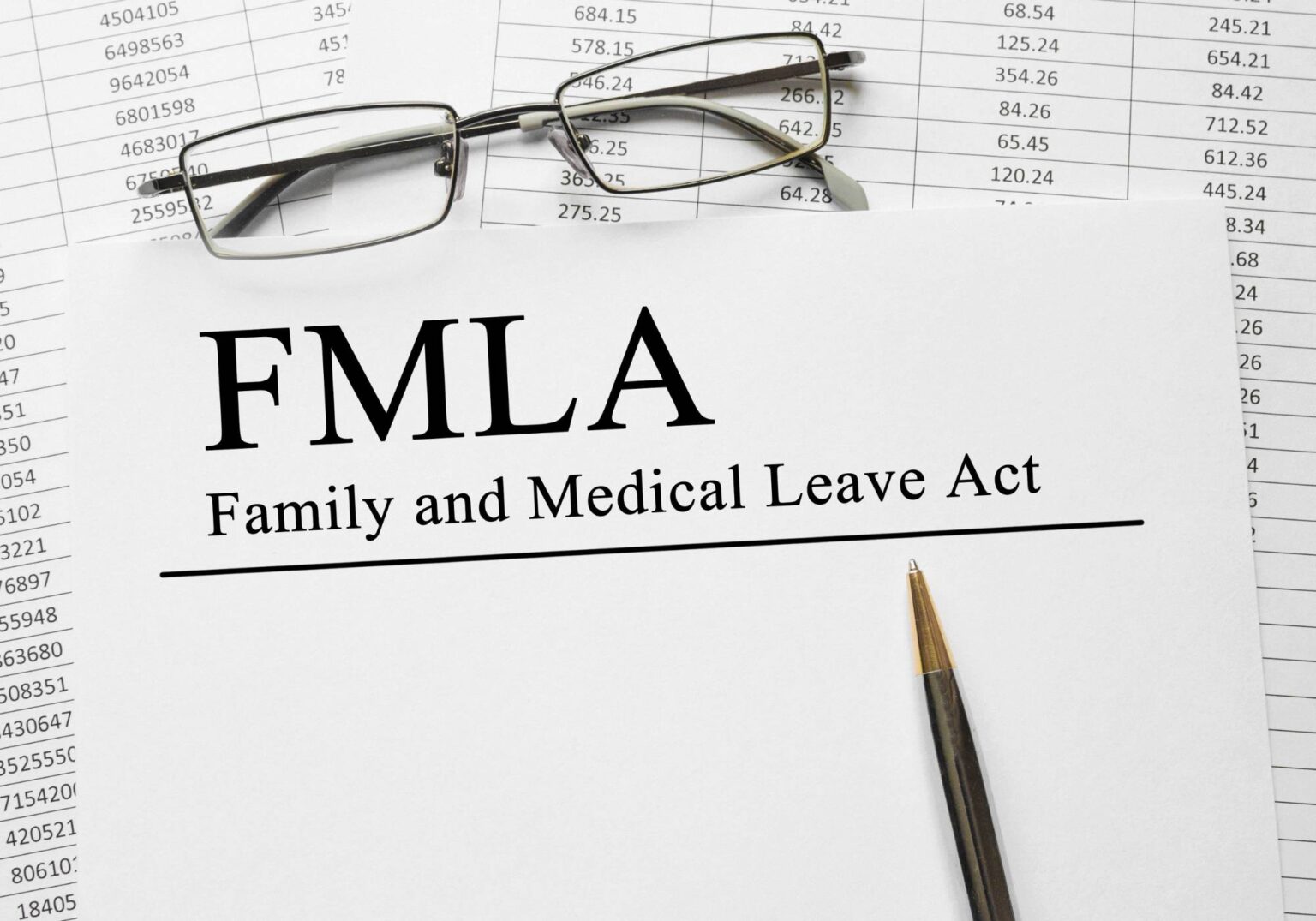
The Family and Medical Leave Act is a federal law enacted in 1993 that allows eligible employees to take up to 12 weeks of unpaid, job-protected leave per year for qualifying family or medical reasons. During FMLA leave, your employer must maintain your health benefits and return you to the same or an equivalent position when you return.
Substance use disorder qualifies as a serious health condition under FMLA when treatment is provided by or under referral by a healthcare provider. This covers inpatient and outpatient drug and alcohol treatment programs. It specifically covers Partial Hospitalization Programs (PHP), Intensive Outpatient Programs (IOP), and standard outpatient treatment — all the levels of care available at Hope Harbor Wellness. What FMLA does not cover is taking time off because you are intoxicated or because of drug use itself — it protects the treatment, not the using.
FMLA Eligibility Requirements
To qualify for FMLA, you must meet all three of the following criteria: You must work for a covered employer — any private company with 50 or more employees within 75 miles of your worksite, or any public agency regardless of size. You must have worked for that employer for at least 12 months (not necessarily consecutive). You must have worked at least 1,250 hours in the 12 months immediately preceding your leave request.
If your employer has fewer than 50 employees, FMLA does not apply — but many smaller employers have their own leave policies that may provide similar protections, and Georgia has no state-level FMLA supplement. In that situation, having an honest conversation with your employer while emphasizing the medical nature of addiction treatment is your best approach.
What You Do and Don’t Have to Tell Your Employer
This is the question that causes the most anxiety, and the law is clear: you do not have to disclose your specific diagnosis to your employer. You are required to notify your employer that you need medical leave and to provide documentation that the leave is medically necessary — but the specific nature of the medical condition is protected health information under HIPAA.
In practice, you can tell your HR department or manager that you need to take FMLA leave for a “serious health condition requiring treatment” and that your healthcare provider has certified the need for leave. You do not have to say “drug addiction” or “alcohol treatment.” Your employer is not entitled to know your specific diagnosis — they are entitled to know that your leave is medically certified as necessary.
For clients in IOP — which runs three days per week and allows you to continue working the other days — you may not need to use FMLA at all. Many IOP clients at Hope Harbor Wellness attend treatment alongside their employment without disclosing their treatment status to their employer. We can help you think through the scheduling options during the admissions call.
Americans with Disabilities Act (ADA) — Additional Protections
The ADA provides complementary protections that extend beyond FMLA’s 12-week limit. Under the ADA, addiction in recovery — meaning a person who has a history of addiction and is not currently using — is recognized as a disability that may require reasonable accommodation from employers. This can include modified schedules to attend ongoing outpatient treatment, flexibility for medical appointments, or a phased return to full duties after intensive treatment.
The ADA does not protect current illegal drug use, and it does not override FMLA’s employment protections for the active treatment period. But it matters significantly for the return-to-work period and for ongoing recovery support needs after treatment completion.
How Hope Harbor Wellness Supports FMLA Documentation
Our clinical team provides the medical certification documentation that FMLA requires. Once you are assessed and enrolled in treatment, we can provide your employer’s HR department with the FMLA Certification of Health Care Provider form (WH-380) completed by our medical director. This certification confirms that you have a serious health condition requiring treatment and the expected duration — without disclosing your specific diagnosis beyond what is legally required for the certification.
If you need FMLA documentation urgently, mention this during your admissions call at 770-573-9546 and our team will prioritize it. We understand that employment continuity is directly connected to financial stability, and financial stability is directly connected to sustainable recovery.
Start Addiction Treatment Without Losing Your Job
Same-day assessments available. FMLA documentation provided. In-network with major insurance. 770-573-9546.
Can You Use IOP While Working? The Outpatient Advantage
One of the most important and underappreciated features of outpatient addiction treatment is that it is specifically designed to be compatible with employment. PHP — five days per week — typically requires some accommodation (FMLA leave, modified schedule, or temporary short-term disability). IOP — three days per week — can often be arranged around a standard work schedule, particularly when evening IOP scheduling is available.
This compatibility is clinically meaningful: it means that many working Georgians can get treatment-level clinical care without their employer ever knowing they are in treatment. The privacy protection of outpatient treatment is one of the strongest arguments for it as a starting point for employed individuals who are concerned about professional reputation.
Frequently Asked Questions
Can my employer fire me for going to rehab in Georgia?
Not if you follow proper FMLA procedures. If you meet FMLA eligibility requirements, properly notify your employer, and provide medical certification, your employer cannot terminate you for taking medical leave for addiction treatment. They can terminate you for performance issues that existed before the leave request, for violating workplace drug policies (if you were impaired at work), or for failing to follow FMLA procedures — but not for the leave itself.
Does FMLA apply to IOP, or only inpatient rehab?
FMLA covers outpatient treatment including IOP and PHP when prescribed by or under referral from a healthcare provider. It is not limited to inpatient or residential treatment.
Will rehab show up on my employment record?
Your treatment records are protected under HIPAA. Your employer receives only the FMLA certification that leave is medically necessary — not your diagnosis or treatment details. Rehab does not appear on any public employment record.
What if I need more than 12 weeks of leave?
If 12 weeks is insufficient, the ADA may require your employer to provide additional leave as a reasonable accommodation. This is case-by-case and requires coordination with HR and potentially an employment attorney. Our clinical team provides documentation supporting the medical necessity of your treatment duration.
I work for a company with fewer than 50 employees — what are my options?
FMLA does not apply, but your employer may have its own leave policies. Many smaller employers will accommodate medical leave requests when approached professionally with documentation of medical necessity. Outpatient IOP — which can often be worked around a regular schedule — may allow you to get treatment without needing leave at all. Call 770-573-9546 to discuss scheduling options.