

Alcohol consumption is deeply ingrained in many societies, with statistics from the NSDUH indicating that a significant majority of Americans aged 18 and older drink. Despite its widespread acceptance, very few people truly understand the intricate specifics of what does being drunk feel like and the profound effects alcohol has on the brain and body. If you’ve never experienced intoxication, it can be challenging to grasp the sensations and, crucially, to comprehend why alcohol can become so insidiously addictive for so many.
The effects of alcohol can range from mildly altering perceptions to posing extreme dangers, even leading to life-threatening situations. Understanding the progression of intoxication is key. There are distinct stages to being drunk, and the speed at which an individual progresses through these stages depends on a multitude of factors, including their personal tolerance and the quantity of alcohol consumed. At Hope Harbor Wellness, we believe that understanding these dynamics is the first step toward making informed choices and, if needed, seeking support for alcohol use.
What Does Drinking Too Much Feel Like? Individual Responses to Alcohol
The experience of what does drunk feel like is highly individual. Everyone is affected differently by alcohol, with some individuals experiencing the effects more rapidly or intensely than others. A complex interplay of factors influences a person’s state of mind and physical sensations while drinking.
These include:
- Age: Metabolism generally slows with age, which can lead to alcohol affecting older adults more significantly and for longer periods.
- Sex: Biological differences, particularly in body water content and enzyme activity (women typically have less body water and lower levels of alcohol dehydrogenase, an enzyme that metabolizes alcohol), mean women often feel the effects of alcohol more quickly than men, even when consuming the same amount.
- Tolerance: Regular, heavy drinking leads to increased tolerance, meaning it takes more alcohol to achieve the same desired effects. This can inadvertently push individuals toward dangerous consumption levels.
- Body Size/Weight: Alcohol distributes throughout the body’s water. Larger individuals with more body water tend to have a lower blood alcohol concentration (BAC) for the same amount of alcohol consumed compared to smaller individuals.
- Amount of Food Eaten: Consuming alcohol on an empty stomach allows it to be absorbed into the bloodstream much faster, leading to more rapid and intense effects. Food in the stomach slows absorption.
- Concurrent Drug Use: The use of other drugs, especially central nervous system depressants like opioids or benzodiazepines, can dramatically amplify alcohol’s effects and increase the risk of severe, even fatal, overdose.
These individual factors, alongside the amount and speed of alcohol intake, dictate a person’s blood alcohol content (BAC) and their progression through the stages of intoxication. Someone who consistently engages in heavy drinking will develop a higher tolerance, requiring more alcohol to reach their desired state and to satisfy the body and brain’s cravings. This escalation is a common indicator of developing an alcohol use disorder.
The Stages of Drinking: A Journey Through Intoxication
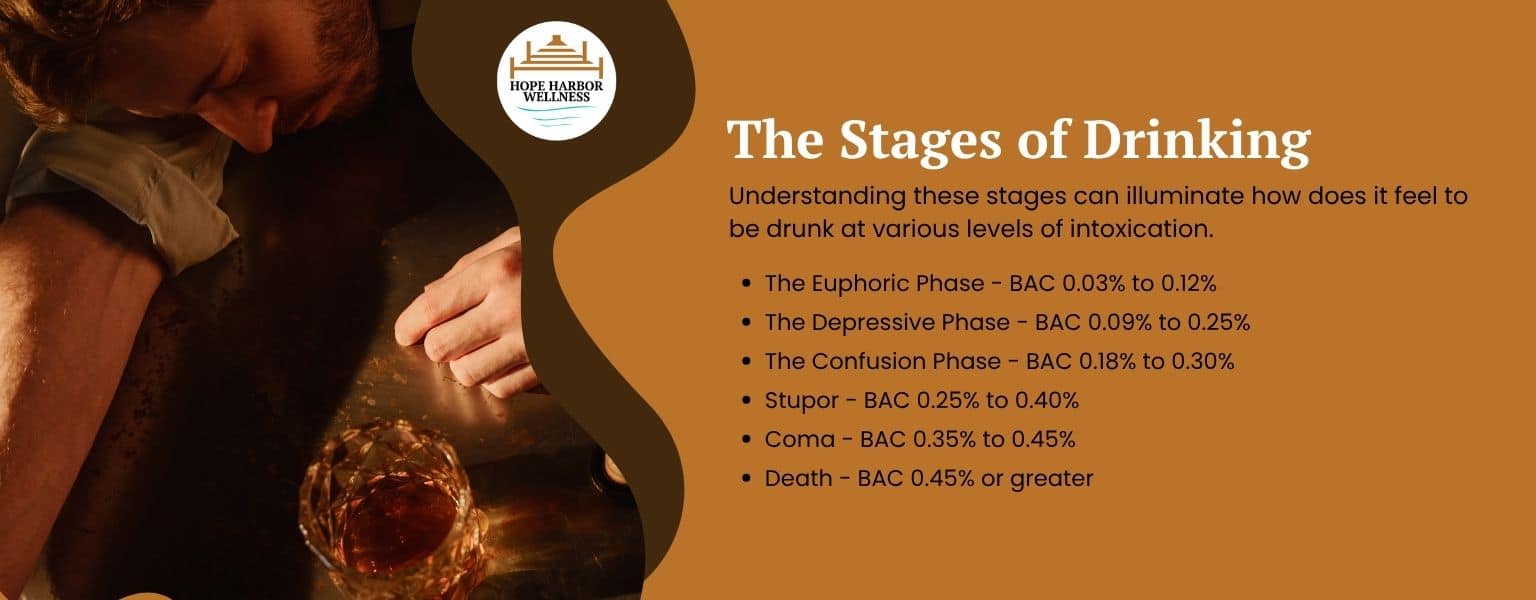
Alcohol’s effects are not static; they change significantly as intake increases. The phases of “drunkenness” typically follow a predictable progression, each marked by distinct physical and psychological changes. Understanding these stages can illuminate how does it feel to be drunk at various levels of intoxication.
The Euphoric Phase: The “Tipsy” Feeling
This is the initial phase, where alcohol first enters the bloodstream and begins to exert its effects. At this stage, alcohol promotes the release of dopamine in the brain, a neurotransmitter associated with pleasure and reward. This is the “feel-good” sensation that most people seek when drinking, often described as feeling “tipsy.” Individuals may experience increased confidence, talkativeness, and a general sense of well-being.
- Blood Alcohol Content (BAC): 0.03% to 0.12%
As tolerance increases, it can become increasingly difficult to reach this euphoric state with the same amount of alcohol, prompting individuals to drink more heavily. This highlights why does being drunk feel good for many, and how that sensation can drive problematic use.
The Depressive Phase (Excitement Phase): Loss of Control
Despite its common misperception as a stimulant, alcohol is a central nervous system depressant. During this “excitement” or depressive phase, individuals begin to display more pronounced signs of impaired function. This can include uncontrollable emotional highs or lows, noticeable loss of coordination, and impaired judgment. Drowsiness often sets in. Many individuals at this point may continue drinking excessively, attempting to counteract the growing drowsiness, mistakenly believing more alcohol will keep them “up.”
- Blood Alcohol Content (BAC): 0.09% to 0.25%
- At this BAC, you are legally considered intoxicated in most places. This stage further clarifies what does feeling drunk feel like as more effects become apparent.
The Confusion Phase: Impaired Awareness
As intoxication deepens, individuals enter the confusion phase. At this point, control over movements and emotions is significantly diminished, and they may experience profound confusion or find it incredibly difficult to stand or maintain balance without assistance. The confusion stage is often where individuals experience blackouts, losing periods of time from their memory. The body’s ability to feel pain is also significantly dulled, placing the individual at an increased risk for life-threatening injuries, as they may not perceive harm or distress.
- Blood Alcohol Content (BAC): 0.18% to 0.30%
Stupor: Extreme Danger
Reaching the stupor stage of intoxication is extremely dangerous and indicates severe alcohol poisoning. At this point, the body begins to lose its ability to function correctly. The individual may become largely unresponsive to external stimuli, and their body’s capacity to metabolize and excrete alcohol is overwhelmed. Seizures can occur, and the skin may appear blue or pale due to compromised blood circulation. Breathing becomes shallow and labored, and there is a significant risk of choking on one’s own vomit.
- Blood Alcohol Content (BAC): 0.25% to 0.40%
Coma: A Medical Emergency
When the body can no longer excrete alcohol effectively, all vital functions slow dramatically. The individual will slip into a critically unresponsive state—a coma. At this stage, with a BAC of 0.35% to 0.45%, immediate emergency medical attention is absolutely vital. Without prompt intervention, this level of intoxication can be fatal.
Death: The Ultimate Consequence
At a BAC level of 0.45% or greater, severe and irreversible damage is sustained to the internal organ systems. The body’s entire system shuts down, leading to death. This grim reality underscores the lethal potential of excessive alcohol consumption.
The Dangers of Getting Drunk: Beyond the Buzz
Understanding how does drunk feel goes beyond just the initial pleasant sensations. The physical effects of alcohol are inherently depressive, systematically interrupting the normal function of various body systems.
The specific symptoms vary depending on which system is affected, including:
- Cardiovascular System: Relaxed blood vessels lead to lowered blood pressure, which the heart attempts to compensate for by increasing heart rate.
- Respiratory System: Breathing rate can increase initially, but as intoxication deepens, respiratory depression (slowed, shallow breathing) becomes a grave concern.
However, the most prominent and commonly experienced effects happen in the brain, as alcohol profoundly impacts our cognitive functions and behavior:
- Impaired Coordination: Difficulty with motor skills, balance, and fine movements.
- Reduced Motor Control: Slurred speech, stumbling, and inability to perform tasks requiring precision.
- Slowed Reaction Time: Delayed responses to stimuli, making activities like driving incredibly dangerous.
- Impaired Memory: Difficulty recalling events that occurred while intoxicated (“blackouts”).
- Impaired Vision: Blurred vision, double vision, or difficulty focusing.
Beyond these more immediate effects, there are significant behavioral changes:
- Increased Happiness and Sense of Calm: This is the primary reason many people drink, seeking an escape from stress or a boost in mood. This is where the question of “why does being drunk feel good” is answered for many, as it offers a temporary, artificial sense of well-being.
- Decreased Inhibitions: This often makes people appear more fun-loving or outgoing, leading to behaviors they might not engage in when sober.
- Increased Risk-Taking Behaviors: This is a major danger, as lowered inhibitions can lead to engaging in incredibly dangerous activities such as driving under the influence, engaging in fights, committing petty crimes, or participating in unprotected or anonymous sex, all of which carry severe long-term consequences.
The Science Behind Alcohol and The Brain: The Addiction Cycle
When alcohol is consumed, it is rapidly absorbed through the stomach lining and small intestine into the bloodstream. From the very first sip, it takes only about five minutes for alcohol to reach your brain, where it immediately begins to exert its effects.
Upon reaching the brain, alcohol triggers the release of feel-good endorphins. These natural chemicals work to ease stress and anxiety, reduce feelings of pain, and significantly boost mood, contributing to what does feeling drunk feel like as a pleasurable sensation. Alcohol also interacts with key neurotransmitters: it increases the activity of GABA (gamma-aminobutyric acid), which is the brain’s primary inhibitory neurotransmitter, leading to calming and sedative effects. Simultaneously, it decreases the activity of glutamate, an excitatory neurotransmitter. This dual action contributes to the overall depressive effects of alcohol on the central nervous system. When someone drinks for prolonged periods, these neurotransmitter imbalances can become chronic within the brain.
Critically, the release of these endorphins and the interaction with GABA are concentrated within the brain’s reward center—the mesolimbic dopamine system. This is the very pathway implicated in addiction to all substances. If alcohol is consumed in large enough quantities, or for long periods of time, those initial feel-good responses powerfully trigger feelings of pleasure and reward. This profound activation of the reward system can dramatically increase the desire for alcohol, progressively leading to dependence and, ultimately, addiction. The brain’s reward center is also activated when users drink to minimize the negative, painful effects of withdrawal, reinforcing the cycle. The brain essentially becomes “trained” to depend on alcohol for the production of those feel-good endorphins and for maintaining chemical balance. And, as more alcohol is consumed over time, the brain’s tolerance for reaching those “positive” effects increases. More and more alcohol is needed before the brain’s reward center is satisfied, fueling a dangerous spiral of increased consumption.
What Happens As My Tolerance Increases? The Path to Dependence
When people drink, all their individual physical and genetic factors combine with how much they are drinking and how quickly. This complex interaction determines their blood alcohol content (BAC) level and the specific phases of drinking into which their brain and body will enter. A person who drinks a small amount each hour is better able to filter the alcohol out of their blood, allowing their liver time to process it. This enables them to either maintain a certain level of intoxication or gives their body a chance to completely eliminate the alcohol before the next drink.
However, when a person begins to consume larger amounts of alcohol at a faster pace, their body’s ability to filter it out effectively is rapidly overwhelmed. This may cause them to pass through the euphoric and depressive phases rather quickly and enter into more dangerous levels of intoxication, often without realizing the severity. If this pattern of heavy, rapid drinking continues for long periods, the body will inevitably adapt to the consistently high levels of alcohol consumed. Simultaneously, the very structure and function of nerves within the brain will undergo significant changes, leading to physical dependence.
The profound danger for individuals with an alcohol use disorder lies in the fact that their body and brain now require more and more alcohol just to feel euphoric or even just “normal” and to avoid withdrawal. The cumulative damage sustained to the liver and kidneys each time excessive amounts are consumed makes it increasingly difficult for the body to expel toxins efficiently. This vicious cycle can lead to faster progression through each drinking phase and a perilous proximity to stupor, coma, and even death, even with amounts of alcohol that were once manageable.
When someone “comes down” from heavy alcohol consumption, typically the next morning, a hangover is often the result. This experience is a combination of unpleasant physical symptoms (severe headache, nausea, vomiting, fatigue) and a profound increase in anxiety and depression. This cluster of withdrawal-like symptoms creates a strong aversion, which for many, results in a desire to continue drinking to alleviate the discomfort. This self-medication perpetuates the cycle of dependence. Hangovers will only worsen the longer alcohol is used, as the brain’s dysregulated processes will make hangover side effects more pronounced and debilitating over time, further cementing the body’s reliance on alcohol.
Getting Help for Alcohol Addiction at Hope Harbor Wellness
Because of the brain’s powerful dependence on alcohol, attempting to get sober on your own can be incredibly difficult, painful, and even life-threatening. Depending on the amount consumed and the duration of heavy drinking, stopping alcohol suddenly can trigger severe alcohol withdrawal symptoms such as seizures, delirium tremens (DTs), permanent brain damage, or even death. This is why it is absolutely critical to seek professional and medical help when you decide it’s time to achieve sobriety.
The initial week of detox is often the most difficult, as the severity of withdrawal symptoms peaks during this period. This challenging phase is also when most individuals are at the highest risk for relapse if they attempt to detox without support. At Hope Harbor Wellness, we understand these complexities. With the help of our Georgia alcohol detox programs and comprehensive outpatient therapy services, we can provide a tailored treatment plan designed to help you navigate those crucial first weeks more safely and comfortably, with the overarching goal of achieving long-term recovery.
Our outpatient addiction treatment approach means you receive high-quality care while maintaining your daily responsibilities and living at home.
This includes:
- Medically Supervised Detox: While managed outpatient, we ensure you have medical oversight to safely manage withdrawal symptoms, preventing dangerous complications.
- Individual Therapy: One-on-one sessions with a therapist to explore the root causes of alcohol use, develop coping strategies, and address co-occurring mental health issues.
- Group Therapy: Peer support and shared experiences in a safe environment, fostering connection and learning from others’ journeys.
- Family Therapy: Involving loved ones to heal family dynamics and build a strong support system.
- Relapse Prevention Planning: Developing strategies and skills to identify triggers and prevent relapse.
- Holistic Approaches: Integrating mindfulness, stress reduction techniques, and life skills development to promote overall well-being.
If you are struggling with alcohol use and are ready to experience the benefits of sobriety, contact Hope Harbor Wellness at 770-573-9546 or fill out our online contact form and begin your alcohol addiction treatment today. We are here to support you in understanding what does being drunk feel like and, more importantly, guiding you toward a healthier, alcohol-free future.
Frequently Asked Questions About Being Drunk and Alcohol Use
What does being drunk feel like in the early stages?
In the early stages (euphoric phase), being drunk often feels like increased happiness, relaxation, confidence, and talkativeness, sometimes described as feeling “tipsy.” This is due to the release of dopamine in the brain.
Why does being drunk feel good to some people?
Being drunk can feel good initially because alcohol triggers the release of feel-good endorphins and increases calming neurotransmitters like GABA in the brain. This creates temporary feelings of pleasure, reduced anxiety, and boosted mood, leading many to seek this sensation.
How does alcohol affect your brain to make you feel drunk?
Alcohol affects the brain by enhancing GABA (calming neurotransmitter) and decreasing glutamate (excitatory neurotransmitter), leading to depressive effects. It also activates the brain’s reward center, releasing dopamine, which contributes to feelings of pleasure and reinforces drinking behavior.
What are the main physical signs that someone is drunk?
Physical signs of being drunk can include slurred speech, impaired coordination (stumbling, loss of balance), slowed reaction time, impaired vision, flushed skin, and sometimes nausea or vomiting.
Can you experience different “stages” of being drunk?
Yes, there are distinct stages of intoxication: euphoric (tipsy), depressive/excitement (impaired judgment, drowsiness), confusion (loss of control, blackouts), stupor (unresponsiveness, vital function compromise), coma, and ultimately, death at very high BACs.
What factors influence how quickly someone feels drunk?
How quickly someone feels drunk depends on factors like age, sex, body size, metabolism, tolerance, whether they’ve eaten food, and if they’re consuming other drugs.
Is it dangerous to get very drunk (reach the stupor or coma stage)?
Absolutely. Reaching the stupor or coma stage indicates severe alcohol poisoning and is extremely dangerous. It can lead to seizures, respiratory depression, choking, permanent brain damage, and death if not treated immediately by medical professionals.
What does a “hangover” feel like, and why does it happen?
A hangover typically feels like a combination of headache, nausea, vomiting, fatigue, increased anxiety, and depression the morning after heavy drinking. It’s caused by dehydration, alcohol’s toxic byproducts, inflammation, and neurotransmitter imbalances as the body recovers.
Why does someone’s tolerance to alcohol increase over time?
Tolerance increases when the body and brain adapt to consistent alcohol consumption. The brain’s chemistry changes, requiring more alcohol to achieve the same desired effects or even just to feel normal and prevent withdrawal symptoms.
Where can I get help if I’m concerned about how alcohol makes me feel or if I’m developing a dependence?
If you are concerned about your alcohol use, it’s crucial to seek professional help. Hope Harbor Wellness offers outpatient addiction treatment, including medically supervised detox support and comprehensive therapy services, to help individuals safely manage withdrawal and achieve long-term recovery.