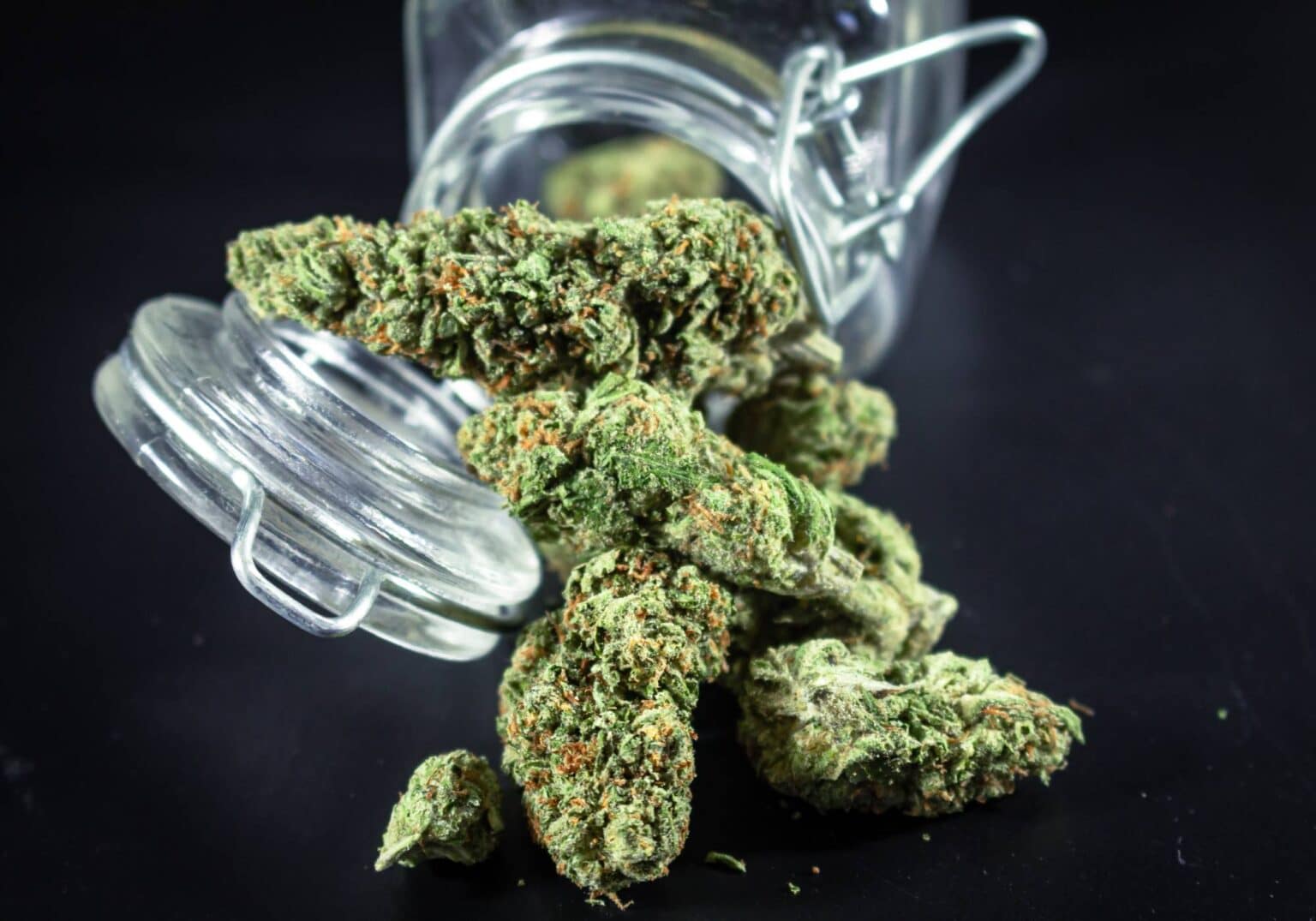

Weed is a term for the dried seeds, stems, leaves, or flowers of the Cannabis plant. While all forms are derived from this single plant, the different varieties of cannabis can have remarkably different effects on people. Understanding these differences, known as strains, is key to comprehending the complex relationship between the plant and its user.
The primary active ingredient in cannabis is a chemical known as delta-9-tetrahydrocannabinol, or THC. This chemical is responsible for the psychoactive effects, which means it can change a person’s mood, awareness, and cognitive function. Another major component is cannabidiol, or CBD. CBD is known for its relaxing effects and is thought to relieve pain without the psychoactive effects of THC.
Key Points About Different Varieties of Weed
- Not all weed is the same. There are different types of weed, each with a unique chemical profile.
- There are three main species of cannabis: indica, sativa, and ruderalis. Most strains today are hybrids that blend the effects of both indica and sativa.
- Indica strains are generally relaxing and provide a “body high,” while sativa strains are energizing and provide a “head high.”
- The effects of a strain are determined by a combination of THC, CBD, and other compounds, like terpenes.
- While some types of cannabis have been described as having therapeutic effects, the use of marijuana can result in dangerous side effects and can be addictive.
If you or a loved one are struggling with a substance use disorder, know that help is available. Hope Harbor Wellness offers comprehensive treatment plans in Atlanta, GA, designed to help you or your loved one reclaim your life. Call us today at 770-573-9546 or fill out our online contact form to speak with a representative and learn more about how we can help.
Different Kinds of Weed Have Different Effects
The potency of a particular strain of weed depends on the ratio of THC to CBD. When the ratio favors a high level of THC with low CBD, the effects are typically more intense. However, when the ratio is more balanced, CBD can counteract or modulate some of the effects of the THC. This is why the specific levels of both chemicals in a strain of weed determine the overall experience a person has.
What different kinds of weed are there? Originally, there were two major types of weed, which were determined by the species of the Cannabis plant they came from. While weed originally came from these two species, breeders have now created hundreds of other hybrid strains that are a mix of the two.
People who use marijuana typically choose a type of weed based on the effect they are hoping to achieve. While each type is known for its general effects, an individual’s personal experience can vary greatly from someone else’s. The method of administration (like smoking versus eating edibles) can also greatly influence the effect the specific type of cannabis will have.
While every person’s experience is unique, there are some general effects associated with each of the main strains of weed.
Major Types of Weed and Effects
The two major types of weed come from two distinct species of the Cannabis plant: Cannabis indica and Cannabis sativa. The different types of cannabis vary not only based on the plant species but also in the effects they have on a person or the kind of high they produce.
Recently, a third species, Cannabis ruderalis, has also been used to make cannabis products. It has lower levels of THC and is primarily used for medicinal marijuana. Additionally, hybrid strains have been created by cross-breeding the two major species. Most of the weed types available today are hybrid strains, combining the characteristics of both.
People often choose a specific strain for a specific purpose. This has led to a vast and complex market of different varieties of weed, each with a unique name and advertised effect. Understanding the lineage of these different strains of weed can help a person predict the kind of experience they might have.
Indica
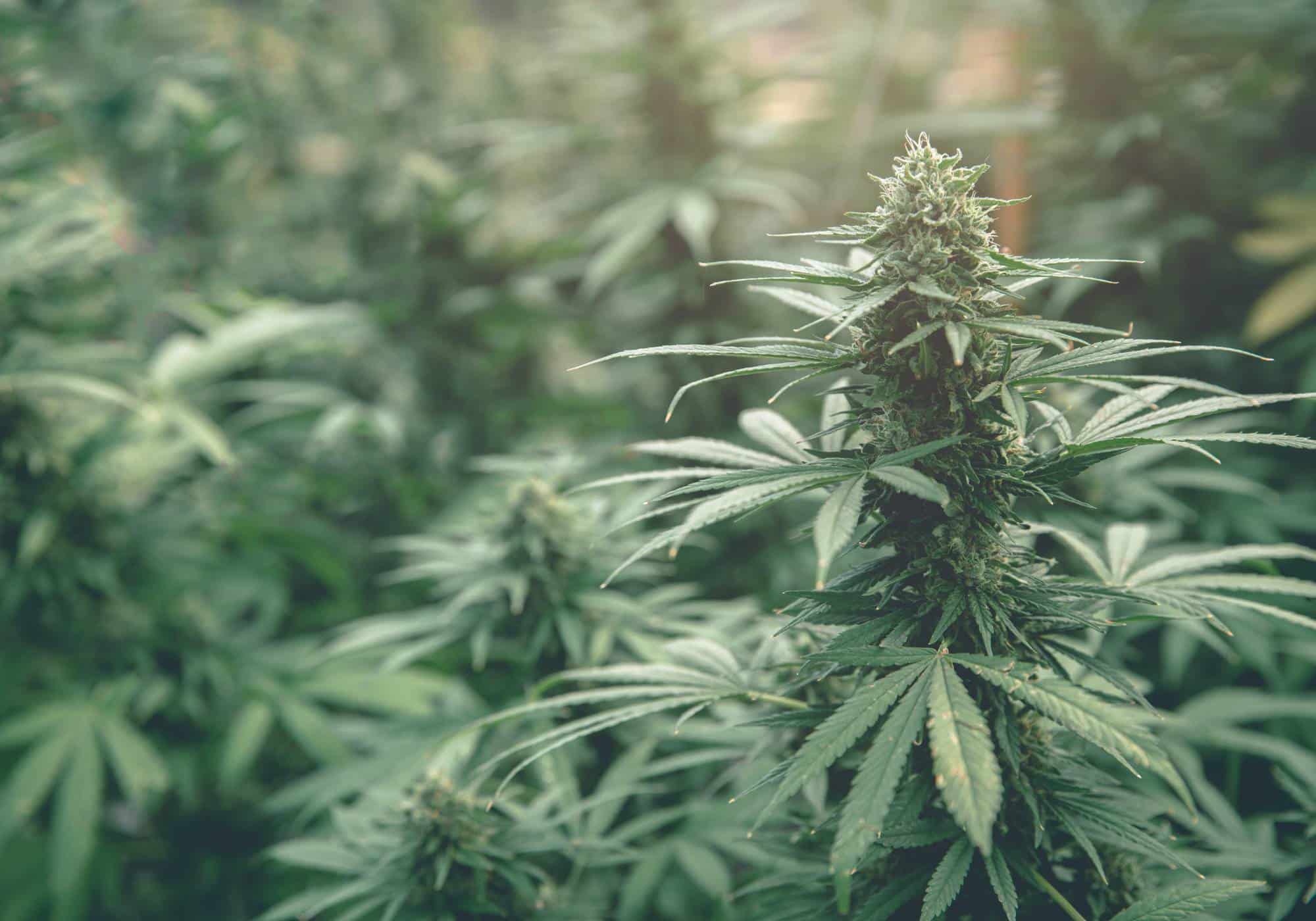
Cannabis indica originated in the Hindu Kush region, near Afghanistan. Because it comes from a cold, mountainous climate, it tends to be a shorter, bushier plant. Its leaves are darker, fuller, and rounder than the sativa plant. The buds tend to grow in dense clumps.
C. indica produces large amounts of THC and low levels of CBD, and is therefore considered a strong weed. Its effects tend to be very relaxing or sedating, sometimes causing people who use it to feel a desire to stay on the couch, often referred to as “couch lock.” For this reason, it is commonly used at night before going to bed. The physical relaxation it provides creates more of a “body high.”
Because of its sedative effects, indica is often used by people who experience insomnia. A recent study showed that more people found relief from insomnia and pain when using the indica strain compared to sativa. This effect may be a result of its high THC content and unique terpene profile, which we’ll explore later.
Sativa
Cannabis sativa originates from warmer climates, such as Mexico and South Africa, and tends to grow very tall with long, thin leaves. It will flower under certain light conditions, which requires darkness for more than 11 hours a day.
C. sativa typically has lower levels of THC compared to indica and higher levels of CBD, giving it a more even chemical balance. These sativa strains are known for their energizing effects. People often consume weed from these strains in the morning or afternoon. Some people claim that the strain allows them to focus more and be more creative. C. sativa is also described as giving a cognitive or “head high” versus the body high associated with indica.
Due to its mood-lifting and energizing effects, sativa tends to be used by people who have depression or exhaustion. It has also been described as relieving some of the symptoms of ADHD and other mood disorders, making it a popular choice for daytime use.
Hybrid
Hybrid strains are made by cross-pollinating the two common species of Cannabis in an attempt to combine the effects of both. Most strains commonly grown today are hybrids rather than pure indica or sativa.
The hybrids are usually described based on their dominant effect. For example, a sativa-dominant strain will be more likely to provide energizing effects and a head high, while an indica-dominant strain will be more relaxing. Balanced hybrids aim to offer the best of both worlds, providing a mix of cerebral and physical effects.
Ruderalis
Cannabis ruderalis is another species that was first discovered in southern Russia. C. ruderalis grows shorter than the other two weed types and has thin, fibrous stems with large leaves. It is also an autoflowering plant, which means it will flower based on its age rather than light conditions.
C. ruderalis has very low levels of THC compared to the other types of cannabis, making it rarely used for recreational purposes. It is more commonly used in medicinal marijuana due to its autoflowering properties, which make it easier to cultivate, and its lower psychoactive effects.
The Science Behind the Strains: Terpenes and Cannabinoids
While THC and CBD are the most well-known compounds in cannabis, they are not the only ones that determine a strain’s effects. The unique properties of each strain are largely due to a synergistic interaction between various compounds, including other cannabinoids and a class of aromatic molecules called terpenes.
- Cannabinoids: Beyond THC and CBD, there are over 100 other cannabinoids in the cannabis plant. These include CBG (cannabigerol), CBC (cannabichromene), and CBN (cannabinol), each of which can contribute to the overall effect. For instance, CBN is a byproduct of THC degradation and is thought to have sedative effects, contributing to the “couch lock” feeling. CBG is often referred to as the “mother of all cannabinoids” because other cannabinoids are synthesized from it. Its potential effects are still being researched but are believed to include anti-inflammatory properties.
- Terpenes: Terpenes are what give different strains of weed their distinct aromas and flavors, ranging from citrus and pine to earthy and skunky. They are not unique to cannabis; they are found in countless other plants, including lavender, pine trees, and lemons. In cannabis, however, they are believed to work with cannabinoids to influence the overall effect—a concept known as the “entourage effect.”
For example:
- Myrcene: The most common terpene, also found in hops and mangoes. It has an earthy, musky aroma and is associated with sedative, relaxing effects, making it a key component in many indica strains.
- Limonene: Found in citrus fruits, this terpene has a bright, citrusy smell. It is associated with mood elevation and stress relief, making it a common terpene in many sativa varieties.
- Pinene: Found in pine needles and rosemary, this terpene has a distinct pine aroma. It is believed to promote alertness and memory retention, potentially counteracting some of the short-term memory issues caused by THC.
The specific combination of THC, CBD, and terpenes creates the complex profile of each strain. This is why two strains with similar THC content can produce very different experiences. The “entourage effect” means the whole plant, with all its compounds working together, is more effective than any single compound alone.
Common Types of Weed Strains and Their Effects
There are certain types of weed strains that are more common than others, and some that are coveted for their extraordinary effects. With the ability to make hybrids that blend the effects of both indica and sativa strains, there are now “designer strains” of weed that are bred for maximum quality and specific results.
New types of weed sometimes have interesting names, which are usually based on their effects, origin, or how they look or smell. Some examples include Purple Urkle, Willy’s Wonder, Permafrost, Pineapple Express, Strawberry Cough, and Island Sweet Skunk.
The following are some of the most common or coveted types of weed and the effects they are known to have:
- Sour Diesel: This is a hybrid strain that has mostly the highly energizing effects of a sativa, but also some of the physical relaxation properties of an indica. It is very potent in THC. The high usually results in a head rush and is named for the gasoline-like chemical smell of its flowers. The medium-sized buds have yellowish-green leaves and a sour or skunky taste. Sour Diesel is often used by people who have mild stress, anxiety, or depression. It has also been reported to relieve body aches and pains and increase appetite. In some people, the high from Sour Diesel can be overwhelming and lead to feelings of paranoia, most likely due to its high THC content.
- Purple Kush: This is a pure indica strain that provides a full and relaxing body high. It has a high THC composition. The name “Purple Kush” comes from the color of its purple leaves and the fact that one of its parent strains originated in the Kush region near Afghanistan. It is one of the most popular Kush strains used. Because of its ability to induce physical relaxation, it is commonly used by people who have chronic pain, depression, or anxiety. It is also used by people who want to relieve situational or temporary pain.
- Blue Dream: This is another hybrid strain of weed that is slightly sativa-dominant. It gives an energetic, cerebral high that can increase motivation and heighten focus. Some people describe it as having relaxing and pain-relieving effects. Its name comes from the fact that its origin is unknown, making it like a dream. It has a sweet taste that some describe as similar to blueberries and sugar. People with chronic fatigue, depression, or a lack of appetite have described Blue Dream as having therapeutic effects that improve these conditions. People have also described it as relieving chronic pain and migraines.
When Chasing Strains Becomes a Problem
The wide array of cannabis strains and their advertised effects, from relaxation to creativity, can make it seem like a harmless way to manage everyday issues. For some, however, the pursuit of a specific feeling or high can quickly spiral into a pattern of compulsive use, leading to a substance use disorder.
The desire to find the “perfect” strain—one that perfectly relieves anxiety, sparks creativity, or eases pain—can lead to increased tolerance. As tolerance builds, a person needs to use more of the substance or seek out more potent strains to achieve the same effect. This cycle of chasing a feeling and needing to use more to get it is a hallmark of addiction.
Using cannabis as a way to cope with underlying mental health issues like anxiety or depression can be particularly risky. While a strain might provide temporary relief, it often masks the symptoms without addressing the root cause. This can lead to a dual diagnosis, where a person is struggling with both a mental health disorder and a substance use disorder.
Over time, this reliance on weed can lead to a number of negative consequences. A person may neglect responsibilities at work or school, strain relationships with family and friends, or experience financial hardship. The “harmless” habit can become a central part of a person’s life, taking priority over everything else. Recognizing this pattern is the first step toward seeking help.
The Dangers of Unregulated Cannabis
While cannabis use is becoming more accepted and even legal in some places, it is important to remember that the industry is not always regulated. For many people, their source for the different varieties of weed is the black market. This introduces a number of serious risks that are often overlooked.
Unregulated products may contain contaminants like pesticides, heavy metals, or mold, which can cause serious health problems. The potency of the product can also be wildly inconsistent. A person might believe they are getting a certain type of cannabis with a specific THC content, only to find the actual potency is much higher, leading to overwhelming effects and an increased risk of paranoia, anxiety, or even psychosis.
Furthermore, a lack of regulation means there is no guarantee that the product is what it is labeled to be. A user may think they are getting a relaxing indica when they are actually getting a stimulant-heavy sativa. This can lead to unexpected and potentially dangerous reactions, especially for individuals who are sensitive to the effects of THC or who have underlying health conditions. The pursuit of the different types of cannabis can become a gamble with a person’s health and well-being.
The Dangers of Laced Weed
In the unregulated world of street-level marijuana, a silent and dangerous threat exists: laced weed. While people may think they are simply using different varieties of weed, they could be unknowingly exposing themselves to a cocktail of unpredictable and highly dangerous substances. “Laced weed” is cannabis that has been mixed or “adulterated” with other drugs or harmful chemicals. This is most often done by dealers for a few reasons: to increase the weight of their product for more profit, or to intentionally make the effects of the weed stronger or different, with the goal of getting a user hooked on a more addictive substance.
The biggest danger is that the person using the weed has no idea what they are truly consuming. A user might think they are getting a relaxing strain of weed, only to be hit with the sudden, overwhelming effects of a potent stimulant. The combination of unknown chemicals can lead to severe and unpredictable reactions.
Common substances used to lace weed include:
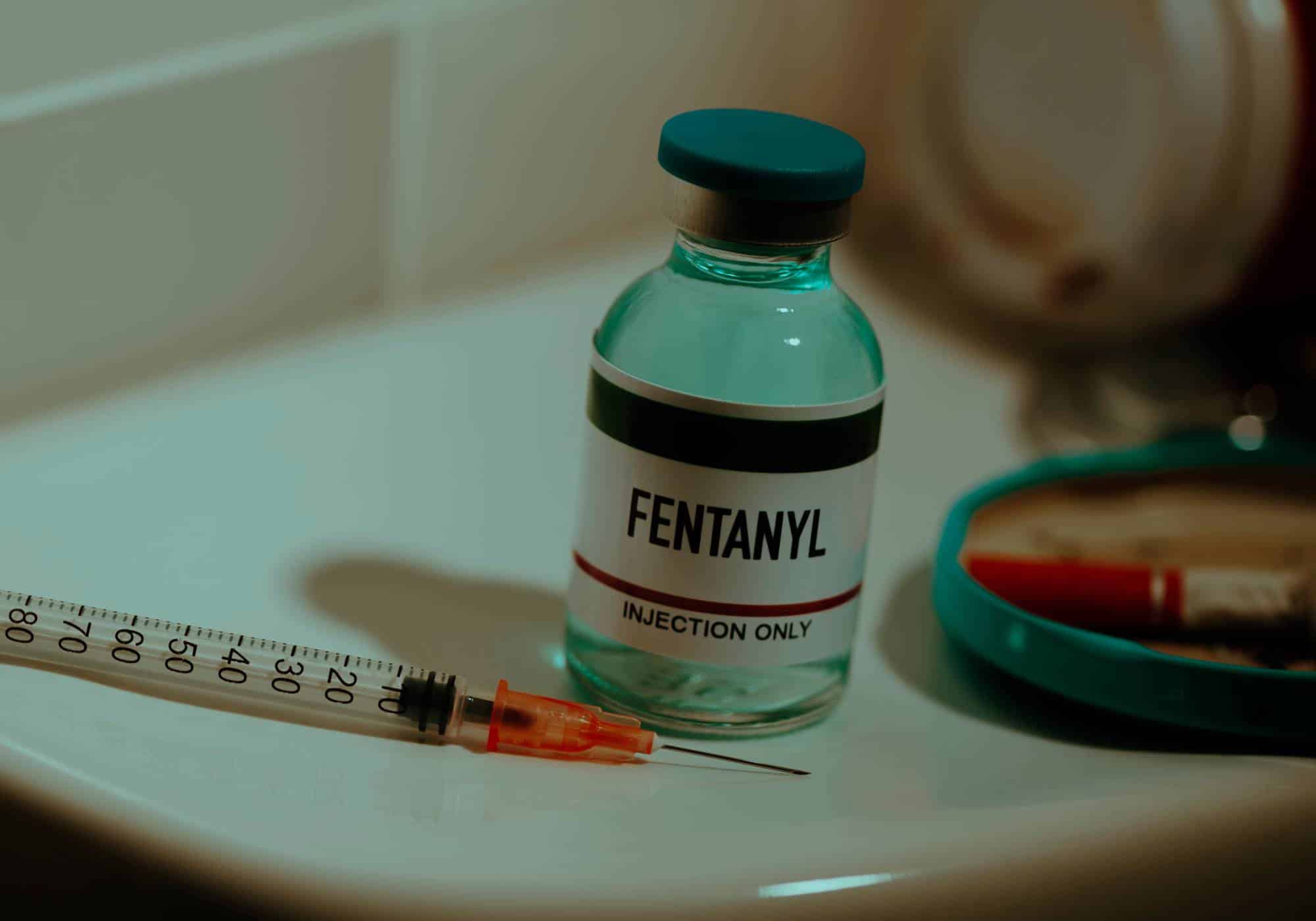
- Fentanyl: This is an extremely potent synthetic opioid, up to 100 times stronger than morphine. Even a tiny amount can be lethal, and overdoses from fentanyl-laced weed have become a rising concern. Since a user is not expecting a powerful opioid, they may not recognize the signs of an overdose—such as slowed breathing and loss of consciousness—until it’s too late.
- Cocaine or Methamphetamine: These are powerful stimulants. A person expecting the relaxing effects of cannabis may suddenly experience a rapid heart rate, anxiety, paranoia, or even hallucinations. This unexpected mix of effects can be physically and psychologically jarring and dangerous.
- PCP or LSD: These are potent hallucinogenic or dissociative drugs. When smoked unknowingly, they can cause a severe disconnect from reality, intense hallucinations, confusion, and aggressive behavior.
- Non-Drug Contaminants: In a desperate attempt to add weight or mask poor quality, dealers have been known to lace weed with substances like crushed glass, lead, or even pesticides. Inhaling these can cause serious respiratory damage, lung infections, and other long-term health problems.
The risks associated with laced weed are both immediate and long-term. The most pressing risk is a life-threatening overdose, especially when a potent opioid is involved. Beyond that, a person may develop a new and often more severe addiction to the substance they didn’t even know they were using. This creates a difficult dual-diagnosis scenario, where a person is struggling with both a cannabis use disorder and a new addiction that they were unaware they had.
It is often impossible to tell if weed has been laced just by looking at it. While some laced weed may have an unusual smell or appearance, many times there are no clear signs. This underscores the inherent risk of obtaining cannabis from any unregulated source. The only way to truly protect yourself from these dangers is to avoid unregulated substances completely. If you or a loved one is struggling with substance use, whether it’s with a specific type of cannabis or a substance you are unknowingly using, reaching out for professional help is the safest and most effective path to recovery.
When to Seek Help for Marijuana Abuse
It can be challenging for a person or their loved ones to determine when a person’s relationship with a substance has crossed the line from use to addiction. The signs are not always obvious, and they can be easily rationalized. However, if you notice any of the following signs, it may be time to consider seeking professional help at an addiction treatment center in Atlanta.
- Loss of Control: You find yourself using more cannabis than you planned or using it more frequently. You try to cut back or stop but are unable to.
- Neglecting Responsibilities: Your use of marijuana is causing you to miss work, school, or other important commitments. You are neglecting your family or personal hygiene.
- Relationship Problems: Your use of cannabis is causing conflicts with loved ones. You may withdraw from social activities and friends who don’t use.
- Increased Tolerance: You need to use more and more of a specific strain of weed to get the same effects you once did.
- Physical and Psychological Symptoms: You experience withdrawal symptoms when you stop using, such as irritability, sleep problems, or cravings. You continue to use despite experiencing negative health consequences.
Marijuana addiction is a complex condition that often co-occurs with other mental health issues like anxiety, depression, and trauma. A person may have started using different strains of weed to self-medicate for these issues, and now they are struggling with both. This is why professional, integrated care is so important.
The Path to Recovery: Professional Help for Marijuana Addiction in Atlanta, GA
The journey to recovery from a substance use disorder is a personal one, but it is not a journey you have to take alone. A professional drug rehab in Atlanta, GA, provides a supportive and structured environment where individuals can begin their path to healing.
At Hope Harbor Wellness, we offer outpatient care, from medically supervised detox to intensive outpatient treatment and partial hospitalization programs. Our approach is holistic, treating not only the substance use but also the underlying mental health conditions that so often contribute to addiction.
Our team of compassionate professionals understands the complexities of addiction and mental health. We use evidence-based therapies like Cognitive Behavioral Therapy (CBT) and Dialectical Behavior Therapy (DBT) to help you develop the coping skills and emotional regulation needed to manage triggers and cravings. Our therapy sessions are tailored to your unique needs, helping you uncover the root causes of your substance use.
In our peaceful and supportive environment in Atlanta, GA, you will find a community of people who understand what you are going through. We believe in the power of connection and offer group therapy sessions and peer support to help you feel less alone. We also provide family counseling to help repair damaged relationships and build a strong support system for your recovery.
Recovery is possible, and it starts with a single step. Contact us today at 770-573-9546 or fill out our online contact form, we are here to help you take that step.
Types of Weed Frequently Asked Questions
What does “strain” mean in weed terms?
In weed terms, a “strain” refers to a specific variety of the cannabis plant. Each strain has a unique combination of cannabinoids and terpenes, which gives it a distinct aroma, flavor, and effect. You can think of strains like different breeds of dogs—they are all the same species, but they have different characteristics.
What is the strongest weed strain in 2024?
The “strongest” strains are those with the highest THC content. While this can change with new breeding techniques, some of the most potent strains that have been popular in 2024 include strains like Godfather OG, Gorilla Glue, and Future #1, which can have THC levels over 30%. However, it’s important to remember that potency does not always equal a better or more enjoyable experience, as high THC levels can increase the risk of negative side effects.
What is the most potent strain of weed in 2024?
This is the same question as above. The most potent strains are those with the highest THC content. These strains, such as Godfather OG and Future #1, are often bred for maximum strength and are typically recommended for experienced users due to their powerful effects.
How many strains of weed are there in the world?
There is no exact number, but it is estimated that there are over 700 unique strains of cannabis in the world, with new ones being developed constantly through cross-breeding. The number is always growing as cultivators experiment with different varieties of cannabis to create new ones.
What does “OG” mean in weed strains?
The acronym “OG” in weed strains has a few potential meanings, and its exact origin is debated. The most popular theory is that it stands for “Original Gangster,” a term from hip-hop culture that was adopted to describe strains that were highly respected and sought after. Another theory suggests it means “Ocean Grown,” referring to strains cultivated near the coast in California.
What are some of the main side effects of using different varieties of weed?
The side effects of using cannabis can vary depending on the person, the potency, and the type of cannabis. Common side effects include dry mouth, red eyes, and increased heart rate. Some people may also experience anxiety, paranoia, impaired coordination, or short-term memory problems, especially with high-THC strains.
Can I get addicted to different breeds of weed?
Yes, you can develop a substance use disorder or addiction to marijuana, regardless of the strain. The risk of addiction is higher for people who use frequently and at a high dosage. Signs of addiction include using more than intended, having cravings, and experiencing withdrawal symptoms when you stop.