
In an ideal world, all prescription medications would be stored properly in a labeled bottle. However, medications can get misplaced or fall out of their containers, contributing to millions of medication errors every year. For a parent or loved one, finding an unmarked pill on the counter can be a moment of serious concern, especially if you suspect it might be a potent opioid. For someone in recovery, accidentally mistaking a pill for something else could be a dangerous and life-threatening mistake.
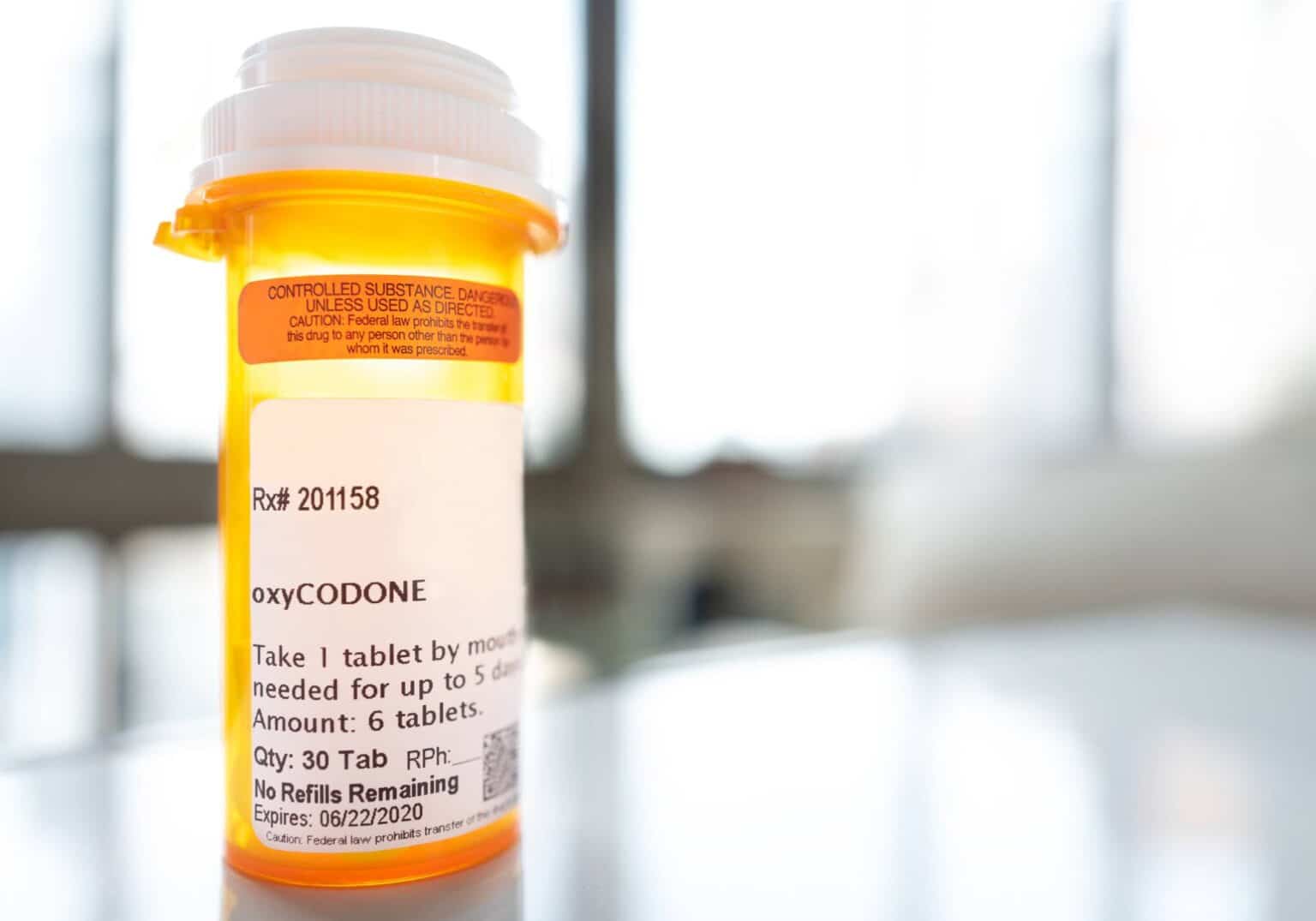
Prescription opioids like oxycodone are especially crucial to identify. Ingesting too much or mixing them with other substances can lead to severe adverse effects and overdose. In Georgia, opioid overdoses remain a serious public health concern, with many incidents linked to prescription misuse. Without intervention, oxycodone overdose can lead to brain damage and even death. Hope Harbor Wellness is committed to providing relevant and up-to-date information on substance use, including opioids like oxycodone. Knowing how to perform an oxycodone pill identification can help prevent unintentional harm and empower you to recognize the signs of an opioid use disorder. Let’s explore the various ways you can identify oxycodone and ensure safety.
If oxycodone use has become harder to control, our oxycodone addiction treatment program offers structured outpatient care with same-day assessments available.
What You Should Know About Oxycodone
Oxycodone is a powerful opioid medication commonly prescribed to manage moderate to severe pain, particularly after surgery, injury, or in the case of chronic pain conditions like fibromyalgia. It is similar to other opioids, such as morphine and hydrocodone. It works by altering the way the brain and nervous system respond to pain. When you take oxycodone, it binds to opioid receptors in the brain, spinal cord, and other parts of the body. This binding action blocks pain signals and releases a rush of feel-good chemicals, like dopamine, which creates a feeling of euphoria.
While oxycodone is effective for pain relief, it carries significant risks, including physical dependence, tolerance, and overdose. As a person's body grows accustomed to the substance, they may need to take higher doses to achieve the same effect, which is known as tolerance. This can lead to a dangerous cycle of increasing use. Dependence can happen even if a person takes the medication exactly as directed for legitimate reasons, which is why it's so important to be aware of the signs and to have an open conversation with your doctor.
The Importance of Identifying Oxycodone Pills
Knowing what does oxycodone look like is crucial for several reasons, including ensuring proper dosage, avoiding counterfeit substances, preventing misuse, and promoting overall safety. Oxycodone is a potent substance, and taking the wrong dosage or an unverified pill can lead to serious health risks, including overdose and death.
Ensuring Correct Dosage: Oxycodone comes in different strengths and formulations, including immediate-release and extended-release pills. The dosage can range from 5 mg to 80 mg. Proper oxycodone pill identification ensures that individuals take the correct dosage, preventing overdose or under-medication. Taking too little may not manage pain, while taking too much can be lethal.
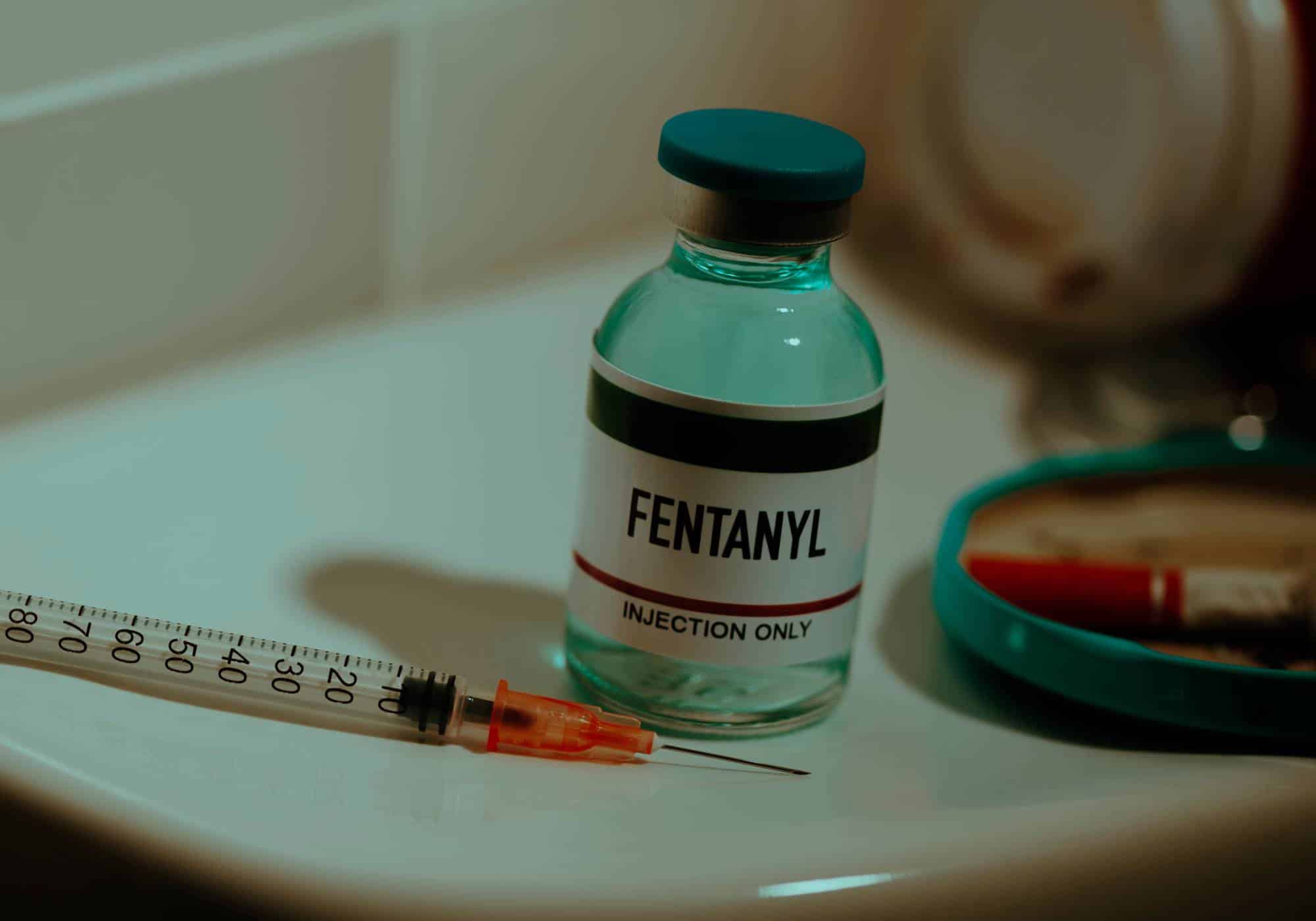
Avoiding Counterfeit Pills: The opioid crisis has led to a surge in counterfeit oxycodone pills. These fake pills often look identical to the real ones but can contain dangerous substances like fentanyl, which is far more potent than oxycodone and can cause an overdose in very small amounts. Proper pill identification helps you avoid taking potentially lethal substances.
Preventing Misuse: Knowing what does oxycodone look like ensures that someone doesn’t accidentally take the wrong medication, particularly in homes where multiple people may be prescribed different medications. This is especially important for children or teenagers who may not be aware of the dangers.
Medication Safety: Oxycodone pills can look similar to other medications. Confusing them with non-opioid pain relievers or other substances can lead to unintended consequences. Identifying the pill before taking it helps ensure the right medication is used and that no accidental consumption occurs.
What Oxycodone Looks Like: A Detailed Guide
When you're asking, what does oxy look like, it's important to know that the answer can vary widely. Oxycodone pills come in various shapes, sizes, and colors depending on the brand, formulation, and dosage. The appearance of oxycodone can vary based on whether it’s an immediate-release (IR) or extended-release (ER) formulation, as well as if it’s a generic or brand-name product. Oxycodone is also available in combination with other medications, such as acetaminophen, which can affect the appearance of the pill.
Immediate-Release Oxycodone (IR): These are typically small and round and come in various colors depending on their strength. The pills are almost always imprinted with numbers and letters that identify the manufacturer and dosage.
What does a 5 mg oxycodone look like? This is often a small, round white pill. A common generic version might be imprinted with "M" on one side and "5" on the other.
What does a 10 mg oxycodone look like? This is often a round white or yellow pill, sometimes imprinted with "10" on one side and a letter/number combination on the other.
What does a 15 mg oxycodone look like? This is usually a round peach-colored pill with a specific imprint.
What does a 30 mg oxycodone look like? This is commonly a small, round blue pill, often with a letter and the number "30" imprinted on it. These are frequently abused and are often counterfeited with fentanyl.
Extended-Release OxyContin (ER): The brand-name OxyContin is specifically an extended-release form of oxycodone. The original formulation was a small, round, bi-concave pill, but the current version is designed to be abuse-deterrent. What does oxycontin look like will depend on its strength:
10 mg: A round, white pill, imprinted with “OP” on one side and “10” on the other.
20 mg: A round, gray or pink pill, imprinted with “OP” on one side and “20” on the other.
40 mg: A round, yellow pill, imprinted with “OP” on one side and “40” on the other.
80 mg: A round, green pill, imprinted with “OP” on one side and “80” on the other.
Combination Pills: Oxycodone is also combined with other medications like acetaminophen to enhance pain relief. These are often known by brand names like Percocet or Roxicet. What do oxycodone pills look like in this form? They are typically small and round or oblong, and they are available in colors like white, peach, yellow, or light orange, with imprints indicating the strength and manufacturer.
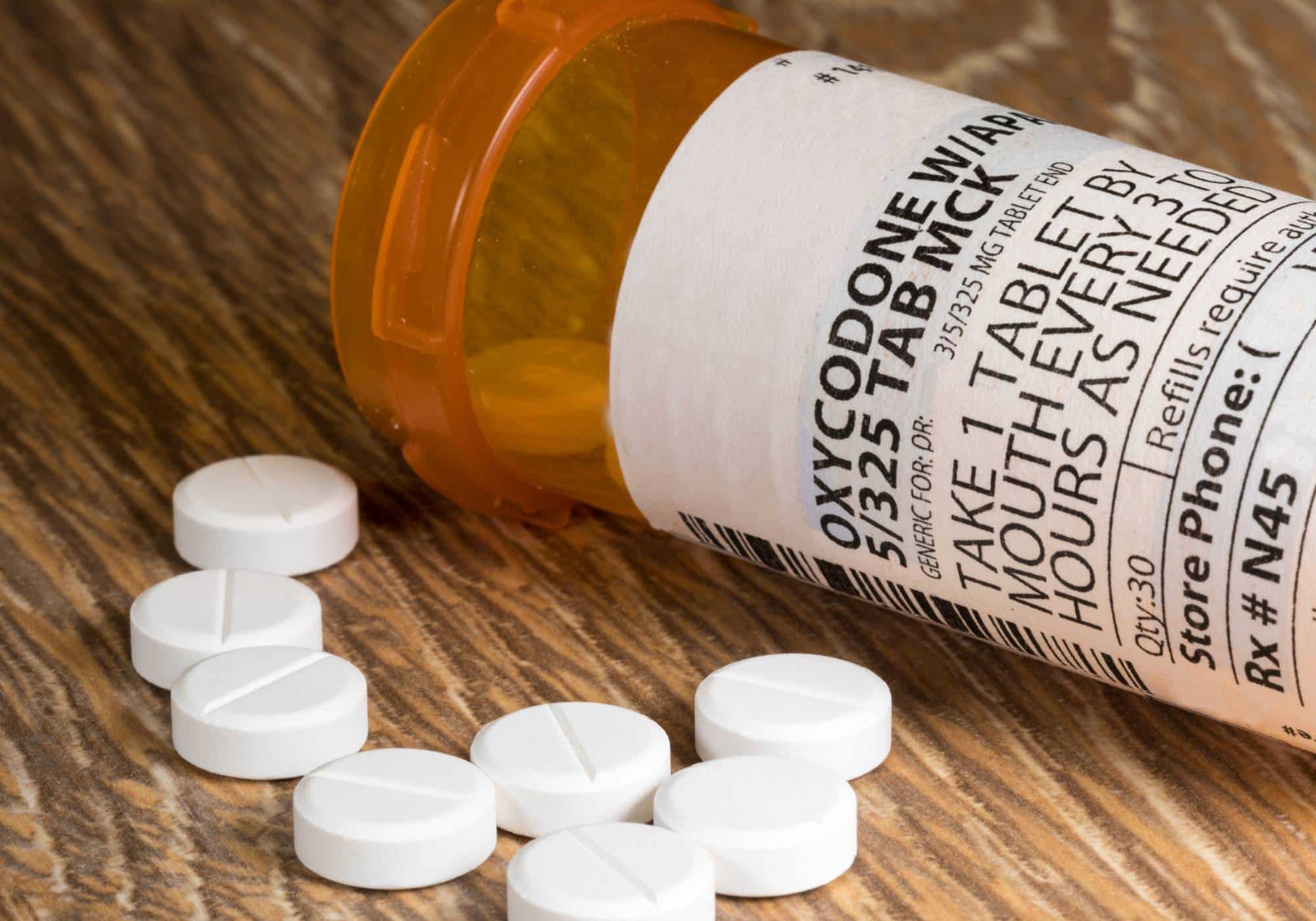
The Dangers of Fentanyl in Counterfeit Oxycodone
For anyone trying to perform oxycodone pill identification, one of the most significant dangers is the presence of fentanyl in counterfeit pills. Fentanyl is a synthetic opioid that is up to 100 times more potent than morphine and 50 times more potent than heroin. It is being illegally manufactured and pressed into pills that look identical to prescription oxycodone. A dose as small as two milligrams—the size of a few grains of salt—can be lethal.
These counterfeit pills, sometimes called "M30s" or "blues," are a major driver of the overdose crisis in Atlanta and across the country. An unsuspecting individual who thinks they are taking a single 30 mg oxycodone pill could actually be ingesting a lethal amount of fentanyl. Because fentanyl is so cheap and easy to produce, it has become a lucrative substance for drug dealers. If you are not getting your oxycodone from a licensed pharmacy with a valid prescription, you should assume that it is a counterfeit and that it contains fentanyl. No amount of careful pill identification can guarantee its safety.
What Happens When Oxycodone Is Mixed With Other Drugs?
When oxycodone is mixed with other substances, it can lead to dangerous and potentially life-threatening interactions. Because oxycodone is an opioid, it depresses the central nervous system and slows down vital functions like breathing, heart rate, and mental alertness. Combining it with other depressants can greatly enhance these effects, increasing the risk of overdose, respiratory failure, or death.
Oxycodone and Alcohol: One of the most dangerous interactions is between oxycodone and alcohol. Both substances are central nervous system depressants, and when taken together, their effects are amplified. This greatly increases the risk of respiratory depression, where breathing becomes dangerously slow or stops altogether.
Oxycodone and Benzodiazepines: Benzodiazepines, or "benzos," are a class of medications used to treat anxiety, panic disorders, and insomnia. Mixing them with oxycodone can lead to profound sedation, respiratory depression, coma, and death. This combination is extremely dangerous and a leading cause of fatal overdoses.
Oxycodone and Antidepressants: Mixing oxycodone with certain antidepressants can increase the risk of serotonin syndrome, a potentially life-threatening condition where there is too much serotonin in the brain. Symptoms can include confusion, agitation, high blood pressure, and a rapid heart rate.
Oxycodone and Stimulants: Stimulants like cocaine or methamphetamine have the opposite effect of oxycodone, increasing heart rate and blood pressure. Mixing the two can put extreme strain on the heart and body, leading to unpredictable effects, including heart attack or stroke.
Understanding the Signs of Oxycodone Misuse
Beyond knowing what does a 5 mg oxycontin look like, it is also crucial to recognize the behavioral and physical signs of opioid misuse.
If you are concerned about a loved one, look for these warning signs:
Behavioral changes: Stealing from family or friends, lying about their whereabouts, or isolating themselves from loved ones.
Physical changes: Constricted or "pinpoint" pupils, drowsiness, changes in sleep patterns, and unexplained weight loss.
Emotional changes: Sudden mood swings, irritability, or increased anxiety.
Drug-seeking behavior: Visiting multiple doctors to get prescriptions ("doctor shopping"), or displaying extreme cravings for the medication.
These signs are a clear indication that a person may need professional help.
The Road to Recovery: How an Outpatient Program Can Help
If you or a loved one is experiencing dependence or addiction to oxycodone, it’s important to know that help is available. As a potent opioid, the prolonged use of oxycodone can lead to serious health issues, including overdose. Fortunately, there are various treatment options available to help individuals recover, and for many, an outpatient program is the right fit.
Medication-Assisted Treatment (MAT): This is a highly effective approach that combines the use of FDA-approved medications, such as Suboxone or Vivitrol, with counseling and behavioral therapies. These medications can help reduce cravings and withdrawal symptoms, giving a person the stability they need to focus on the psychological components of recovery.
Evidence-Based Therapies: To address the psychological components of oxycodone misuse, individuals should participate in counseling and behavioral therapies, such as Cognitive Behavioral Therapy (CBT), group therapy, and family therapy. These therapies can help a person build healthy habits, change attitudes and behaviors related to substance use, and address the root causes of their addiction.
At Hope Harbor Wellness, we offer comprehensive outpatient treatmentfor individuals struggling with substance use disorders. Unlike residential programs, outpatient care allows you to continue living at home while receiving a high level of support and therapy. This flexible approach is ideal for those who need to balance their recovery with work, school, or family obligations.
People often search pill identification when they are worried about misuse, relapse, or a loved one’s safety. Our oxycodone addiction treatment program and outpatient drug detox help clients take the next step safely and quickly.
What to Do if You Find Oxycodone
If you find oxycodone, whether in your home, workplace, or somewhere else, it’s important to handle the situation with care. If the pills are in a labeled bottle, identify who the medication belongs to and ensure it is stored securely. For loose oxycodone, or if you are concerned about misuse, use an online pill identifier to confirm the dosage and formulation. If you suspect the medication is being misused by a loved one, it may be a sign of opioid use disorder, and the best course of action is to encourage them to seek professional help. If you do not know who the prescription belongs to, you can take the next steps to dispose of the medication properly. Many local law enforcement agencies and pharmacies have take-back programs that allow for the safe and anonymous disposal of medications.
Oxycodone Addiction Treatment in Atlanta, GA
For those who are struggling with oxycodone addiction, it is a serious issue that requires immediate attention. Understanding what does oxycodone pills look like is a critical first step, but it is just one part of a larger conversation about safety and recovery. At Hope Harbor Wellness, we offer a comprehensive path to healing through evidence-based and holistic care. If you or a loved one is in need of help, we are here to support you. Contact us today at 770-573-9546 or fill out our online contact form to learn more about our programs.
FAQs About Oxycodone Identification and Treatment
What is the difference between OxyContin and oxycodone?
Oxycodone is the active ingredient. OxyContin is a brand name for an extended-release version of oxycodone, designed to provide long-lasting pain relief.
What are the most common oxycodone pill colors?
The most common colors for oxycodone pills are white, yellow, pink, and blue, depending on the dosage and whether it is a brand-name or generic version.
What does a 5 mg oxy look like?
A 5 mg oxycodone pill is typically a small, round white pill, often with a number or letter imprint on it that identifies the manufacturer and dosage.
How can I tell a counterfeit oxycodone pill from a real one?
It is nearly impossible to tell a counterfeit pill from a real one just by looking at it. Counterfeit pills are often made to look identical to the real ones but can contain lethal amounts of fentanyl. The only way to ensure safety is to get your medication from a licensed pharmacy with a valid prescription.
Is it safe to get high from oxycodone?
No, it is never safe to use oxycodone recreationally. The risk of overdose is extremely high, especially with the prevalence of counterfeit pills that contain fentanyl.
How can an outpatient rehab help with oxycodone addiction?
An outpatient program offers a flexible treatment schedule with therapy, counseling, and medication-assisted treatment to help a person address the physical and psychological aspects of addiction while living at home.
Oxycodone Overdose: Signs and Emergency Response
Oxycodone overdose is a life-threatening emergency. Call 911 immediately if someone may have taken oxycodone and has slowed or stopped breathing, blue or gray lips or fingertips, choking or gurgling sounds, extreme sleepiness, pinpoint pupils, or cannot be awakened.
If naloxone, also known as Narcan, is available, give it while waiting for emergency services. The CDC recommends calling 911, giving naloxone if available, keeping the person awake and breathing, laying the person on their side to prevent choking, and staying with them until help arrives.
Georgia overdose protection note: Georgia’s 911 Medical Amnesty Law may provide limited legal protection for people who seek emergency medical help during a suspected overdose. Do not let fear of getting in trouble delay a 911 call.
If this situation involves self-harm thoughts or emotional crisis, call or text 988 for the 988 Suicide & Crisis Lifeline.
When Oxycodone Identification Leads to Bigger Questions
People search “what does oxycodone look like” for many reasons. Some are trying to identify a pill found at home. Some are worried about what a loved one may be taking. Others are using oxycodone themselves and wondering whether their use has become harder to control.
Oxycodone is a Schedule II controlled opioid. Even when it starts with a prescription, regular use can lead to tolerance, withdrawal symptoms, cravings, and physical dependence. Concern is especially serious if someone is taking oxycodone more often than prescribed, using pills from outside a pharmacy, mixing it with alcohol or benzodiazepines, crushing or snorting pills, or repeatedly trying to stop and returning to use.
If this page brought up bigger concerns than pill identification, that concern is worth taking seriously. A confidential conversation with a treatment professional can help you understand whether detox, medication-assisted treatment, PHP, IOP, or a higher level of care may be appropriate.
Oxycodone Addiction Treatment Near Atlanta, GA
If oxycodone use has become difficult to stop, effective outpatient treatment options are available. Hope Harbor Wellness in Hiram, GA serves adults throughout Metro Atlanta and Northwest Georgia with structured care for opioid use disorder, prescription opioid misuse, relapse risk, and co-occurring mental health symptoms.
Outpatient Opioid Detox
Clinical support for opioid withdrawal when outpatient care is safe and appropriate, including monitoring, medication support, and step-down planning.
Learn about outpatient detox →MAT: Suboxone & Vivitrol
Medication-assisted treatment for opioid use disorder may include buprenorphine or naltrexone as part of a broader plan with counseling and recovery support.
Learn about MAT →PHP Program
High-structure outpatient treatment for adults who need more support than weekly therapy while still returning home outside treatment hours.
Learn about PHP →IOP Near Atlanta
Flexible outpatient treatment several days per week for clients balancing recovery with work, family, school, or other responsibilities.
Learn about IOP →Talk to Admissions Confidentially
If you are worried about oxycodone use, relapse, counterfeit pills, or withdrawal, our admissions team can help you understand the safest next step.
Call 770-573-9546 | Verify Insurance | Oxycodone Addiction Treatment
Medical Safety References
This article is for informational purposes only and should not be used to identify or take any medication without confirmation from a licensed pharmacist, prescriber, or poison control professional. If you provide a clinician name, credentials, and review date, this section can be converted into a formal “medically reviewed by” block.