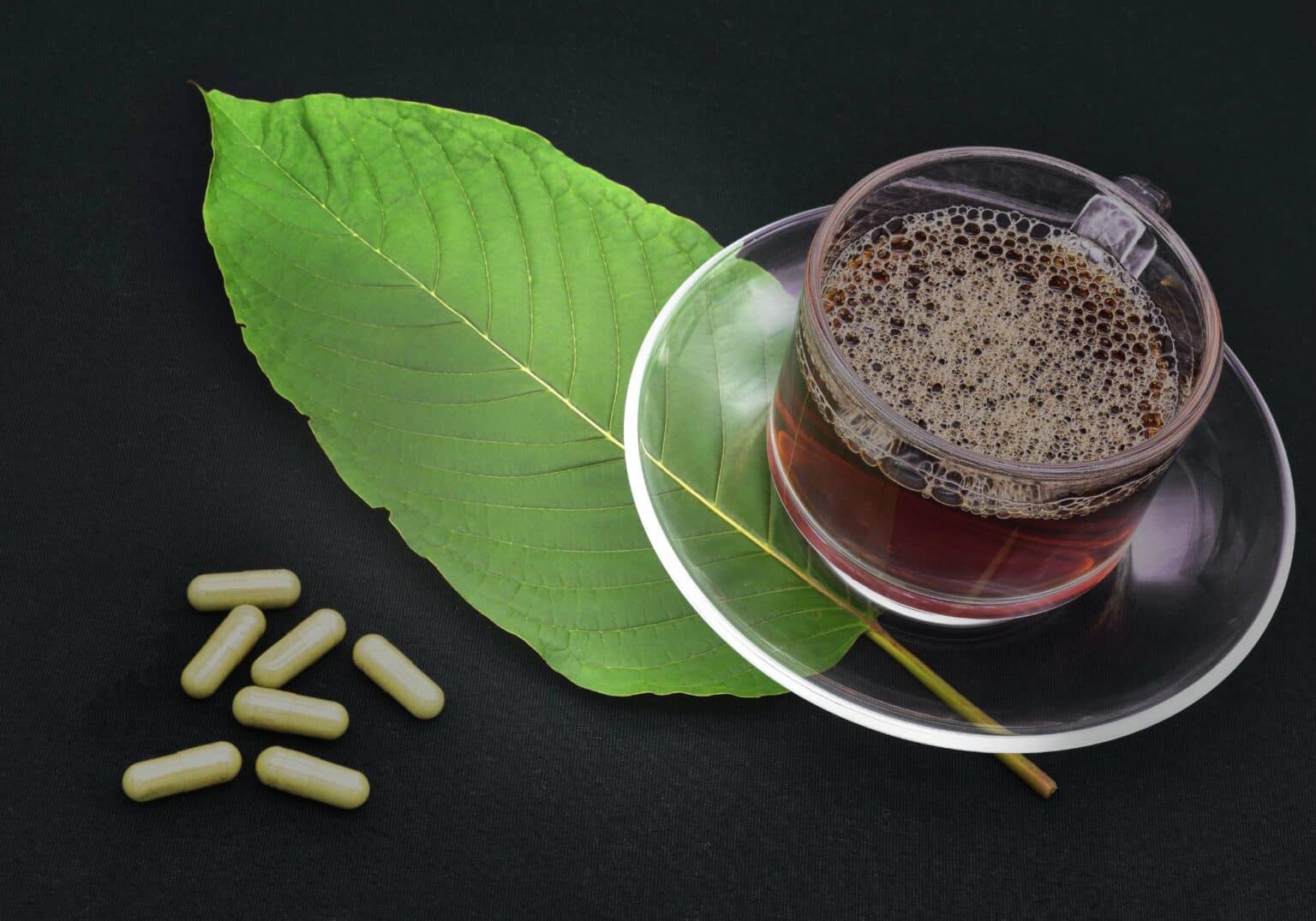

Kratom, an herbal botanical derived from the Mitragyna speciosa tree, is steadily growing in popularity across the American landscape. It’s often embraced as a natural means to soothe discomfort and alleviate anxious thoughts. Yet, despite its increasing presence, the full scope of its effects and inherent dangers largely remain unaddressed and poorly understood by the public. When consumed in smaller quantities, Kratom users frequently report a stimulating boost, reminiscent of the invigorating effects of coffee. Conversely, higher dosages tend to bring about profound sedation and significant pain relief, a characteristic that draws striking parallels to opioid medications. This intriguing duality, combined with a striking lack of stringent regulation, creates a complex and potentially hazardous scenario for those who consume it.
At Hope Harbor Wellness in Atlanta, GA, we are acutely aware of the rising concerns surrounding Kratom use and its substantial potential for dependency. Our commitment lies in offering compassionate, evidence-based substance use treatment through our outpatient programs. We provide a clear and supportive pathway for individuals grappling with Kratom addiction, guiding them toward understanding, healing, and sustained recovery.
Exploring Kratom’s Spectrum: Understanding the Types of Kratom
The varied experiences reported by Kratom users are largely attributable to the distinct chemical profiles, particularly the unique blends of alkaloids, found within the leaves of the Mitragyna speciosa tree. These diverse profiles give rise to different categories or “strains” of Kratom, each favored for its specific perceived effects. The three primary classifications of Kratom strains are identified by the predominant color of the central vein running through the Kratom leaves: red, green, and white.
Further distinctions in Kratom’s characteristics arise from its precise geographical origin, with examples including strains named after countries like Malaysia, Indonesia, Sumatra, or Vietnam. The specific drying and processing techniques employed after harvest also play a significant role in shaping the final alkaloid content and, consequently, the user experience. Despite these many nuances, it’s important to remember that all Kratom products originate from the singular Mitragyna speciosa tree, a species native to the lush regions of Southeast Asia.
Red Vein Kratom: Potent Sedation and Discomfort Relief
What is Red Vein Kratom?
Red vein Kratom, harvested from mature leaves that display a distinct reddish hue in their central veins, represents the most widely used variety among Kratom consumers. The extended drying period these leaves undergo contributes not only to their darker appearance but also, crucially, to a higher concentration of key alkaloids such as mitragynine and 7-hydroxymitragynine (7-OH). These potent compounds actively engage with the body’s opioid receptors, producing a wide range of effects that often mirror those of opioid pain medications. This pharmacological action makes red strains particularly appealing to those seeking substantial physical discomfort relief or profound states of relaxation.
Red Kratom is remarkably adaptable in its effects. Depending on the precise dose and an individual’s personal tolerance, it can be employed to counter feelings of low energy at smaller doses, or to deliver significant pain management and aid in sleep at higher concentrations. Red Maeng Da Kratom is frequently cited as the most powerful among the red varieties, with users often describing its effects as comparable to robust opioid substances. Beyond Maeng Da, other widely recognized red strains include Red Borneo and Red Bali, each with its own nuanced profile of reported effects.
Core Red Vein Kratom Types:
- Red Bali: Sourced from the island of Bali, this strain is noted for its profoundly relaxing and analgesic properties. It’s often chosen by individuals seeking significant relief from physical discomfort, chronic pain, or intense stress, with effects typically being quite sedative, making it ideal for evening use or deep tranquility.
- Red Thai: Offering a harmonious blend, Red Thai Kratom is said to combine gentle relaxation with subtle mood enhancement. It may help ease feelings of tension while fostering a sense of contentment and overall well-being. Users often prefer Red Thai for its less overwhelming sedative qualities compared to other red strains, allowing for cautious daytime use.
- Red Maeng Da: Acknowledged for its exceptional strength, Red Maeng Da is considered among the most potent red vein Kratom strains available. It is highly valued for its reported ability to alleviate significant discomfort and promote deep relaxation without necessarily inducing excessive drowsiness at moderate doses, making it a popular choice for relief while maintaining some functionality.
- Red Borneo: Originating from the island of Borneo, Red Borneo Kratom is favored for its mild, yet effective, calming attributes. It may assist in reducing stress and tension without overwhelming sedation, appealing to those who desire a relaxed state while remaining generally alert.
Typical Applications of Red Vein Kratom
Individuals managing persistent physical discomfort, such as chronic pain from conditions like migraines or arthritis, commonly explore red Kratom as an alternative method for symptom management. Its considerable sedative qualities are also frequently employed to diminish severe stress and anxiety levels, fostering a sense of calm and well-being. A notable number of users integrate red Kratom into their evening routines, with the aim of promoting better sleep quality. By encouraging relaxation and easing physical tension, it may assist individuals in achieving sleep more readily and enjoying more restorative rest. Furthermore, red Kratom’s reported mood-lifting attributes can contribute to improved emotional balance and a reduction in irritability.
Adverse Reactions Linked to Red Vein Kratom
Despite its purported advantages, red vein Kratom carries a spectrum of potential adverse effects. A very common reaction is significant drowsiness, which can severely compromise the ability to safely perform tasks demanding sharp attention, such as driving or operating heavy machinery. Gastrointestinal disturbances, including nausea, vomiting, and constipation, are also frequently reported, likely stemming from the body’s response to the high concentration of alkaloids.
Critically, extended or excessive consumption of red Kratom, particularly given its potent, opioid-like actions, can rapidly lead to both physical dependence and the development of tolerance. As the body adapts to the substance, progressively larger doses become necessary to achieve the desired effects, dramatically escalating the danger of more severe adverse reactions and potential toxicity. When individuals attempt to reduce or cease use, they commonly experience uncomfortable and often intense withdrawal symptoms, including irritability, profound muscle aches, sleep disturbances, and powerful cravings. The striking similarity of red Kratom’s effects to those of prescription opioids significantly contributes to its heightened potential for dependence and problematic use. It is absolutely vital for individuals to be aware of these inherent risks and to approach any use of red Kratom with extreme prudence. Consulting with a healthcare professional before commencing use is strongly advised to ensure safer practices and to identify any potential interactions with other medications or existing health conditions.
Green Vein Kratom: A Balanced Approach
What Is Green Vein Kratom?
Green vein Kratom is typically harvested earlier in the plant’s growth cycle, before the leaves reach full maturity, and subsequently undergoes a minimal processing period. This method results in a more nuanced alkaloid profile compared to either red or white strains, yielding a unique combination of both subtle energizing and gentle relaxing effects. Unlike red varieties, which are predominantly known for their sedative qualities, or white varieties, primarily associated with pure stimulation, green Kratom is widely regarded as a more intermediate botanical, providing a balanced and less extreme user experience. Traditional methods of consumption often involve preparing a tea from various green Kratom powders, such as Green Bali and Green Maeng Da.
Core Green Vein Kratom Types:
- Green Malay: Renowned for its sustained effects, Green Malay Kratom is described as providing a gentle but noticeable energy boost paired with mood elevation. It is often chosen by individuals seeking to enhance focus and maintain a positive outlook throughout their day.
- Green Borneo: This strain offers a balanced blend of subtle energy and mild relaxation, promoting productivity while helping to maintain a sense of calm. Green Borneo can be particularly useful for managing stress during demanding tasks without excessive sedation or overstimulation.
- Green Maeng Da: As a potent green variety, Green Maeng Da delivers a powerful combination of increased focus, sustained energy, and gentle relaxation. It is frequently selected by those who require heightened concentration and alertness for tasks, often without the jitteriness that can accompany more purely stimulating strains.
Typical Applications of Green Vein Kratom
Green vein Kratom is a common choice among individuals looking for a natural aid to boost productivity, whether for professional work, academic study, or creative endeavors. The mild energy surge provided by green Kratom can contribute to improved concentration and mental clarity. Additionally, green Kratom is sometimes reported to enhance sociability and confidence, making it a favored option for social gatherings or activities involving interaction with others. Its balanced effects may help reduce social anxiety and foster a more positive, outgoing demeanor.
Adverse Reactions Linked to Green Vein Kratom
While generally perceived to have milder adverse effects compared to red or white strains, green vein Kratom can still induce negative reactions in some individuals, particularly with higher doses or prolonged use. Potential side effects encompass feelings of nausea, dizziness, headaches, and general digestive discomfort. These effects may be more pronounced in individuals who exhibit particular sensitivity to Kratom’s alkaloids or those who are new to its consumption. As with all Kratom varieties, there is an inherent risk of developing dependence and tolerance with extended and regular use. Users should exercise caution regarding the frequency and quantity of green Kratom consumed to minimize the potential for tolerance development and the emergence of withdrawal symptoms. Taking planned breaks from use and meticulously monitoring the body’s responses are highly recommended practices.
White Vein Kratom: Energy and Cognitive Boost
What Is White Vein Kratom?
The Kratom plant, a botanical cousin within the coffee family, produces white vein Kratom, which is highly regarded for its uplifting, stimulating, and energizing properties—effects often directly likened to consuming a strong cup of coffee. White Kratom distinguishes itself from red and green varieties through its unique composition of natural compounds, which are more abundant in younger, less mature leaves. The harvesting process for white Kratom leaves typically commences shortly after the leaves begin to germinate, followed by minimal drying. Its widespread appeal closely follows that of red Kratom, primarily because it delivers substantial energy, heightened alertness, and increased stamina, positioning it as a popular morning or daytime energizer for many consumers.
Core White Vein Kratom Types:
- White Borneo: White Borneo Kratom is recognized for providing clear-headed focus and moderate, sustained stimulation. It is often employed to enhance cognitive performance and is favored by those needing to concentrate on intricate tasks or seeking a mental uplift without jitters.
- White Thai: Known for its uplifting and energizing qualities, White Thai Kratom may help significantly improve mood and increase motivation. It is popular among individuals pursuing a balance of energy and a mild sense of euphoria or overall well-being.
- White Maeng Da: As one of the most potent white strains, White Maeng Da is highly valued for its robust energy boost and long-lasting effects. It is frequently chosen by users who require substantial stimulation and enhanced mental clarity for demanding activities.
Typical Applications of White Vein Kratom
White vein Kratom is commonly utilized by individuals seeking natural stimulation and enhanced cognitive function. It may contribute to increased energy levels, improved mental clarity, and a boost in overall motivation, making it an appealing option for productivity. Individuals experiencing fatigue or requiring sustained focus, such as students, professionals, or those with demanding schedules, often find white Kratom beneficial for augmenting their performance. It can also elevate mood and foster feelings of euphoria, which can be attractive to those looking to uplift their spirits or combat feelings of lethargy. Some users prefer white Kratom as an alternative to caffeine, as it is reported to provide similar energizing effects without some of the associated jitters or the subsequent “crash” often experienced with caffeine.
Adverse Reactions Linked to White Vein Kratom
Common reactions to white vein Kratom’s stimulating properties include restlessness, anxiety, an accelerated heart rate, and insomnia. The highly stimulating characteristics of white Kratom can intensify feelings of nervousness or agitation in certain users, particularly when consumed in higher dosages. Similar to other Kratom strains, the development of dependence is a significant concern with white Kratom. Regular use can lead to tolerance, necessitating increasingly higher doses to achieve the desired effects. This, in turn, escalates the risk of more severe adverse effects and challenging withdrawal symptoms. Users should approach white Kratom with caution, beginning with minimal doses and meticulously monitoring their body’s responses to mitigate risks.

The Hidden Peril: Understanding Kratom Addiction
While Kratom’s appeal has surged due to its purported ability to alleviate chronic discomfort, anxiety, and various other conditions, it is absolutely imperative to acknowledge the profound and often concealed risks associated with its consumption. What frequently commences as an earnest attempt to self-medicate or naturally manage symptoms can swiftly transition into a problematic usage pattern or a full-blown addiction, especially when the substance is used inappropriately, frequently, or in high quantities.
How Kratom Dependency Develops
Despite its common marketing as a “natural” supplement, Kratom contains active chemical compounds—mitragynine and 7-hydroxymitragynine—that bind to opioid receptors within the brain. This crucial interaction forms the physiological basis for its capacity to induce physical dependence and addiction, paralleling how prescription opioids or other addictive substances function. Kratom dependency typically begins as individuals develop a tolerance to its effects, compelling them to ingest larger and more frequent doses to achieve the desired sensations. This escalating consumption can lead to compulsive substance-seeking behaviors, a defining characteristic of a substance use disorder, even in the face of mounting negative life consequences. Individuals struggling with Kratom dependency often find themselves unable to control their intake, experiencing intense cravings and suffering distressing withdrawal symptoms if they attempt to stop.
Absence of Regulation and Contamination Hazards
A significant concern surrounding all Kratom products, whether sold as extracts, powders, or capsules, is their complete exemption from stringent regulation by the U.S. Food and Drug Administration (FDA). This critical absence of oversight means that product quality, purity, and potency can exhibit wide and unpredictable variations from one batch to another. Alarmingly, numerous reports have indicated that some Kratom products have been found to contain dangerous contaminants, including heavy metals such as lead and nickel, harmful bacteria like salmonella, or even undisclosed synthetic additives. These contaminants pose a direct and severe threat to consumer safety and long-term health.
Interactions with Other Substances
Combining Kratom with other substances dramatically amplifies its inherent dangers. Concurrent use with alcohol, illicit opioids, benzodiazepines, or certain prescription medications can trigger severe, life-threatening complications. These may manifest as profound respiratory depression (dangerously slowed or stopped breathing), severe seizures, critical cardiovascular events (such as heart failure), and even fatal overdose.
Adverse Mental Health Impact
There is also increasing concern regarding Kratom’s long-term influence on mental well-being. While some users initially report temporary relief from anxiety or depression, prolonged or high-dose use has been linked to heightened chronic anxiety, significant mood instability, exacerbated depression, severe sleep disturbances, cognitive impairments, and in rare but alarming instances, vivid hallucinations or psychosis. The very effects initially sought can, in fact, worsen existing conditions or precipitate new mental health challenges, trapping individuals in a detrimental cycle of dependence and deteriorating psychological health.
Which Kratom Strain Presents the Highest Risk for Addiction?
While all diverse Kratom strains inherently possess the capacity to induce physical dependence and addiction, particularly with consistent and high-dose usage, certain patterns emerge. Due to the widespread popularity of red strains and their pronounced pharmacological similarities to opioids, developing a dependence on red Kratom is statistically more probable and often more challenging. Furthermore, many individuals frequently combine various Kratom strains to achieve different effects throughout their day, inadvertently escalating their overall exposure and consequently amplifying their potential for reliance on the botanical. Several factors can profoundly influence an individual’s susceptibility to Kratom dependence, including the specific dosage consumed, the frequency of use, the precise form and strength of the Kratom product, and the individual’s unique physiological makeup and any pre-existing health conditions.
Navigating Kratom Withdrawal Symptoms
When an individual who has developed a physical dependence on Kratom reduces their intake or ceases use entirely, they will inevitably confront a range of uncomfortable and often highly distressing withdrawal symptoms. The fundamental process of Kratom withdrawal remains largely consistent regardless of the specific strain consumed, as the underlying mechanism of dependence is shared across all varieties. However, the duration and intensity of the withdrawal period can be significantly more prolonged and severe for individuals with a deeper or longer-standing dependence.
Kratom withdrawal symptoms can span from mild discomforts, often resembling symptoms of a common cold (such as a runny nose, watery eyes, and generalized muscle aches), to more severe and debilitating manifestations that bear a striking resemblance to opioid withdrawal.
These more intense symptoms can include:
- Intense restlessness and profound agitation
- Severe muscle aches and deep bone pain
- Abdominal cramps, often accompanied by nausea, vomiting, and diarrhea
- Profound insomnia and other disrupted sleep patterns
- Overwhelming fatigue and extreme lethargy
- Powerful, persistent cravings for Kratom
- Significant mood disturbances, including severe anxiety, heightened irritability, and profound depression
- Hot flashes and profuse sweating
- Dilated pupils and blurred vision
Given the challenging nature of these symptoms, seeking guidance from a qualified healthcare provider or an addiction treatment professional is strongly advisable if you are considering discontinuing Kratom use. While certain cases of severe dependence, or instances involving polysubstance use, might necessitate an initial medical detoxification (a process for which Hope Harbor Wellness can facilitate coordination and referrals to appropriate services), outpatient treatment provides crucial ongoing support for managing withdrawal symptoms and navigating the post-detox recovery phase. Compassionate professionals can help mitigate the risk of relapse during this demanding period and ensure the safe and empathetic management of withdrawal discomfort, with a particular focus on addressing the psychological and emotional distress.
Vital Kratom Safety Warning: Unapproved and Unregulated
While the allure of Kratom as a self-medication for pain, anxiety, or other conditions is undeniable, it is absolutely paramount to understand that no form of this botanical has received approval for any medical use from the U.S. Food and Drug Administration (FDA). In fact, the FDA explicitly issues public warnings advising Americans against using Kratom for any purpose due to its serious health risks and significant potential for abuse and dependence. The U.S. Drug Enforcement Agency (DEA) has further categorized Kratom as a Drug and Chemical of Concern, powerfully underscoring its dangerous properties and the urgent need for public awareness.
Beyond federal advisories, the legal status of Kratom is far from uniform across the United States. Currently, six distinct states (Alabama, Arkansas, Indiana, Rhode Island, Vermont, and Wisconsin) and several major metropolitan areas (including San Diego and Denver) have enacted comprehensive bans on its active compounds, mitragynine and 7-hydroxymitragynine. This renders it unequivocally illegal to buy, possess, use, or sell Kratom within their respective jurisdictions. Numerous other states, counties, and cities are actively reviewing or have already implemented their own specific regulations concerning Kratom.
For those who, despite these dire warnings, still opt to consume Kratom, it is absolutely essential to source products exclusively from highly reputable vendors who adhere to rigorous safety standards and provide transparent lab testing protocols. This diligent practice is crucial for minimizing the risk of accidental exposure to harmful contaminants (such as heavy metals or bacteria) or to inaccurately labeled potencies. Certified vendors often comply with Good Manufacturing Practices (GMP) to ensure consistent product quality and purity, a standard often verified by organizations like the American Kratom Association (AKA). However, even with products meeting these elevated standards, the inherent risks of dependence and adverse effects remain a significant concern.
Effective Kratom Addiction Treatment at Hope Harbor Wellness
Achieving sustained recovery from Kratom addiction, much like overcoming any substance use disorder, is a profound and transformative journey that benefits immensely from professional, evidence-based intervention. At Hope Harbor Wellness in Atlanta, GA, we are uniquely equipped to support individuals through our comprehensive outpatient substance use treatment programs. We understand that while some individuals facing severe physical dependence may initially require medical detoxification (a process for which we can facilitate referrals to appropriate services if clinically deemed necessary), the enduring foundation for lasting recovery from Kratom addiction is firmly built upon addressing the complex psychological and behavioral factors within a supportive, therapeutic environment.
Our dedicated team of experts crafts highly individualized treatment plans specifically designed to navigate the intricacies of Kratom addiction. Our primary goal is to empower you with the essential skills and resilience needed for long-term sobriety, all while enabling you to seamlessly maintain your daily life responsibilities.
Our outpatient approach integrates a diverse range of highly effective therapeutic modalities:
- Individualized Therapy: One-on-one sessions with our compassionate and experienced therapists utilize leading evidence-based approaches like Cognitive Behavioral Therapy (CBT) and Dialectical Behavior Therapy (DBT). These sessions are designed to help you pinpoint personal triggers for Kratom use, develop healthy and adaptive coping mechanisms, challenge unhelpful thought patterns, and significantly improve emotional regulation.
- Group Counseling: Engaging in supportive group sessions provides a safe, confidential, and empathetic space to share your experiences, gain invaluable insights from peers navigating similar challenges, and actively cultivate a robust recovery community. This fosters a profound sense of connection and actively diminishes feelings of isolation often associated with addiction.
- Psychoeducation: Gaining a deeper, comprehensive understanding of how Kratom impacts the brain, the fundamental nature of addiction, and effective recovery strategies empowers you to make informed choices and actively participate in your healing journey.
- Relapse Prevention Planning: We collaborate closely with you to develop personalized, actionable strategies for navigating intense cravings, identifying high-risk situations, and effectively managing potential setbacks, ensuring you are equipped with the practical tools necessary to sustain sobriety in your everyday life.
- Integrated Dual Diagnosis Treatment: Many individuals struggling with Kratom addiction also contend with co-occurring mental health conditions such as anxiety, depression, or anhedonia (the profound inability to experience pleasure). Our holistic and integrated approach simultaneously addresses both the substance use disorder and any accompanying mental health challenges for more comprehensive and enduring healing.
- Flexible Scheduling: A significant and practical advantage of our outpatient programs is their inherent flexibility, allowing you to continue with vital work, academic, or family commitments while still receiving the intensive and consistent therapeutic support crucial for your recovery.
At Hope Harbor Wellness, we hold an unwavering belief in your innate capacity to reclaim control over your life. Our expert team in Atlanta is deeply committed to guiding you through the complexities of Kratom addiction, providing the essential tools and compassionate support to help you overcome dependence and cultivate a healthier, more fulfilling future.
Begin Your Journey to Freedom at Hope Harbor Wellness
If you or someone you deeply care about is grappling with Kratom use or any other substance use disorder, please understand that you do not have to endure this struggle in isolation. Hope Harbor Wellness offers a compassionate, highly effective, and accessible pathway to recovery through our specialized outpatient substance use treatment programs in Atlanta, GA. We are profoundly dedicated to helping you achieve lasting sobriety, restore your overall well-being, and rebuild a vibrant life free from the grip of addiction. Reach out to us today at 770-573-9546 or fill out our online contact form to discover how our individualized and supportive care can truly empower your journey toward lasting freedom.
Types of Kratom Frequently Asked Questions
What are the main types of Kratom available?
Kratom varieties are primarily classified by the vein color of the leaf: Red (often linked to sedation and pain relief), Green (providing a balance of energy and relaxation), and White (known for stimulating effects).
Is it possible to develop an addiction to Kratom?
Yes, despite its “natural” image, Kratom contains compounds that can lead to physical dependence and addiction. Regular or high-dose use often results in tolerance and withdrawal symptoms.
What symptoms are typically experienced during Kratom withdrawal?
Kratom withdrawal symptoms can vary but often resemble opioid withdrawal, including severe restlessness, muscle aches, insomnia, intense cravings, anxiety, depression, and gastrointestinal issues.
Is Kratom a regulated substance in the United States?
No, Kratom is not approved by the FDA for any medical purpose and is largely unregulated. Its legal status varies, with some states and cities having outright banned its active components.
What are the significant health and safety risks of using Kratom?
Key risks include developing dependence, exposure to contaminants due to lack of regulation, dangerous interactions with other substances like alcohol or opioids, and negative impacts on mental health, such as heightened anxiety and mood instability.
What does effective Kratom addiction treatment typically involve?
Treatment for Kratom addiction often includes evidence-based behavioral therapies (like CBT or DBT), individual and group counseling, education about addiction, and personalized relapse prevention planning to address underlying issues and build coping skills.
Can a person achieve recovery from Kratom addiction through outpatient care?
Yes, for many individuals, outpatient programs are a highly effective way to recover from Kratom addiction. This approach allows people to receive intensive therapeutic support while continuing to live at home and manage their daily responsibilities.