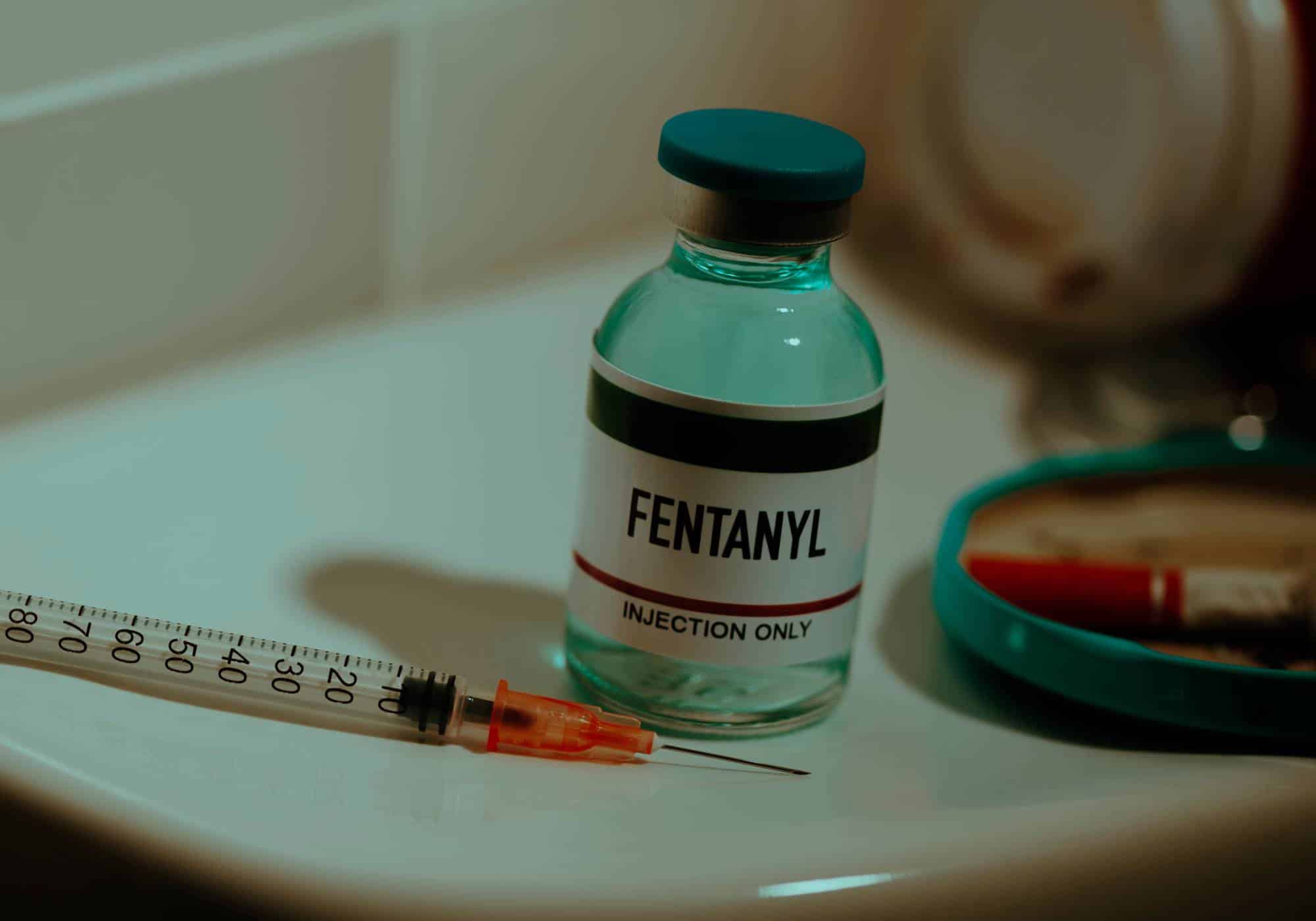


Phenobarbital belongs to the class of barbiturates, sedative-hypnotic drugs used for a variety of medical purposes including seizure treatment, alcohol withdrawal management, and anesthesia induction, among others. Despite its medical utility, phenobarbital carries a high potential for addiction and was historically a common agent in suicide attempts, highlighting the dangers associated with its misuse.
Phenobarbital Abuse
In the 1960s and 1970s, abuse of barbiturates like phenobarbital was widespread, although it has generally declined since, with the exception of a brief resurgence in the 1990s. Phenobarbital, though less commonly prescribed today for conditions such as insomnia or anxiety, is still used in veterinary medicine and some specific medical cases. The drug can lead to habit formation, particularly if used in large doses or over extended periods. Its abuse can lead to tolerance, necessitating higher doses to achieve the same effects, and significant risk of overdose. In 2010, barbiturate overdoses were linked to nearly 1,500 emergency room visits and 396 deaths in the U.S.
What is Phenobarbital?
Phenobarbital, a member of the barbiturate class, is a sedative-hypnotic drug utilized across a range of medical applications. It’s prescribed for managing conditions such as seizures, alcohol withdrawal, insomnia, and anxiety, and is even used in the induction of anesthesia and clinical comas.
As a barbiturate, Phenobarbital functions by dampening activity in the brain and central nervous system. This reduction in activity helps to control seizures and induces a state of relaxation, making it effective for treating various neurological and psychological conditions. However, the calming effects of Phenobarbital also contribute to its potential for dependence and abuse. Users may experience feelings of euphoria when taking higher doses, increasing the risk of addiction.
Is Phenobarbital Addictive?
Yes, phenobarbital is addictive. Its addiction potential arises from several factors:
- Tolerance: Users may need increasing amounts of phenobarbital to achieve previous effects.
- Withdrawal: Abrupt discontinuation can lead to severe withdrawal symptoms like anxiety, muscle twitches, and seizures, which are potentially life-threatening.
- Neurological Impact: Phenobarbital increases the activity of GABA, a neurotransmitter that reduces anxiety and induces relaxation, creating a pleasurable feeling that may lead to further misuse.
Signs of Phenobarbital Addiction in Yourself or Others
Addiction can be hard to recognize, especially as those affected might conceal their struggles.
A diagnosis of substance use disorder is based on specific criteria, including:
- Escalating use over time.
- Inability to reduce usage despite desires to do so.
- Excessive time spent obtaining, using, or recovering from the drug.
- Cravings and urges to use the substance.
- Failure to fulfill obligations due to drug use.
- Continuing use despite social or interpersonal problems.
- Abandonment of important social, occupational, or recreational activities.
- Repeated use in hazardous situations.
- Persistent use despite awareness of causing physical or psychological problems.
- Tolerance and withdrawal symptoms.
Physical Signs of Phenobarbital Abuse
- Impaired judgment.
- Drowsiness.
- Slurred speech.
- Poor coordination.
- Slowed breathing.
Recognizing these signs and understanding the serious risks associated with phenobarbital is crucial for anyone concerned about their own or a loved one’s use of the drug. If addiction is suspected, seeking professional help is essential. Contact Hope Harbor Wellness at 770-573-9546 or fill out our online contact form for specialized outpatient phenobarbital abuse treatment options tailored to overcoming addiction and managing the symptoms of withdrawal safely.

Dangers of Phenobarbital Abuse And Addiction
Phenobarbital, part of the barbiturate class, serves a diverse role in medical treatments ranging from seizure management to easing preoperative anxiety. However, the misuse of this sedative-hypnotic drug carries significant health risks.
Abusing phenobarbital can lead to severe behavioral changes, including disinhibited and aggressive actions that may result in arrest due to disorderly conduct. The risk extends beyond legal issues—intoxication increases the likelihood of accidental harm both to the user and others.
Intravenous abuse of phenobarbital introduces even graver dangers. Using non-sterile injection techniques can cause serious infections like sepsis and endocarditis, and transmit diseases such as hepatitis and HIV/AIDS. Additionally, complications like thrombophlebitis, gangrene, and the formation of abscesses or necrotic ulcers at the injection site are common issues that can arise from improper injection practices.
A particularly alarming aspect of phenobarbital misuse is the high risk of fatal overdose. The difference between a therapeutic dose and a lethal dose is perilously small, with just 2-3 times the normal therapeutic dose potentially causing fatal respiratory depression. Furthermore, the lack of an antidote for barbiturates heightens the danger, making an overdose a critical medical emergency that requires immediate attention.
Given the severe risks associated with phenobarbital abuse and addiction, it is imperative for individuals using this medication to do so strictly under medical supervision and for legitimate medical reasons. If you suspect misuse or signs of addiction in yourself or someone else, seek professional help promptly to address these concerns safely.
Phenobarbital Overdose
Overdosing on Phenobarbital is a serious risk, particularly for those with a history of addiction. The lethal dosage typically ranges between 6-10 grams, a quantity that could feasibly accumulate in the possession of those with long-term prescriptions. Commonly prescribed dosages vary widely, from 30 mg for daytime sedation up to 320 mg for treating insomnia.
Symptoms of Phenobarbital Overdose
The signs of a Phenobarbital overdose are severe and can include:
- Uncontrolled eye movements.
- Loss of coordination.
- Irregular or slowed breathing.
- Reduced body temperature, often feeling cold to the touch.
- Blister formation on the skin.
Additional signs indicating an overdose might include:
- Altered consciousness or alertness.
- Confusion or cognitive difficulties.
- Excessive drowsiness.
- Impaired physical coordination.
- Abnormal breathing patterns.
- Slurred or slow speech.
- Mood swings, including irritability or aggression.
- Memory lapses.
- Coma.
Phenobarbital Withdrawal Symptoms
Withdrawal from Phenobarbital poses its own dangers, particularly for those who have developed a dependence on the medication.
Abruptly quitting Phenobarbital can lead to severe symptoms such as:
- Rebound anxiety and insomnia.
- Uncontrollable shaking.
- Elevated heart rate.
- Muscle twitching.
- Dizziness and coordination problems.
- Physical weakness.
- Vision disturbances.
- Nausea and vomiting.
- Sleep disturbances.
- Hyperthermia.
- Hallucinations.
- Seizures.
Given the significant risks associated with Phenobarbital, it’s crucial for individuals taking this medication to do so under strict medical supervision. This ensures that any potential for abuse or overdose can be managed effectively and safely. If you suspect that you or someone close to you is struggling with Phenobarbital abuse or is at risk of overdose, immediate medical intervention is essential. Contact Hope Harbor Wellness today at 770-573-9546 or fill out our online contact form for support and guidance on managing the risks associated with this potent medication.

Short- and Long-Term Side Effects of Phenobarbital Abuse
Phenobarbital can significantly impact one’s health both in the short and long term. Understanding these effects is crucial for individuals dealing with dependency on this potent drug.
Short-Term Effects of Phenobarbital Use
The immediate side effects of phenobarbital are significant and can profoundly affect daily functioning.
The short-term effects of phenobarbital abuse include:
- Drowsiness and fatigue, affecting daily activities and energy levels.
- Nausea and vomiting, which can lead to dehydration and nutritional deficiencies.
- A slowed heart rate and respiratory depression, which are potentially life-threatening conditions.
- Uncoordinated muscle movements and nystagmus, impacting physical stability and eye movements.
- Dizziness and impaired cognitive functions, making it dangerous to perform tasks such as driving.
- Paradoxical neural excitation, which can lead to unusual or unexpected nervous system reactions.
- The risk of coma and overdose, which require immediate medical intervention.
Long-Term Effects of Phenobarbital Addiction
The prolonged abuse of phenobarbital can lead to persistent health issues, which include:
- Chronic fatigue and a consistent struggle to remain alert.
- Compromised performance in professional or educational settings.
- Emotional disturbances including irritability, mood swings, and profound depression.
- An increased risk of suicidality and self-harm behaviors.
- Cognitive decline, with noticeable difficulties in memory recall and information processing.
Broader Impacts of Phenobarbital Dependency
Beyond the physical and mental health ramifications, phenobarbital addiction can also disrupt various aspects of personal life:
- Strained relationships with family and friends due to erratic behavior and emotional instability.
- Deterioration in mental health and general well-being.
- A diminished capacity to partake in and enjoy hobbies and other recreational activities.
Recognizing these signs and symptoms is the first step toward seeking help. For those struggling with phenobarbital dependency, professional treatment offers a path to recovery and a chance to restore health and improve quality of life.
Phenobarbital Addiction Treatment at Hope Harbor Wellness
Located in the serene suburbs of Atlanta, Hope Harbor Wellness is your ally in the fight against Phenobarbital addiction in Atlanta. Our drug rehab center, dedicated to holistic recovery, is ideally situated to offer you the support you need.
Our compassionate outpatient program collaborates with top-tier medical Phenobarbital detox facilities, ensuring a safe and effective detox process. Once free from addictive substances, you can seamlessly transition into one of our specialized outpatient treatment programs at Hope Harbor Wellness, designed to address substance use disorders:
- Outpatient Rehab: A flexible program tailored to fit into your daily life.
- PHP (Partial Hospitalization Program): Offers a structured yet non-residential approach to treatment.
- IOP (Intensive Outpatient Program): Provides more intensive care while allowing you to maintain daily responsibilities.
- Dual Diagnosis Treatment Program: Caters to those with co-occurring mental health disorders.
Our Phenobarbital addiction treatment programs incorporate a variety of interventions:
- MAT (Medication-Assisted Treatment): Utilizes medications to ease withdrawal symptoms and cravings.
- Psychotherapy (CBT and DBT): Addresses underlying psychological aspects of addiction.
- Group Therapy: Offers peer support and shared learning experiences.
- Individual Therapy: Provides personalized guidance and support.
- Family Therapy: Helps heal and strengthen family relationships.
- Holistic Therapies: Focuses on overall well-being, including physical, emotional, and spiritual health.
- Aftercare: Ensures ongoing support post-treatment.
Embark on your journey from addiction to recovery with Hope Harbor Wellness. Trust in our dedicated team to guide you every step of the way. For more information on Phenobarbital addiction treatment in Atlanta, GA or to start your journey, call our admissions team at 770-573-9546 or fill out our online contact form.