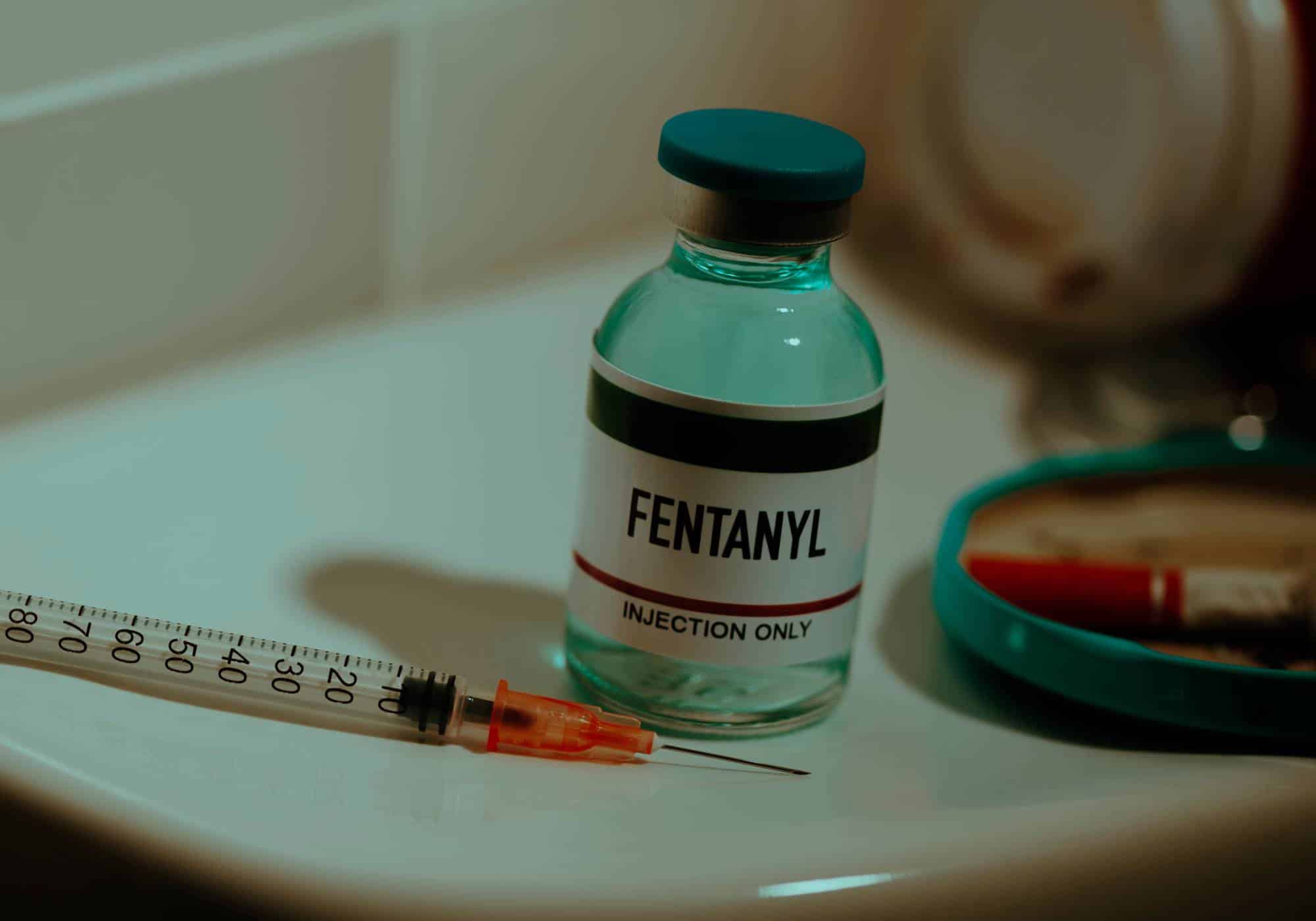


You felt it before you could name it. Something changed. The person you know is still there some of the time — and when they are, they are exactly who they have always been. But there are these other times. The absences, the deflections, the things that do not add up. The money. The sleep. The personality. You are not imagining it. What you are feeling is real information. This page is about what those signals mean, what addiction actually looks like from the outside, and what you can do with what you are seeing.
Families Call Too — We Help You Understand the Options · 770-573-9546
Hope Harbor Wellness · Hiram, GA · Adults 18+ · Same-day assessment when your loved one is ready · In-network insurance
The Behavioral Signs — What Changes in Someone with Addiction
Secrecy and Defensiveness Around Specific Topics
People without substance problems do not become defensive when asked where they were. They do not lock their phones or become nervous when someone picks it up. The specific zones of secrecy in a person with addiction map closely to the logistics of use — where they get it, how much it costs, who they use with, how often. When someone becomes reliably defensive about a specific set of topics and circumstances — not generally private, but specifically guarded around particular questions — that pattern is meaningful.
Disappearing Without Explanation, or with Inconsistent Explanations
Addiction creates logistical demands: obtaining the substance, using it, recovering from it. These demands require time. People with active addiction become skilled at accounting for this time with explanations that do not quite add up — work that does not match the actual schedule, errands that take too long, social plans that are vague. The pattern of unexplained time is different from normal privacy. Normal privacy is consistent and coherent. Addiction-driven absence creates gaps and inconsistencies that accumulate over time.
Financial Changes
Addiction is expensive. The specific financial signature depends on the substance: alcohol might mean restaurant and bar charges that seem disproportionate, or bottles disappearing from the house. Opioid addiction might mean cash withdrawals that do not match stated purposes, missing prescription medications, items disappearing from the home. Methamphetamine or cocaine use might produce dramatic financial consumption. Families often notice financial changes before they identify the cause — money that “goes somewhere” without clear explanation.
Changed Relationships and Social Withdrawal
The social world of someone with addiction gradually reorganizes around the addiction. Old friendships — particularly with people who do not use or who have expressed concern — fade. New relationships appear, often with people the person is vague about. The person becomes less reliable for family commitments. Holidays, family events, children’s activities are missed or attended in a diminished way. The specific people they are most present with and most absent from shifts in a pattern that reflects the social logistics of addiction.
Physical Signs — What the Body Shows
Sleep Pattern Changes
Almost every substance produces characteristic sleep disruption. Alcohol: falling asleep easily but waking in the middle of the night, increasingly poor sleep quality with continued use. Opioids: extreme drowsiness during use (“nodding”), insomnia during withdrawal. Methamphetamine: days without sleep during use, then crashing for 24+ hours. Benzodiazepines: sedation with use, severe insomnia when missed. Changes in sleep that do not match medical explanations, combined with other signs, are meaningful signals.
Changes in Appearance
The severity of appearance changes varies enormously by substance and stage of addiction. Early: subtle — poor sleep shows in the face, hygiene slightly less consistent, weight fluctuates. Later, for some substances: dramatic. Methamphetamine produces rapid, visible aging, skin damage, and dental deterioration. Heavy alcohol use over time produces facial changes — redness, puffiness, broken capillaries. Opioid addiction often produces weight loss and track marks if the person is injecting. Most families notice something — a diminished version of the person — before they can articulate what the specific change is.
Unexplained Physical Symptoms
Families sometimes notice physical complaints that, retrospectively, were withdrawal symptoms: morning nausea, shaking hands, sweating without fever, extreme restlessness. In alcohol dependence, these are morning withdrawal symptoms that resolve with the first drink of the day — something a dependent person may hide or explain away. In opioid use, the physical “flu-like” symptoms that appear when use is missed are withdrawal. Physical symptoms that appear at predictable intervals and resolve when the person has had an opportunity to use are withdrawal — not illness.
The Emotional and Relational Signs
Emotional Inconsistency
Addiction produces emotional states that track use and withdrawal rather than life circumstances. Euphoria or energy that appears at specific times. Irritability, depression, or anxiety that appears at predictable intervals — particularly when use would normally have occurred and has not. Emotional volatility that does not match the provocation. Family members often describe feeling like they are walking on eggshells without understanding why the emotional landscape has become so unpredictable.
Loss of Interest in Things That Used to Matter
The hobbies, activities, and relationships that defined who this person was before addiction took hold have contracted. Not all at once — gradually, and with explanations for each individual loss that seem plausible. But the pattern, seen across months or years, shows a progressive narrowing of what the person is engaged with, interested in, or reliable about — and a progressive expansion of the time and attention given to activities that, on examination, map to substance use.
Broken Promises and Changed Reliability
Not the occasional broken commitment that everyone has. A pattern of failing to follow through on things that would previously have been non-negotiable. A changed relationship with reliability that the person often does not fully acknowledge — minimizing, explaining, blaming circumstances. The specific promises broken often cluster around times and situations that compete with use.
What to Do With What You Are Seeing
If you are recognizing several of these patterns in someone you love: trust what you are seeing. The explanations offered for individual incidents are often individually plausible. The pattern is what tells the story. You are not overreacting.
What to do next: Call Hope Harbor Wellness at 770-573-9546. Family members call before their loved one is ready. We walk you through what we offer, verify their insurance coverage, and have a plan ready for when they say yes. We also provide guidance on the conversation — what to say, what not to say, how to create conditions that make treatment more likely to happen.
The Most Important Thing You Can Do Right Now
Have the logistics ready before the conversation. Know what treatment looks like. Know what it costs (we verify insurance on the call). Know what same-day access looks like. When your loved one says yes — and that yes is often brief and unpredictable — you need to be able to say “I have a place, I can take you today.” Call 770-573-9546 and have that conversation with our admissions team before your loved one is ready.