

Inhalant addiction is a less commonly discussed form of substance abuse, yet it poses severe risks and health concerns, particularly among teens and young adults. This comprehensive guide delves into what inhalants are, the various types, their addictive nature, and the signs and symptoms of inhalant use. Additionally, we will explore treatment options available, especially focusing on services provided in Atlanta, GA, by Hope Harbor Wellness. Our goal is to provide an insightful resource for individuals and their loved ones seeking to understand and address inhalant addiction effectively.
What are Inhalants?
Inhalants are volatile substances that produce chemical vapors, which can be inhaled to induce psychoactive or mind-altering effects. Commonly abused inhalants include household products like spray paints, markers, glues, and cleaning fluids. These substances are often readily available and inexpensive, making them a frequent choice for initial substance abuse experiments, particularly among adolescents. The effects of inhalants are generally short-lived, which may lead to repeated use to sustain the high, increasing the risk of addiction and other adverse health effects. Understanding these substances and recognizing their potential for abuse is the first step towards addressing inhalant addiction.
Types of Inhalants
Inhalants can be categorized into four main groups:
- Volatile solvents: Liquids that vaporize at room temperatures, found in products such as paint thinners and removers, degreasers, glues, and gasoline.
- Aerosols: Sprays that contain propellants and solvents, including spray paints, deodorant and hair sprays, and fabric protector sprays.
- Gases: Found in medical anesthetics (such as ether, chloroform, halothane) and household or commercial products (such as propane tanks and refrigerants).
- Nitrites: Often labeled as “poppers” or “snappers,” used primarily as sexual enhancers or muscle relaxants.
Each type has distinct uses but shares the commonality of being dangerous when inhaled for psychoactive effects. Understanding these categories helps identify the source of abuse and tailor intervention strategies effectively.
Are Inhalants Addictive?
Yes, inhalants can be highly addictive due to their intense and immediate euphoric effects, which can compel users to continue seeking out these dangerous highs. The brain adapts to repeated substance exposure in a way that creates a physical and psychological dependency, leading to inhalant addiction. This dependency can develop quickly with frequent use, even after a short period. Addiction is often accompanied by an increased tolerance to the effects of inhalants, prompting users to consume greater quantities to achieve the same high, escalating the risk of overdose and severe health complications.
Signs and Symptoms of Inhalant Addiction
Identifying inhalant addiction involves being vigilant about both physical and behavioral changes:
- Physical Signs of inhalant addiction:
- Unusual smells on breath or clothing.
- Paint or other stains on face or hands.
- Red or runny eyes and nose.
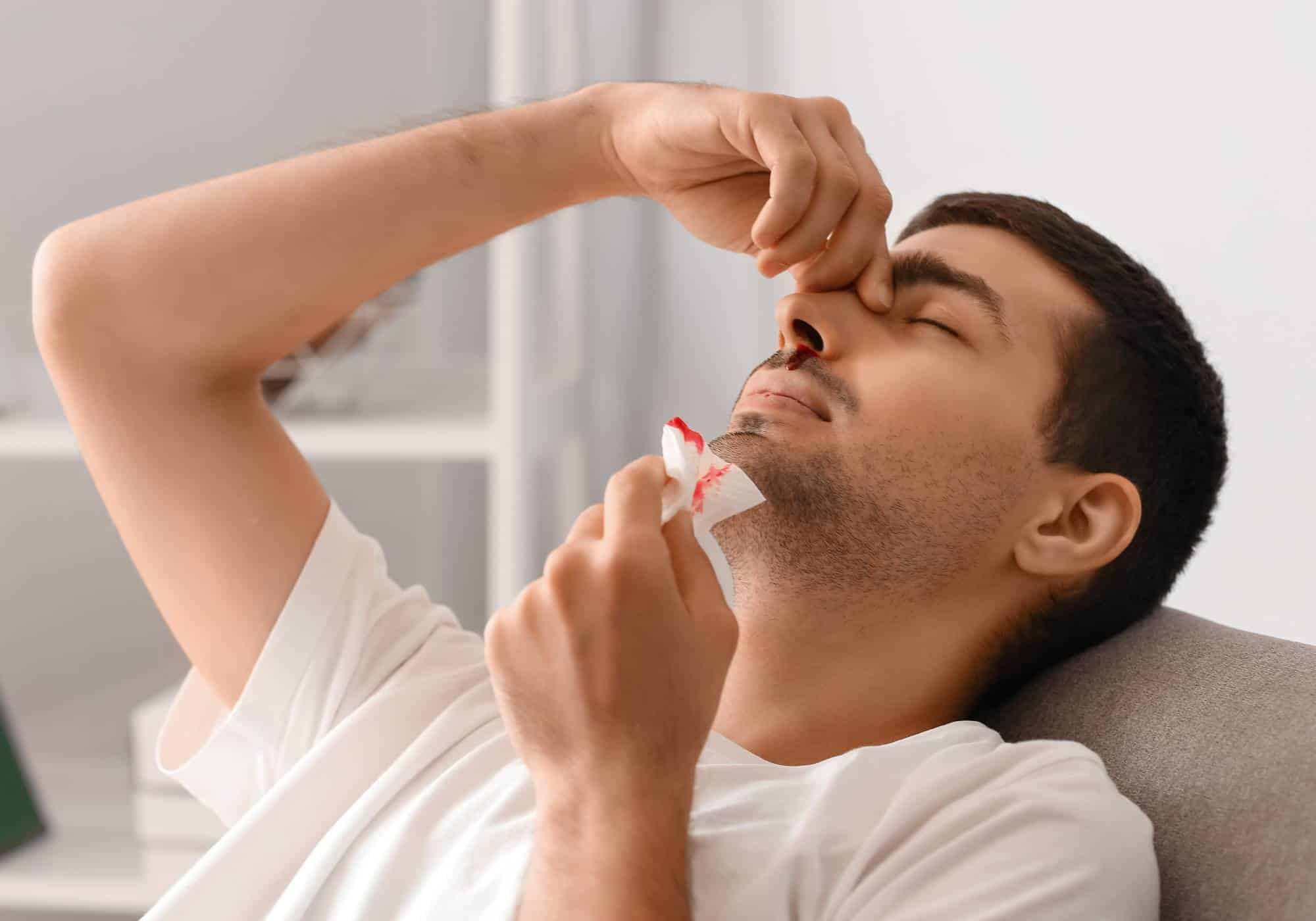
- Frequent nosebleeds.
- Appearance of intoxication without alcohol consumption.
- Sudden weight loss or gain.
- Behavioral Signs of inhalant addiction:
- Secretive behavior regarding activities and whereabouts.
- Sudden change in friends or peer groups.
- Poor judgment and decision-making.
- Unexplained disappearance of household products.
- Lack of interest in previously enjoyed activities.
Early detection of these signs is crucial for timely intervention and treatment to prevent long-term damage.
Causes of Inhalant Addiction
Inhalant addiction arises from a complex interplay of several factors:
- Genetic Factors:
- Family history of addiction increases susceptibility to substance use disorders, including inhalants.
- Environmental Factors:
- Easy access to inhalants in the home or community.
- Exposure to substance abuse in familial or social settings.
- Psychological Factors:
- Use of inhalants as a coping mechanism for stress, trauma, or emotional distress.
- Pre-existing mental health disorders like depression or anxiety.
Addressing these root causes through comprehensive assessment and tailored treatment is essential for effective recovery.
Inhalant Withdrawal
Withdrawing from inhalants can be a challenging and uncomfortable process that requires medical oversight.
Inhalant withdrawal symptoms can vary in severity based on usage duration and the individual’s health:
- Physical Symptoms of Inhalant Withdrawal:
- Nausea and vomiting.
- Muscle cramps.
- Headaches.
- Tremors.
- Elevated heart rate.
- Increased sweating.
- Psychological Symptoms of Inhalant Withdrawal:
- Anxiety and irritability.
- Mood swings.
- Intense cravings for inhalants.
- Sleep disturbances, including insomnia.
Proper medical supervision during withdrawal can mitigate these symptoms and ensure safety in the detox phase.
Inhalant Overdose
An overdose from inhalants can occur with excessive use and carries severe, potentially fatal consequences. The unpredictable nature of these substances means that every instance of use carries a risk of overdose.
Immediate medical attention is crucial to address these serious symptoms:
- Severe headaches: Often a sign of dangerous increases in intracranial pressure.
- Chest pain: Indicates potential cardiovascular stress or heart failure.
- Hallucinations: Visual or auditory hallucinations can occur during severe intoxication.
- Seizures: May happen due to neurotoxic effects of the inhalants.
- Loss of consciousness: A sign of a severe overdose that requires immediate intervention.
Understanding these symptoms can be life-saving, highlighting the importance of quick and effective medical response to prevent long-term damage or death.
Immediate and Short-Term Effects of Inhalants
Inhalants are substances that, when inhaled, rapidly enter the bloodstream through the lungs and affect the central nervous system along with other organs. These substances typically induce effects similar to alcohol intoxication, beginning with initial euphoria or excitement, then leading to drowsiness, lightheadedness, reduced inhibitions, and sometimes agitation.
The effects of inhalants are fleeting, often lasting only a few minutes. This short duration can lead individuals to use repeatedly over several hours to sustain their high. However, this repeated use can be extremely dangerous, potentially resulting in loss of consciousness or even death. Tragically, even a single use of certain inhalants can prove fatal.
Common short-term adverse effects of inhalant use include:
- Headaches
- Drowsiness and lethargy
- Stupor
- Impaired muscle control (ataxia)
- Seizures
Long-Term Effects of Inhalants
While some effects from inhalant use may diminish after stopping the substance, others, especially from prolonged use, can cause permanent damage. Long-term consequences of inhalant use can be severe and life-altering, including:
- Cardiac toxicity: This can manifest as irreversible damage to the heart, including inflammation and congestive heart failure.
- Respiratory damage: Conditions such as Goodpasture’s syndrome and emphysema may develop.
- Liver and kidney damage: These vital organs can be irreparably harmed.
- Bone marrow suppression: This can lead to long-term damage and complications.
- Neurological injury: Prolonged use can result in hearing loss, muscle spasms, and impaired coordination.
- Behavioral changes: Delays in behavioral development and permanent cognitive impairments may occur.
- Brain damage: Anoxic damage due to reduced oxygen supply, often resulting from respiratory arrest.
Inhalant use can be fatal in several ways, including:
- Suffocation: Occurring when oxygen is displaced by inhalant fumes in an enclosed space.
- Asphyxiation: Due to high concentrations of fumes replacing oxygen in the lungs.
- Choking: From vomiting while consciousness is impaired.
- Accidents: Caused by impaired judgment and motor control while under the influence.

Treatment for Inhalant Abuse
At facilities like Hope Harbor Wellness in Atlanta, GA, inhalant abuse is addressed without the use of medication. Instead, the focus is on cognitive-behavioral therapy (CBT) and counseling, which are vital in helping individuals recognize the triggers and situations that may lead to inhalant use. These therapeutic approaches equip individuals with effective coping mechanisms and strategies to avoid or handle these triggers productively. This form of treatment is essential for providing long-term support and aiding recovery, allowing individuals to regain control over their lives and move towards sustainable sobriety.
Inhalant Addiction Treatment at Hope Harbor Wellness
Located in the serene suburbs of Atlanta, Hope Harbor Wellness is your ally in the fight against inhalant addiction in Atlanta. Our drug rehab center, dedicated to holistic recovery, is ideally situated to offer you the support you need.
Our compassionate outpatient program collaborates with top-tier medical inhalant detox facilities, ensuring a safe and effective detox process. Once free from addictive substances, you can seamlessly transition into one of our specialized outpatient treatment programs at Hope Harbor Wellness, designed to address substance use disorders:
- Outpatient Rehab: A flexible program tailored to fit into your daily life.
- PHP (Partial Hospitalization Program): Offers a structured yet non-residential approach to treatment.
- IOP (Intensive Outpatient Program): Provides more intensive care while allowing you to maintain daily responsibilities.
- Dual Diagnosis Treatment Program: Caters to those with co-occurring mental health disorders.
Our inhalant addiction treatment programs incorporate a variety of interventions:
- MAT (Medication-Assisted Treatment): Utilizes medications to ease withdrawal symptoms and cravings.
- Psychotherapy (CBT and DBT): Addresses underlying psychological aspects of addiction.
- Group Therapy: Offers peer support and shared learning experiences.
- Individual Therapy: Provides personalized guidance and support.
- Family Therapy: Helps heal and strengthen family relationships.
- Holistic Therapies: Focuses on overall well-being, including physical, emotional, and spiritual health.
- Aftercare: Ensures ongoing support post-treatment.
Embark on your journey from addiction to recovery with Hope Harbor Wellness. Trust in our dedicated team to guide you every step of the way. For more information on inhalant addiction treatment in Atlanta, GA or to start your journey, call our admissions team at 770-573-9546 or fill out our online contact form.