
Poppers are inhalant substances typically sold in small bottles and used for their fast-acting effects. People may know them by brand names, slang terms, or simply as “poppers,” but many do not fully understand what is actually in them or why they can be dangerous. While they are sometimes talked about casually, poppers can still lead to serious side effects, risky behavior, and health complications.
Most poppers are associated with chemicals in the alkyl nitrite family. These chemicals are inhaled rather than swallowed, and they act quickly, often producing a brief rush, lightheadedness, warmth, and muscle relaxation. Even though the effects may be short-lived, the risks can still be significant, especially when poppers are used frequently, combined with other substances, or used by people with certain medical conditions.
This page explains what is in poppers, what chemicals they may contain, what they do to the body, whether they are addictive, and when it may be time to get help.
Call 770-573-9546 or Verify Your Insurance Online.
What Are Poppers?
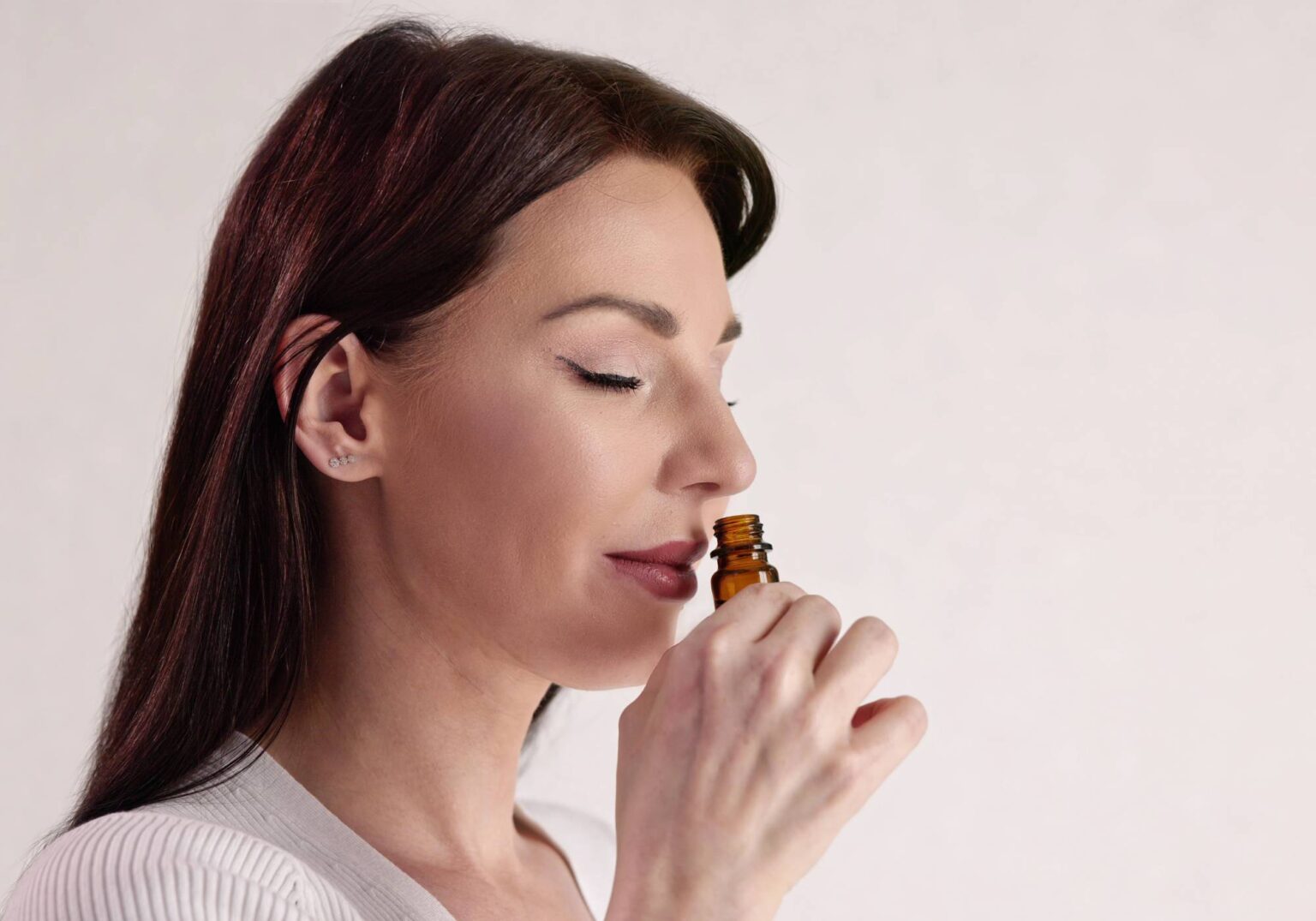
Poppers are inhalant products commonly associated with alkyl nitrites. They are usually sold in small liquid-filled bottles and inhaled for a brief, fast-onset effect. People may use poppers recreationally because the effects happen quickly and wear off relatively fast, but that does not mean they are harmless.
Poppers are not used the same way as cannabis, opioids, or stimulants. Instead of smoking, swallowing, or injecting them, people typically inhale the vapors. That route of use affects the body rapidly and may cause sudden changes in blood pressure, dizziness, and other effects.
What Is in Poppers?
Poppers are generally associated with chemicals called alkyl nitrites. The exact formulation can vary depending on the product, the label, and how it is being sold. That variation is one reason it can be hard for users to know exactly what they are inhaling.
Poppers may contain chemicals from the alkyl nitrite family, such as:
- Amyl nitrite in some contexts
- Isobutyl nitrite in some products
- Isopropyl nitrite in some products
- Other similar nitrite compounds depending on the formulation
Because product labeling can be inconsistent, the exact contents may not always be obvious to the user.
What Chemical Is in Poppers?
When people ask what chemical is in poppers, the broad answer is usually some form of alkyl nitrite. These chemicals are linked to the short-lived rush and body effects people associate with poppers.
The key point is this:
- Poppers are generally tied to inhaled nitrite compounds
- The exact chemical may differ from one product to another
- Unclear labeling can make risk harder to judge
That uncertainty matters because different products may not affect the body in exactly the same way.
If inhalant or party drug use is starting to feel riskier than it used to:
What Is in Rush Poppers?
Rush is one of the names people may recognize in connection with poppers. Like other branded or marketed popper products, what is actually in it may depend on the formulation being sold. The main concern is not just the label, but the fact that these are inhaled nitrite-type products with potential risks to the cardiovascular system, oxygen delivery, and overall safety.
With products like Rush poppers, users often do not know for sure:
- The exact chemical compound inside
- The concentration of the active ingredients
- Whether the labeling is fully accurate
- How the product may interact with other drugs or health conditions
That unpredictability is one reason recreational inhalant use can become dangerous quickly.
What Do Poppers Do?
Poppers work quickly and usually produce short-lasting effects. People may describe the experience as a sudden rush, warmth, dizziness, lightheadedness, or relaxation. Some also report a brief sense of euphoria or intensified sensation.
Effects of poppers may include:
- A fast head rush
- Warmth or flushing
- Lightheadedness
- Dizziness
- Relaxation
- Short-lived euphoria
- Muscle relaxation
- Lowered blood pressure
- Headache
Because the effects happen rapidly, some people may assume the risk is low. In reality, sudden cardiovascular changes and repeated inhalation can still be dangerous.
What Do Poppers Feel Like?
Poppers are often described as producing a quick, intense, but short-lived sensation. Some people feel flushed, floaty, or euphoric for a brief period. Others may feel off balance, nauseated, or headachy instead.
Poppers may feel like:
- A sudden rush
- Pressure in the head
- Warmth through the body
- Brief dizziness
- Relaxation
- Reduced muscle tension
- Lightheadedness
For some users, especially those who are sensitive to the effects or who use too much, the experience may feel unpleasant rather than enjoyable.
Poppers Side Effects
Even when the effects are short, poppers can cause side effects that are uncomfortable, risky, or medically concerning.
Common side effects of poppers may include:
- Headache
- Dizziness
- Lightheadedness
- Nausea
- Flushing
- Rapid heartbeat
- Low blood pressure
- Poor coordination
- Blurred vision
Repeated or heavy use may increase the likelihood of negative effects and risky situations.
If poppers are starting to cause headaches, panic, or risky behavior, that matters:
Why Poppers Can Be Dangerous
Poppers are often treated casually, but they can still be dangerous. One reason is that they affect blood vessels and blood pressure quickly. Another is that people may combine them with alcohol, other drugs, or prescription medications, which can raise risk further.
Poppers can be especially dangerous because they may:
- Cause sudden drops in blood pressure
- Increase the risk of fainting
- Worsen dizziness and poor coordination
- Create dangerous interactions with certain medications
- Lead to risky decision-making during intoxication
- Contribute to oxygen-related complications in some cases
The risk may be even higher for people with cardiovascular issues or those mixing substances.
Can You Die From Poppers?
Severe complications are possible, especially when poppers are used in unsafe ways, combined with other drugs, or used by someone with certain medical vulnerabilities. A person may pass out, experience dangerous blood pressure changes, or have other serious reactions.
Emergency warning signs may include:
- Chest pain
- Trouble breathing
- Severe confusion
- Collapse
- Loss of consciousness
- A medical reaction that feels significantly worse than a brief rush
If symptoms seem severe or someone becomes unresponsive, call 9-1-1.
Are Poppers Addictive?
This is one of the strongest search terms already associated with your existing page, and it deserves a direct answer. Poppers may not create dependence in exactly the same way as opioids, alcohol, or benzodiazepines, but people can still develop patterns of repeated or compulsive use. Some may begin relying on them in specific social situations, nightlife settings, or sexual contexts and find it difficult to stop.
Signs poppers use may be becoming a problem include:
- Using more often than intended
- Craving the rush or ritual of use
- Using in situations that feel risky
- Continuing despite headaches, dizziness, or other side effects
- Mixing with other substances despite negative outcomes
- Feeling unable to cut back
Even if the pattern does not look like classic drug dependence, it can still become harmful and worth addressing.
Can You Get Addicted to Poppers?
Yes, people can develop a problematic relationship with poppers. For some, it may be more psychological or behavioral than physically dependent, but that does not make it harmless. A person may begin associating the drug with pleasure, stress relief, nightlife, or other repetitive triggers and keep using even when the consequences start adding up.
If use is becoming frequent, harder to control, or linked to other substances, it may be time to take a closer look.
If poppers use keeps coming back into your routine even when you want it to stop:
How Long Do Poppers Stay in Your System?
The immediate effects of poppers are usually short-lived, but people often still search this question because they want to understand how long the drug may affect them. The rush itself is generally brief, but the exact timing can vary depending on the product, the amount used, and the person’s body.
What matters most is this:
- The main effects are usually brief
- Headaches or feeling off may last longer than the rush
- The short duration does not mean the product is low risk
Even brief inhalant effects can still lead to dangerous choices, interactions, or physical reactions.
Can Poppers Show Up on a Drug Test?
People sometimes ask whether poppers show up on a drug test. Standard drug panels are generally not built around the same substances people usually think of when they ask about marijuana, cocaine, opioids, or benzodiazepines. Even so, testing questions can depend on the situation, the test type, and what else may have been used.
The more important issue in many cases is not the test itself, but the health and behavioral risks tied to use.
When to Get Help for Poppers Use
It may be time to seek help if poppers use is becoming repetitive, risky, or linked to other substance use, panic, physical side effects, or impaired judgment. Some people ignore the problem because the high is short and the drug is socially minimized, but repeated inhalant use can still be a real behavioral health issue.
You may want help if:
- You are using poppers more often than before
- You feel drawn to use them in certain recurring situations
- You mix them with alcohol or other drugs
- You keep using despite headaches, dizziness, or other effects
- Your use feels hard to control
- You are also dealing with other substance misuse or mental health symptoms
How Treatment Can Help
Treatment can help if poppers use has become part of a larger pattern of substance misuse, compulsive behavior, or co-occurring mental health struggles. For some people, poppers are not the only issue. They may be one part of a broader cycle involving alcohol, stimulants, club drugs, or emotional coping patterns.
Treatment may include:
- Clinical assessment
- Individual therapy
- Dual diagnosis treatment
- Relapse prevention planning
- Support for polysubstance use
- Structured outpatient care when needed
Getting help early can prevent a pattern from becoming more severe.
Get Help for Substance Abuse at Hope Harbor Wellness
If poppers use is affecting your health, safety, or sense of control, help is available. Even if the drug is often treated casually in some settings, repeated use and mixed-substance use can still become dangerous. Recovery support can help you understand what is happening and what to do next.
At Hope Harbor Wellness, we help people facing substance use and co-occurring mental health concerns take meaningful steps toward recovery with compassionate, structured support.
Call 770-573-9546 or Verify Your Insurance Online.
Poppers Drug Addiction Treatment Atlanta, GA
If you or a loved one is struggling with popper addiction, it’s important to seek professional help. At Hope Harbor Wellness, we specialize in treating substance abuse and mental health conditions, offering a comprehensive range of therapies designed to address the unique challenges of addiction. Whether you’re dealing with the psychological dependence on poppers or the health issues associated with their use, our team is here to provide support every step of the way.
Once free from addictive substances, you can seamlessly transition into one of our specialized outpatient treatment programs at Hope Harbor Wellness, designed to address substance use disorders:
- Outpatient Rehab: A flexible program tailored to fit into your daily life.
- PHP (Partial Hospitalization Program): Offers a structured yet non-residential approach to treatment.
- IOP (Intensive Outpatient Program): Provides more intensive care while allowing you to maintain daily responsibilities.
- Dual Diagnosis Treatment Program: Caters to those with co-occurring mental health disorders.
Our poppers addiction treatment programs incorporate a variety of interventions:
- MAT (Medication-Assisted Treatment): Utilizes medications to ease withdrawal symptoms and cravings.
- Psychotherapy (CBT or DBT): Addresses underlying psychological aspects of addiction.
- Group Therapy: Offers peer support and shared learning experiences.
- Individual Therapy: Provides personalized guidance and support.
- Family Therapy: Helps heal and strengthen family relationships.
- Holistic Therapies: Focuses on overall well-being, including physical, emotional, and spiritual health.
- Aftercare: Ensures ongoing support post-treatment.
Embark on your journey from addiction to recovery with Hope Harbor Wellness. Trust in our dedicated team to guide you every step of the way. For more information on poppers drug addiction treatment in Atlanta, GA or to start your journey, call our admissions team at 770-573-9546 or fill out our online contact form.
Frequently Asked Questions
What is in poppers?
Poppers are generally associated with chemicals in the alkyl nitrite family. The exact formulation can vary by product, which is one reason users may not always know exactly what they are inhaling.
What chemical is in poppers?
Poppers are typically linked to nitrite compounds from the alkyl nitrite family. The exact chemical may vary from one product to another.
What are poppers?
Poppers are inhalant products commonly associated with alkyl nitrites. They are used for a brief, fast-acting rush and are usually inhaled from small bottles.
Are poppers addictive?
They can be. While poppers may not create the same pattern of physical dependence as some other drugs, people can still develop repeated, compulsive, or harmful use patterns.
Can you get addicted to poppers?
Yes, some people can develop a problematic relationship with poppers, especially when use becomes frequent, ritualized, or linked to other substances and risky situations.
Can you die from poppers?
Severe complications are possible, especially when poppers are used unsafely, combined with other substances, or used by someone with certain medical vulnerabilities. Serious symptoms should be treated as an emergency.