
In recent times, a dangerous trend known as chroming has been making headlines, alarming parents, educators, and health professionals alike. Chroming involves inhaling chemical substances to achieve a quick and often intense high. This practice is not only hazardous but can lead to serious health complications and even death. At Hope Harbor Wellness, we are committed to raising awareness about such risky behaviors and providing support to those affected by substance abuse and mental health issues.
What is Chroming?
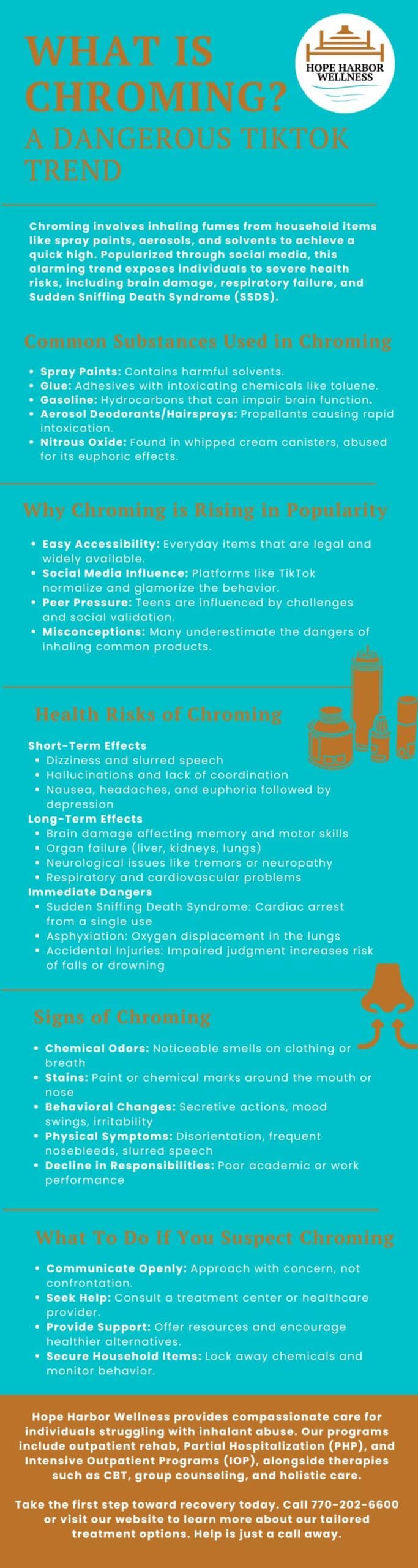
Chroming is the act of inhaling fumes from aerosol cans, solvents, or other household chemicals to experience a euphoric effect. The term “chroming” originated in Australia and is derived from the inhalation of chrome-based paint; however, it has expanded to include a variety of inhalants. These substances are easily accessible, making them particularly appealing to younger individuals who may be seeking a cheap and readily available way to get high.
Inhalants used in chroming can include:
- Spray paints: Often containing solvents and chemicals that produce psychoactive effects when inhaled.
- Glue: Adhesives like model glue contain toluene, a solvent that can induce intoxication.
- Gasoline: Contains hydrocarbons that can be harmful when inhaled.
- Cleaning fluids: Products like spot removers and degreasers contain chemicals that can be misused.
- Nitrous oxide: Found in whipped cream dispensers, also known as “laughing gas.”
- Deodorants and hair sprays: Aerosolized products that can be abused due to their propellant gases.
While the immediate effects might provide a temporary escape or sense of euphoria, the practice carries significant risks that can lead to severe health consequences, including long-term brain damage and even death.
Why Are People Suddenly Chroming?
The sudden rise in chroming can be attributed to several factors that intersect social, psychological, and environmental influences.
Accessibility
One of the primary reasons for the increase in chroming is the easy accessibility of inhalants. Many of these substances are everyday household items that are legal to purchase and possess. This accessibility removes barriers that might prevent individuals, especially teens and young adults, from experimenting with substances that are more difficult to obtain.
Peer Pressure and Curiosity
Adolescence is a time of exploration and identity formation. Peer influence plays a significant role in decision-making during this developmental stage. The desire to fit in, appear adventurous, or gain social acceptance can lead to experimenting with chroming. Curiosity about the effects of inhalants, coupled with a lack of awareness about the dangers, can drive individuals to try chroming without fully understanding the potential consequences.
Lack of Awareness
There is a pervasive misconception that inhaling substances found in common household products is less dangerous than using illicit drugs. This false sense of security stems from the legal status and everyday use of these products. Many individuals are unaware that inhaling these chemicals can be just as harmful, if not more so, than using controlled substances. The lack of education and open dialogue about the risks associated with inhalant abuse contributes to its prevalence.
Social Media Influence
In the digital age, social media platforms have a profound impact on behavior and trends. The rapid dissemination of information, challenges, and viral content can normalize risky behaviors like chroming. The glorification of such activities online can make them appear exciting or socially acceptable, increasing the likelihood that individuals will engage in them without considering the dangers.
What is the Chroming Challenge on Social Media?
Social media platforms like TikTok, Instagram, and Snapchat have become breeding grounds for viral challenges, some of which are harmless, but others pose serious risks. The chroming challenge is a disturbing trend where individuals film themselves inhaling fumes from aerosols or other chemicals and share the videos online, often accompanied by music or daring others to do the same.
This challenge glamorizes the act of chroming, making it seem like a thrilling or rebellious activity. The problem is exacerbated by the algorithms of social media platforms, which can amplify such content and expose it to a wider audience, including impressionable teens and young adults.
Risks of the Chroming Challenge:
- Normalization of Dangerous Behavior: By portraying chroming as a fun or trendy activity, it diminishes the perceived risks and seriousness of inhalant abuse.
- Encouragement of Imitation: Viewers, especially adolescents seeking acceptance or recognition, may feel compelled to try it themselves to gain likes, followers, or social validation.
- Lack of Regulation: Social media platforms often struggle to monitor and remove harmful content promptly, allowing dangerous trends to spread unchecked.
Parents and guardians need to be vigilant about their children’s online activities and engage in open conversations about the potential dangers of participating in such challenges.
The Meaning of Huffing vs. Chroming
While both huffing and chroming involve inhaling substances for a psychoactive effect, there are distinctions between the two practices that are important to understand.
Huffing
“Huffing” is a general term used to describe the inhalation of chemical vapors to achieve a high.
This can involve various methods, such as:
- Soaking a Cloth: Saturating a cloth with a chemical and placing it over the mouth and nose to inhale the fumes.
- Direct Inhalation: Breathing in vapors directly from containers or bottles.
- Bagging: Spraying or pouring chemicals into a bag and inhaling the concentrated fumes.
Huffing encompasses a wide range of substances, including solvents, gases, and nitrates.
Chroming
“Chroming” specifically refers to the inhalation of aerosol sprays or volatile solvents, often associated with chrome-based paint products, which is where the term originated.
Chroming typically involves:
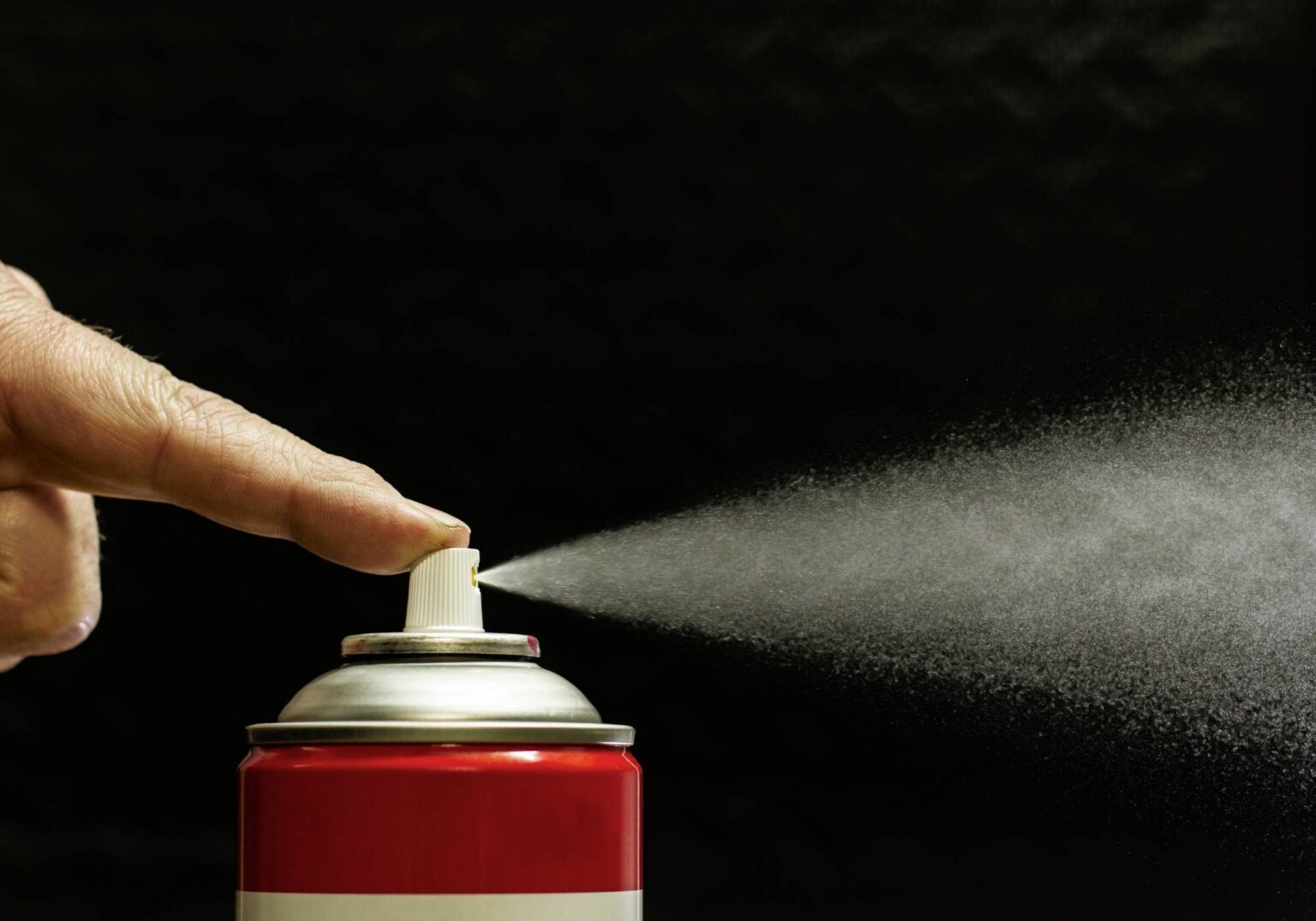
- Inhaling Aerosol Sprays: Spraying the product directly into the mouth or nose or into a bag before inhalation.
- Targeting Specific Products: Focusing on products known to produce stronger or more immediate effects, such as spray paints and metallic paints.
While both practices are forms of inhalant abuse and carry similar risks, chroming is often associated with certain products and methods that can be particularly hazardous due to the chemicals involved.

What Are the Side Effects and Dangers of Chroming?
Chroming produces a rapid onset of effects because the inhaled chemicals quickly enter the bloodstream through the lungs, reaching the brain within seconds. While users may seek the short-lived euphoria, hallucinations, or feelings of relaxation, they often overlook the severe side effects that can have immediate and lasting impacts on their health.
Short-Term Side Effects:
- Dizziness and Lightheadedness: The sudden rush can cause loss of balance and coordination.
- Slurred Speech: Communication becomes impaired, making it difficult to articulate thoughts clearly.
- Lack of Coordination: Motor skills are affected, increasing the risk of accidents and injuries.
- Visual Distortions and Hallucinations: Altered perception can lead to dangerous behaviors.
- Nausea and Vomiting: The body’s natural response to toxic substances can result in gastrointestinal distress.
- Headaches: Chemical exposure and oxygen deprivation can cause intense headaches.
- Euphoria Followed by Depression: The high is often followed by feelings of sadness or irritability as the effects wear off.
Immediate Dangers:
- Sudden Sniffing Death Syndrome: A single session of chroming can cause heart failure due to cardiac arrhythmia.
- Asphyxiation: Inhaling chemicals can displace oxygen in the lungs, leading to suffocation.
- Choking on Vomit: Loss of consciousness can result in vomiting and aspiration, which can be fatal.
- Injuries from Impaired Judgment: Accidents such as falls, drowning, or traffic accidents can occur due to impaired faculties.
Long-Term Side Effects:
- Brain Damage: Chronic inhalant use can lead to permanent damage to brain cells, affecting cognitive functions such as memory, attention, and problem-solving.
- Organ Damage: Vital organs like the liver, kidneys, and bone marrow can suffer irreversible harm, leading to conditions like hepatitis or renal failure.
- Hearing Loss: Certain chemicals can damage the auditory nerves, resulting in partial or complete hearing loss.
- Neurological Issues: Persistent use can cause muscle spasms, tremors, or numbness due to nerve damage.
- Respiratory Problems: Chronic coughing, wheezing, and increased susceptibility to lung infections are common among long-term users.
The cumulative effect of these side effects can severely diminish the quality of life and may require extensive medical intervention to manage.
What Is Sudden Sniffing Death Syndrome?
Sudden Sniffing Death Syndrome (SSDS) is a fatal condition that can occur when an individual abuses inhalants, leading to unexpected cardiac arrest or heart failure. What makes SSDS particularly alarming is that it can happen after just one use, even in otherwise healthy individuals with no prior heart conditions.
When someone inhales toxic chemicals found in substances like aerosols, solvents, or gases, these chemicals rapidly enter the bloodstream through the lungs. They quickly reach the heart and can sensitize it to adrenaline and other stress hormones. This heightened sensitivity can trigger irregular heart rhythms, known as arrhythmias.
During inhalant use, a sudden surge of adrenaline—possibly from excitement, fear, or physical activity—can cause the heart to enter ventricular fibrillation. This is a life-threatening condition where the heart’s electrical activity becomes chaotic, and it quivers instead of pumping blood effectively. Without immediate medical intervention, ventricular fibrillation can lead to death within minutes.
Why Is SSDS So Dangerous?
- Unpredictability: SSDS can strike without warning, making it incredibly dangerous. There is no way to predict who will be affected, as it doesn’t necessarily depend on the amount of inhalant used or the duration of use.
- First-Time Use Risks: Even first-time inhalant users are at risk. The misconception that trying inhalants once is harmless can have deadly consequences.
- Rapid Onset: The progression from inhalant use to cardiac arrest can be almost instantaneous, leaving little time for emergency response.
Can Huffing Kill You?
Yes, huffing can be fatal. The practice carries the risk of death even for first-time users. Sudden Sniffing Death Syndrome is a critical concern, where an individual experiences sudden cardiac arrest after inhaling chemicals. The inhaled substances can sensitize the heart to adrenaline, causing it to become overstimulated and stop beating effectively.
Other ways huffing can lead to death include:
- Suffocation: Inhalants can displace oxygen in the lungs, leading to hypoxia and suffocation.
- Choking on Vomit: Loss of consciousness increases the risk of vomiting and aspiration, blocking airways.
- Fatal Injuries: Impaired judgment and motor skills can result in accidents, such as falls or drowning.
- Fire and Explosion Risks: Many inhalants are highly flammable; using them near open flames or cigarettes can lead to fires or explosions.
These risks underscore the critical need for awareness and immediate intervention when huffing is suspected.
What Are the Signs Indicating That Someone Has Been Using Inhalants?
Recognizing the signs of inhalant use can be crucial in providing timely help and preventing further harm. Common indicators include:
- Chemical Odors: A distinct smell of solvents, gasoline, or chemicals on breath, clothing, or in the immediate environment.
- Paint or Chemical Stains: Traces of paint or other substances around the mouth, nose, or on clothing and hands.
- Disorientation: Confusion, lack of focus, or appearing “spaced out.”
- Red or Runny Eyes and Nose: Irritation from chemical exposure can cause bloodshot eyes and nasal congestion.
- Slurred Speech: Difficulty speaking clearly due to impaired motor control.
- Nausea and Loss of Appetite: Gastrointestinal disturbances leading to weight loss.
- Mood Swings: Sudden changes in mood, irritability, or unexplained aggression.
- Frequent Nosebleeds: Irritation and damage to nasal passages can cause bleeding.
- Secretive or Unusual Behavior: Hiding products, avoiding eye contact, or being evasive about activities.
- Decline in Personal Hygiene: Neglecting grooming and cleanliness.
- Poor Academic or Work Performance: Decreased concentration and absenteeism leading to declining performance.
- Empty Containers: Finding discarded aerosol cans, solvent bottles, or chemical containers in unusual places.
If these signs are observed, it is important to approach the individual with empathy and concern, avoiding accusations or confrontations that may lead to denial or further secrecy.
What are the Long-Term Side Effects of Chroming?
Prolonged chroming can lead to irreversible damage that affects multiple aspects of an individual’s health and well-being.
Neurological Damage
- Cognitive Impairments: Chronic inhalant use can result in persistent problems with memory, attention, and executive functions, making daily tasks and learning new skills challenging.
- Motor Skill Dysfunction: Damage to the nervous system can impair coordination and fine motor skills, affecting activities that require precision.
- Peripheral Neuropathy: Nerve damage can cause chronic pain, numbness, or tingling sensations in the hands and feet.
Psychological Effects
- Depression and Anxiety: Chemical imbalances in the brain may lead to mood disorders, requiring long-term mental health treatment.
- Psychosis: Some individuals may experience hallucinations or delusions even when not using substances.
- Addiction: Psychological dependence on inhalants can develop, making cessation difficult without professional help.
Physical Health Issues
- Organ Failure: Chronic exposure to toxic chemicals can lead to liver and kidney failure, necessitating medical interventions like dialysis or transplants.
- Respiratory Problems: Long-term lung damage increases the risk of chronic obstructive pulmonary disease (COPD) and other respiratory illnesses.
- Cardiovascular Issues: Heart damage, including arrhythmias and weakened heart muscles, elevates the risk of heart attacks and strokes.
- Immune System Suppression: Increased susceptibility to infections due to compromised immune function.
Social and Economic Consequences
- Academic and Occupational Challenges: Cognitive impairments and health issues can hinder educational achievements and career progression.
- Relationship Strain: Behavioral changes and priorities centered around substance use can damage relationships with family and friends.
- Financial Difficulties: The cost of medical treatments, legal issues, and sustaining substance use can lead to financial instability.
- Legal Problems: Engaging in illegal activities to obtain substances or as a result of impaired judgment can result in criminal charges.
These long-term side effects highlight the importance of early intervention and sustained support to prevent permanent damage.
What are the Risks of Chroming?
Chroming poses numerous risks that extend beyond immediate health concerns, affecting various facets of an individual’s life.
- Addiction Potential: Regular use can lead to both psychological and physical dependence, creating a cycle that is hard to break without professional help.
- Gateway to Other Substances: Experimenting with inhalants may lower inhibitions and lead to the use of other, potentially more dangerous drugs.
- Social Isolation: Behavioral changes, mood swings, and prioritizing substance use over relationships can push loved ones away, leading to loneliness and depression.
- Legal Ramifications: While possession of household products is legal, using them to get high may lead to charges related to public intoxication, endangering minors, or other offenses.
- Financial Strain: The ongoing need to purchase products for chroming, coupled with potential medical and legal expenses, can lead to significant financial burdens.
- Educational and Career Impact: Impaired cognitive functions and absenteeism can result in poor academic performance or job loss.
- Risk of Violence or Abuse: Altered mental states can make individuals more vulnerable to being victims or perpetrators of violence.
The multifaceted risks associated with chroming emphasize the need for comprehensive strategies that address not only the substance use but also the underlying factors contributing to the behavior.

What to Do if You Suspect Someone of Chroming
If you suspect that a loved one is engaging in chroming, taking prompt and thoughtful action is crucial to ensure their safety and well-being.
Open Communication
- Express Concern: Approach the person in a calm, non-confrontational manner. Let them know you care about them and are worried about their health.
- Listen Actively: Give them space to talk about their feelings and experiences without interrupting or judging.
- Avoid Accusations: Focus on observations and facts rather than making accusations that could lead to defensiveness.
Seek Professional Help
- Consult a Healthcare Professional: Encourage them to see a doctor who can assess their health and provide medical advice.
- Contact a Treatment Center: Facilities like Hope Harbor Wellness offer specialized programs for substance abuse and mental health issues.
- Consider Counseling: Suggest individual or group therapy to address underlying emotional or psychological factors.
Provide Support
- Offer Assistance: Help them find resources, schedule appointments, or accompany them to support meetings.
- Educate Yourself: Understanding chroming and its effects can help you provide informed support.
- Encourage Healthy Alternatives: Promote activities that can replace substance use, such as sports, arts, or volunteer work.
Safety Measures
- Secure Hazardous Products: Keep household chemicals locked away or out of reach.
- Monitor Behavior: Stay observant of changes in habits, mood, or social circles.
- Prepare for Emergencies: Know the signs of overdose and have emergency contact information readily available.
Involve Professionals if Necessary
- Intervention Specialists: In cases where the individual is resistant to help, a professional intervention may be necessary.
- Legal Authorities: If the person poses an immediate danger to themselves or others, contacting authorities may be required for their safety.
Remember that recovery is a process, and patience, compassion, and persistence are key in supporting someone struggling with inhalant abuse.
Inhalant Addiction Treatment Atlanta, GA
Located in the serene suburbs of Atlanta, Hope Harbor Wellness is your ally in the fight against inhalant addiction in Atlanta. Our drug rehab center, dedicated to holistic recovery, is ideally situated to offer you the support you need.
Our compassionate outpatient program collaborates with top-tier medical inhalant detox facilities, ensuring a safe and effective detox process. Once free from addictive substances, you can seamlessly transition into one of our specialized outpatient treatment programs at Hope Harbor Wellness, designed to address substance use disorders:
- Outpatient Rehab: A flexible program tailored to fit into your daily life.
- PHP (Partial Hospitalization Program): Offers a structured yet non-residential approach to treatment.
- IOP (Intensive Outpatient Program): Provides more intensive care while allowing you to maintain daily responsibilities.
- Dual Diagnosis Treatment Program: Caters to those with co-occurring mental health disorders.
Our inhalant addiction treatment programs incorporate a variety of interventions:
- MAT (Medication-Assisted Treatment): Utilizes medications to ease withdrawal symptoms and cravings.
- Psychotherapy (CBT or DBT): Addresses underlying psychological aspects of addiction.
- Group Therapy: Offers peer support and shared learning experiences.
- Individual Therapy: Provides personalized guidance and support.
- Family Therapy: Helps heal and strengthen family relationships.
- Holistic Therapies: Focuses on overall well-being, including physical, emotional, and spiritual health.
- Aftercare: Ensures ongoing support post-treatment.
Embark on your journey from addiction to recovery with Hope Harbor Wellness. Trust in our dedicated team to guide you every step of the way. For more information on inhalant addiction treatment in Atlanta, GA or to start your journey, call our admissions team at 770-573-9546 or fill out our online contact form.