
If you are searching “how long does MDMA last,” you are probably trying to figure out what to expect after taking ecstasy or molly, or you are worried about how long someone will feel impaired, unsafe, or “not right.” MDMA affects the brain and body in a few distinct phases, and people often notice that the experience does not end the moment the “high” fades. There can also be after-effects that show up later, including fatigue, irritability, low mood, or sleep disruption.
In most cases, the main noticeable effects of MDMA last several hours. Many people report an experience in the range of 3 to 5 hours for the core effects, with possible lingering or after-effects into the next day or longer. Individual experiences vary, and factors like dose, purity, frequency of use, body chemistry, and mixing substances can make effects stronger, longer, or riskier.
Safety note: This page is educational, not medical advice. If someone has trouble breathing, cannot stay awake, has seizures, chest pain, severe overheating, confusion, or fainting, call 911 right away. If you are in immediate emotional distress, call or text 988.
MDMA timeline at a glance
MDMA does not feel the same from start to finish. Many people experience a predictable pattern, even though exact timing can vary.
- Onset: often within 30 to 60 minutes
- Peak: commonly around 1 to 3 hours after taking it
- Main effects: often several hours total for the core experience
- Comedown: can begin as the main effects fade and may last into the next day
- After-effects: fatigue, low mood, poor sleep, or brain fog can linger for 1 to 3 days for some people
This is why someone can feel “fine” at one point, then feel depleted later. The drug can stress the body and disrupt sleep and hydration, and it also affects serotonin and other brain chemicals tied to mood and sleep regulation.
What is MDMA?
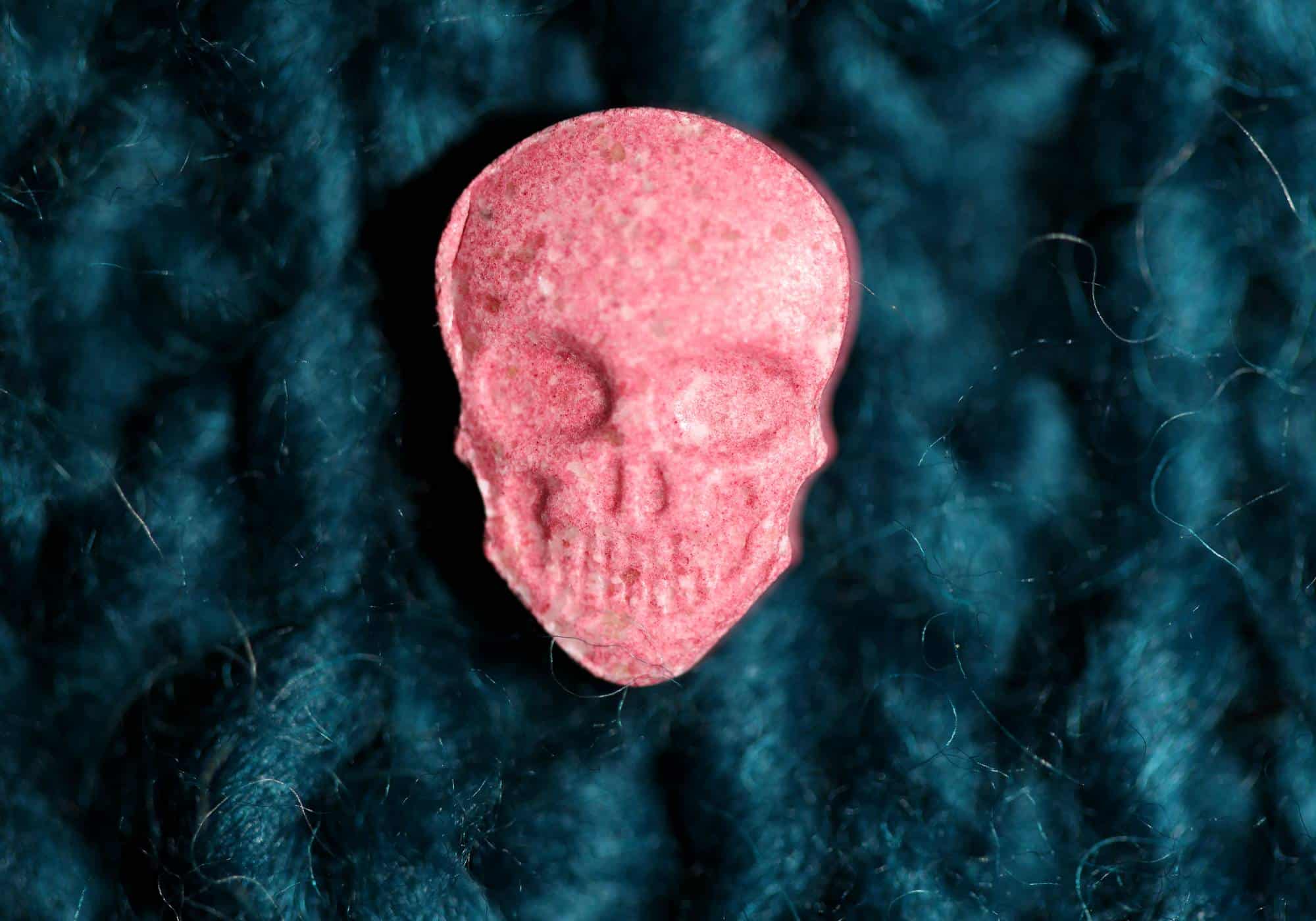
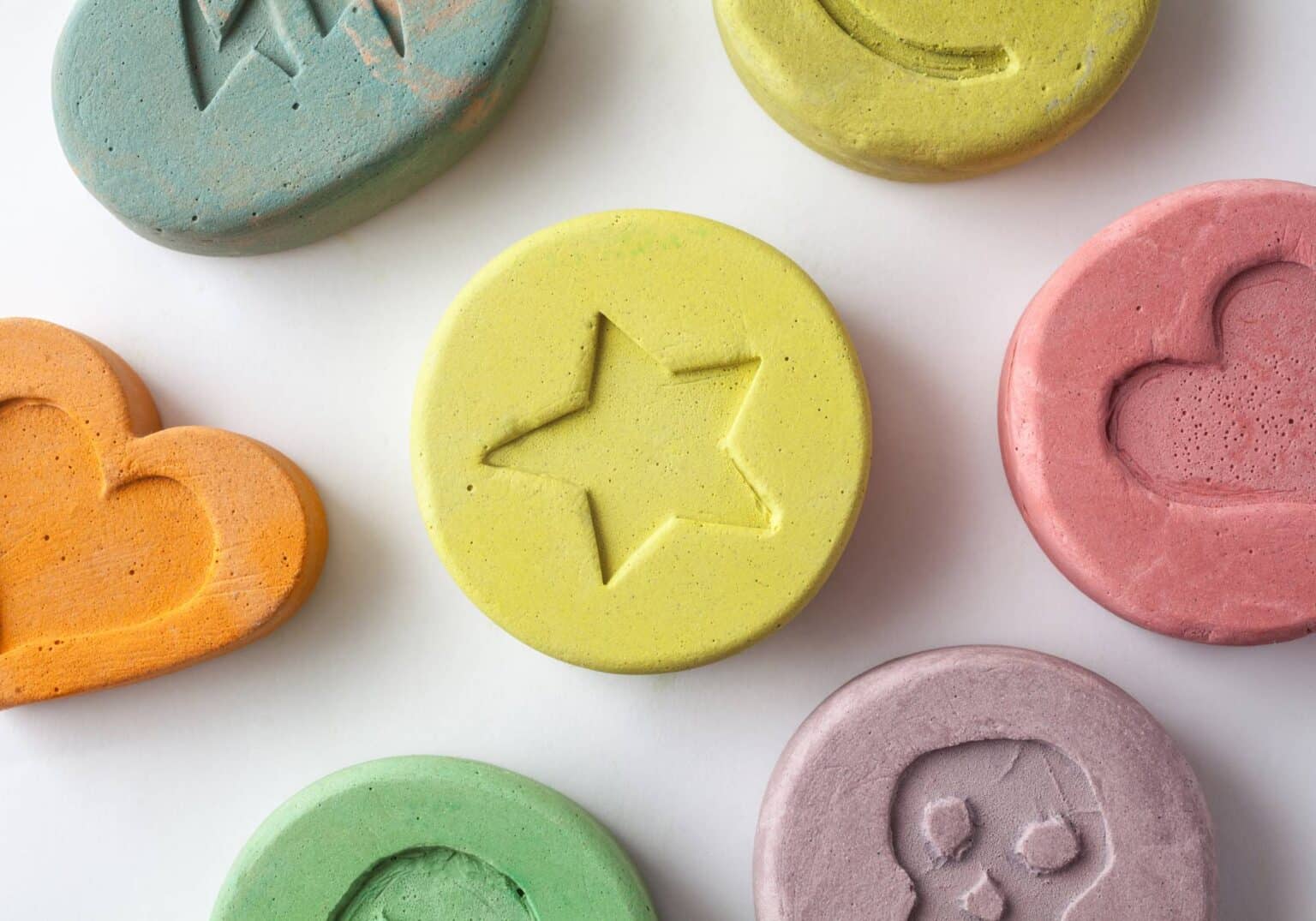
MDMA is short for 3,4-methylenedioxymethamphetamine. It is commonly sold as “ecstasy” (often pressed pills) or “molly” (often marketed as powder or crystals). It is typically used for feelings of euphoria, emotional warmth, empathy, energy, and sensory enhancement.
One major risk is that products sold as MDMA can be adulterated with other substances. That means the effects can be more unpredictable and more dangerous than someone expects. Even among pills or powders that are labeled the same, potency can vary widely from batch to batch.
How long does the MDMA high last?
Most people ask this question because they want to know how long the “high” itself lasts. For many people, the core experience is measured in hours, not minutes. A common reference point is that the main noticeable effects last roughly 3 to 5 hours for many users, although some people report longer experiences depending on dose, product strength, and individual factors.
It also helps to separate “how long it lasts” into a few pieces:
- How long you feel it strongly, which often includes a peak phase and a gradual decline
- How long you feel altered, which can include lingering stimulation, sensitivity, or difficulty sleeping
- How long the after-effects last, such as tiredness, irritability, low mood, or brain fog
Someone might feel the “best” part for a few hours, then feel “wired but tired” afterward, then feel emotionally flat the next day. All of that matters for safety, driving, work, and decision-making.
When does MDMA kick in?
Many people feel initial effects within 30 to 60 minutes. Early signs can include a change in body temperature, mild stimulation, increased talkativeness, or a sense that something is “coming up.” Some people also experience anxiety or nausea during this phase.
If someone feels intense symptoms very quickly, or the experience feels dramatically different than expected, it may indicate a stronger product or an adulterant. In that situation, it is safer to monitor closely and seek help if concerning symptoms appear.
When does MDMA peak?
Peak effects commonly occur around 1 to 3 hours after taking MDMA. During this time, people may feel elevated mood, increased sociability, emotional openness, and strong sensory effects. Physical effects can include increased heart rate, sweating, jaw clenching, or restlessness.
Peak intensity can also increase risks, especially if someone is in a hot environment, dancing for long periods, not sleeping, or mixing substances.
How long does the comedown last?
The comedown is the period when the strongest effects fade and the body begins to feel depleted. Some people describe it as “coming back down to earth.” The comedown can be mild for one person and rough for another.
It may involve:
- fatigue
- irritability
- sadness or emotional sensitivity
- trouble sleeping
- headache or body aches
- anxiety or restlessness
For some people, the comedown is mostly over by the next day. For others, mood and sleep can be disrupted for several days, especially after higher doses or repeated use.
How long do MDMA after-effects last?
Even after the “high” is gone, some people notice after-effects that can last 1 to 3 days. This is not a guarantee, but it is common enough that people should plan for it.
After-effects can include:
- low energy
- brain fog
- depressed mood or irritability
- reduced appetite
- sleep disruption
- increased anxiety
Why does this happen? MDMA affects neurotransmitters, including serotonin, that influence mood and sleep. It can also disrupt sleep and strain the body through dehydration, overheating, and prolonged physical activity.
Why MDMA may last longer for some people
Two people can take what they believe is “the same amount” and have very different outcomes.
Here are common reasons MDMA may feel stronger or last longer:
- Higher dose or stronger product: Potency varies, especially with non-prescribed products.
- Repeated use in a short time: Using again before the body recovers can worsen the comedown and extend after-effects.
- Sleep deprivation: Lack of sleep can intensify anxiety and prolong recovery.
- Dehydration or overheating: Physical strain can make the next day much worse.
- Mixing substances: Alcohol and other drugs can change effects and increase danger.
- Individual metabolism: Liver function, genetics, and overall health can change how quickly the body clears substances.
It is also important to remember that some products sold as MDMA contain additional stimulants or other substances. That can extend the experience, increase anxiety, or create symptoms that do not match “typical MDMA.”
MDMA risks that matter during the timeline
People often focus on the “fun” effects and forget that MDMA can create medical risks, especially in certain environments or combinations.
Overheating and dehydration
MDMA can increase body temperature and make overheating more likely, especially at parties or clubs. Sweating and prolonged dancing can also cause dehydration. Both issues can become serious quickly.
Drinking too much water
Some people overcorrect dehydration and drink excessive water quickly. In certain situations, that can contribute to dangerously low sodium. Both dehydration and overhydration can be risky. If someone is confused, vomiting repeatedly, fainting, or behaving unusually, treat it as urgent.
Heart strain and blood pressure
MDMA can increase heart rate and blood pressure. People with underlying heart conditions, dehydration, or stimulant sensitivity may be at higher risk of serious complications.
Serotonin syndrome risk
MDMA affects serotonin. Combining it with other substances that also increase serotonin can increase the risk of serotonin syndrome, which can be life-threatening. If someone has severe agitation, confusion, fever, muscle rigidity, or rapid heart rate, seek emergency help.
Mixing MDMA with alcohol or other drugs
Mixing substances is one of the most common reasons MDMA experiences turn dangerous. Alcohol can worsen dehydration, impair judgment, and make it harder to notice warning signs. Other stimulants can increase heart strain and overheating. Sedatives can increase confusion and risk.
If someone is mixing MDMA with other substances, it is a strong sign to take safety seriously and consider professional help if this is part of an ongoing pattern.
How long does MDMA stay in your system?
This page is focused on how long the effects last. “Staying in your system” usually refers to detection in drug tests and how long the body takes to clear the substance. That timeline can be longer than the noticeable high.
If you are looking for detection windows, see How Long Does MDMA (Ecstasy) Stay in Your System?
Signs someone may need medical help right now
Call 911 or seek emergency care if someone has:
- trouble breathing or very slow breathing
- seizures
- severe overheating, confusion, or collapse
- chest pain or fainting
- uncontrolled agitation or hallucinations
- cannot be awakened
If you are unsure, it is safer to get help than to wait.
When MDMA use becomes a bigger problem
Not everyone who uses MDMA develops an addiction, but patterns can change over time. Some people start using more often, mixing substances, or using in riskier settings. Others use MDMA to cope with anxiety, depression, loneliness, or trauma, which can set up a cycle of short-term relief followed by worse mood later.
Consider reaching out for support if:
- you feel cravings or keep returning to use even after consequences
- comedowns are getting worse, including anxiety or depression
- you are mixing MDMA with alcohol or other drugs
- use is affecting relationships, work, school, or motivation
- you feel stuck in a pattern you cannot control
Treatment options in Atlanta
Hope Harbor Wellness supports people facing substance use and co-occurring mental health concerns. If MDMA use is affecting your mood, sleep, safety, or relationships, outpatient treatment can help you stabilize and build skills for long-term recovery.
Hope Harbor Wellness offers multiple levels of care depending on what you need:
- Partial Hospitalization Program
- Intensive Outpatient Program
- Outpatient Program
- Outpatient Detox
- Virtual IOP
You may also find these related resources helpful:
Get help now
If you are worried about MDMA use, escalating patterns, or mood crashes after use, you do not have to handle it alone. Hope Harbor Wellness offers confidential support in Atlanta for addiction treatment and mental health care.
If you are ready to talk, reach out at 770-573-9546 or fill out our online contact form today. Start with a confidential conversation and a plan that fits your needs.
Frequently Asked Questions
How long does MDMA last?
For many people, the main noticeable effects last several hours. A common reference point is about 3 to 5 hours for core effects, with after-effects like fatigue or low mood sometimes lasting 1 to 3 days.
How long does it take for MDMA to kick in?
Many people feel effects within 30 to 60 minutes, though timing varies based on dose, product strength, and individual factors.
When does MDMA peak?
Peak effects commonly occur around 1 to 3 hours after taking MDMA, then gradually taper off.
How long does the comedown last?
The comedown can begin as the strongest effects fade and may last into the next day. Some people recover quickly, while others feel off for several days, especially after higher doses or repeated use.
Why do MDMA after-effects last longer than the high?
MDMA can disrupt sleep and stress the body, and it affects neurotransmitters linked to mood and sleep. That is why fatigue or low mood can persist after the main effects end.
Can MDMA last longer if you take more?
Higher doses and repeated use can intensify effects and extend recovery time. Potency and adulterants can also make duration unpredictable.
Is it dangerous to mix MDMA with alcohol?
Mixing substances increases risk. Alcohol can worsen dehydration, impair judgment, and make it harder to recognize warning signs.
When should I seek help for MDMA use?
Consider help if use is escalating, comedowns are worsening, substances are being mixed, or MDMA use is affecting mood, sleep, relationships, or work.