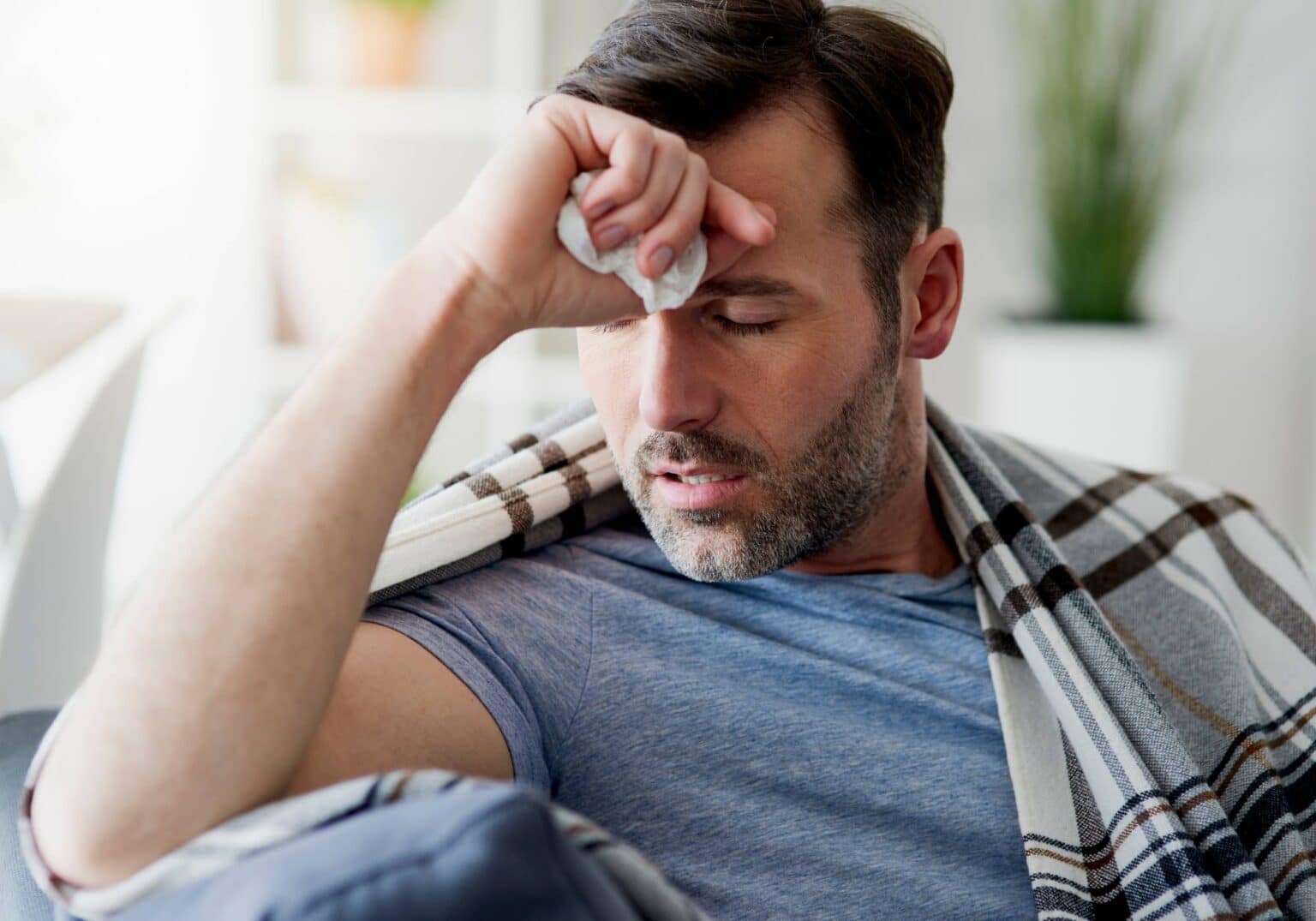

Sweating, hot flashes, and chills are common symptoms during cocaine use and the crash afterward. Some people feel suddenly overheated, drenched in sweat, and restless. Others feel cold and shaky, with goosebumps and alternating waves of heat and chills. It can be scary, especially if it happens out of nowhere or comes with a racing heart.
If you are searching for “cocaine sweating” or “cocaine chills,” you may be trying to understand whether this is normal, how long it should last, and whether it is a warning sign that something more serious is happening. This page explains what causes these temperature swings, what symptoms are common vs urgent, and what helps during the comedown and withdrawal.
Important: This page is educational, not medical advice. If you have chest pain, trouble breathing, fainting, severe confusion, seizures, or a very high fever, call 911 or go to the nearest emergency room. If you feel unsafe or have thoughts of harming yourself, call or text 988.
Why cocaine can make you sweat or feel hot
Cocaine is a powerful stimulant. It activates the nervous system and can raise heart rate, blood pressure, and body temperature. When the body shifts into a “fight-or-flight” state, sweating is one of the ways it tries to cool down and regulate stress. This is why sweating can happen even if the room is cool or you are not exercising.
People often describe it as:
- sudden heat in the face, neck, or chest
- feeling like they cannot cool down
- sweating through clothes, especially during a binge
- clammy skin during the crash
In many cases, the sweating is caused by stimulant overstimulation plus dehydration, lack of sleep, and not eating. When those factors stack, the body becomes less able to regulate temperature smoothly.
Why cocaine can cause chills and shaking
Chills can happen for a few reasons. Some people experience chills while still high, especially if they are anxious, tense, or in a colder environment. More commonly, chills show up during the comedown and early withdrawal.
As cocaine wears off, the body swings in the opposite direction.
People may feel:
- cold, shaky, or weak
- goosebumps or skin sensitivity
- alternating waves of hot and cold
- muscle aches or restlessness
These symptoms can be worsened by dehydration, poor nutrition, sleep deprivation, and anxiety during the crash.
Is sweating a sign of overdose or something dangerous?
Sweating alone does not automatically mean overdose, but it can be part of a dangerous picture when combined with other symptoms. Cocaine increases strain on the cardiovascular system. Some warning signs indicate a potentially serious complication and require urgent medical evaluation.
Seek emergency help if sweating or chills occur with:
- chest pain, pressure, or tightness
- trouble breathing or severe shortness of breath
- fainting, severe dizziness, or confusion
- seizure
- very high fever or inability to cool down
- severe agitation, paranoia, hallucinations, or loss of touch with reality
If you are unsure, it is safer to be evaluated than to wait. Cocaine-related cardiovascular events can happen even in people who consider themselves “healthy,” especially with high doses, dehydration, or mixing substances.
High vs comedown vs withdrawal: when sweating and chills happen
These symptoms can show up at different points depending on how someone uses cocaine and how long the binge lasts.
During the high
During intoxication, sweating and overheating are more common than chills. A person may feel overstimulated, restless, and physically tense. Sweating can be more noticeable if they are dancing, walking a lot, talking rapidly, or in a warm environment. Cocaine can also reduce appetite and thirst, which increases dehydration risk.
During the comedown (the “crash”)
During the crash, temperature swings can happen. Some people feel clammy and cold. Others feel sweaty and anxious. Many experience both. The comedown is also when people are vulnerable to panic, dread, and cravings.
If you want the full crash breakdown, see: Cocaine Comedown
During early withdrawal
After stopping cocaine, some people experience withdrawal symptoms that include sleep disruption, mood changes, restlessness, and physical discomfort. Sweating and chills are not always the main feature, but they can occur, especially if the person is anxious, sleep-deprived, and dysregulated.
For the longer timeline after quitting, see: Cocaine Withdrawal Timeline
Common causes of cocaine sweating, hot flashes, and chills
In real life, these symptoms are rarely caused by one factor. They usually come from a combination of stimulant activation plus depletion.
1) Stimulant-driven temperature increase
Cocaine activates the sympathetic nervous system, which can raise body temperature and trigger sweating. It can also cause a sense of inner “heat” and restlessness.
2) Dehydration and electrolyte imbalance
Many people do not drink enough water while using cocaine. Sweating without replacing fluids can worsen dehydration. Dehydration can increase heart strain, muscle cramps, dizziness, and chills.
3) Sleep deprivation
Cocaine often disrupts sleep. Long periods without sleep can make the body feel shaky, feverish, or unable to regulate temperature well. Sleep deprivation also amplifies anxiety, which can worsen sweating and chills.
4) Anxiety and panic
Panic can cause sweating, shaking, chills, and hot flashes. Cocaine increases anxiety risk, especially during the comedown. People can interpret physical symptoms as danger, which can trigger a panic loop: symptom → fear → more adrenaline → worse symptom.
5) Alcohol or other substance mixing
Mixing substances can worsen temperature swings and increase medical risk. Alcohol can increase dehydration. Sedatives can impair awareness and increase risky decisions. If you are using other substances to “come down,” that is a sign you may benefit from professional support.
6) Contaminants or unexpected potency
Illicit substances are unpredictable. Even if someone believes they are using the “same amount,” potency and contaminants can change the physiological response. If symptoms feel different than usual, treat it seriously.
How long do cocaine sweating and chills last?
There is no exact timeline, but patterns are common:
- During the high: sweating and overheating can occur for hours, especially with redosing.
- During the comedown: chills, clamminess, or alternating hot and cold sensations can occur for 12 to 72 hours.
- After heavy use: dysregulation can linger longer, especially if sleep and nutrition remain poor.
If symptoms persist, worsen, or include fever, chest pain, severe confusion, or fainting, seek medical evaluation.
How to manage sweating, hot flashes, and chills safely
The safest approach is to stabilize the body and reduce nervous system activation. The goal is not to “push through” with more substances. The goal is to lower risk and support recovery.
1) Hydrate slowly and consistently
Sip water steadily. If you have been sweating heavily or not eating, consider electrolytes. Avoid chugging large amounts quickly if you feel nauseated. Small, steady intake is often better tolerated.
2) Eat something simple
Low blood sugar can worsen shakiness and anxiety. Choose easy foods like soup, toast, yogurt, bananas, smoothies, rice, or eggs.
3) Cool down safely or warm up gently
If you feel overheated, move to a cooler environment, loosen clothing, and use a cool washcloth. If you feel chilled, use a blanket or warm shower. Avoid extremes, especially if your heart is racing or you feel faint.
4) Reduce stimulation
Bright lights, loud noise, and chaotic environments can worsen panic and sweating. A calm environment helps the nervous system reset.
5) Use short calming strategies
Try slow breathing with longer exhales. Use grounding techniques to interrupt panic. Gentle walking can help if you feel restless, but do not overexert yourself if your heart is racing.
6) Avoid alcohol or sedatives to “come down”
Using alcohol or pills to force sleep or calm down can increase overdose risk and deepen depression during the crash. If you are relying on other substances to manage comedown symptoms, that is a strong sign to seek support.
Why sweating and chills can be a turning point
Many people ignore early warning signs until the body starts showing clear stress signals. Temperature swings can be a sign that the nervous system is being pushed beyond what it can regulate comfortably. It can also be a sign that use is escalating, especially if it happens after binging or repeated redosing.
If you are experiencing physical symptoms like sweating, chills, jaw clenching, or nosebleeds, it may be time to consider getting help before the next consequence is more severe.
Related symptom pages:
When to seek treatment for cocaine use
You do not have to use cocaine daily for it to be a serious problem. Many people struggle with binge use, weekend cycles, or “I can stop for a while, then it comes back.” Treatment can help you break the loop and stabilize your mental health, sleep, and stress response.
Consider reaching out if:
- you keep using despite scary physical symptoms
- the crash leads to depression, panic, or strong cravings
- you are using cocaine to cope with stress, trauma, or anxiety
- you have tried to stop and keep relapsing
- you mix substances to manage the comedown
Treatment options in Atlanta
Hope Harbor Wellness provides evidence-based care for stimulant addiction and co-occurring mental health needs. Many people benefit from structured outpatient treatment that provides accountability, coping tools, and relapse prevention planning.
Hope Harbor Wellness offers multiple levels of care depending on what you need:
- Partial Hospitalization Program
- Intensive Outpatient Program
- Outpatient Program
- Outpatient Detox
- Virtual IOP
Get help now
If cocaine use is causing sweating, chills, panic, or other physical warning signs, support can help you regain stability. Hope Harbor Wellness in Atlanta offers confidential help for substance use and mental health.
If you are ready to talk, reach out at 770-573-9546 or fill out our online contact form today. Start with a confidential conversation and a plan that fits your needs.
Related reading
Frequently Asked Questions
Does cocaine make you sweat?
Yes. Cocaine is a stimulant that can raise heart rate, increase nervous system activation, and raise body temperature, which can trigger sweating and hot flashes.
Why do I get chills after cocaine?
Chills can happen during the comedown as the body rebounds from stimulant activation. Dehydration, lack of sleep, anxiety, and poor nutrition can make chills and shaking worse.
How long do cocaine sweating and chills last?
Sweating can occur during intoxication for hours. Chills and temperature swings may occur during the comedown for 12 to 72 hours, and can last longer after heavy use if sleep and nutrition remain poor.
Is sweating a sign of cocaine overdose?
Sweating alone does not always mean overdose, but it can be part of a dangerous situation if it occurs with chest pain, trouble breathing, fainting, severe confusion, seizures, or very high fever. Seek urgent care if severe symptoms occur.
What helps with hot flashes and chills during a cocaine comedown?
Hydration, electrolytes, simple food, a calm environment, and gentle temperature regulation can help. Avoid alcohol or sedatives to come down, since mixing substances increases risk.
Can cocaine withdrawal cause sweating?
Some people experience sweating or chills during early withdrawal, especially if anxiety and sleep disruption are present. Symptoms vary based on use pattern and overall health.
When should I go to the ER?
Go to the ER for heavy symptoms like chest pain, severe shortness of breath, fainting, seizures, severe confusion, hallucinations, or very high fever.
When should I seek treatment?
Consider treatment if cocaine use causes physical warning signs, if the crash leads to panic or depression, if you mix substances to cope, or if you cannot stop despite wanting to.