
If you’ve ever looked at medical paperwork and wondered what “EtOH” means, you’re not alone. “EtOH” is one of the most common abbreviations used in hospitals, urgent care visits, EMS notes, and behavioral health records, and it can show up in everything from lab results to discharge instructions.
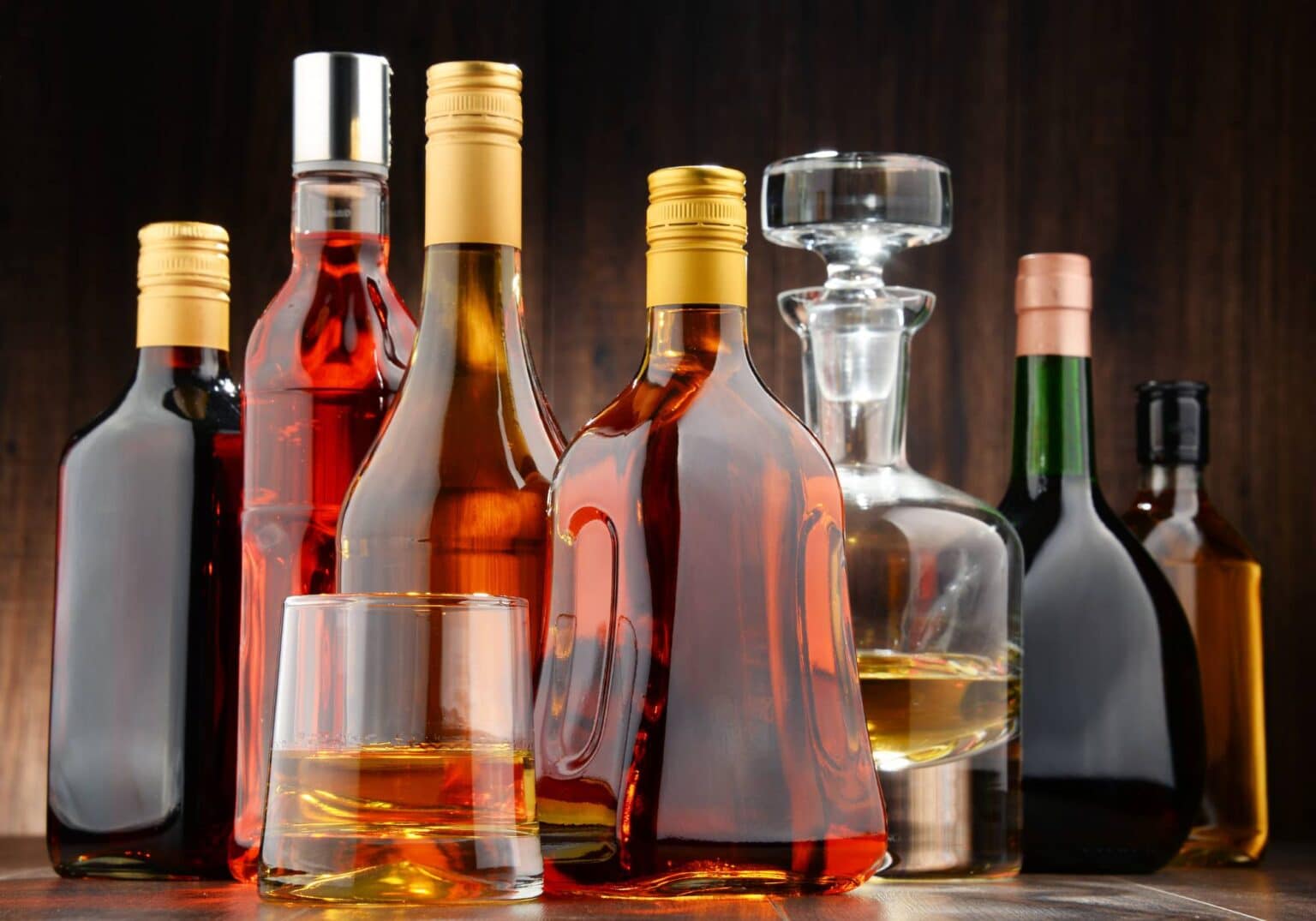
EtOH means ethyl alcohol, also called ethanol. It refers to the type of alcohol found in beer, wine, and liquor. In medical settings, clinicians often write “EtOH” as shorthand when documenting alcohol use, alcohol intoxication, withdrawal risk, or alcohol-related health concerns.
In this guide, we’ll break down what EtOH means, why providers use it, what “EtOH abuse” implies in chart notes, and what to do if alcohol use is starting to impact your health, relationships, or safety.
What does EtOH mean?
EtOH is the medical abbreviation for ethanol (ethyl alcohol). Ethanol is the psychoactive ingredient in alcoholic drinks.
When you see “EtOH” in a medical note, it almost always points to alcohol use in some way, such as:
- Alcohol use history (how often you drink, how much, and for how long)
- Current alcohol intoxication (drinking recently, impaired behavior, or elevated blood alcohol levels)
- Alcohol withdrawal risk (symptoms after stopping or reducing drinking)
- Alcohol-related health problems (sleep issues, anxiety, liver strain, blood pressure changes, gastritis, injuries, and more)
It’s also common to see EtOH used as part of a phrase rather than alone. For example, a note may say “EtOH use,” “EtOH dependence,” “EtOH withdrawal,” or “EtOH intoxication.” We’ll translate those terms in a later section.
Why do doctors write “EtOH” instead of “alcohol”?
Medical documentation has a long history of abbreviations. Clinicians use “EtOH” because it’s short, widely understood in healthcare, and fast to document in busy environments like emergency rooms and inpatient units.
There are also a few practical reasons EtOH tends to show up frequently:
- Standard charting language: Many templates and checkboxes in electronic medical records include “EtOH.”
- Clinical clarity: “Alcohol” can refer to different alcohols in chemistry. “EtOH” specifically means ethanol (the drinking alcohol).
- Quick risk identification: Alcohol use impacts medication safety, anesthesia risk, withdrawal risk, and mental health symptoms.
- Consistency across teams: EMS, ER staff, nurses, and physicians often share notes, and EtOH is a common shared shorthand.
If you see EtOH documented, it doesn’t automatically mean you have an alcohol use disorder. It may simply mean alcohol was discussed, screened for, or relevant to the visit.
EtOH vs alcohol vs ethanol: are they the same?
In day-to-day conversation, “alcohol” usually means ethanol, the kind people drink. In chemistry, “alcohol” can also refer to an entire category of compounds. That’s why medical notes often prefer “EtOH,” which clearly indicates ethanol.
Here’s a simple breakdown:
- Ethanol (EtOH): Drinking alcohol found in beer, wine, and liquor.
- Alcohol (general term): In everyday language it usually means ethanol, but in science it can mean many different compounds.
- Other alcohols (not for drinking): Isopropyl alcohol (rubbing alcohol) and methanol are different substances and can be dangerous if ingested.
So when you see “EtOH” in a chart, you can safely interpret it as drinking alcohol / ethanol, not rubbing alcohol or another chemical.
What does “EtOH abuse” mean?
“EtOH abuse” is an older, informal way some clinicians describe harmful alcohol use.
In modern clinical language, providers more often document alcohol-related concerns using terms like:
- Unhealthy alcohol use
- Problem drinking
- Alcohol misuse
- Alcohol use disorder (AUD)
When a chart says “EtOH abuse,” it typically means the clinician believes alcohol is contributing to health, safety, or functioning problems. That might include things like repeated intoxication, withdrawal symptoms, alcohol-related injuries, DUI risk, strained relationships, missed responsibilities, sleep disruption, worsening anxiety or depression, or mixing alcohol with medications.
Importantly, “EtOH abuse” in a note isn’t always a formal diagnosis. It may reflect:
- What you reported during intake
- Observed intoxication during the visit
- Past history documented in older records
- A clinician’s concern about risk (especially if withdrawal is possible)
If you’re unsure why it’s written in your chart, it’s okay to ask your provider what they meant and what they recommend going forward.
Common EtOH chart phrases (translated into plain English)
Here are common “EtOH” phrases you may see, plus what they usually mean in practical terms.
“EtOH use”
This typically means alcohol use was reported or discussed. It can range from occasional/social drinking to daily drinking. It doesn’t automatically indicate a disorder.
“EtOH intoxication”
This suggests recent alcohol use with signs of impairment (slurred speech, unsteady gait, confusion, slowed reaction time, poor coordination) or an elevated blood alcohol level. In some cases, it may also involve risky behavior or a medical emergency.
“EtOH dependence”
This usually implies the body has adapted to alcohol and may experience withdrawal symptoms when alcohol use decreases or stops. Dependence can occur with long-term heavy drinking, even if someone doesn’t identify as “addicted.”
“EtOH withdrawal”
This means the clinician believes withdrawal is happening or possible. Withdrawal can range from mild (anxiety, sweating, nausea, insomnia) to severe (seizures, hallucinations, delirium). If a provider flags withdrawal risk, it’s a sign to take the situation seriously and avoid trying to “power through” alone.
“EtOH abuse counseling”
This can mean the provider discussed safer use, recommended reducing or stopping drinking, advised follow-up, or provided resources for support and treatment.
“EtOH-related” (injury, gastritis, pancreatitis, etc.)
This indicates alcohol may be contributing to a condition or complication, such as falls, accidents, stomach inflammation, or other medical concerns.
Why alcohol history matters for your medical care
Clinicians ask about alcohol use for more than one reason.
Alcohol can affect your care plan in ways many people don’t realize, including:
- Medication interactions: Alcohol can increase sedation and breathing suppression when combined with certain prescriptions, and it can worsen side effects for many antidepressants and anxiety medications.
- Anesthesia and procedure risk: Heavy drinking can affect bleeding risk, blood pressure, heart rhythm, and post-procedure recovery.
- Sleep and mental health: Alcohol can make anxiety and depression worse over time, disrupt deep sleep, and increase irritability.
- Blood sugar and appetite changes: Alcohol can affect blood sugar stability and cravings.
- Withdrawal danger: If you drink heavily, stopping suddenly can be medically risky.
This is why providers document EtOH use even during visits that don’t seem “about alcohol.” It’s part of understanding the whole health picture.
How clinicians evaluate whether alcohol use is a problem
Not everyone who drinks has a disorder, and not everyone with alcohol-related harm drinks every day. Clinicians look at patterns and impact.
They may ask questions such as:
- How many days per week do you drink?
- How many drinks do you typically have on drinking days?
- Do you ever drink more than you planned?
- Have you tried to cut back and found it difficult?
- Do you ever drink in the morning, or to steady your nerves?
- Have you had withdrawal symptoms when you stop?
They may also use brief screening tools (short questionnaires), review health history, and consider whether alcohol is affecting relationships, work, school, sleep, mood, or safety.
If you want a quick self-check, you can start with a private screening and then decide what to do next: Am I an alcoholic quiz.
Signs alcohol may be becoming a bigger issue than you intended
People often wait until things feel “really bad” to ask for help, but earlier support can prevent bigger consequences.
Consider talking to a professional if you notice patterns like:
- Needing more alcohol than before to feel the same effect
- Drinking to cope with anxiety, stress, trauma symptoms, or sleep problems
- Regularly drinking more than planned
- Blackouts, memory gaps, or risky decisions while drinking
- Neglecting responsibilities or relationships due to drinking
- Feeling shaky, sweaty, nauseated, or anxious when you don’t drink
- Continuing to drink even when it worsens health symptoms
If any of these feel familiar, that doesn’t mean you’ve “failed.” It means your brain and body may be adapting to alcohol in a way that benefits from support and a structured plan.
EtOH withdrawal: why it can be dangerous
Alcohol withdrawal is one of the few substance withdrawals that can become life-threatening in severe cases. This is why clinicians document withdrawal risk and may recommend medically supervised care.
Withdrawal is more likely if someone has been drinking heavily and regularly for a long time. Symptoms can vary, but common ones include:
- Anxiety, restlessness, irritability
- Tremors or shakiness
- Sweating, nausea, vomiting
- Fast heart rate, elevated blood pressure
- Insomnia and vivid dreams
More severe symptoms can include confusion, hallucinations, seizures, and delirium. If you or someone you care about is at risk for severe withdrawal, it’s safer to get professional guidance than to try to “white-knuckle” it alone.
If someone has severe confusion, seizures, chest pain, trouble breathing, or cannot stay awake, seek emergency help immediately.
What to do if EtOH (alcohol) is affecting your life
If alcohol is showing up in your health records and you’re not sure what to do next, the best next step is a simple one: talk with a professional who can help you understand your risk level and options.
At Hope Harbor Wellness, we support individuals in Atlanta and across Georgia with substance use and mental health care that meets you where you are. Depending on your needs, support can include:
- Assessment and personalized treatment planning
- Therapy focused on coping skills, stress, trauma, and relapse prevention
- Dual diagnosis support (mental health + substance use together)
- Structured outpatient options that help you keep life moving while you get support
Learn more about care options here: Alcohol addiction treatment and Outpatient program.
How to talk to your doctor about alcohol (without feeling judged)
It’s common to worry about being judged, but doctors ask about alcohol because it affects safety and health outcomes.
If you want to have a more productive conversation, try:
- Bring specifics: “I drink about X days a week and usually have Y drinks.”
- Mention patterns: “I’m noticing I drink more when I feel anxious.”
- Ask direct questions: “Is it safe with my meds?” or “Am I at withdrawal risk?”
- Be honest about stopping: “I want to cut back, but I’m not sure how to do it safely.”
If you’ve tried to cut back and it hasn’t worked, that’s useful clinical information, not a personal failure. It helps a provider recommend the right level of support.
Bottom line: EtOH is alcohol, and it’s worth paying attention to the context
EtOH means ethanol (ethyl alcohol). In medical notes, it’s a shorthand that can range from a neutral mention of alcohol use to a marker of intoxication, withdrawal risk, or harmful patterns.
If you’re seeing “EtOH abuse” or “EtOH dependence” in your chart and it doesn’t match your understanding, ask for clarification. If it does match your experience and you’re ready for change, you don’t have to do it alone.
When you’re ready, start here: Take the alcohol self-assessment or explore support options: Alcohol treatment at Hope Harbor Wellness.
Medical disclaimer: This content is for educational purposes and is not a substitute for professional medical advice. If you think you may be experiencing severe withdrawal or a medical emergency, seek immediate help.
Frequently Asked Questions
What does EtOH stand for?
EtOH stands for ethyl alcohol, also called ethanol. It is the type of alcohol found in beer, wine, and liquor. In medical notes, “EtOH” is used as a quick way to document alcohol use, intoxication, withdrawal risk, or alcohol-related health concerns.
Is EtOH the same thing as ethanol?
Yes. EtOH is shorthand for ethanol. Clinicians may write EtOH because it is a standard abbreviation used in medical charting and it clearly points to drinking alcohol rather than other types of alcohol-like chemicals.
Why does my chart say “EtOH use”?
“EtOH use” usually means alcohol use was reported or discussed during your visit. It does not automatically mean you have an alcohol use disorder. It can be a neutral note or a way to flag alcohol as a possible factor in your symptoms, medications, or safety risks.
What does “EtOH abuse” mean in a medical note?
“EtOH abuse” is often used to describe harmful or risky alcohol use that may be affecting health, mood, relationships, or safety. It is not always a formal diagnosis, but it can signal that a provider is concerned about alcohol-related harm or withdrawal risk.
What does “EtOH withdrawal” mean?
“EtOH withdrawal” means a clinician believes withdrawal symptoms are occurring or could occur if alcohol use decreases or stops. Withdrawal can range from mild symptoms like anxiety and insomnia to severe symptoms like seizures or confusion. If withdrawal risk is present, it is safer to talk with a professional rather than trying to stop suddenly without support.
Does EtOH in my chart mean I’m an alcoholic?
Not necessarily. EtOH can appear for many reasons, including routine screening or documentation of occasional drinking. The context matters. If the note includes terms like “withdrawal,” “dependence,” or “abuse,” it may indicate a higher level of concern and is worth discussing with your provider.
When should I seek help for alcohol use?
Consider seeking support if alcohol is causing problems at home, work, or school, if you can’t cut back even when you want to, if you drink to cope with anxiety or sleep, or if you feel withdrawal symptoms when you stop. Getting help earlier can prevent more serious health and safety consequences.