Angel dust—better known to clinicians as PCP (phencyclidine)—continues to surface in emergency rooms and street drug seizures nationwide. Although its heyday was the 1970s, new blends like “wet” (cigarettes or joints dipped in liquid PCP and formaldehyde) have revived interest on the illicit market. Because the drug triggers intense hallucinations, unpredictable aggression, and rapid psychological decline, even one experiment can end in tragedy. PCP’s relapse potential is high, so professional help is critical. At Hope Harbor Wellness we specialize in community-oriented, outpatient solutions—detox, standard outpatient, intensive outpatient (IOP) and partial hospitalization (PHP)—that combine peer support with licensed clinical care.
What Exactly Is Angel Dust?
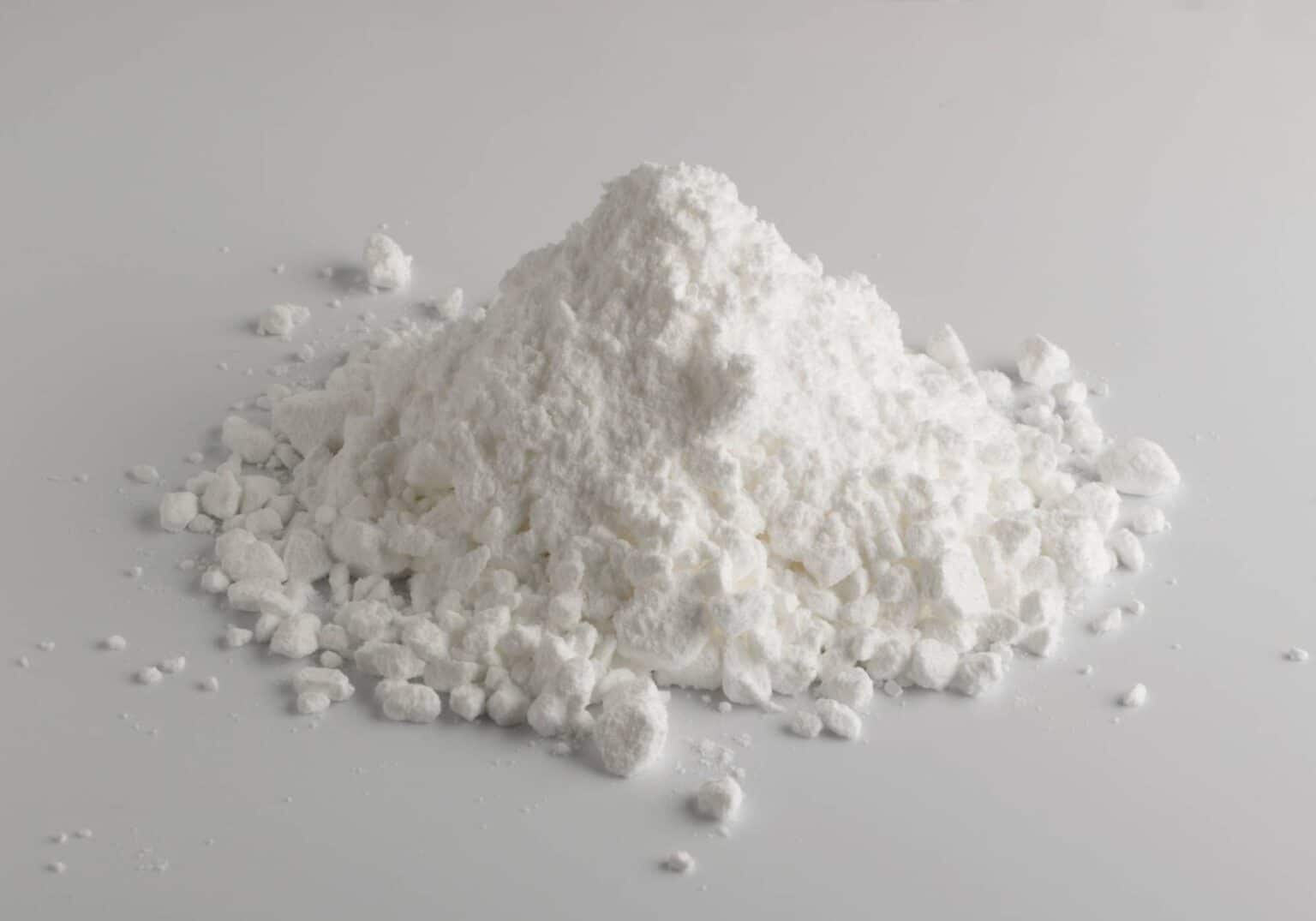
PCP is a synthetic dissociative anesthetic first introduced in the 1950s for surgery. It produced delirium and psychosis, so human use was halted and the compound was relegated to veterinary medicine before being banned outright. Today illicit labs create powder, tablets, capsules, or liquids that smell chemical or slightly sweet.
Street names include:
- Angel dust
- Ozone
- Rocket fuel
- Wack
- Sherm
- Embalming fluid.
Users may snort, swallow, inject, or smoke the drug alone or sprinkled on cannabis or tobacco (“love boat,” “wet”).
How PCP Works in the Brain
PCP blocks NMDA glutamate receptors, disrupting normal communication between brain regions that regulate pain, memory, and emotion. Simultaneously, it floods the dopaminergic reward pathway—inducing euphoria, detachment from reality, and profound hallucinations. The result is a powerful but highly unpredictable dissociative state that can pivot from bliss to violence in seconds. Even small doses may impair coordination; larger doses can trigger psychosis, seizures, or coma.
Short-Term Effects of Angel Dust
- Perceptual distortion: vivid visual or auditory hallucinations, body-distortion sensations.
- Emotional volatility: sudden rage, paranoia, grandiosity—making accidental self-injury or assault likely.
- Neurological issues: slurred speech, ataxia, nystagmus, and anesthesia-like numbness.
- Cardiovascular instability: elevated blood pressure and heart rate that may shift to dangerous hypotension as the drug wears off.
- High pain threshold: Users often feel no pain, raising the risk of severe injuries unnoticed until later.
One review states that PCP-related ER cases frequently involve “severe distortions in perception leading to dangerous behaviors under hallucinations or delusional thinking”.
Long-Term Effects of Angel Dust
Chronic use or repeated binges can produce:
- Persistent psychosis resembling schizophrenia—delusions, disorganized thinking, flat affect.
- Cognitive deficits: impaired memory, slowed information processing, difficulty concentrating.
- Mood disorders: depression, anxiety, suicidal ideation often surface during comedowns.
- Flashbacks: re-experiencing sensory distortions weeks later (similar to hallucinogen persisting perception disorder).
- Physiological toll: weight loss, speech problems, tremors, kidney or liver stress from toxic contaminants.
These complications make integrated mental-health and addiction treatment essential.
Is Angel Dust Addictive?
Yes. While many hallucinogens carry low physical-dependence potential, PCP produces strong psychological cravings and a notable withdrawal profile. Users become tolerant, escalate doses, and feel compelled to re-experience dissociation despite frightening trips or legal trouble.
Signs of Angel Dust addiction include:
- Compulsive seeking or use despite danger.
- Neglect of work, school, or relationships.
- Combining PCP with other substances (alcohol, opioids, benzodiazepines) for greater effect.
- Withdrawal signs when stopping: agitation, anxiety, sweating, tremors, confusion, depression.
Angel Dust Addiction
While long-term data on dissociative drugs are limited, existing research shows that frequent PCP use quickly builds tolerance and dependence. When someone who has been using regularly stops, a withdrawal syndrome can set in, and prolonged use often develops into a substance-use disorder—a chronic condition marked by compulsive drug-seeking in spite of harmful consequences.
Common PCP-withdrawal symptoms
- Intense cravings to use again
- Headaches, mild to severe
- Heavy sweating
- Sudden spike in appetite
- Depressed mood or hopelessness
- Excessive sleep or long periods of fatigue
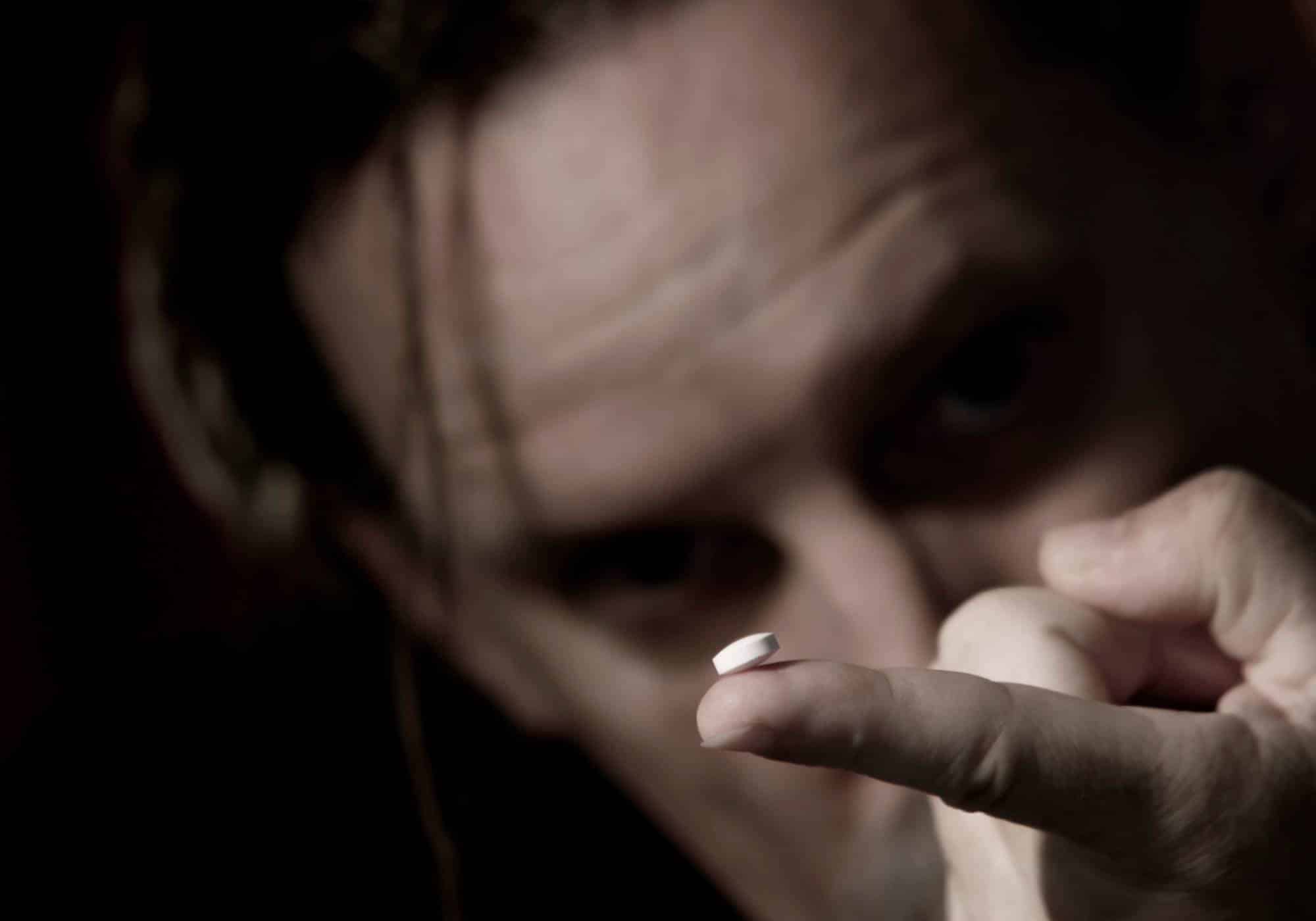
Angel Dust Withdrawal and Detox Considerations
PCP withdrawal can present within 24 hours of the last dose and may last a week or more:
Physical Symptoms
- Chills
- Muscle aches
- Tremors
- Headaches.
Psychological Symptoms
- Intense cravings
- Agitation
- Paranoia
- Depression
- Suicidal thoughts.
Neurological rebound Symptoms
- Insomnia
- Nightmares
- Fashes of hallucinations.
Because of the potential for violent agitation or self-harm, medically supervised detox is the safest starting point. At Hope Harbor Wellness, our outpatient detox track provides daily clinical monitoring, medication for agitation or insomnia, and immediate psychiatric support—all while allowing many clients to sleep at home.
Understanding a PCP Overdose
Taking too much PCP overwhelms the brain, nervous system, and vital organs, creating a medical emergency that can be fatal.
Typical overdose warning signs
- Extreme agitation or violent outbursts
- Profound hallucinations and paranoia
- Loss of balance or inability to stand
- Muscle rigidity or catatonic “freezing”
- Rapid, side-to-side eye movement (nystagmus)
- Dangerous fever and heavy sweating (hyperthermia)
- Seizures, coma, or unresponsiveness
Because PCP dulls pain and warps judgment, many fatalities come from accidents—jumping from heights, walking into traffic, or violent confrontations—rather than the drug’s toxicity alone.
If you suspect an overdose
- Dial 911 immediately.
- Keep the person as calm and still as possible; reduce bright lights and loud noises.
- Stay nearby—administer CPR only if you are trained and breathing stops.
- Do not offer food, liquids, or other drugs.
- Avoid physical restraint unless absolutely necessary for safety.
Hospitals treat PCP overdose with calming medications, IV fluids, cooling measures, and continuous monitoring; there is no single antidote.
Why Outpatient Treatment Works for PCP Addiction
Traditional 30-day residential rehab isn’t the only option. Evidence shows that structured outpatient programs—when comprehensive—can match inpatient outcomes while letting clients maintain work, school, or family roles.
Hope Harbor offers three escalating levels of outpatient care:
- Standard Outpatient (OP): 1–3 therapist or counseling visits per week, perfect for mild cases or step-down after IOP/PHP.
- Intensive Outpatient Program (IOP): 9–15 treatment hours weekly, including group therapy, individual counseling, psychoeducation, relapse-prevention workshops, and drug screening.
- Partial Hospitalization Program (PHP): 25–30 clinical hours weekly (five full days), bridging inpatient intensity with outpatient freedom; ideal for severe cravings or co-occurring disorders requiring frequent psychiatrist oversight.
This continuum lets us tailor treatment intensity to each client’s risk level and progress.
Components of Our Peer-Supported Clinical Model
- Medical oversight: Board-certified addiction physicians manage detox medications, monitor vitals, and treat co-occurring medical issues.
- Therapy built on lived experience: Many of our counselors and group facilitators are in long-term recovery themselves, embodying the tagline “Run By People In Recovery, For People In Recovery.”
- Evidence-based modalities: CBT, DBT, motivational interviewing, medication-assisted treatment when appropriate, and trauma-informed care.
- Family integration: Weekly family sessions or workshops to heal systemic damage and teach loved ones how to support without enabling.
- Recovery community: Alumni mentorship, 12-step facilitation, SMART Recovery, and peer-led support groups to maintain accountability outside sessions.
Addressing Co-Occurring Mental Health Disorders
Regular PCP use often unmasks or worsens underlying psychiatric conditions (e.g., bipolar disorder, PTSD). A dual-diagnosis approach—psychiatric evaluation plus medication management—is essential for sustainable recovery.
Our PHP and IOP tracks include:
- On-site psychiatric appointments.
- Medication management for mood or anxiety disorders.
- Integrated group topics on coping with depression, anxiety, trauma.
- Coordination with outside therapists or physicians for holistic care.

Preventing Relapse After Treatment
Relapse risk remains high in the first year.
Hope Harbor mitigates this through:
- Alumni network offering weekly check-ins, social outings, and volunteer opportunities.
- Individualized aftercare plan outlining therapy cadence, support-group attendance, triggers, and crisis contacts.
- Telehealth sessions for clients who travel or move, ensuring continuity.
- Random drug testing to encourage accountability.
- Life-skills coaching (employment prep, budgeting, nutrition, fitness) to rebuild purposeful routine.
Angel Dust and the Law
PCP is a Schedule II controlled substance in the U.S., reflecting high abuse potential and limited medical use. Possession, manufacture, or distribution can lead to felony charges, steep fines, and lengthy sentences. Charges escalate when PCP is combined with firearms, distributed near schools, or leads to injury. Engaging in treatment can sometimes positively influence legal outcomes—judges may view proactive rehabilitation as commitment to change.
Angel Dust Frequently Asked Questions
Is There Medication Specifically for PCP Addiction?
There is no FDA-approved medication that directly blocks PCP receptors the way buprenorphine does for opioids. However, medications like benzodiazepines for acute agitation, antipsychotics for psychosis, and SSRIs for depression are often used during detox and early recovery.
Can PCP Cause Permanent Brain Damage?
Studies show chronic high-dose use can lead to lasting memory deficits and mood disorders. Early intervention dramatically improves prognosis.
Is Smoking PCP Less Dangerous than Snorting or Injecting?
No. Smoking or “dipping” cigarettes in liquid PCP produces rapid brain uptake, unpredictable dosing, and can lead to severe lung irritation in addition to classic neuropsychiatric risks.
How Long Does PCP Stay in the Body?
Detection varies: urine 3–7 days, blood 24 hours, hair up to 90 days. Its lipid solubility means traces may linger, causing flashbacks weeks later.
How Strong is Angel Dust?
PCP is a powerful dissociative hallucinogen. Even small amounts can trigger euphoria, confusion, or aggression; larger doses may cause violent behavior, seizures, or coma. Effects can last several hours, and residual psychological symptoms may linger for days.
Is Angel Dust the Same as Molly?
No. Angel dust (PCP) is a dissociative hallucinogen, whereas molly (MDMA) is a stimulant–empathogen. Their effects and risks differ, and combining them greatly increases the danger of overdose.
What Nick Names Does Angel Dust go by?
Common slang includes angel dust, rocket fuel, ozone, wack, and embalming fluid. When PCP is smoked with marijuana or tobacco, it’s often called wet, fry, or killer joints.
What Was Angel Dust Originally Made For?
PCP was created in the 1950s as a surgical anesthetic but was abandoned in humans because of severe psychiatric side effects. Chemically, it is related to ketamine, another dissociative used today in medicine and—illicitly—in recreation.
Why Choose Hope Harbor Wellness for PCP Recovery?
- Peer Empowerment: Many staff have walked the same path—clients feel understood, not judged.
- Full Outpatient Continuum: Detox, OP, IOP, PHP—all under one roof in Atlanta, GA.
- Clinical Excellence: Licensed physicians, masters-level therapists, evidence-based curricula.
- Insurance Friendly: Most major insurers accepted; dedicated benefits team handles verification and authorizations.
- Aftercare Commitment: Alumni groups, vocational coaching, and relapse-prevention training at no extra cost.
- Community Partnerships: We coordinate with sober-living homes, psychiatric specialists, and legal advocates to support every aspect of recovery.
Angel Dust Addiction Treatment – Hope Is One Call Away
Angel dust may be notorious for unpredictable trips and hard-to-shake cravings, but recovery is absolutely possible. Professional detox and a flexible outpatient continuum give you the medical safety, therapeutic depth, and peer camaraderie needed to reclaim your life. If you or a loved one is struggling with PCP—or any substance—reach out today. Hope Harbor Wellness answers calls 24/7 and offers same-day assessments. Let us meet you where you are and guide you toward a healthier, more hopeful tomorrow.
Ready to start? Call 770-573-9546 or use our online contact form to talk to our admissions coordinators.