
The M366 pill combines acetaminophen and hydrocodone, medicines often used to relieve moderate to severe pain and reduce coughing linked to colds. When taken exactly as prescribed, this drug can make pain manageable and help you rest. Still, its hydrocodone content raises the risk of dependence, addiction, and overdose if misused or taken longer than directed.
This expanded guide to the m366 white pill explains its uses, effects, and dangers in detail. You will also discover how Hope Harbor Wellness—an outpatient drug treatment provider in Atlanta, GA—can help you or a loved one break free from opioid misuse with science-based, compassionate care.
M366 is commonly searched because of concerns about hydrocodone misuse. If opioid pain pills have become difficult to stop, our opioid addiction treatment program includes therapy, relapse prevention, and medication-assisted treatment when clinically appropriate.
What Is the M366 Pill?
The M366 pill is a prescription pain reliever designed for patients who need strong relief around the clock.
Each tablet contains:
-
Acetaminophen (325 mg) – a trusted over-the-counter pain reducer and fever fighter found in products such as Tylenol. It targets aches by blocking signals that create the feeling of pain.
-
Hydrocodone bitartrate (7.5 mg) – a semi-synthetic opioid that attaches to receptors in your brain and spinal cord, changing how you perceive pain and raising your pain threshold.
Doctors often turn to this medication after injuries, surgeries, or painful dental procedures. Because hydrocodone is powerful, even a slight increase in dose can raise the chance of side effects. Take only what your provider prescribes, and never share this medication with anyone else. Misuse—even for a short time—can spark dependency.
What Does the M366 Pill Look Like?
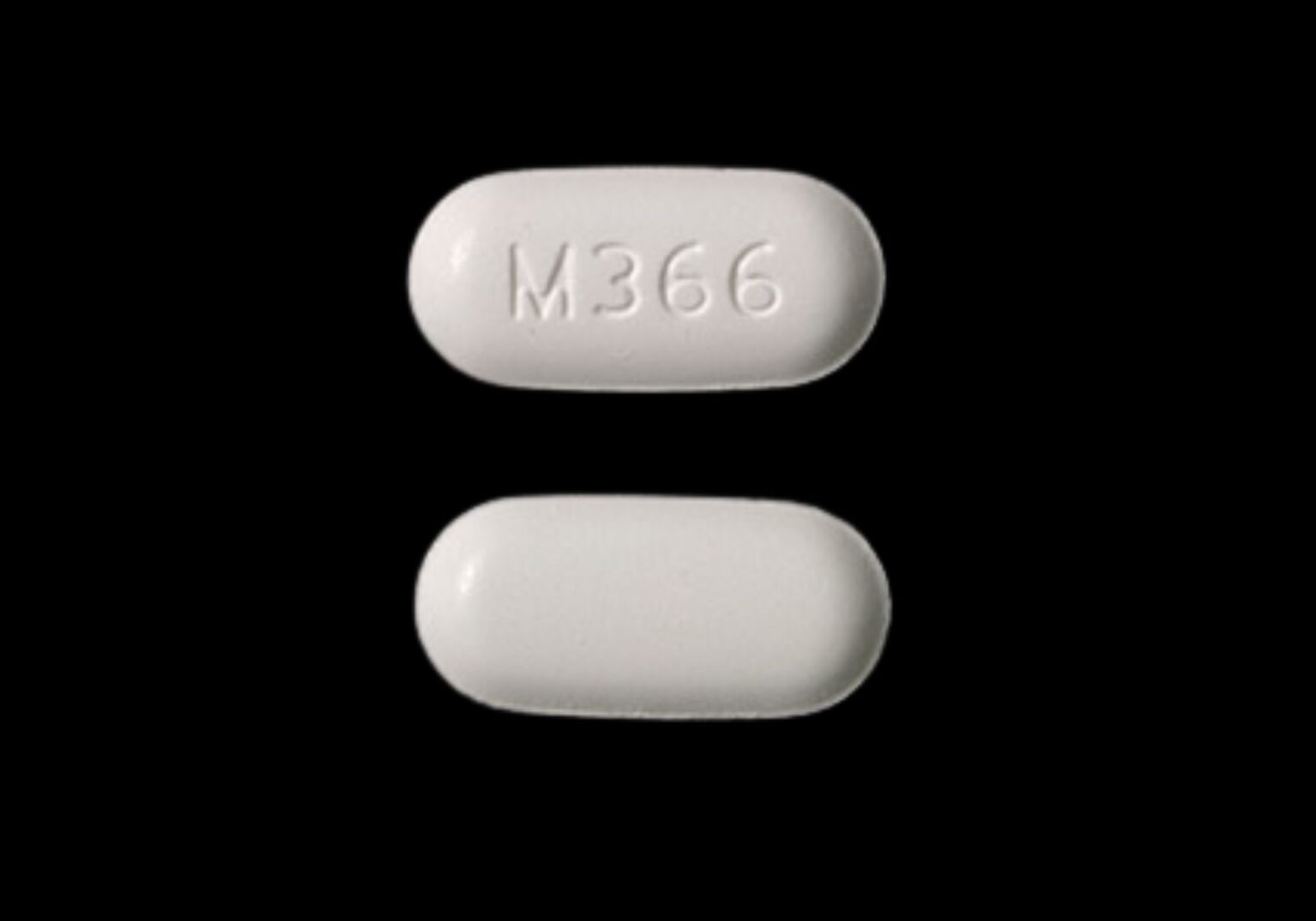
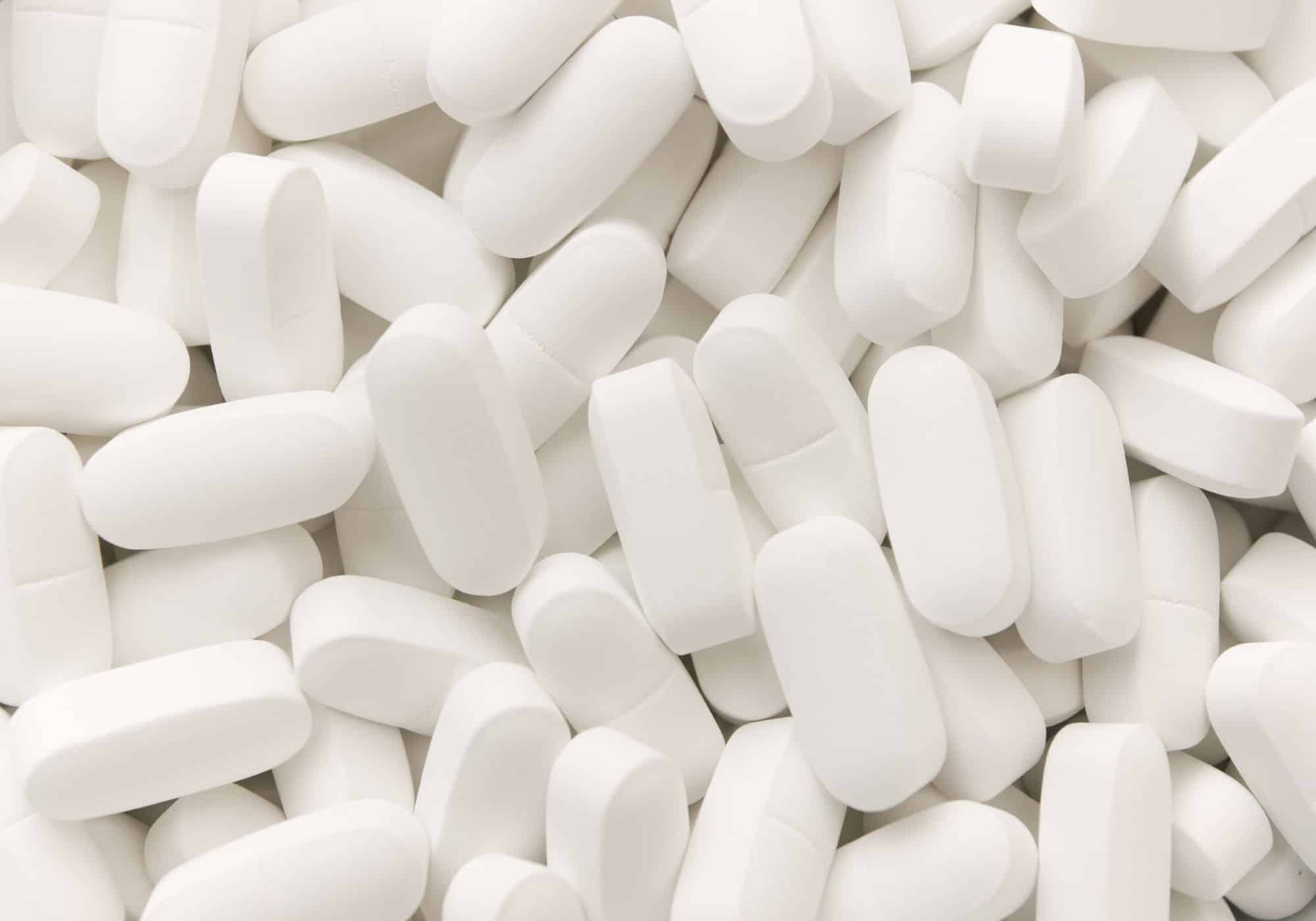
You can spot the M366 pill by its shape and imprint:
- Color – solid white.
- Shape – oval or oblong with a score line across one side, allowing patients to split doses if advised by a doctor.
- Imprint – “M366” on the opposite side in clear block letters.
Pharmacists stamp prescription opioids with unique codes so patients know the pill they received matches their script. If the tablet you have looks different from this description—wrong color, no score line, strange imprint—contact your pharmacist before taking it.
Common Uses of M366 Pills
Physicians may prescribe the M366 pill for a range of painful conditions that don’t respond to milder medication:
- Injury pain – fractures, muscle tears, sprains, or deep lacerations benefit from steady pain relief, helping patients sleep and heal.
- Post-surgery pain – orthopedic, dental, or abdominal surgeries often leave throbbing pain that short-term opioids can ease.
- Chronic pain – arthritis, sciatic pain, or degenerative disc disease may flare. Controlled doses under medical supervision can make daily tasks possible.
- Dental pain – severe infections, wisdom tooth extractions, or root canals can throb for days. A doctor may prescribe the M366 pill briefly until swelling subsides.
Because hydrocodone affects breathing and alertness, never drive, operate heavy machinery, or make critical decisions until you know how the medication affects you.
Dosages & Instructions for Taking M366 Pills
Your doctor will tailor the dosage to your unique medical background.
These general rules highlight safe use:
- Typical adult schedule: 1 tablet every 4–6 hours as needed. Never exceed 8 pills in a 24-hour window.
- Maximum acetaminophen limit: Keep your total daily acetaminophen intake below 4,000 mg from all sources. Check cold or flu remedies—many include acetaminophen.
- Customized care: Kidney or liver disease, advanced age, and low body weight may require lower doses.
- No alcohol: Both hydrocodone and alcohol depress breathing. Mixing them can slow respiration dangerously.
- Cautious combinations: Benzodiazepines, sleep aids, muscle relaxers, and certain antihistamines intensify sedation. Tell your provider about all substances—prescribed or otherwise.
-
Taper plan: If you have used the m366 white oblong pill longer than a week, don’t stop suddenly. A slow taper prevents chills, muscle aches, and other withdrawal symptoms.
Helpful tips:
- Keep a medication log. Write the time of each dose to avoid accidental double dosing.
- Store pills in a locked cabinet out of children’s reach.
- Set alarms or ask a trusted loved one to remind you when it’s time to take (or skip) a dose to avoid taking it too early.
How Does the M366 Pill Interact with Your Body?
- Pain relief – Hydrocodone blocks opioid receptors in the central nervous system, so your brain receives fewer pain messages. Acetaminophen prevents an enzyme that produces pain and swelling, offering a non-opioid boost.
- Mood and comfort – Many patients note a gentle sense of calm. However, euphoria at higher doses can trap users in a misuse cycle.
- Better functioning – With sharp pain dulled, you’re more willing to do physical therapy exercises, shower, or prepare meals—key steps toward recovery.
- Improved sleep – Pain often keeps people awake. By quieting throbs and aches, the M366 pill helps you reach restorative sleep stages needed for healing.
- Enhanced mobility – Reduced stiffness lets you bend, stretch, or walk with less trouble, preventing muscle atrophy during recovery.
Use the medication as a short-term tool, not a long-term solution. The longer you take hydrocodone, the more your body adapts, lowering its impact and inviting dependence.
How Long Does the M366 Pill Stay In Your System?
Your body metabolizes hydrocodone and acetaminophen in stages.
While pain relief fades after 4–6 hours, drug tests detect leftovers later:
| Test | Detection Window | What Affects Results? |
|---|---|---|
| Blood | Up to 24 hours | Liver function, dose size |
| Urine | 2–4 days | Hydration, metabolic rate |
| Saliva | 1–4 days | Oral health, saliva pH |
| Hair | Up to 90 days | Length of hair, growth speed |
People with slower metabolisms or higher body fat may carry traces longer. Overuse can extend detection windows and increase risk of positive results in routine screenings.
Duration of M366 Oval Pill
For most users, pain control lasts 4–6 hours. If pain spikes sooner, call your doctor rather than doubling your dose. They may adjust your prescription or suggest non-opioid add-ons like ibuprofen, ice, or physical therapy.
Risks Associated with the M366 Hydrocodone
Hydrocodone’s powerful effects come with serious warnings:
- Tolerance – Within days or weeks, the same dose delivers weaker relief, tempting users to take more.
- Dependence – Your body may rely on hydrocodone to feel “normal,” triggering chills, sweats, and anxiety if you skip a dose.
- Addiction – Cravings, doctor shopping, or illegally obtaining pills signal opioid use disorder (OUD).
- Liver stress – Acetaminophen overload can scar liver tissue, leading to jaundice or organ failure.
Early honesty with your provider about rising cravings can prevent full-blown addiction.
Negative Side-Effects of Taking an M366 Pill
Common:
- Drowsiness and fatigue
- Nausea or vomiting, especially on an empty stomach
- Constipation—drink water, eat fiber, and consider a stool softener
- Itching or mild rash
Serious:
- Respiratory depression – slow, shallow breaths
- Confusion – slurred speech, trouble recognizing surroundings
- Allergic reaction – swelling of lips, tongue, or throat
- Severe liver injury – upper abdominal pain, dark urine, yellow skin or eyes
Call 911 if breathing slows dramatically or if you cannot wake someone.
Possibility of Addiction
As tolerance builds, some users double up doses or crush and snort pills to feel the initial euphoria. These behaviors accelerate physical dependence.
Warning signs include:
- Using more pills than prescribed or running out early
- Spending excessive time planning or obtaining pills
- Skipping social events to hide pill use
- Doctor hopping or forging prescriptions
Early treatment stops the cycle before consequences worsen.
M366 Overdose
An opioid overdose can turn deadly in minutes.
Recognize the signs:
- Extreme drowsiness – a person nods off mid-sentence
- Slowed or stopped breathing – shallow, snoring, or no breaths
- Blue lips or fingertips – lack of oxygen
- Pinpoint pupils – very small black centers in the eyes
- Cold, clammy skin
If you suspect overdose:
- Call 911.
- Administer naloxone (Narcan) if available.
- Place the person on their side to keep the airway clear.
- Stay until help arrives.
Prompt action saves lives. Friends and family of opioid users should keep naloxone on hand.
Interactions With Alcohol & Substances
- Alcohol: Even one drink magnifies drowsiness and raises liver-damage risks.
- Benzodiazepines (e.g., Xanax, Valium): Both depress breathing, increasing overdose chances.
- Muscle relaxers (e.g., carisoprodol): Added sedation may lead to falls or fainting.
- Certain antihistamines: Diphenhydramine (Benadryl) intensifies dizziness and confusion.
- Illicit opioids or fentanyl: Mixing increases potency unpredictably, spiking overdose risk.
Always check with a pharmacist before adding new medications—prescription or OTC.

What Is Opiate Addiction?
Opiate addiction—clinically called opioid use disorder—happens when opioids hijack the brain’s reward system. Over time, users seek the drug not just for pain relief but to satisfy cravings and avoid withdrawal. Symptoms include:
- Physical signs: Tiny pupils, flushed face, itching, slowed reflexes, and sudden weight shifts.
- Behavioral signs: Borrowing money, secretive behaviors, falling behind at work or school.
- Psychological signs: Mood swings, irritability, depression, anxiety, and apathy toward once-enjoyed hobbies.
Left untreated, OUD often leads to escalating doses, legal trouble, job loss, family strain, and potential overdose.
Opiate Addiction Treatment
Breaking free involves more than sheer willpower.
Evidence-based treatments rebuild health and habits:
- Medical detoxification – A supervised taper or medication-assisted detox eases cramps, diarrhea, insomnia, and bone pain common in withdrawal.
- Inpatient rehab – 30-, 60-, or 90-day stays provide counseling, structure, and medical monitoring in a supportive community.
- Outpatient programs – Multiple weekly sessions allow you to keep working or caring for family while receiving therapy, drug testing, and medication management.
- Counseling and behavioral therapies – Cognitive behavioral therapy (CBT) helps identify triggers and reshape thought patterns; motivational interviewing strengthens internal motivation; contingency management rewards drug-free milestones.
- Support groups – Narcotics Anonymous and SMART Recovery connect you with peers who understand challenges and celebrate progress.
Hope Harbor Wellness blends these tools to match your schedule and goals.
Does Insurance Cover Opiate Rehab?
Yes—most insurers classify addiction as a treatable medical condition.
Coverage elements often include:
- Detox services – short stays in a medical setting.
- Inpatient rehab – room, board, therapy sessions, and medical care.
- Outpatient therapy – individual and group counseling.
- MAT prescriptions – buprenorphine, methadone, or naltrexone.
- Aftercare support – relapse-prevention counseling or drug testing.
Each plan differs. Some cover a percentage, leaving co-pays or deductibles. Pre-authorization may be required, so call your carrier or a treatment center’s admissions team to confirm details.
Common Insurance Plans for Addiction Treatment
Private health insurance (employer or individual)
- Networks often include multiple rehab centers.
- Plans may feature telehealth therapy sessions for added convenience.
Medicare
- Part A covers detox or inpatient rehab when medically necessary.
- Part B pays for outpatient therapy, MAT provider visits, and certain counseling sessions.
Medicaid
- Comprehensive coverage regardless of the ability to pay.
- Degree of services varies by state, but most cover MAT and long-term counseling.
ACA marketplace plans
- Every marketplace plan must include mental health and substance use coverage at parity with medical benefits.
- Subsidies can reduce monthly premiums for qualifying households.
TRICARE
- Active-duty military, retirees, and families receive detox, inpatient, and outpatient benefits.
- Some programs may require referrals or prior authorization.
Navigating insurance jargon can feel overwhelming when you’re in crisis. Admissions specialists at Hope Harbor Wellness deal with insurance daily and can walk you through verification, pre-authorizations, and estimated out-of-pocket costs.
You are not alone, and help is closer than you think. Reach out to Hope Harbor Wellness in Atlanta, GA, today—our outpatient drug treatment team is ready to guide you toward safe, lasting recovery. Call now at 770-573-9546 or use our online contact form and take your first confident step toward a healthier life.
Opiate Addiction Treatment at Hope Harbor Wellness
At Hope Harbor Wellness in Atlanta, GA, we create care plans that fit each person—not a one-size-fits-all formula. Opiate addiction changes brain chemistry and behavior, so our team blends evidence-based therapies with real-world flexibility to address every layer of opioid dependence.
- Outpatient Detox: Your first step may be a medically supervised detox you complete while sleeping in your own bed. Our clinical team monitors withdrawal symptoms, prescribes comfort medications when necessary, and checks in daily to keep you safe and stable—without the cost or disruption of a hospital stay.
- Intensive Outpatient Program (IOP): Our IOP balances structure and freedom. You attend several therapy sessions each week—individual counseling, skill-building workshops, and peer groups—while still keeping work, school, or family commitments.
- Partial Hospitalization Program (PHP): If you need deeper support, PHP offers full-day treatment without an overnight stay. Daily groups, psychiatric care, and relapse-prevention classes focus on stabilizing mental health, managing co-occurring disorders, and cementing healthy habits for long-term recovery.
- Outpatient Treatment Program: This step-down option lets you continue therapy as you return to everyday routines. Session frequency tapers as you gain confidence, helping you practice new coping skills at home, work, and in your community.
Choosing the right level of care depends on the severity of addiction, any co-occurring conditions, and the strength of your support network. Whatever path you take, our goal is simple: equip you to live a rewarding life free from opiates. Ready to begin? Call Hope Harbor Wellness at 770-573-9546 or use our online contact form and take your first step toward lasting recovery today.
M366 White Pill FAQs
What is the M366 pill used for?
It combines 7.5 mg hydrocodone with 325 mg acetaminophen to relieve moderate-to-severe pain.
Is the M366 pill an opioid?
Yes—hydrocodone is a Schedule II opioid; misuse can cause dependence and respiratory depression.
How long does the M366 pill last?
Pain relief generally lasts 4–6 hours, but metabolites may remain detectable in urine up to 3 days.
What are common side effects?
Drowsiness, constipation, nausea, lightheadedness, and itching; severe signs include slowed breathing or confusion.
Can you cut the M366 pill in half?
It has a score line for accurate splitting, but always follow the prescribing doctor’s instructions to avoid dose errors.