
Can You Eat Weed? What Happens When You Eat Marijuana to Get High
It’s a question many people have asked as cannabis becomes more mainstream: can you eat weed? The short answer is yes, you can. A person can indeed get high when consuming marijuana in edible form. However, what happens inside the body is fundamentally different from smoking or vaping. While the high from edibles might take longer to appear, it often lasts for a more extended period and can be much more intense. As cannabis-infused products become more widely available in places like Atlanta, GA, understanding these differences is crucial for both personal safety and recognizing when use may have crossed the line into addiction.
The effects of cannabis on the human brain and body are still being investigated, with ongoing research as the substance becomes legal in more areas. This research is vital for those who may be struggling with marijuana addiction, as it will likely lead to more effective, evidence-based treatment options over time. At Hope Harbor Wellness, we are committed to staying on the forefront of this knowledge to provide the most compassionate and effective care available.
What Happens When a Person Eats Weed
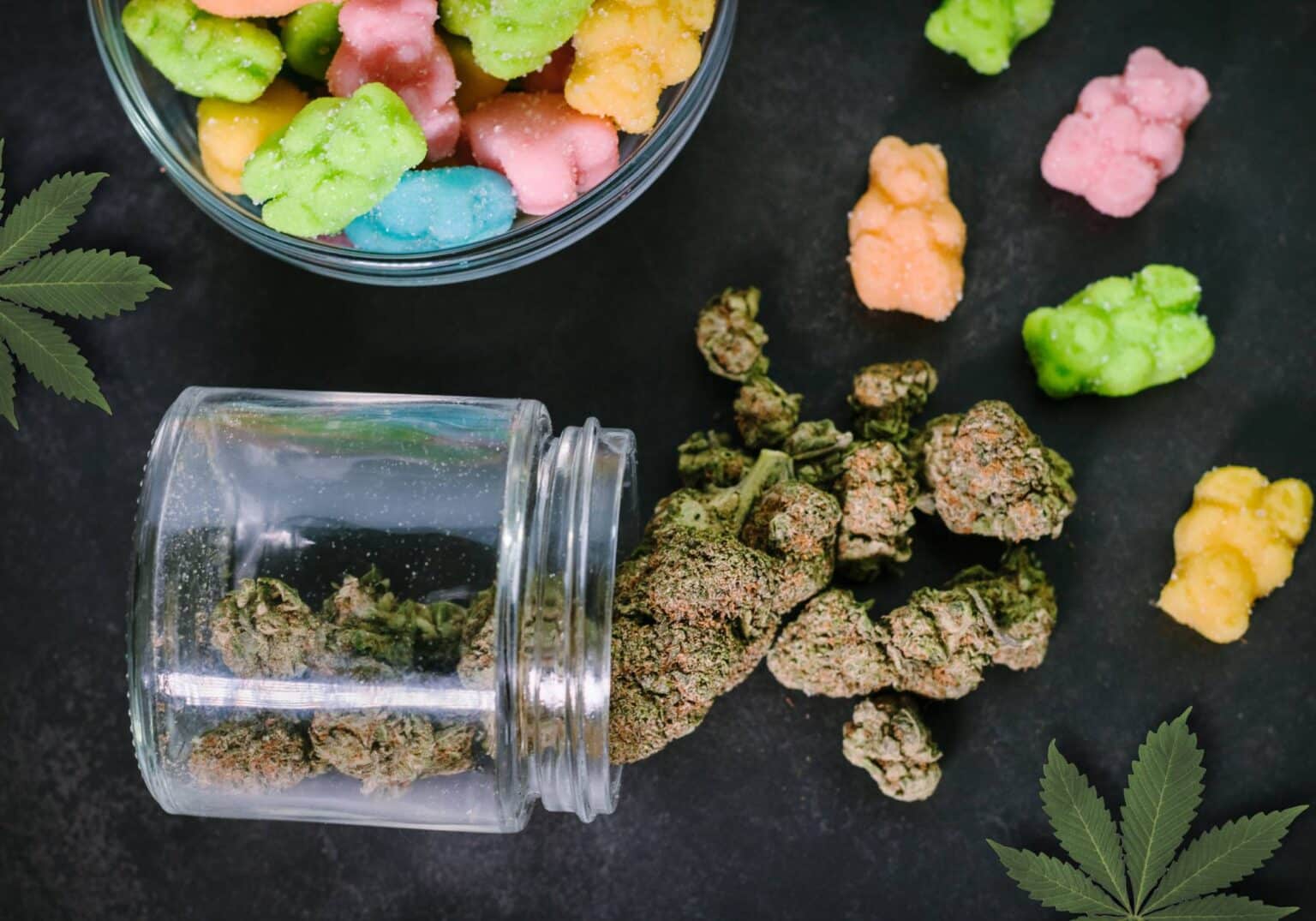
When a person “eats weed,” they are most likely consuming a product where cannabis has been infused into an ingredient like oil or butter, which is then used to cook conventional foods. While the terms “marijuana” and “cannabis” are often used interchangeably, “cannabis” typically refers to a product that contains more than just the buds of the cannabis sativa plant. The buds are what most users smoke or vaporize to get high, while products like “pot brownies” or gummy candies are more likely to use oil, butter, or tinctures made from different parts of the plant, such as seeds or leaves.
The effects of cannabis as a drug are primarily due to two components: THC (tetrahydrocannabinol) and CBD (cannabidiol). THC is the psychoactive component most associated with the “high” of marijuana. CBD is a non-psychoactive compound often used on its own to treat certain medical conditions, such as inflammation or chronic pain, because of its ability to interact with the body’s natural endocannabinoid system. Some products may add small amounts of THC to fully activate the CBD, but without the intention of producing a high. Most recreational cannabis products, however, contain both THC and CBD to provide a more balanced high that may reduce feelings of paranoia or anxiety.
When you smoke marijuana, THC enters your lungs and is absorbed directly into your bloodstream, traveling quickly to the brain. This is why the effects are almost immediate. When you consume an edible, the process is much different. The edible must first travel through your digestive system, where the cannabis is metabolized by the liver. The liver then converts THC into a much more potent compound called 11-hydroxy-THC. This compound is more effective at crossing the blood-brain barrier, which is why the high can be much stronger and last much longer. However, because of the slow-acting nature of the digestive process, it can take anywhere from 30 minutes to two hours or even more to feel the effects. This delayed onset is a significant risk factor, as people may consume more of the edible thinking it’s not working, leading to a much more intense high than they intended. This unpredictability can lead to anxiety, disorientation, or even an overdose.
Marijuana Bioavailability
Bioavailability is a term that describes the degree to which a substance is absorbed into the body and becomes available to have a physiological effect. The bioavailability of marijuana is dramatically different when it is eaten compared to when it is smoked, and this has important implications for how the drug affects a person.
The difference in effects can be illustrated in several ways:
- Onset: If a person inhales marijuana smoke, the euphoric effects can be felt within seconds or minutes. This is because THC enters the bloodstream directly through the lungs. With edibles, the onset of effects is much slower, as the cannabis must first be metabolized by the digestive system. This process can take a significant amount of time, from 30 minutes to several hours, depending on a person’s metabolism, body weight, and whether they have eaten recently.
- Length: The duration of the high from edibles is much longer than from smoking. When inhaled, cannabinoids like THC reach a peak concentration in a matter of minutes, and the effects begin to decline rapidly after about 30 minutes. In contrast, the effects of a cannabis edible can last for several hours, with some users reporting effects for an entire day or more. The high from an edible is often described as a full-body high that is more pervasive and enduring than the high from smoking.
- Drug testing: A person who consumes weed in an edible form is more likely to have a detectable amount of cannabinoids in their urine for a longer period of time. This is because the digestive process and metabolism by the liver create more detectable byproducts. For individuals subject to drug testing for employment or legal reasons, this can be a serious issue.
- Dosage control: The slow onset of edibles makes it difficult for a person to adjust their dosage in real-time. With smoking, a user can take one or two hits, wait a moment to assess the effects, and decide if they want more. This is impossible with edibles. A person may eat a brownie or gummy, not feel anything after an hour, and then decide to eat another one. When the effects finally kick in, they may have consumed far more than they intended, leading to a much stronger and potentially overwhelming high.
This difference in bioavailability is a key reason why edibles can be so unpredictable and why they carry a higher risk of negative side effects compared to other forms of marijuana consumption.

Signs a Person May Be Addicted to Marijuana
Addiction to marijuana is a topic that is not as well understood as addiction to other substances, in part due to its historical classification as a Schedule I drug, which has heavily restricted research. However, the signs of marijuana addiction are very similar to those of other substance use disorders. They can be physical or psychological and have a profound effect on a person’s relationships and overall well-being.
- Tolerance: A person may find themselves requiring increased doses to get high. This could mean taking additional hits, consuming edibles with a higher THC concentration, or adopting more potent methods like dabbing. The “high” they once achieved with a small amount now requires much more.
- Time commitment: A person might spend an increased amount of time getting high, recovering from being high, or obtaining marijuana to get high. This can take up a significant portion of their day, interfering with other responsibilities.
- Unsuccessful attempts to quit: A person may have made several attempts to quit using cannabis in the past but has been unable to maintain sobriety. They might find that they can stop for a few days or weeks, but a craving or a social situation draws them back in.
- Neglecting obligations: The person may begin to neglect personal or professional obligations. This could mean missing work or school, failing to complete chores at home, or negatively affecting relationships due to their cannabis use.
- A perceived “need” for the drug: A person might feel like they need cannabis to have fun or experience positive emotions. They may avoid social gatherings or activities that don’t involve marijuana because they feel they won’t be able to enjoy them.
- Legal or financial consequences: The person might face legal issues, such as a DUI, or financial problems, like losing their job or spending all of their money on cannabis, yet they continue to use despite these negative outcomes.
- Using in risky situations: A person may use cannabis in more risky or dangerous situations, such as driving while high or using in public places where it is illegal. The desire to use the drug outweighs their concern for personal safety or legal consequences.
- Loss of interest: The person may lose interest in previously loved activities or hobbies. They might skip out on sports, a favorite class, or spending time with family to get high.
- Withdrawal effects: When a person goes without cannabis for an extended period, they may experience withdrawal effects. These can include disturbed sleep, negative emotionality, irritability, or a lack of appetite.
- Continued use despite negative consequences: A defining sign of addiction is continuing to use the drug despite the negative consequences it has had on their life, whether those are legal, financial, relational, or health-related.
Comprehensive Weed Addiction Treatment at Hope Harbor Wellness
If you or a loved one is struggling with marijuana addiction, Hope Harbor Wellness offers personalized, evidence-based treatment programs designed to promote lasting recovery. Our holistic approach addresses physical, mental, and emotional well-being, ensuring a strong foundation for a drug-free future.
- Medical Detoxification: Before beginning formal treatment, some individuals may benefit from medically supervised detox to safely eliminate marijuana from their system. Our supportive detox program helps manage withdrawal symptoms, ensuring comfort and stability before transitioning to the next phase of care. This is a critical first step to ensure physical health and prepare the mind for therapeutic work.
- Outpatient Treatment: Our outpatient program provides a flexible and supportive environment where you can receive exceptional care while maintaining your daily life. Through individual therapy, group counseling, and skill-building sessions, you will address the underlying causes of addiction and develop healthy coping mechanisms. This approach allows you to apply new skills to your real-world environment and build a solid foundation for long-term recovery without interrupting your work, school, or family commitments.
- Treating Co-Occurring Disorders: Many individuals with marijuana dependency also struggle with underlying mental health conditions, such as anxiety or depression. Our dual diagnosis program integrates psychiatric care with addiction treatment, ensuring both conditions are addressed simultaneously. This is a crucial component of effective recovery, as treating one condition without the other often leads to relapse.
Get Help for Marijuana Addiction at Hope Harbor Wellness
Ultimately, it is possible to eat marijuana, but the effects are unpredictable and can be much more intense and long-lasting than smoking. The way a person’s body processes the drug determines their response, and the lack of dosage control with edibles can lead to serious negative outcomes. If you find that you’re requiring more cannabis to get a high or are resorting to more potent methods like edibles, it’s important to consider if you could be addicted to marijuana.
There is no shame in having an addiction. It is not a mark of weakness; rather, it is a display of strength and personal fortitude to take control and work to build a life that is fulfilling and fun without needing drugs to be a part of it. We encourage people who are struggling with addiction to seek professional help. Before things spiral out of control, call us at 770-573-9546 or fill out our online contact form to find out how our marijuana addiction treatment programs and therapeutic support staff can help you recover from marijuana or any other addiction. A better life is within your reach.
Frequently Asked Questions About Edible Marijuana
Can you eat marijuana and get high?
Yes, you can get high from eating marijuana. The THC in edibles is absorbed through the digestive system and metabolized by the liver, which converts it into a more potent form of THC.
How long does it take to feel the effects of eating weed?
The effects of eating weed are delayed because the THC must be metabolized by the liver. Onset can take anywhere from 30 minutes to over two hours, depending on a person’s metabolism and body.
What happens if you eat weed for the first time?
For a first-time user, eating weed can be unpredictable. Due to the delayed onset, it is easy to consume too much and experience a more intense high than expected, which can lead to anxiety, paranoia, and physical discomfort.
Is eating marijuana safer than smoking it?
Not necessarily. While it may remove the risks associated with smoking, eating edibles carries its own risks, primarily related to the difficulty of controlling the dosage. The high from edibles is often much more potent and long-lasting.
How long does the high from an edible last?
The high from an edible can last for several hours, with effects that can linger for an entire day. This is much longer than the high from smoking, which typically lasts for an hour or less.
How does eating weed affect drug testing?
Eating weed can increase the amount of cannabinoids detectable in a person’s urine for a longer period of time compared to smoking, which can lead to a positive drug test even days or weeks after use.
What are the signs of marijuana addiction?
Signs of marijuana addiction include requiring more of the drug to get high, unsuccessful attempts to quit, losing interest in hobbies, and continuing to use despite negative consequences in a person’s life.