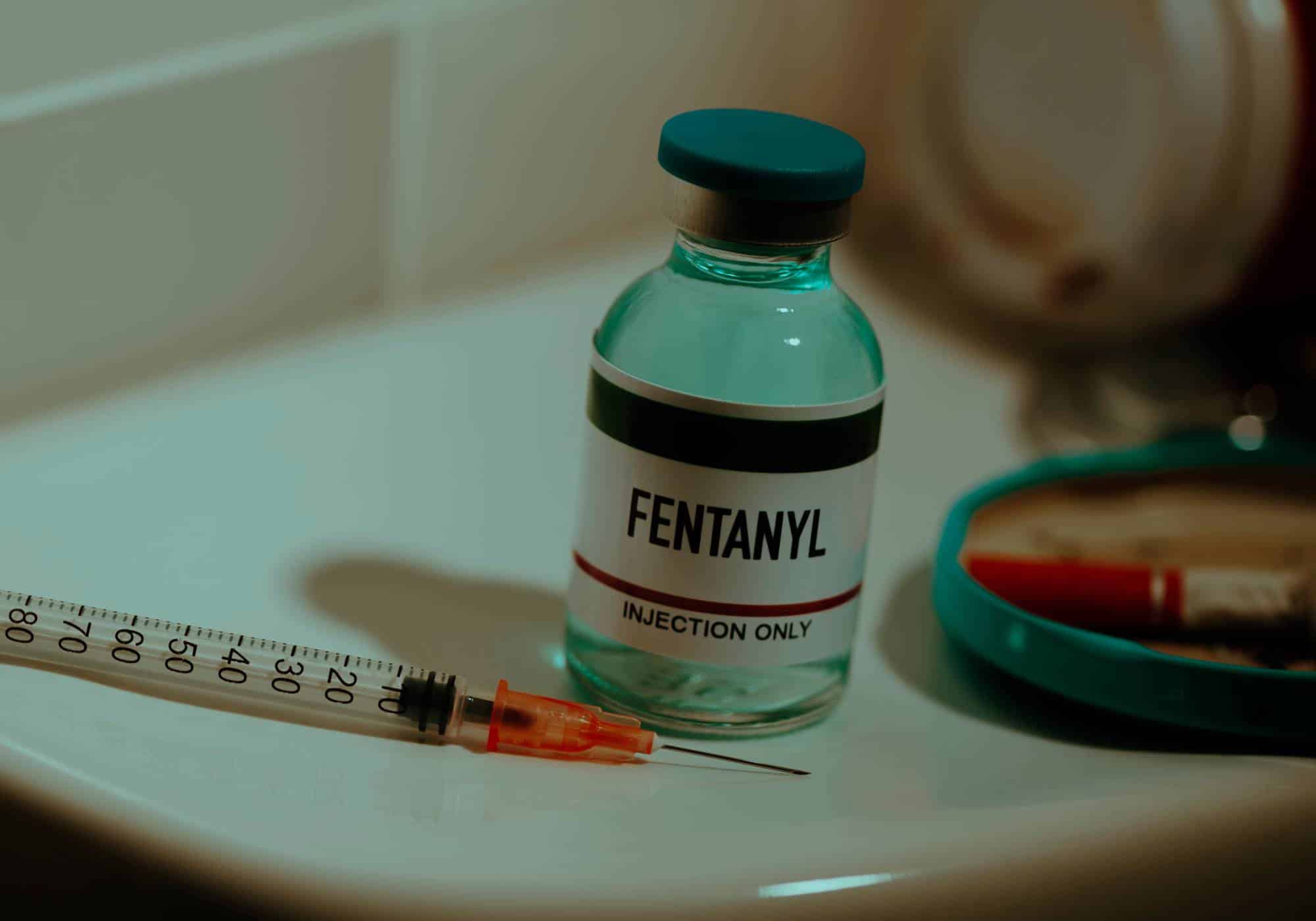


Liquid G is a street name for gamma hydroxybutyrate, more commonly known as GHB. This powerful central nervous system (CNS) depressant is often found in party and club settings due to its euphoric and sedative effects. While a pharmaceutical form of GHB exists for a specific medical condition, the recreational use of liquid G is dangerous and unpredictable. It is critical to be informed about the risks associated with this substance, including the potential for addiction, overdose, and its use as a date rape drug.
At Hope Harbor Wellness, we offer comprehensive drug rehab in Atlanta to help individuals overcome addiction to various substances, including GHB. We are committed to educating our community about the dangers of drugs like liquid G and providing a safe, supportive environment for those seeking help. If you suspect you have been a victim of GHB dosing or have developed a dependency on the drug, our compassionate team is here to guide you toward recovery.
What is Liquid G?
Liquid G, or GHB, is a powerful CNS depressant that slows down brain function and body responses. Other street names for the drug include “G,” “liquid ecstasy,” “liquid E,” “liquid X,” and “scoop.” The drug is typically sold as a clear, odorless liquid that looks and tastes like water. This makes it incredibly easy to discreetly mix into drinks, posing a significant danger to unsuspecting individuals. While it may occasionally have a slightly salty taste, this can be easily masked by the flavor of soda, juice, or alcohol, which are common mixers.
When consumed, liquid G produces feelings of calm, happiness, and relaxation. It can also lead to disinhibition and an enhanced sense of pleasure, which is why it is popular in party environments. However, the line between a pleasant high and a dangerous overdose is incredibly thin, making its use a high-stakes gamble.
The Dangers of GHB Abuse
As a CNS depressant, GHB can slow down the body’s vital functions to dangerously low levels. The side effects of GHB abuse are serious and can be life-threatening.
These side effects include:
- Dizziness and drowsiness
- Nausea and vomiting
- Slowed or shallow breathing
- Loss of coordination
- Memory loss or blackouts
- Loss of consciousness or coma
Combining liquid G with other depressants, particularly alcohol, dramatically increases the risk of a fatal overdose. Because both substances slow down the CNS, their combined effect can lead to respiratory failure, coma, and death.
If you or someone you know experiences these severe side effects after consuming a drink, it is a medical emergency. You should seek immediate professional medical attention. GHB can be detected in blood for up to eight hours, so it is crucial to request a test at the hospital if you suspect you’ve been dosed.
Is GHB Addictive?
One of the most pressing questions surrounding liquid G is its addictive potential. Despite its reputation as a “party drug,” GHB is highly addictive. Regular use can quickly lead to the development of a physical dependence and addiction.
Signs and symptoms of GHB addiction include:
- Tolerance: Needing larger and more frequent doses of the drug to achieve the desired effect.
- Withdrawal symptoms: Experiencing physical and psychological discomfort when not using the drug.
- Loss of control: Inability to cut down or stop using GHB despite a desire to do so.
- Preoccupation with the drug: Spending a significant amount of time and resources obtaining, using, and recovering from GHB.
The withdrawal symptoms from GHB addiction can be severe and dangerous, often mimicking alcohol withdrawal.
These symptoms may include:
- Intense anxiety and paranoia
- Tremors and body shakes
- Sweating and increased heart rate
- Hallucinations and delusions
- Severe insomnia
- Seizures
Attempting to quit GHB “cold turkey” once a dependency has formed is not only incredibly difficult but also very unsafe. The withdrawal process should be managed under the supervision of medical professionals in a safe, controlled environment.
GHB as a Date Rape Drug
The use of GHB as a date rape drug is a significant concern. Its characteristics—colorless, odorless, and with a mild taste that is easily masked—make it a dangerous tool for those wishing to take advantage of others. When consumed unknowingly, it can render a person unconscious and vulnerable, making them unable to resist or remember what happened. It is vital to always be cautious about drinks at parties and never accept an open drink from a stranger.
Hope Harbor Wellness’s Approach to GHB Addiction Treatment
Overcoming a GHB addiction requires a specialized and comprehensive treatment approach. At Hope Harbor Wellness, we offer a full continuum of care to help you break free from dependence on liquid G. Our treatment programs are tailored to address the unique physical and psychological aspects of GHB addiction.
Our services include:
- Medically Supervised Detox: The first and most critical step in recovery from GHB is a medically supervised detox. Our expert medical team ensures a safe and comfortable withdrawal process, using medications to manage severe symptoms and monitor your vital signs around the clock.
- Evidence-Based Therapy: We use a range of therapeutic modalities, including Cognitive Behavioral Therapy (CBT), Dialectical Behavior Therapy (DBT), and group therapy, to help you understand the root causes of your addiction. We equip you with healthy coping mechanisms to manage triggers and cravings and build a foundation for lasting sobriety.
- Holistic Wellness: Our programs incorporate holistic practices to heal the mind, body, and spirit. We believe that a well-rounded approach is key to long-term recovery, and our services are designed to promote overall well-being.
- Aftercare Planning: The journey of recovery continues long after treatment ends. We provide personalized aftercare plans and connect you with alumni support networks to ensure you have the ongoing support you need to thrive in sobriety.
Party drugs like liquid G may promise euphoria, but they can lead to dire consequences, including addiction and overdose. Hope Harbor Wellness is here to help you or a loved one break free from this hazardous drug.
Contact us today at 770-573-9546 or fill out our online contact form to learn how our comprehensive outpatient drug rehab in Atlanta can help you overcome dependence and begin your journey to a healthier, sober life.
Liquid G Frequently Asked Questions
What is liquid G?
Liquid G is a street name for gamma hydroxybutyrate (GHB), a powerful central nervous system depressant often used recreationally. It is typically a clear, odorless liquid that can be mixed into beverages.
Is it safe to quit GHB cold turkey?
No, it is generally not safe to quit GHB cold turkey if you have developed a dependence. Withdrawal symptoms can be severe and life-threatening, so a medically supervised detox is the safest and most effective way to begin recovery.
How is GHB addiction treated?
GHB addiction treatment typically begins with a medically supervised detox to manage withdrawal symptoms safely. This is followed by a combination of evidence-based therapies, counseling, and long-term support to address the psychological aspects of addiction and prevent relapse.
How can you tell if someone is under the influence of GHB?
Signs of GHB intoxication can include dizziness, drowsiness, confusion, loss of coordination, slurred speech, and nausea. In larger doses, it can lead to blackouts, loss of consciousness, and slowed breathing, which requires immediate medical attention.