
Prescription medications play a crucial role in managing various health conditions, offering relief and improving quality of life when used correctly. However, certain prescriptions carry a higher risk of misuse. Misusing prescription drugs means taking them in a way that differs from how they were prescribed. This could involve increasing the dosage, taking someone else’s medication, or using the drugs to achieve a euphoric high. In this blog, you will discover comprehensive information about treatment options for overcoming prescription drug addiction.
What are Prescription Drugs?
Prescription drugs are medications specifically prescribed by healthcare professionals to treat physical or mental health issues. When used as directed, these medications can significantly enhance well-being and help manage symptoms effectively. However, misuse of prescription drugs can lead to serious consequences, including addiction, health complications, and even overdose.
What are the Most Commonly Abused Prescription Drugs?
In recent years, the misuse of prescription painkillers, benzodiazepines, and stimulant medications has surged, significantly impacting individuals, families, and communities across the US. The improper use of these medications has led to devastating consequences, which we will explore in more detail below:
Prescription Opioids
Prescription opioids are powerful pain relievers and the most frequently misused prescription medications. Besides alleviating pain, these drugs can induce a sense of relaxed euphoria, making them highly addictive. This pleasurable feeling, combined with the addictive nature of opioids, can quickly lead to a cycle of abuse and dependency.
Common prescription opioids include:
- Oxycodone (brand names such as OxyContin and Percocet)
- Hydrocodone (brand name Vicodin)
- Morphine
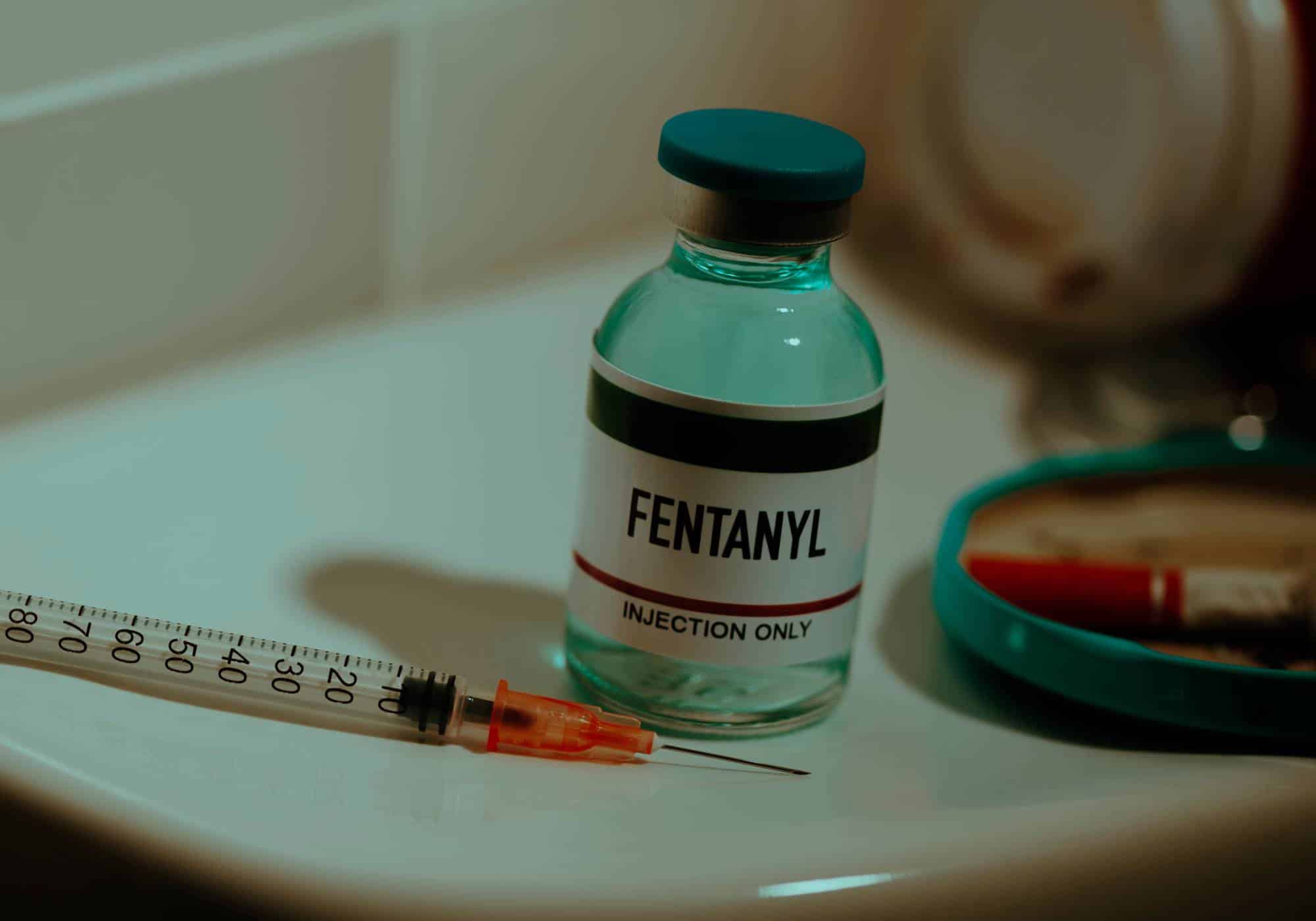
- Fentanyl
- Codeine
- Co-codamol
- Tramadol
Doctors may prescribe opioids for moderate to severe pain resulting from injuries, chronic conditions, or post-surgery recovery. These medications can also enhance mood and reduce fever. However, their potency makes recreational use extremely dangerous, with the risk of fatal overdose being very real.
Prescription Benzodiazepines
Benzodiazepines, often referred to as ‘benzos’, ‘sedatives’, or ‘tranquilisers’, are another commonly abused category of prescription drugs. These medications are typically prescribed to manage anxiety, panic attacks, seizures, and other psychiatric or medical conditions.
Benzodiazepines can create feelings of calmness, serenity, and relaxation. These effects can be highly addictive for some individuals, leading to a harmful dependency.
Common prescription benzodiazepines include:
- Diazepam (brand name, Valium)
- Alprazolam (brand name, Xanax)
- Chlordiazepoxide (brand name, Librium)
- Zolpidem (brand name, Ambien)
Prescription Stimulants
Stimulants are usually prescribed to treat conditions such as attention deficit hyperactivity disorder (ADHD) and narcolepsy, a disorder characterized by uncontrollable episodes of deep sleep. These medications are designed to boost attention, energy, and alertness by increasing the activity of certain chemicals in the brain, including dopamine. Since dopamine is linked to the brain’s pleasure center, taking stimulant medications can lead to highly addictive, pleasurable, and euphoric sensations.
Common prescription stimulants include:
- Methylphenidate (brand names such as Ritalin and Concerta)
- Dextroamphetamine (brand names such as Adderall and Dexedrine)
The diverse range of chemicals in prescription medications means that misuse can result in anything from mild discomfort to irreversible damage, addiction, and even death. Addiction to prescription drugs can develop rapidly with certain medications, causing individuals to lose control over their usage. This loss of control can exacerbate the addiction over time, severely impacting health, wellbeing, and overall quality of life.
Signs and Symptoms of Prescription Drug Addiction
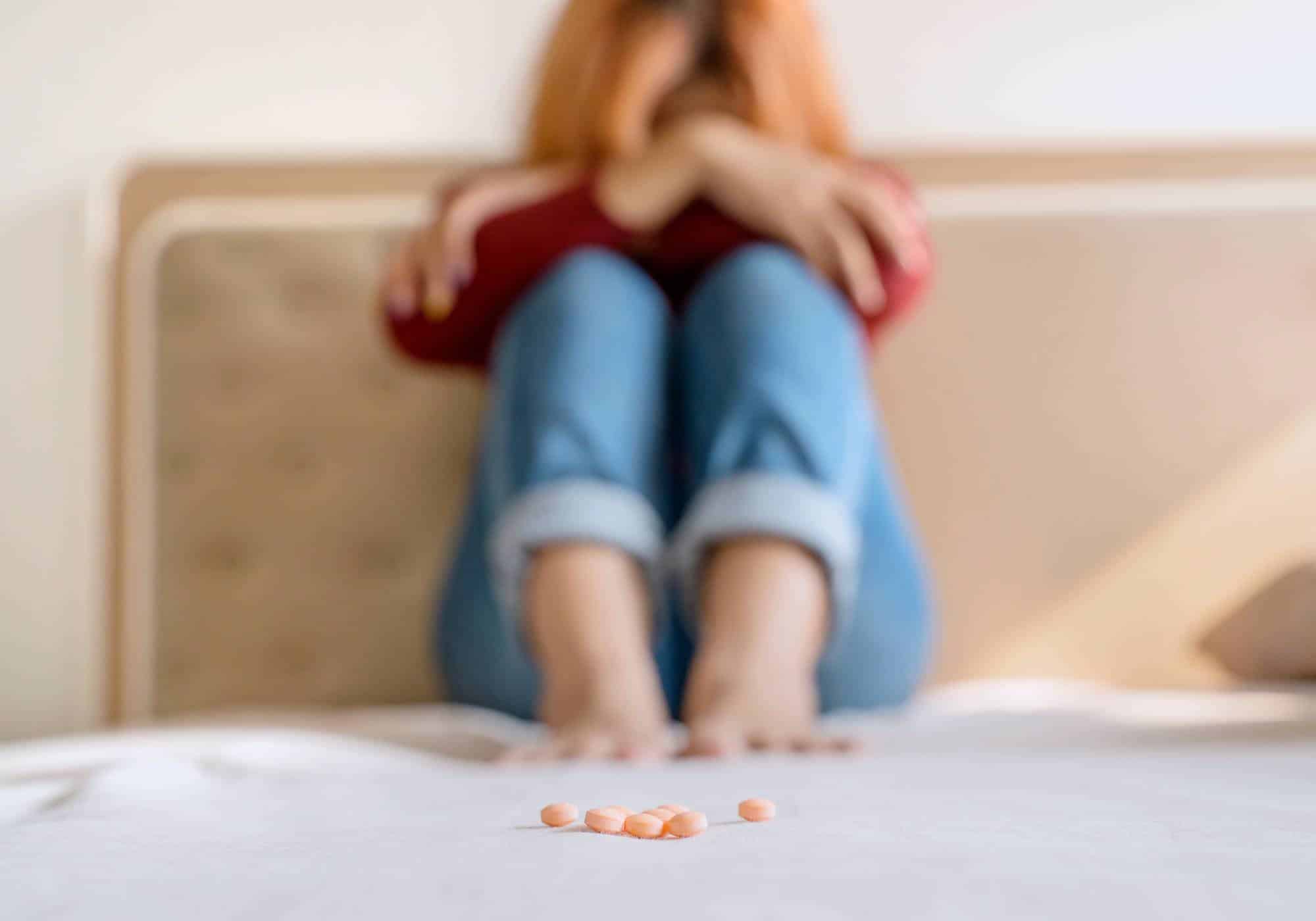
Recognizing the signs of prescription drug addiction is essential for seeking timely help. Symptoms can vary based on the type of medication, frequency of use, and individual circumstances. Below are general indicators of prescription drug abuse, as well as symptoms specific to certain types of drugs.
Common Symptoms of Prescription Drug Abuse:
- Drug-Seeking Behaviors: Constantly asking for more medication or seeking prescriptions from multiple doctors.
- Taking Higher Doses: Consuming more medication than prescribed.
- Hostility: Exhibiting increased irritability or aggression.
- Changes in Behavior: Appearing intoxicated, overly energetic, or unusually lethargic.
- Altered Sleep and Eating Patterns: Significant changes in sleeping or eating habits.
- Increased Alcohol Use: Turning to alcohol more frequently.
- Mood Swings: Experiencing emotional fluctuations based on medication availability.
- Irritability Without Medication: Becoming easily upset when unable to access medication.
- Withdrawal Symptoms: Showing physical or emotional distress when not using the medication.
- Doctor Shopping: Visiting multiple healthcare providers to obtain more prescriptions.
- Borrowing Medication: Taking someone else’s prescription drugs.
- Rapid Consumption: Using medication much faster than prescribed.
- Losing Prescriptions: Frequently misplacing prescriptions.
- Altering Pills: Crushing or breaking pills to misuse them.
- Deception About Use: Lying about the amount of medication being used.
- Hiding Medication: Stashing drugs in various places around the home.
- Online Purchases: Ordering prescriptions from internet pharmacies.
- Prescription Forgery: Stealing or forging prescriptions to obtain more medication.
Symptoms of Anti-Anxiety Agents/Sedatives Abuse:
- Drowsiness and Excessive Sleepiness
- Unsteady Gait: Difficulty walking or maintaining balance.
- Involuntary Rapid Eye Movements
- Dizziness and Confusion: Uncertainty about time, date, or location.
- Intoxicated Appearance
- Involuntary Tics or Movements
- Memory Impairment and Poor Judgment
- Lowered Inhibitions
Symptoms of Prescription Painkiller Abuse:
- Depression and Confusion
- Excessive Sweating and Constipation
- Low Blood Pressure and Decreased Respiration Rate
- Impaired Coordination and Judgment
- Increased Risk-Taking Behaviors
Symptoms of Stimulant Abuse:
- Weight Loss and Appetite Suppression
- Decreased Need for Sleep
- Irritability and Agitation
- Cardiac Arrhythmias and Impulsivity
- Reckless Behaviors and Restlessness
Causes and Risk Factors for Prescription Drug Addiction
Researchers have not yet identified a single cause for the abuse of prescription drugs. Instead, prescription drug addiction typically results from a combination of various factors.
The most common causes of prescription drug addiction include:
Genetic
There is evidence to suggest that addiction and substance abuse have a genetic component, although the specific genes involved are not yet fully understood. Individuals who struggle with addiction often have a family history of substance abuse, with relatives such as parents or siblings also experiencing similar challenges.
Brain Chemistry
Some individuals may be born with deficiencies in certain neurotransmitters that are responsible for generating pleasurable sensations in the brain. To compensate for this deficiency, these individuals might turn to prescription drugs that increase the levels of these neurotransmitters, leading to self-medication and potential addiction.
Environmental
Growing up in an environment where addiction is prevalent can influence an individual’s perception of drug use. If drug abuse is normalized in the household, individuals may come to believe that abusing substances is an acceptable way to handle life’s challenges. Additionally, those who begin using substances early in life are at a higher risk of developing addiction later on.
Psychological
Many people who struggle with prescription drug abuse also suffer from co-occurring mental illnesses. These individuals may use prescription drugs to self-medicate the symptoms of untreated or undiagnosed mental health conditions, increasing the risk of developing an addiction.
Why Are Prescription Drugs Addictive?
It can be challenging to understand how prescription drugs, which are meant to help, can become addictive. Millions of people rely on these medications each year to manage symptoms like pain and insomnia. These drugs are carefully regulated to prevent misuse, but they still have a high potential for dependency. While some individuals can use these medications responsibly and discontinue them without issues, others may develop a reliance on the substances to cope with daily life.
When you take prescription medications, they alter the brain’s chemistry, affecting how it functions. For instance, pain relievers reduce the transmission of pain signals to the brain and enhance pleasurable sensations. While some people use these drugs solely for their intended purpose and stop once their condition improves, others may become dependent on the pleasurable effects. This dependency can drive continued use, making it difficult to stop without help.
Ongoing misuse of prescription drugs causes the brain to adapt, leading to a constant need for more medication to achieve the same effects. This creates a vicious cycle where dependence grows, impacting every aspect of life. Relationships, work, and personal priorities can all suffer as addiction takes hold. Over time, individuals may find themselves needing the drug just to function, marking the progression of addiction.
Am I Addicted to Prescription Medication?
If you’re concerned about a possible addiction to prescription drugs, know that you’re not alone. Misusing prescription medications can negatively impact both your mental and physical health.
To determine if you or a loved one might be struggling with prescription drug addiction, consider the following signs:
- Excessive Drowsiness and Detachment
- Significantly Reduced Appetite and Weight Loss
- Slurred Speech and Forgetfulness
- Paranoia and Unwarranted Fearfulness
- Increased Irritability
If these signs resonate with you or someone you care about, it might indicate an addiction.
To further assess, ask yourself:
- Was a doctor prescribed this medication, and am I using it as intended?
- Can I stop taking the drugs without difficulty?
- Do I think about the medication every day?
- Do I feel I need the drugs to function or manage daily life?
In 2020, over 16 million Americans aged 12 or older misused prescription medications. The misuse of these drugs can lead to severe and potentially life-threatening consequences.
At Hope Harbor Wellness, we understand the challenges of overcoming prescription drug addiction. Our compassionate team is here to support you and your loved ones on the path to recovery. Reach out today to take the first step towards a healthier, addiction-free life.
Prescription Drug Addictions We Treat
At Hope Harbor Wellness, we provide comprehensive treatment for all types of prescription drug addictions.
The most commonly abused prescription medications we address include:
According to the National Survey on Drug Use and Health, approximately 92 million adults (about 1 in 3 people in the U.S.) are prescribed opioid medications, and nearly 11.5 million people obtain opioid prescriptions illegally. The rise in prescription drug abuse has become a national epidemic, with an increasing number of individuals seeking treatment.
Common Types of Opioids Abused
- Vicodin
- Codeine
- Hydrocodone (Vicodin, Lortab, Lorcet)
- Hydromorphone (Dilaudid)
- Oxycodone (OxyContin, Percocet, Percodan, Roxiprin, Roxicet)
- Oxymorphone (Opana)
- Fentanyl
- Morphine

Prescription Drug Abuse Effects: Short and Long-Term
Misusing prescription drugs can lead to a range of short-term and long-term side effects, some of which can be life-threatening.
Short-Term Prescription Drug Abuse Side Effects
- Nausea and Vomiting
- Dizziness
- Hearing Loss
- Stomach Problems (such as constipation)
- Hot Flashes
- Impaired Cognitive Functioning
- Opioid-Induced Hyperalgesia (increased sensitivity to pain)
- Stopped or Slowed Breathing
- Loss of Consciousness or Nodding Off
Long-Term Effects of Prescription Drug Abuse
Long-term misuse of prescription drugs can have extremely dangerous and even fatal consequences, including:
- Coma
- Seizures
- Respiratory Failure
- Liver Damage
- Kidney Damage
- Muscle Weakness
- Brain Damage
- Abdominal Distention
- Infertility
At Hope Harbor Wellness, we are committed to helping you overcome prescription drug addiction. Our dedicated team provides the support and resources needed to reclaim your health and well-being. If you or a loved one is struggling with prescription drug abuse, reach out to us today to begin the journey towards recovery.
Prescription Drug Withdrawal Signs and Symptoms
Experiencing withdrawal symptoms from prescription medications happens when your body has built up a physical tolerance to the drug and has become dependent on it to function daily. The intensity of withdrawal can differ based on the type of drug, how often it was used, the level of dependence, and whether other substances are involved. Below, we outline the common withdrawal symptoms categorized by the type of prescription drug abused:
Anti-Anxiety/Sedative Withdrawal Symptoms:
- Life-Threatening Seizures: Severe seizures that can pose a significant health risk.
- Insomnia: Difficulty falling or staying asleep, leading to extreme fatigue.
- Anxiety: Heightened feelings of worry or fear that can be overwhelming.
- Confusion: Trouble thinking clearly or making decisions.
- Tachycardia: Rapid heart rate that may feel uncomfortable or alarming.
- Sweating: Excessive perspiration, even in cool environments.
- Tremors and Shaking: Uncontrollable trembling of the body or limbs.
Prescription Painkillers Withdrawal Symptoms:
- Agitation: Feeling restless or unable to relax, often leading to irritability.
- Anxiety: Increased levels of nervousness or unease.
- Abdominal Cramping, Nausea, Vomiting, Diarrhea: Digestive issues that can cause significant discomfort.
- Muscle and Bone Pain: Unexplained aches and pains throughout the body.
- Insomnia: Struggling to get restful sleep, contributing to overall exhaustion.
- Sweating, Chills, Goose Bumps: Fluctuations in body temperature, leading to sweating or chills.
- Dilated Pupils: Enlarged pupils that may be noticeable and cause sensitivity to light.
Stimulant Withdrawal Symptoms:
- Depression: Persistent feelings of sadness or hopelessness.
- Irritability: Increased sensitivity and quickness to anger or frustration.
- Difficulty Sleeping: Challenges in falling asleep or maintaining sleep patterns.
- Intense Dreams: Vivid or disturbing dreams that can disrupt sleep quality.
At Hope Harbor Wellness, we understand that withdrawal can be a daunting and challenging process. Our compassionate team is here to support you through every step, providing the necessary care and resources to help you regain control of your life. If you or a loved one is facing prescription drug withdrawal, reach out to us today to begin your journey toward recovery.
Prescription Drug Addiction Treatment Atlanta, GA
Located in the serene suburbs of Atlanta, Hope Harbor Wellness is your ally in the fight against prescription drug addiction in Atlanta. Our drug rehab center, dedicated to holistic recovery, is ideally situated to offer you the support you need.
Our compassionate outpatient program collaborates with top-tier medical prescription drug detox facilities, ensuring a safe and effective detox process. Once free from addictive substances, you can seamlessly transition into one of our specialized outpatient treatment programs at Hope Harbor Wellness, designed to address substance use disorders:
- Outpatient Rehab: A flexible program tailored to fit into your daily life.
- PHP (Partial Hospitalization Program): Offers a structured yet non-residential approach to treatment.
- IOP (Intensive Outpatient Program): Provides more intensive care while allowing you to maintain daily responsibilities.
- Dual Diagnosis Treatment Program: Caters to those with co-occurring mental health disorders.
Our prescription drug addiction treatment programs incorporate a variety of interventions:
- MAT (Medication-Assisted Treatment): Utilizes medications to ease withdrawal symptoms and cravings.
- Psychotherapy (CBT or DBT): Addresses underlying psychological aspects of addiction.
- Group Therapy: Offers peer support and shared learning experiences.
- Individual Therapy: Provides personalized guidance and support.
- Family Therapy: Helps heal and strengthen family relationships.
- Holistic Therapies: Focuses on overall well-being, including physical, emotional, and spiritual health.
- Aftercare: Ensures ongoing support post-treatment.
Embark on your journey from addiction to recovery with Hope Harbor Wellness. Trust in our dedicated team to guide you every step of the way. For more information on prescription drug addiction treatment in Atlanta, GA or to start your journey, call our admissions team at 770-573-9546 or fill out our online contact form.