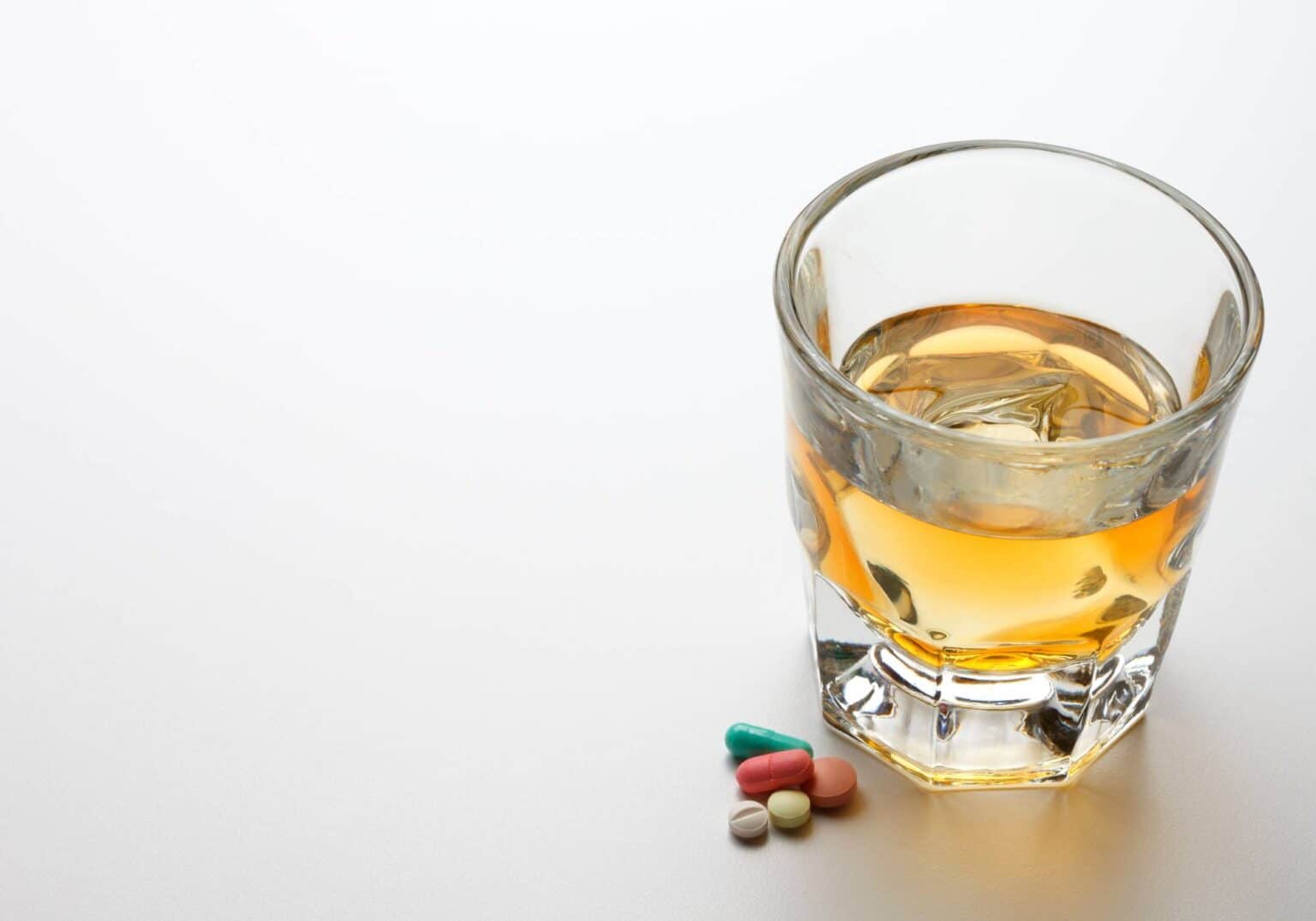

Are you considering mixing Prozac and alcohol? Navigating your mental health can be a complex journey, and a medication like Prozac, also known as fluoxetine, might be an essential piece of your wellness plan. But what if you also enjoy a drink or plan to attend a social event where alcohol will be served? The warning labels on antidepressant prescription bottles can be alarming, and for good reason. The combination of Prozac and alcohol is not just discouraged; it can be actively dangerous to your physical health and mental well-being.
The presence of Prozac in your system can actually mask some of the depressant effects of alcohol. This can lead to a deceptive feeling of increased tolerance, causing you to drink more than you normally would, which in turn raises the risk of alcohol poisoning and long-term dependence. As alcohol dependence develops, the very depression you are treating can worsen, creating a cycle where you feel trapped between needing alcohol for a short-term sense of relief and the depressive effects of alcohol in the long run. Understanding the risks of drinking while taking Prozac is essential for protecting your mental and physical health.
What is Prozac?
Prozac, known by its generic name fluoxetine, is a widely prescribed medication. It is a type of selective serotonin reuptake inhibitor, or SSRI. This means it works by preventing the brain from reabsorbing serotonin, a vital “feel-good” neurotransmitter. The goal is to keep more serotonin in circulation, which can improve mood, reduce anxiety, and help with overall mental well-being.
Prozac is most commonly used to treat major depressive disorder. However, it is also used for a range of other conditions, including obsessive-compulsive disorder (OCD), post-traumatic stress disorder (PTSD), panic disorders, and even eating disorders like bulimia nervosa. Its effectiveness in treating these conditions has made it a cornerstone of modern psychiatric care, offering hope to many who struggle with debilitating mental health challenges.
Can You Mix Prozac and Alcohol?
The simple answer is that mixing Prozac and alcohol is generally not recommended by healthcare professionals. Both substances affect the central nervous system, and combining them can dramatically increase the risk of harmful side effects and dangerous interactions. Alcohol can intensify the common side effects of Prozac, such as dizziness, drowsiness, and fatigue, which can impair coordination and judgment, leading to potential accidents.
Moreover, a significant danger of drinking with Prozac is that it can make the medication less effective. Alcohol is a depressant that can counteract the mood-stabilizing effects of Prozac, making it harder to manage the very mental health issues you are trying to treat. This can lead to a worsening of depression, anxiety, and panic symptoms, trapping you in a cycle that feels impossible to break.
Side Effects of Mixing Prozac and Alcohol
Both Prozac and alcohol can cause drowsiness, dizziness, and impaired coordination on their own. When you take them together, these effects are intensified and can become much more dangerous. The amount of alcohol you might typically consider “safe” is significantly reduced when Prozac is in your system.
Additional side effects of mixing the two substances may include:
- Worsening of depression or anxiety: Alcohol is a central nervous system depressant and can exacerbate symptoms of depression and anxiety, the very conditions Prozac is meant to treat.
- Reduced effectiveness of Prozac: Alcohol can interfere with the way Prozac works, making it less effective in managing your mood and other mental health conditions.
- Impaired judgment: The combination of these substances can severely impair your decision-making abilities, which might lead to risky behaviors or neglect of other health concerns.
- Extreme fatigue: Combining these two substances, each of which can cause fatigue independently, can lead to intense tiredness or even loss of consciousness.
- Stomach upset: Nausea, vomiting, and other gastrointestinal issues are common side effects that are often amplified when you combine alcohol and Prozac.
Should I Skip My Prozac Dose if I Plan to Drink?
Skipping your medication is never the solution. Stopping a medication like Prozac abruptly can lead to inconsistent levels of the drug in your system, which can be highly problematic. While mixing Prozac with alcohol is not recommended, the answer is not to skip your medication. Instead, it’s best to limit or completely avoid alcohol while taking Prozac. If you are struggling to make this choice, you should talk to your healthcare provider to assess the risks and explore other options.
Suddenly stopping or skipping doses of Prozac can lead to withdrawal symptoms, which may include dizziness, irritability, anxiety, nausea, and flu-like symptoms. These symptoms can be especially intense if you have been taking Prozac for an extended period. The potential for withdrawal and a return of depressive symptoms far outweighs the temporary enjoyment of a drink. For your safety and mental health, consistency with your medication is key.
The Dangers of Mixing Prozac and Alcohol
The risks of mixing prozac and drinking go beyond amplified side effects. The combination can lead to several severe and potentially life-threatening complications.
- Heightened Risk of Suicidal Thoughts: Both Prozac and alcohol are associated with an increased risk of suicidal thoughts and behaviors, particularly in young adults. When you combine them, this risk can be significantly heightened, creating a very dangerous situation.
- Serotonin Syndrome: Although rare, mixing Prozac with alcohol can increase the risk of serotonin syndrome. This is a potentially life-threatening condition where too much serotonin accumulates in the brain. Symptoms can range from mild (shivering, diarrhea) to severe (muscle rigidity, high fever, seizures), and in extreme cases, it can be fatal. This is why a professional must manage any form of prozac alcoholism.
- Cardiovascular Issues: Both Prozac and alcohol can affect blood pressure. When taken together, they may cause unpredictable changes in blood pressure, leading to dizziness, fainting, or even more serious cardiovascular issues.
If someone you know is drinking on Prozac, it is vital to understand the serious health risks. Even an occasional drink can amplify common side effects or cause unpredictable mood swings. For safety, it is generally advised to avoid alcohol entirely while on Prozac, and consulting a health program or mental health treatment provider is critical before considering whether to stop the medication or resume alcohol consumption.

The Complex Relationship Between Alcohol and Depression
The relationship between alcohol and depression is a complex one. For some, drinking on Prozac is a way to cope with persistent feelings of sadness or hopelessness, a form of self-medication. Alcohol may seem to offer a temporary feeling of relaxation or numbness, but this relief is short-lived.
As a central nervous system depressant, alcohol ultimately lowers mood and can exacerbate feelings of sadness and hopelessness. The initial temporary lift wears off, leaving a person feeling worse than before. Over time, heavy or prolonged alcohol use can lead to alcohol-induced depression, a condition that occurs as a direct result of drinking and typically only resolves with sustained abstinence. This vicious cycle is a hallmark of the intertwined nature of mental health and substance abuse disorders.
Recognizing an Unhealthy Relationship with Alcohol
If you find yourself struggling to avoid drinking with Prozac, it could be a sign that your relationship with alcohol is unhealthy. It’s not uncommon for people to self-medicate with alcohol, especially if they are also dealing with mental health concerns. The cycle of alcohol use can be difficult to stop on your own, particularly when it’s tied to managing emotions.
Recognizing the signs of an unhealthy reliance on alcohol is the first step toward getting help. Look for these red flags:
- You feel like you “need” a drink to relax or cope.
- You’ve tried to cut back or stop drinking but haven’t been able to.
- Your loved ones have expressed concern about your drinking.
- You experience withdrawal symptoms when you stop drinking.
- Your mental health symptoms worsen after you drink.
- You are drinking more to get the same effect.
If you are a loved one, paying attention to these signs is crucial. The combination of mental illness and alcohol use disorder is known as a co-occurring disorder, and it requires a specialized treatment approach.
Understanding Dual Diagnosis Treatment
A large number of people who struggle with alcohol addiction also have co-occurring mental health concerns—this might be the very reason you are reading this article today. Often, addiction does not start in isolation but can be triggered by underlying issues like depression, anxiety, trauma, or other mental health disorders. This is why dual diagnosis treatment programs are so important. They are designed to address both the substance use and the mental health condition at the same time.
At a high-quality drug rehab in Atlanta, GA, like Hope Harbor Wellness, a dual diagnosis approach ensures that both conditions are treated in an integrated way. Instead of treating one and hoping the other improves, we understand that they are interconnected. Our programs provide a holistic treatment plan that addresses the root causes of addiction, helping you heal from both conditions simultaneously.
Your Path to Professional Help at a Drug Rehab in Atlanta
If you or a loved one are struggling with alcohol use while on Prozac, seeking professional help is the most important step you can take. A drug rehab in Atlanta can offer the expert care and support you need. The process of getting help can feel overwhelming, but it is a path to a healthier and more stable life.
Here is what you can expect when you begin your journey:
- Initial Assessment: The first step is a confidential consultation with an admissions specialist. They will ask about your substance use and mental health history to determine the best course of action.
- Personalized Treatment Plan: Based on your assessment, a team of professionals will create a tailored treatment plan. This may include a medically supervised detox to ensure your safety as your body clears the alcohol, followed by therapy and other supportive services.
- Therapeutic Support: Your treatment will involve a variety of therapies, such as Cognitive Behavioral Therapy (CBT), Dialectical Behavior Therapy (DBT), and individual and group counseling. These sessions will help you develop coping skills, understand the connection between your thoughts and behaviors, and address the underlying issues contributing to your addiction.
- Building a Support System: You will be surrounded by peers and professionals who understand your struggle. Group therapy fosters a sense of community, and family therapy can help repair relationships and build a strong support system for your recovery.
The path to recovery is not always easy, but you don’t have to walk it alone. A comprehensive program can provide the tools, support, and care you need to achieve lasting sobriety and mental wellness.
Relapse Prevention and Long-Term Wellness
Ending an alcohol addiction treatment program is a major accomplishment, but it’s just the beginning of the journey. Relapse prevention is a critical component of treatment for anyone with a dual diagnosis. It involves equipping you with the skills and strategies to manage triggers, cravings, and difficult emotions without turning to alcohol.
At Hope Harbor Wellness, our programs emphasize:
- Coping Mechanisms: You will learn healthy ways to manage stress, anxiety, and depression. This could include mindfulness, exercise, journaling, and other therapeutic activities.
- Identifying Triggers: We help you recognize the people, places, and situations that might trigger a desire to drink, so you can develop a plan to navigate them safely.
- Aftercare Planning: Before you leave the program, we will work with you to create a detailed aftercare plan. This may include step-down programs, continued therapy, and participation in support groups like Alcoholics Anonymous (AA) or other peer-led recovery groups.
The goal is to empower you to take control of your life and continue the work of recovery long after you leave our care. By addressing both your substance use and mental health, we provide a solid foundation for a future filled with stability, health, and happiness.
If you are struggling with a desire to drink alcohol while taking a medication like Prozac, it is a sign that you may need professional help. At Hope Harbor Wellness, we understand the complexities of mental health and addiction. Our dual diagnosis programs are designed to address both issues simultaneously, helping you break the cycle and find lasting relief. Contact us today at 770-573-9546 or fill out our online contact form to speak with an admissions team member who can help you decide if a dual diagnosis program is the right fit for you.
Mixing Prozac and Alcohol Frequently Asked Questions
Can Prozac and alcohol kill you?
While rare, the combination of Prozac and alcohol can be fatal. It increases the risk of serious conditions like serotonin syndrome, where a toxic amount of serotonin builds up in your brain, leading to severe symptoms and potential death. The combination also increases the risk of accidents due to severe impairment.
What is “Prozac alcoholism”?
“Prozac alcoholism” is not a formal medical term, but it describes a dangerous pattern of behavior where a person continues to misuse alcohol while on Prozac. This often leads to a worsening of both their depression and their reliance on alcohol, creating a complex dual diagnosis that requires professional intervention.
How long after stopping Prozac can I drink alcohol?
This is a question only a doctor can answer. Prozac can remain in your system for several weeks after your last dose. Your healthcare provider will give you a specific timeline to ensure your body is completely clear of the medication and its metabolites before you consider consuming alcohol again.
What if I drank on Prozac by accident?
If you have a single drink on Prozac, you may experience amplified side effects like dizziness or fatigue. If you have consumed more, or if you begin to feel unwell, seek medical attention immediately.
Will drinking with Prozac make my depression worse?
Yes, alcohol is a central nervous system depressant. It can directly counteract the mood-stabilizing effects of Prozac, leading to a worsening of depressive symptoms over time and trapping you in a cycle of self-medication.
Are there any safe amounts of alcohol to drink while taking Prozac?
There is no “safe” amount of prozac with alcohol. Even a small amount of alcohol can lead to unpredictable side effects, impair your judgment, and make your medication less effective. The safest approach is to avoid alcohol entirely while on this medication.
Is it safe to stop taking Prozac just to drink?
No, suddenly stopping Prozac can lead to withdrawal symptoms, a return of your depressive symptoms, and potential mood instability. Never stop taking your medication without consulting your doctor.