

Cocaine use is associated with many well-known symptoms, such as mood swings, social isolation, and changes in appetite and sleep patterns. However, there is a less-known side effect that directly impacts a person’s oral health: cocaine jaw or coke jaw. This condition is characterized by involuntary grinding and clenching of the teeth, leading to a variety of dental and jaw-related issues. Understanding the link between cocaine and oral health is a critical step for anyone who may need to seek professional help from a trusted addiction treatment center and their dentist.
At Hope Harbor Wellness, we recognize that coke jaw is more than just a dental problem; it is a clear symptom of a deeper issue. If cocaine dependence is interfering with your well-being, our compassionate team is here to help. We offer comprehensive cocaine addiction treatment programs designed to help you overcome substance use and prevent further damage to your health. Contact us today at 770-573-9546 or fill out our online contact form for break free from the grasp of cocaine addiction.
What Is Cocaine Jaw?
Cocaine jaw is a condition defined by the involuntary grinding, clenching, or gnashing of the teeth that results from cocaine use. This excessive movement and tension can lead to several problems, including damaged teeth, facial muscle soreness, and pain in the temporomandibular joint (TMJ).
The primary cause of cocaine jaw is the drug’s potent stimulant effect on the central nervous system. Cocaine floods the brain with neurotransmitters like dopamine and serotonin, which can lead to hyperactivity and muscle tension, especially in the jaw. This constant clenching and grinding is an involuntary physical response to the drug’s effects.
The symptoms of coke jaw are similar to those of bruxism, a condition characterized by teeth grinding. If you or a loved one is experiencing these signs in conjunction with cocaine use, it is time to seek professional help.
- Teeth Clenching and Grinding: This is the most direct symptom. The force of this action can wear down tooth enamel, leading to increased sensitivity, cracks, or worn-down surfaces. This often requires costly dental repairs, such as fillings, crowns, and implants.
- Jaw Pain or Soreness: The constant tension can cause a persistent ache in the jaw muscles, which may worsen when chewing or talking.
- Jaw Stiffness: Excessive muscle tension can make it difficult to open your mouth fully. This limited range of motion can make simple activities like eating a challenge.
- Tinnitus: In some cases, the pain and tension from the jaw joint can lead to tinnitus, a condition characterized by a ringing or buzzing sound in the ears.
While a person can experience bruxism without using cocaine, a direct correlation with cocaine use is a strong indicator of a problem. Addressing both the dental issues with a dentist and the substance use with an addiction treatment center is essential.
Is Cocaine Jaw Treatable?
Fortunately, cocaine jaw is a treatable condition. However, treatment must address both the physical symptoms and the underlying cause: cocaine use.
- Oral Appliances: A dentist can create a custom-fitted night guard or mouth guard. This device doesn’t stop the grinding but protects your teeth from further damage.
- Relaxation Techniques: You can help relieve jaw tension with simple relaxation practices. This includes applying a warm compress to the affected area, doing specific jaw exercises, and practicing meditation to reduce stress.
- Cognitive Behavioral Therapy (CBT): Counseling can help a person address the root causes of their substance use. By learning healthier coping strategies, they can reduce their reliance on cocaine, which will alleviate jaw tension.
- Cocaine Addiction Treatment: The most effective and lasting solution for cocaine jaw is to stop using cocaine. The sooner you seek help for your addiction, the sooner you will start to experience relief from jaw pain and tension. Without addressing the underlying substance use, it will be challenging to find long-term relief from coke jaw symptoms.
How Cocaine Jaw Compares to Other Oral Issues
When exploring the effects of cocaine on oral health, it’s easy to confuse coke jaw with other related conditions. Understanding the distinctions is key to recognizing the specific dangers of cocaine abuse.
- Cocaine Gum and Coke Mouth: The term “cocaine gum” often refers to the practice of rubbing the drug directly on the gums for absorption. This can cause direct tissue damage, including painful sores and gum recession. “Coke mouth” typically refers to a condition called xerostomia, or severe dry mouth. Cocaine misuse decreases saliva production. Since saliva protects the teeth and gums from acids, a lack of it can lead to rapid tooth decay and gum disease.
- Cocaine Jaw (Bruxism): On the other hand, coke jaw is caused by the involuntary muscle clenching and teeth grinding that are a direct result of cocaine’s stimulant properties. While both coke mouth and cocaine jaw impact the mouth and teeth, they are distinct issues caused by different mechanisms of the drug. A person who abuses cocaine can experience one, both, or a combination of these oral health problems.
- Cocaine Jaw and Cocaine Lockjaw: While often used interchangeably, there is a subtle difference in the meaning of cocaine jaw and cocaine lockjaw. Cocaine jaw generally refers to the involuntary clenching and grinding. Cocaine lockjaw, or cocaine jaw lock, refers to a more severe and prolonged spasm of the jaw muscles that makes it nearly impossible to open the mouth. This can be a very painful and distressing symptom that requires immediate medical attention.
The Connection Between Coke Jaw and Cocaine Addiction
Coke jaw is often one of the first visible signs of a developing cocaine addiction. When a person uses cocaine repeatedly over an extended period, the brain’s reward system becomes rewired to seek out the drug. This cycle drives powerful cravings and compulsive use, leading to addiction. Cocaine jaw is an overt physical sign that the drug is taking a toll on a person’s body and their life.
Other signs of cocaine abuse and addiction include:
- Sudden weight loss
- Less need for sleep
- Frequent nosebleeds
- Rapid speech or “coke talk”
- Manic or elevated moods
- Intense drug cravings
- Inability to cut back or quit, even when a person wants to
- Increased tolerance, requiring higher doses for the same effect
- Chronic runny nose or sniffing
- Obsession with obtaining and using cocaine
- Severe money problems
- Continuing to use the drug despite the problems it causes
- Engaging in high-risk behaviors
- Neglecting daily responsibilities
- Experiencing withdrawal symptoms when the drug wears off
Heal From The Symptoms Of Cocaine Addiction
Cocaine Jaw and the Brain
The link between cocaine jaw and the brain is rooted in the drug’s powerful effect on the central nervous system. Cocaine works by blocking the reuptake of dopamine, a neurotransmitter associated with pleasure, motivation, and motor control. This flood of dopamine creates the feeling of euphoria but also causes involuntary physical responses. The muscles of the face and jaw become overstimulated, leading to the compulsive clenching and grinding that characterizes coke jaw. This is a direct physical manifestation of the neurological changes that occur with cocaine use. Addressing the brain’s response through therapy and medical care is the only way to truly stop the cycle.
The Dangers of Fentanyl in Cocaine Supply
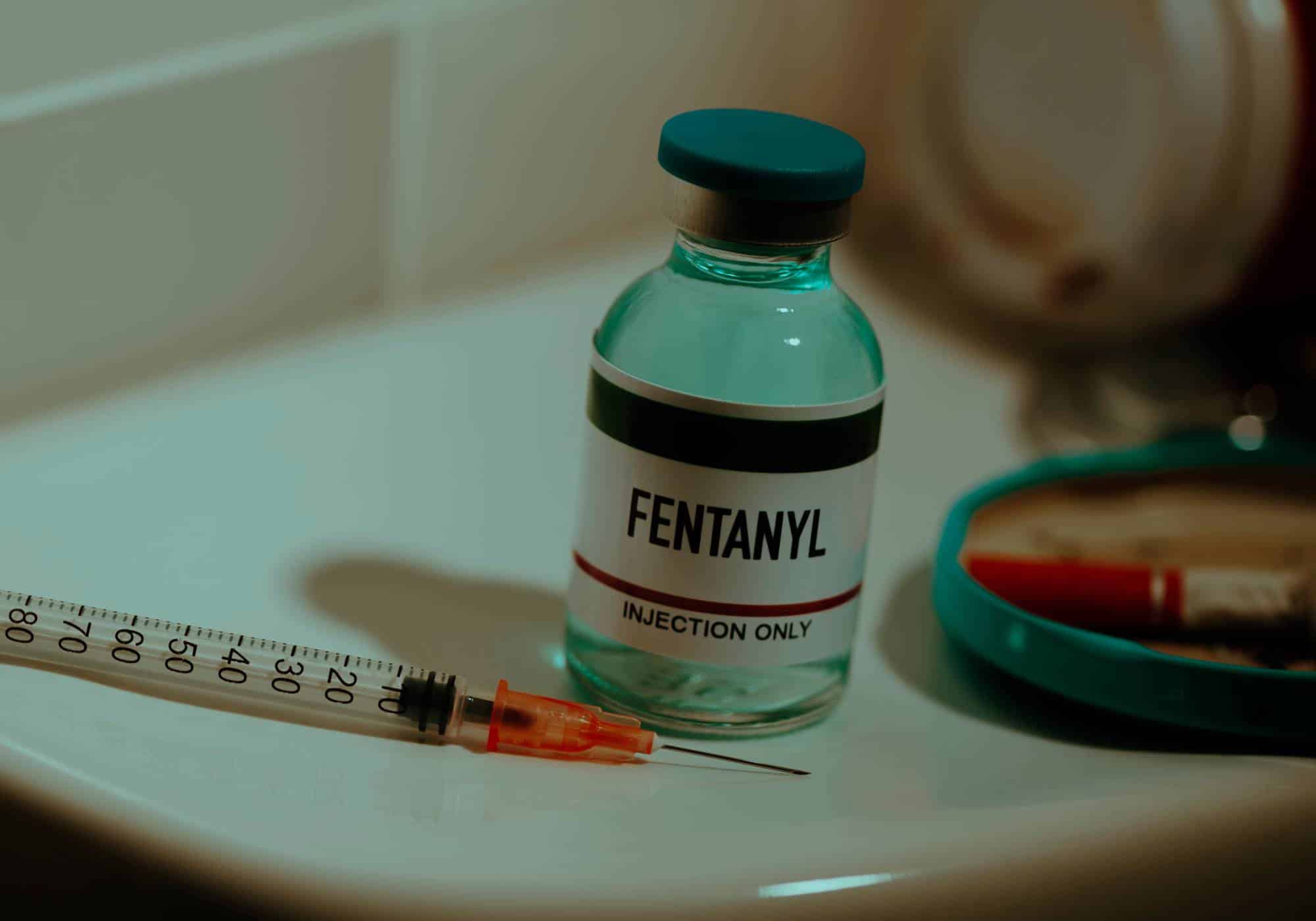
It’s crucial to acknowledge the growing and life-threatening danger of fentanyl being mixed into the cocaine supply. Fentanyl is a powerful synthetic opioid that is incredibly potent, and even a small, unnoticeable amount can lead to a fatal overdose. This dangerous practice means that a person using cocaine may unknowingly be ingesting a deadly opioid, putting their life at risk with every use. The presence of fentanyl adds a new, urgent layer of risk to cocaine abuse, making professional help and medical supervision during detox more critical than ever. This trend has made the need for professional, medically-supervised drug rehab in Atlanta, GA even more important for anyone using cocaine.
The Financial and Social Toll of Cocaine Addiction
Beyond the physical symptoms like coke jaw, cocaine addiction has a devastating financial and social toll. A person struggling with addiction may spend all of their money on obtaining the drug, leading to severe financial problems, debt, and an inability to meet basic needs. The compulsive drive to use cocaine can also cause a person to neglect their responsibilities at work, school, and home, often resulting in job loss or academic failure.
On a social level, addiction often leads to social isolation. A person may withdraw from friends and family to hide their drug use, or their relationships may become strained and damaged due to their behaviors. The obsession with cocaine can consume their life, leaving little room for healthy relationships or personal growth. Addressing these social and financial consequences is a key part of the recovery process, helping a person to rebuild their life from the ground up.
The Benefits of a Holistic Approach to Treatment
Effective addiction treatment, especially for conditions like cocaine addiction that have both physical and psychological components, often involves a holistic approach. This means addressing the entire person—mind, body, and spirit—in the recovery process. While psychotherapy and medical care are crucial, incorporating holistic activities can significantly improve the chances of long-term recovery.
Holistic elements, such as mindfulness meditation, yoga, and proper nutrition, can help a person manage stress, improve their physical health, and develop a greater sense of self-awareness. These practices can be powerful tools for managing cravings and building resilience. They provide healthy alternatives to substance use and help a person reconnect with their body in a positive way. A comprehensive treatment plan that includes both evidence-based therapies and holistic activities offers the best path to a full and lasting recovery.
Seeking Help: Cocaine Detox and Treatment
For a person with a severe cocaine addiction, the withdrawal process can be difficult and even dangerous. While the physical symptoms may be uncomfortable, the most significant challenges during cocaine withdrawal are often psychological. Without a professional detox team to supervise the process, a person can become overwhelmed by depression, agitation, and even suicidal thoughts.
A professional cocaine detox typically lasts about one week. During this time, a person is monitored around the clock to ensure their safety and comfort. Once the detox is complete, the individual can transition into the treatment phase of their recovery.
The Importance of Seeking Professional Help for Cocaine Jaw
While it might be tempting to just treat the symptoms of coke jaw with a mouthguard or jaw exercises, this approach fails to address the underlying addiction. The physical pain of the jaw is a warning sign, a signal from your body that there is a larger, more dangerous problem at play. Seeking professional help from a reputable drug rehab in Atlanta, GA is essential for long-term health. Addiction treatment centers provide a safe environment for detox and a comprehensive therapeutic approach to address the root causes of cocaine use. They equip individuals with the tools and skills needed to live a life free from the grip of addiction, which is the only way to find true and lasting relief from all its symptoms, including coke jaw.
Outpatient Treatment for Cocaine Addiction in Atlanta, GA
After safely completing detox, the next step is an addiction treatment program. For many, an outpatient program is an excellent choice. Outpatient treatment offers flexibility, allowing individuals to continue living at home and managing daily responsibilities while participating in their recovery program.
At Hope Harbor Wellness, our outpatient programs provide a structured and supportive environment for healing.
Our core treatment elements include:
- Individual psychotherapy sessions
- Group therapy sessions
- Family therapy
- Addiction education
- Relapse prevention planning
- 12-step program
- Holistic activities
The length of an outpatient program is determined by the severity of the addiction. A typical duration is 90 days, which provides a solid foundation for long-term sobriety.
Healing and Recovery from Cocaine Abuse
The journey to recovery from cocaine addiction is a path to healing. As a person moves through their treatment and maintains sobriety, many of the physical and mental symptoms they experienced, including cocaine jaw, will begin to improve.
Once a period of recovery has been achieved, it is a good idea to consult a dentist to address any remaining dental damage. They can repair broken or decayed teeth, while a periodontist can treat any lingering gum damage. The goal is to restore not just a person’s sobriety, but their overall health and well-being.
If you are struggling with cocaine use, you don’t have to go through this alone. Hope Harbor Wellness can provide the support and treatment you need to heal. Contact us today at 770-573-9546 or fill out our online contact form to begin your journey to a healthier, happier life.
Cocaine Jaw Frequently Asked Questions
What is the meaning of coke jaw?
Coke jaw is the term for involuntary jaw clenching and teeth grinding caused by the stimulant effects of cocaine. It is a common side effect of cocaine use.
What is the difference between coke jaw and cocaine lockjaw?
Coke jaw typically refers to a less severe, often unconscious teeth grinding, while cocaine lockjaw describes a more severe, prolonged spasm of the jaw muscles that makes it difficult or impossible to open the mouth.
Does cocaine abuse cause other oral health problems?
Yes, cocaine abuse can lead to other oral health issues, including dry mouth, gum disease, tooth decay, and sores in the mouth, especially if the drug is rubbed on the gums.
Is it possible to recover from coke jaw?
Yes, but the most effective treatment for coke jaw is to stop using cocaine. Once a person achieves sobriety, the symptoms of jaw clenching and grinding will often subside. Dental professionals can then repair any damage to the teeth and gums.
Why does cocaine cause my jaw to clench?
Cocaine is a powerful stimulant that affects the central nervous system. This causes hyperactivity in the muscles, including those that control the jaw, leading to involuntary clenching and grinding.
How is a cocaine jaw treated?
Treatment for cocaine jaw involves a two-part approach. A dentist can provide a mouthguard to prevent further damage to teeth, while a comprehensive addiction treatment program addresses the underlying cocaine use.