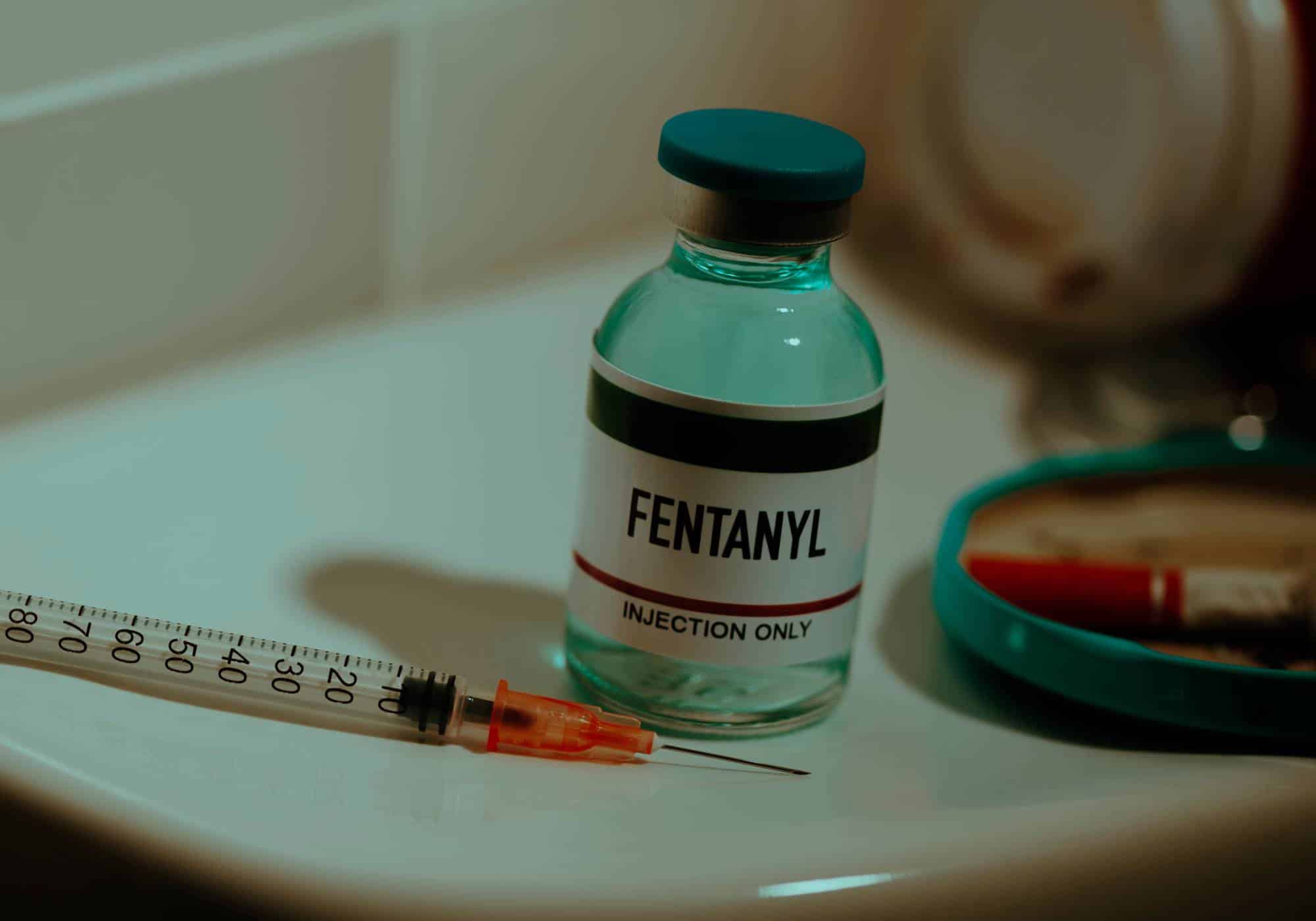


Can the K18 Pill Be Both Helpful and Harmful?
Modern pain care often relies on prescription opioids, yet the same medicines that silence intense pain can trigger dependence, overdose, and life-changing health issues. The small white K 18 pill—an immediate-release 5 mg oxycodone tablet—fits squarely in this double-edged category. Below you’ll discover how the pill works, how long it lasts, warning signs of misuse, and compassionate recovery options through Hope Harbor Wellness. Armed with evidence-based information, you can protect yourself or a loved one from the darker side of pain relief.
What Is the K18 Pill?
The K18 pill is a small, white, round tablet imprinted with “K 18” and contains 5 mg of immediate-release oxycodone hydrochloride. Classified as a Schedule II controlled substance, this opioid medication is highly effective at relieving moderate to severe pain but also carries a high risk of misuse and addiction. Understanding the risks and uses of the K18 pill is vital, especially for those managing chronic pain or recovering from surgery.
Key facts about the K18 pill:
- Contains 5 mg of oxycodone hydrochloride.
- Manufactured by KVK Tech Inc.
- Classified as an opioid analgesic.
- High potential for abuse and dependence.
- Round, white tablet with “K 18” imprint.
- Commonly prescribed for short-term pain relief after surgery or injury.
- May be used off-label for managing breakthrough cancer pain.
- Immediate-release formula allows fast absorption and fast action.
- Often misidentified due to its simple appearance.
- Should only be taken under strict medical supervision.
Common Dosages for the K18 Pill
Doctors generally prescribe the K18 pill for short-term relief of moderate to severe pain. Proper adherence to prescribed dosages is critical to avoid negative health outcomes or dependency. Patients who require different strength levels can be prescribed other formulations of oxycodone under medical supervision.
Typical dosage information:
- Adults: 5 mg every 4–6 hours as needed for pain.
- Maximum daily dose should not exceed physician instructions.
- Dose may be adjusted based on the patient’s tolerance and medical condition.
- Never double up on doses if one is missed—consult a doctor.
- Pediatric use is not recommended without a specialist’s approval.
- Elderly patients may need adjusted dosages to avoid sedation.
- For chronic conditions, doctors may rotate medications to manage tolerance.
How Long Do the Effects of K18 Last?
The analgesic effects of the K18 pill typically begin within 20 to 30 minutes after oral intake and last about 4 to 6 hours. However, this duration may vary based on several factors including metabolic rate and overall health condition.
Factors that may affect duration:
- Metabolism rate
- Liver and kidney function
- Frequency of use
- Co-use with other substances
- Age and weight of the individual
- Food intake at the time of administration
- Presence of other medical conditions, such as diabetes or liver disease
How the White Round K18 Pill Interacts with Your Brain
Oxycodone, the active ingredient in the K18 pill, binds to opioid receptors in the brain and spinal cord to reduce the sensation of pain. Additionally, it stimulates dopamine release, which can create a euphoric feeling and lead to psychological dependency over time.
Effects on the brain:
- Alters pain perception.
- Activates reward system.
- Can cause euphoria and sedation.
- Long-term use may alter brain chemistry.
- Can interfere with natural endorphin production.
- May lead to reduced motivation or emotional numbness.
- Increases risk of opioid-induced hyperalgesia with chronic use.
Potential Side Effects of the K18 Pill
Like other opioid medications, the K18 pill can produce a range of side effects, from mild to severe. These effects can interfere with daily activities, and persistent symptoms should be reported to a healthcare provider.
Common side effects include:
- Drowsiness
- Constipation
- Nausea or vomiting
- Dizziness
- Dry mouth
- Sweating
- Lightheadedness
- Loss of appetite
- Mild skin itching or rash
- Mild confusion or slowed reaction time
Short-Term Side Effects of Oxycodone
Initial use of oxycodone, such as with the K18 pill, often leads to short-term side effects that may lessen over time as the body adjusts to the medication. Monitoring and managing these symptoms can improve overall tolerance.
These may include:
- Mood swings
- Itching
- Sweating
- Loss of appetite
- Blurred vision
- Slowed breathing
- Difficulty concentrating
- Feeling overly relaxed or detached
- Mild euphoria that fades with continued use
- Sensitivity to sounds or lights
Long-Term Effects of Oxycodone Use
Prolonged use of the K18 pill can contribute to chronic health complications and may increase the likelihood of developing opioid use disorder. Patients on long-term oxycodone therapy should be closely monitored.
Potential long-term effects:
- Hormonal imbalances
- Immune system suppression
- Increased sensitivity to pain
- Anxiety and depression
- Memory and cognitive issues
- Decreased libido and sexual dysfunction
- Sleep disturbances or insomnia
- Increased risk of fractures in older adults
- Gastrointestinal issues such as chronic constipation
Adverse Effects of the K18 Pill
Some users of the K18 pill may experience serious side effects requiring immediate medical attention. Being aware of these symptoms is essential for preventing life-threatening reactions.
Severe adverse effects include:
- Breathing problems
- Chest pain
- Severe dizziness or fainting
- Hallucinations
- Allergic reactions (rash, itching, swelling)
- Seizures or tremors
- Extreme drowsiness or unresponsiveness
- Blue-tinted lips or fingers (cyanosis)
- Irregular heartbeat or palpitations

How Long Does the K18 Pill Stay in Your System?
The half-life of oxycodone, which influences how long the K18 pill remains active in your system, is generally between 3.2 and 4.5 hours. While most of the drug is cleared from the body within 24 hours, it can still be detected through drug testing.
Detection times:
- Urine: 2 to 4 days
- Blood: Up to 24 hours
- Saliva: 1 to 2 days
- Hair: Up to 90 days
- Can vary depending on dosage and duration of use
- Body mass index and hydration can influence test results
- Co-ingestion of other medications may extend detection window
K18 Pill Onset and Duration
The K18 pill delivers quick pain relief due to its immediate-release formula. Understanding how long the effects last can help patients plan dosage schedules and manage pain effectively.
General timelines:
- Onset: 20 to 30 minutes after ingestion
- Peak effects: Around 1 hour
- Duration: 4 to 6 hours
- May vary with metabolism and tolerance levels
- Taking with food may slightly delay onset
- Not intended for long-lasting chronic pain management
K18 Pill Withdrawal Symptoms
Discontinuing the K18 pill, especially after prolonged use, can lead to uncomfortable and potentially severe withdrawal symptoms. These symptoms occur because the body has become physically dependent on oxycodone to function normally. The intensity and duration of withdrawal will depend on how long the person used the medication and at what dose.
Common withdrawal symptoms:
- Muscle aches and joint pain
- Insomnia or difficulty sleeping
- Agitation or irritability
- Anxiety and restlessness
- Nausea, vomiting, and diarrhea
- Sweating and chills
- Runny nose and watery eyes
- Yawning excessively
- Dilated pupils
- Increased heart rate and blood pressure
Timeline of withdrawal:
- 6–12 hours after last dose: Early symptoms like muscle aches, anxiety, and sweating begin.
- 24–72 hours: Symptoms peak; vomiting, diarrhea, and intense cravings may occur.
- 4–7 days: Most physical symptoms begin to improve.
- 1–2 weeks and beyond: Psychological symptoms like depression or insomnia may persist.
Medical detox is strongly recommended for individuals withdrawing from oxycodone to ensure safety and comfort. Gradual tapering under medical supervision can also reduce the severity of withdrawal symptoms.
Is K18 Oxycodone?
Yes, the K18 pill is a form of oxycodone, a powerful opioid prescribed for moderate to severe pain. Specifically, it contains 5 mg of immediate-release oxycodone hydrochloride, designed to act quickly and provide short-term pain relief. The pill is white, round, and marked with the imprint “K 18,” which helps identify it among other medications.
Oxycodone, the active ingredient in the K18 pill, is part of a class of drugs known as opioid analgesics. These medications work by binding to specific receptors in the brain and spinal cord, blocking the transmission of pain signals and often creating feelings of euphoria. While effective at reducing pain, this same mechanism also makes oxycodone—and the K18 pill in particular—highly susceptible to misuse and addiction.
Additional facts about the K18 pill and oxycodone:
- Oxycodone is a synthetic opioid derived from thebaine, an opiate alkaloid.
- The K18 pill does not contain acetaminophen, unlike combination drugs like Percocet.
- Immediate-release versions like K18 are used for quick pain relief, unlike extended-release options meant for long-term pain management.
- The risk of dependency increases if taken without a prescription or for longer than directed.
- Even a 5 mg dose like K18 can lead to overdose when combined with alcohol or other depressants.
Patients should only take the K18 pill under the guidance of a healthcare professional and should never share the medication with others.
Is K18 Percocet?
No, the K18 pill is not Percocet. While both medications contain the opioid oxycodone, the K18 pill includes only oxycodone hydrochloride (5 mg), whereas Percocet is a combination medication that pairs oxycodone with acetaminophen, a non-opioid pain reliever and fever reducer. This key difference significantly changes how each medication is used and what risks are associated with them.
Percocet is often prescribed when a patient requires both the strong pain-relieving effects of oxycodone and the added anti-inflammatory and fever-reducing benefits of acetaminophen. However, because acetaminophen can cause liver damage when taken in high doses, Percocet use is more closely monitored and may have stricter dosage limits than the K18 pill.
Key differences between K18 and Percocet:
- Active ingredients: K18 contains only oxycodone; Percocet contains both oxycodone and acetaminophen.
- Dosage flexibility: K18 offers a single 5 mg dose, whereas Percocet comes in several dose combinations (e.g., 5/325, 7.5/325).
- Liver risks: Percocet poses additional liver health risks due to its acetaminophen content.
- Pill appearance: Percocet tablets often differ in shape, color, and imprint compared to the small, round, white K18 pill.
- Prescribing considerations: Doctors may choose K18 when they want to avoid the risks associated with acetaminophen or when the pain being treated does not require combination therapy.
It’s important for patients to understand that although these medications share an ingredient, they are not interchangeable. Misidentifying the K18 pill as Percocet—or vice versa—can result in taking the wrong medication, which may lead to overdose, liver toxicity, or reduced effectiveness in pain management.
What Is the K18 Pill Used For?
The K18 pill is used to treat moderate to severe acute pain that is not effectively managed by non-opioid medications. Doctors often prescribe this medication in cases where pain is sudden, intense, or the result of trauma, surgery, or cancer. As a fast-acting, immediate-release formulation of oxycodone, the K18 pill provides rapid relief, typically within 20 to 30 minutes of ingestion.
This opioid analgesic is especially effective for short-term pain management, but because it has a high potential for misuse, it is generally prescribed for only a limited duration. Patients should be evaluated regularly during treatment to determine whether continued therapy with the K18 pill is necessary and beneficial.
Common medical uses for the K18 pill:
- Post-surgical pain: Often prescribed after surgeries such as orthopedic, dental, or abdominal procedures.
- Injury-related pain: Helps manage pain from fractures, burns, or other traumatic injuries.
- Cancer-related pain: May be used for breakthrough pain in cancer patients not adequately controlled with baseline medications.
- Short-term severe pain: For patients suffering from acute pain episodes that require immediate intervention.
- Palliative care: Occasionally used in end-of-life care to manage persistent or breakthrough pain.
Important usage guidelines:
- K18 should only be taken as prescribed by a licensed medical provider.
- Patients should avoid alcohol and other central nervous system depressants while using the K18 pill.
- Dosage and duration should be the lowest effective dose for the shortest period.
- Misuse of this medication increases the risk of addiction, overdose, and death.
- It is not recommended for individuals with a history of opioid use disorder unless closely monitored.
While the K18 pill is effective, it is also powerful, and its use should be approached with caution. Always consult your healthcare provider if your pain is not controlled or if you are experiencing unusual side effects.
The Dangers of K18 Pill Misuse
Misusing the K18 pill—whether by taking higher doses than prescribed, using it without a prescription, or combining it with other substances—can lead to severe, life-threatening consequences. Since the K18 pill contains oxycodone, a powerful opioid, misuse significantly increases the risk of overdose, addiction, and serious health complications.
Many individuals begin misusing opioids like the K18 pill for legitimate pain relief but eventually develop a dependence. Over time, the body builds tolerance, requiring higher doses to achieve the same effect, which often leads to misuse. Even taking one extra pill or combining it with alcohol or benzodiazepines can result in fatal respiratory depression.
Specific dangers of K18 pill misuse:
- Overdose risk: Taking too much oxycodone can cause dangerously slowed breathing, loss of consciousness, or death.
- Addiction: Regular misuse can lead to opioid use disorder (OUD), a chronic brain disease characterized by compulsive drug seeking.
- Polysubstance danger: Combining the K18 pill with alcohol, benzodiazepines, or other opioids dramatically increases the risk of overdose.
- Legal consequences: Using someone else’s prescription or sharing your pills is illegal and may result in criminal charges.
- Unpredictable side effects: Misuse may intensify side effects like confusion, vomiting, and hallucinations, leading to dangerous outcomes.
- Increased tolerance: Over time, users need larger amounts to achieve the same relief, escalating the risk of adverse effects.
- Social impact: Misuse can strain personal relationships, lead to job loss, and create financial hardships.
Signs of misuse:
- Taking more pills than prescribed or running out early
- Craving the K18 pill or feeling anxious when it’s unavailable
- Using the pill to feel “high” rather than for pain
- Doctor shopping or faking symptoms to obtain more pills
- Withdrawal from responsibilities and loved ones
Because the K18 pill is so potent, misuse can spiral quickly into addiction or a medical emergency. Anyone concerned about opioid misuse should seek professional help immediately. Early intervention can prevent long-term consequences and potentially save lives.

How the K18 Pill Interacts with Other Substances
The K18 pill, which contains 5 mg of immediate-release oxycodone, can cause dangerous drug interactions when taken with other substances. These interactions can intensify side effects, increase the risk of overdose, or reduce the effectiveness of either the K18 pill or the other substance. Because oxycodone affects the central nervous system, combining it with other depressants is especially hazardous.
Even substances considered mild—like alcohol or over-the-counter sleep aids—can have serious consequences when taken with the K18 pill. Understanding these interactions is crucial for anyone prescribed oxycodone.
Dangerous interactions include:
- Alcohol: Increases drowsiness and sedation; significantly raises the risk of respiratory depression and overdose.
- Benzodiazepines (e.g., Xanax, Ativan): Can lead to extreme sedation, slowed breathing, coma, or death when combined with oxycodone.
- Muscle relaxants (e.g., cyclobenzaprine): May amplify central nervous system depression, increasing the risk of fainting or confusion.
- Antidepressants (SSRIs, SNRIs, MAOIs): May affect oxycodone metabolism and increase the risk of serotonin syndrome or withdrawal symptoms.
- Illicit drugs: Combining with heroin, cocaine, or synthetic opioids can result in unpredictable and often fatal interactions.
- Other opioids: Increases the risk of overdose and may cause dangerous sedation or slowed breathing.
- CYP3A4 inhibitors (e.g., ketoconazole, grapefruit juice): Can elevate oxycodone levels in the blood, intensifying effects and toxicity.
Guidelines to stay safe:
- Always tell your healthcare provider about all medications, supplements, and substances you use.
- Avoid alcohol entirely while taking the K18 pill.
- Do not start or stop other medications without medical advice.
- Watch for signs of overdose: trouble breathing, excessive sleepiness, or blue lips/fingertips.
- Keep a list of all substances you take and share it at every medical appointment.
The K18 pill should only be taken under medical supervision, especially if you’re on any other medications or substances. Drug interactions are one of the most common—and preventable—causes of opioid-related hospitalizations and deaths.
Is the K18 Pill Addictive? Risk Factors & More
Yes, the K18 pill is addictive. Like all oxycodone-based medications, it carries a high risk of dependence and addiction—even when used as prescribed. Oxycodone works by activating the brain’s reward system, which produces feelings of relaxation and euphoria. Over time, the brain begins to crave these effects, especially when the drug is misused.
While not everyone who uses the K18 pill will become addicted, certain individuals are at greater risk based on genetics, medical history, and environmental factors.
Why the K18 pill is addictive:
- Triggers dopamine release: Produces feelings of euphoria and pleasure.
- Changes brain chemistry: Long-term use alters how the brain perceives pain and pleasure.
- Leads to tolerance: Users need higher doses over time to achieve the same effects.
- Causes dependence: The body adapts to the presence of oxycodone and needs it to function.
Risk factors for addiction:
- Family history: Genetics play a significant role in the likelihood of developing substance use disorders.
- Mental health conditions: Individuals with depression, anxiety, PTSD, or bipolar disorder are at higher risk.
- Previous substance use: A history of alcohol or drug misuse increases vulnerability.
- Long-term use: Even if taken as prescribed, prolonged use can lead to physical dependence and addiction.
- Younger age: Adolescents and young adults are more susceptible to developing addiction.
Addiction can happen gradually, making it difficult to recognize early warning signs. It’s important for patients and their families to stay informed and watch for behavioral changes. Seeking help early can reduce long-term health risks and improve the chances of recovery.
What K18 & Oxycodone Pill Addiction Looks Like
Addiction to the K18 pill or other oxycodone medications can take many forms and affect every area of a person’s life. It’s not just about using the drug—it’s about compulsive behavior, emotional changes, and a growing inability to function without the substance. As addiction deepens, it often becomes visible through physical, emotional, and social symptoms.
Being able to recognize the signs of K18 pill addiction is critical for early intervention. Addiction doesn’t look the same for everyone, but there are common patterns that point to opioid dependence.
Behavioral symptoms:
- Cravings: A constant or frequent desire to use the K18 pill, even without pain.
- Doctor shopping: Visiting multiple providers to obtain additional prescriptions.
- Secretive behavior: Hiding pills, lying about use, or being evasive about health.
- Neglecting responsibilities: Missing work, school, or family obligations due to drug use.
- Financial struggles: Spending large amounts of money to acquire more pills.
Physical symptoms:
- Tolerance: Needing a higher dose for the same level of pain relief or euphoria.
- Withdrawal: Experiencing symptoms like nausea, anxiety, and insomnia when not using.
- Weight loss: Decreased appetite or poor nutrition as a result of opioid dependence.
- Poor hygiene: Neglecting physical care or appearance.
- Fatigue or sedation: Seeming overly tired, sluggish, or frequently “nodding off.”
Emotional changes:
- Mood swings: Rapid shifts between calmness, anger, or sadness.
- Isolation: Pulling away from friends and loved ones to hide drug use.
- Depression or anxiety: Co-occurring mental health issues are common in opioid addiction.
- Irritability: Becoming short-tempered or reactive, especially when unable to use.
Health risks of untreated addiction:
- Increased risk of overdose and death
- Damage to organs such as the liver, kidneys, and heart
- Increased risk of infectious diseases (especially when injecting opioids)
- Cognitive impairment, including poor memory and concentration
- Legal and social consequences, such as arrest or family estrangement
If you or someone you care about shows signs of K18 pill addiction, it’s vital to seek help as soon as possible. Hope Harbor Wellness offers supportive and evidence-based outpatient addiction treatment programs tailored to each individual’s needs, contact us now 770-230-4257 or fill out our contact form.
Treatment Options for K18 Pill Misuse & Addiction
When someone becomes dependent on the White Round K18 Pill, professional help is often necessary to safely stop use and begin recovery. Since the K18 pill contains oxycodone—a powerful and addictive opioid—quitting “cold turkey” can result in painful withdrawal symptoms and a high risk of relapse. Fortunately, there are several proven treatment approaches that can support long-term recovery.
Recovery from K18 pill addiction requires more than just willpower—it involves a combination of medical care, psychological support, and lifestyle changes. The earlier someone seeks help, the better their chances of avoiding long-term health complications.
Effective treatment options include:
-
Medical detox: This is often the first step, where a person withdraws from oxycodone under medical supervision. Doctors may use tapering strategies or medications like buprenorphine or methadone to reduce withdrawal symptoms safely.
-
Inpatient rehab: A residential treatment setting offers 24/7 supervision, structured routines, therapy sessions, and peer support. This is ideal for individuals with severe addiction or co-occurring mental health disorders.
-
Outpatient programs: For those with a stable home environment, outpatient care allows individuals to attend therapy and support groups while continuing to work or go to school.
-
Medication-assisted treatment (MAT): MAT combines medications with behavioral therapy to reduce cravings and prevent relapse. Common MAT medications for opioid use disorder include Suboxone (buprenorphine/naloxone), methadone, and naltrexone.
-
Behavioral therapy: Cognitive behavioral therapy (CBT), dialectical behavior therapy (DBT), and other counseling methods help individuals understand the root causes of their substance use, develop coping strategies, and improve emotional regulation.
-
Support groups: Peer-led groups like Narcotics Anonymous (NA) or SMART Recovery provide ongoing support and a sense of community, which can be essential for maintaining sobriety.
-
Aftercare planning: Long-term recovery is more likely with a strong aftercare plan. This may include ongoing therapy, alumni programs, relapse prevention strategies, and sober housing.
No matter the treatment setting, recovery from K18 pill misuse is possible with the right support. At Hope Harbor Wellness, compassionate professionals guide individuals and families through every step of the journey toward healing and a drug-free life, contact us today at 770-230-4257 or fill out our contact form.
Begin Your Oxycodone Addiction Treatment with Hope Harbor Wellness
Hope Harbor Wellness stands ready to support those battling an White Round K18 Pill addiction in Atlanta, GA, with tailored outpatient treatment programs designed to promote recovery and long-term wellness.
At Hope Harbor Wellness, our comprehensive oxycodone addiction treatment includes:
- Family Therapy
- Group Therapy
- Individual Therapy
- Medication-Assisted Treatment
- Outpatient Detox
- Outpatient Treatment
- Intensive Outpatient Program (IOP)
- Partial Hospitalization Program (PHP)
Our committed team is dedicated to aiding individuals on their path to recovery, providing essential tools and support needed to overcome addiction. If you or someone you know is struggling with k 18 pill addiction, we are here to help. Contact Hope Harbor Wellness today at 770-230-4257 or fill out our contact form to learn how we can assist you in regaining control and achieving sustainable recovery.
K18 White Pill FAQs
Is K18 oxycodone?
Yes, the K18 pill is a 5 mg immediate-release tablet that contains oxycodone hydrochloride. It is commonly prescribed to relieve moderate to severe pain but also carries a high risk of addiction and misuse.
Is K18 Percocet?
No, the K18 pill is not Percocet. Percocet is a combination drug that includes both oxycodone and acetaminophen, whereas the K18 pill contains only oxycodone.
What is the K18 pill used for?
The K18 pill is used to manage acute or chronic pain, especially in cases where other non-opioid medications are not effective. It may be prescribed after surgery, for injury-related pain, or for conditions that cause significant discomfort.
How strong is the K18 pill?
The K18 pill contains 5 mg of oxycodone, making it one of the lower-dose immediate-release formulations. However, even at 5 mg, it is potent and must be taken exactly as prescribed to avoid addiction or overdose.
Can the K18 pill cause addiction?
Yes, the K18 pill has a high potential for addiction due to its opioid content. Long-term use, misuse, or use without a prescription can quickly lead to physical dependence and opioid use disorder.
What does the K18 pill look like?
The K18 pill is small, round, and white with a scored line on one side and “K 18” imprinted on the other. It is manufactured by KVK Tech Inc. and is often misidentified due to its simple appearance.
How do I stop taking the K18 pill safely?
To stop taking the K18 pill safely, consult with your doctor or a medical professional. A tapering schedule may be recommended, or you may be referred to a detox program. Never attempt to quit opioids suddenly without medical guidance.
What is the K18 pill and what is it used for?
The K18 pill is a 5 mg oxycodone tablet used for relieving moderate to severe pain. It is a prescription opioid with a high potential for abuse and should only be used under medical supervision.
Is the K18 pill an opioid?
Yes, the K18 pill is classified as an opioid analgesic. It contains oxycodone, a powerful painkiller that acts on the central nervous system to block pain signals.
How long does the K18 pill stay in your system?
Oxycodone from the K18 pill has a half-life of 3.2–4.5 hours and can stay detectable in urine for up to 4 days, in blood for 24 hours, in saliva for 2 days, and in hair for up to 90 days.
Can you get addicted to the K18 pill?
Yes, even when used as prescribed, the K18 pill can lead to physical dependence and addiction. It should only be taken as directed and never combined with other depressants.
What are the side effects of the K18 pill?
Common side effects include nausea, drowsiness, constipation, and dizziness. Severe effects such as slowed breathing, confusion, and allergic reactions require immediate medical attention.
What does K18 mean on a pill?
The imprint “K 18” on a pill identifies it as a 5 mg oxycodone immediate-release tablet manufactured by KVK Tech Inc.