

If your significant other is struggling with an alcohol use disorder (AUD), it’s understandable to feel uncertain and overwhelmed. Their compulsive drinking may create stress and fear, but it’s important to remember that you didn’t cause their substance abuse, and you can’t singlehandedly cure it. Yet, you do have the power to take actions that promote both your own well-being and the possibility of your partner’s recovery. This is a deeply personal journey, and while it may feel isolating, it’s one that many individuals and families have navigated with courage, resilience, and support.
Understanding How to Stay Married to an Alcoholic can be a delicate and emotionally challenging journey, yet it’s possible to find guidance, support, and hope for both you and your spouse’s future. Hope Harbor Wellness is here to help you explore strategies, find resources, and work toward healthier dynamics—regardless of what the future holds.
Impacts of Living With an Alcoholic Spouse
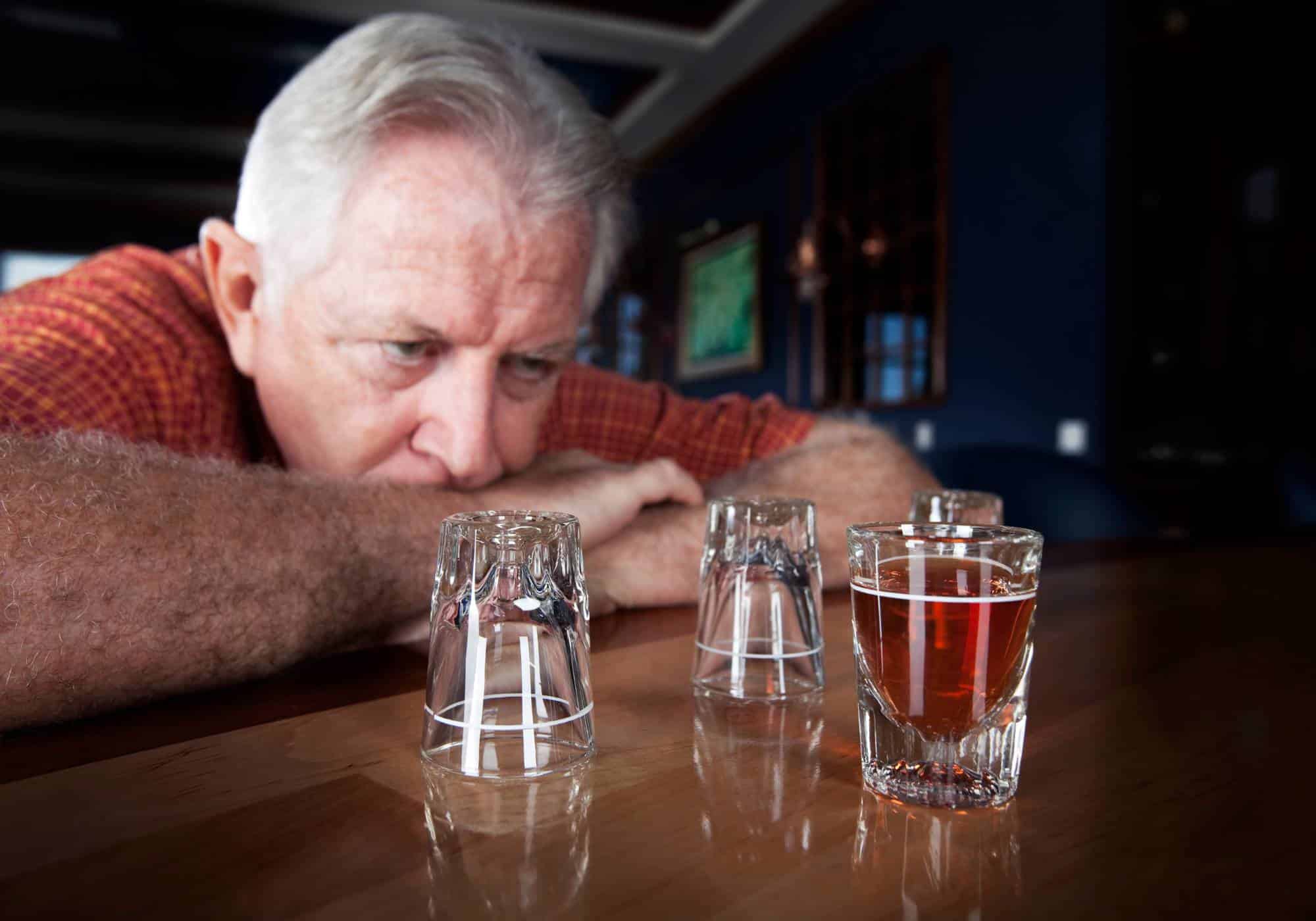
Living with an alcoholic spouse, alcoholic wife, alcoholic husband, or alcoholic partner can often feel like existing in a world turned upside down. An alcohol use disorder is a chronic medical condition, marked by the inability to regulate drinking even in the face of harsh personal, social, or professional consequences. While the individual with the AUD shoulders the primary struggle, the ripple effects extend far beyond them. Family members, especially spouses, often grapple with emotional turmoil, financial strain, and a lingering sense of helplessness.
Understandably, you may struggle with self-blame, believing that somehow you triggered their drinking patterns. You may also feel compelled to control their behavior—by monitoring where they go, how much they drink, or even disposing of their alcohol. Or, in an attempt to keep peace in the household, you might “enable” them by covering up, making excuses, or minimizing the severity of their drinking. None of these responses are unusual. However, none of them will resolve the issue—and some may inadvertently worsen it.
Addressing Common Reactions:
- Self-Blame: It’s crucial to understand that you are not responsible for your spouse’s drinking. Just as you wouldn’t blame yourself if your partner developed cancer or diabetes, you shouldn’t hold yourself accountable for their alcohol misuse. External factors—genetics, environment, stress, mental health—converge to create AUD. While your feelings are valid, remind yourself: Their condition is not your fault.
- Attempts at Control: Trying to control your partner’s drinking habits can be exhausting. Pleading, lecturing, throwing out bottles, or keeping relentless tabs often leads to resentment and frustration on both sides. The reality is you cannot force someone to quit alcohol. Recognizing this can help you step back, refocus on your own emotional health, and create space for them to confront their issues.
- Enabling Behaviors: Making excuses for your spouse’s lateness, calling in sick for them when they are hungover, or downplaying the gravity of their problem may feel like protective measures. In truth, this can shield them from the natural consequences of their addiction, potentially prolonging the cycle. Healthier boundaries might feel uncomfortable at first, but they can be vital stepping stones to meaningful change.
How Does Alcohol Destroy Marriages?
Excessive drinking does not exist in a vacuum. Over time, alcohol misuse erodes the trust, communication, and connection that form the backbone of any marriage. If you’re unsure how to stay married to an alcoholic, understanding the relationship challenges that accompany addiction is a good starting point.
Research shows that substance abuse in a relationship can intensify dissatisfaction and instability. Verbal arguments may escalate into harmful patterns, and in some cases, even physical aggression.
The destructive influence of alcohol can surface in numerous ways:
- Neglect of Responsibilities: When drinking becomes the focal point of someone’s life, everyday tasks—such as caring for children, paying bills, or attending important events—are often pushed aside. Over time, this negligence can create a painful imbalance where you feel more like a caretaker than a partner.
- Chronic Hangovers: Even if your partner isn’t drinking around the clock, frequent binge drinking can lead to countless mornings lost to hangovers. These hours of irritability and fatigue damage the family dynamic, limiting meaningful time together and causing you to shoulder more responsibilities.
- Legal and Financial Problems: Alcohol misuse raises the risk of reckless behavior. Getting a DUI, causing an accident, losing a job due to poor performance—these scenarios create both immediate crises and long-term strains. Financial burdens accumulate, and constant fear of the next incident casts a dark cloud over the home.
- Path to Addiction: A drinking problem that intensifies into full-blown alcohol addiction (AUD) transforms the entire household. Even if your partner doesn’t identify as an alcoholic at first, escalating patterns can evolve into dependency, necessitating professional treatment and making healthy marital functioning seem nearly impossible.
- Unhealthy Home Environment: If children are involved, they may witness erratic behaviors, conflict, and neglect. Studies have shown that growing up with an alcoholic parent increases the risk of substance use disorders and mental health struggles later in life. Your home environment matters not just for you, but for your children’s futures.
Signs of Alcoholism in a Spouse
Recognizing the red flags of an alcohol use disorder early can help you seek support sooner rather than later.
Signs of alcoholism might include:
- Drinking secretly or at inappropriate times (e.g., first thing in the morning)
- Regularly consuming alcohol to excess
- Sharp mood swings, irritability, or defensiveness when questioned about drinking
- Neglecting responsibilities at work or home
- Hiding alcohol or lying about intake
- Persistent hangovers and missed obligations
If you notice these signs, consider professional guidance. Alcoholism is a disease requiring specialized treatment and intervention, and the longer it continues unaddressed, the more it can derail everyone’s lives.
Contact us today 770-573-9546 or fill out our online contact form to learn more about our alcohol and drug addiction treatment program in Atlanta. Hope Harbor Wellness can provide education, strategies, and support on this journey.
My Husband’s Drinking is Ruining Our Marriage
It’s natural to wonder when recreational drinking crosses a line. According to the National Institute on Alcohol Abuse and Alcoholism (NIAAA), “low-risk” drinking for a man involves no more than four drinks in a single day and no more than 14 drinks per week. Exceeding these guidelines regularly may raise a red flag.
If you’re frequently thinking, “My husband’s drinking is ruining our marriage,” it’s time to speak up. You might begin by talking openly about your concerns. Mention changes you’ve noticed: increased absenteeism, missed family events, financial struggles, or shifts in mood. While you cannot force a person to seek help, expressing care and worry can sometimes open the door to acknowledging a problem.
My Wife’s Drinking is Ruining Our Marriage
Likewise, if you find yourself saying, “My wife’s drinking is ruining our marriage,” you’re not alone. Alcohol misuse knows no gender bounds. If she has started drinking more than recommended or is consistently defensive, withdrawn, or volatile when under the influence, it may indicate a deeper issue. A loving, constructive conversation may not solve things immediately, but it can plant the seed for seeking professional help.
My Spouse’s Drinking is Ruining Our Marriage
Regardless of gender, if you’re thinking, “My spouse’s drinking is ruining our marriage,” take that intuition seriously. The emotional toll may become too heavy to carry alone. Addressing the problem now, before patterns deepen, may help prevent further erosion of trust and connection. While these conversations are hard, they are essential steps toward change.

What Can You Do When You’re Married to An Alcoholic?
When you’re married to an alcoholic, you might feel as though you’re constantly in damage-control mode. Start by releasing any assumption of guilt or sole responsibility. You cannot talk, argue, or shame your spouse into quitting.
Instead, focus on what you can control:
- Take Care of Yourself: Invest time in activities you enjoy. Seek out hobbies, exercise, or creative outlets that bring you peace. Consider joining a support group like Al-Anon to share feelings and learn from others facing similar challenges.
- Interventions: Sometimes, bringing close friends and family together for a structured conversation—an intervention—can encourage the person to seek help. Before staging an intervention, research and plan thoroughly. Identify a reputable treatment center, have a strategy for what to say, and be prepared for various outcomes.
- Therapy and Counseling: Speaking with a professional addiction counselor or therapist can help you learn coping strategies, set healthy boundaries, and maintain your own mental health. Professional guidance can also prepare you to handle your spouse’s reactions and resistance in more productive ways.
How to Talk to Your Spouse About Alcohol Use
Approaching your spouse about their drinking can feel intimidating.
Consider these tips:
- Choose the Right Moment: Find a calm, private time when you’re both relaxed. Rehearse what you want to say so you can stay focused and compassionate.
- Stay Positive and Supportive: Highlight the positive aspects of change. Instead of only pointing out the negatives, consider how life could improve if they reduce or stop drinking. Express confidence in their ability to make changes.
- Be Specific: Clearly outline the behaviors that worry you. Instead of general statements, offer concrete examples: “I’m concerned because you missed three of our child’s soccer games this month and came home smelling of alcohol.”
- Suggest a Plan: Offer to help them find support groups, rehabilitation programs, or counseling. Remind them you’re willing to stand by them through the process. Propose activities you can do together that don’t involve alcohol—like going for a bike ride or taking a weekend trip that focuses on wellbeing.
How to Stay Married to an Alcoholic: Steps Toward Healing
Staying married to someone battling alcoholism is a personal choice that requires patience, empathy, and resilience.
Here are strategies to help you navigate this path:
- Educate Yourself: Understand the nature of alcohol use disorders. Knowing that this is a chronic medical condition rather than a moral failing can alter how you view your spouse’s struggle. It can guide you toward more empathetic, informed responses.
- Encourage Treatment: Gently encourage your spouse to seek professional help. Treatment may include detox, therapy, medications, support groups, or rehabilitation programs. Offer to attend family therapy sessions or couples counseling to show that you are in this together.
- Set Boundaries: Healthy boundaries protect you and may motivate your spouse to recognize the severity of their problem. This might mean making it clear you won’t call their workplace to cover for missed shifts or accept hurtful behavior under the influence.
- Seek Support for Yourself: Lean on a support network that understands the unique challenges of loving someone with AUD. Friends, family, support groups, or individual therapy can offer fresh perspectives and coping tools.
- Practice Self-Care: Your emotional and physical health matters. Exercise regularly, eat well, and engage in stress-reducing activities like yoga, meditation, or simply taking a peaceful walk. Focusing on yourself is not selfish—it’s necessary.
What is it Like to Be a Spouse of an Alcoholic Person?
Being married to an alcoholic partner can feel like riding an emotional rollercoaster. You might cycle through hope, disappointment, anger, sadness, and guilt. The daily uncertainty—Will they come home sober? Will tonight end in an argument?—takes a heavy toll. Financial instability can mount, and caregiving responsibilities may leave you feeling drained and isolated.
The strain can affect your physical health as well. Prolonged stress leads to insomnia, headaches, and anxiety. Trust may erode as promises are broken and boundaries ignored. Despite the hardships, many spouses find healing through therapy, support groups, and education. Understanding that you’re not alone can help restore a sense of balance and purpose.
Can Couples Therapy Help If My Spouse’s Drinking is Ruining Our Marriage?
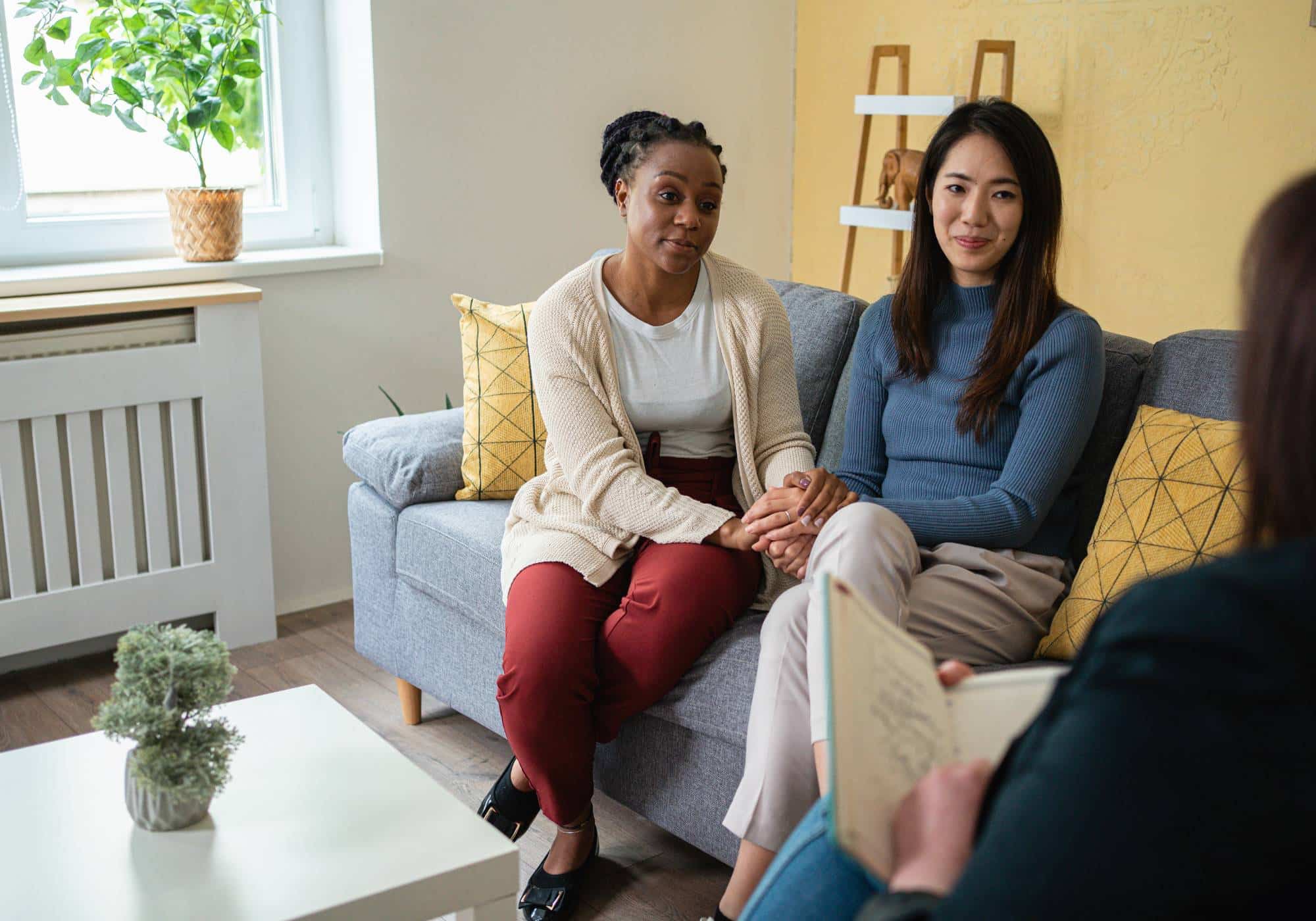
Couples therapy can be an important resource when dealing with a partner’s addiction, especially if you still love each other and share a vision of a healthier relationship. Therapy provides a neutral space to voice concerns, discuss the impact of drinking on the family, and develop strategies that foster recovery and emotional support.
Couples therapy generally aims to:
- End alcohol abuse
- Help the supportive partner encourage recovery
- Develop positive behaviors and coping strategies that sustain long-term sobriety
By replacing the cycle of conflict and alcohol misuse with communication and constructive interaction, couples therapy can guide both of you toward more stable ground.
Can a Relationship Work if One Person Drinks?
Some couples have differing drinking habits without issues—perhaps one partner enjoys the occasional drink and the other does not. However, when unhealthy levels of alcohol enter the picture, the equation changes. Research suggests satisfaction tends to be higher when drinking habits align, but that doesn’t mean a relationship can’t thrive if only one person drinks.
When problematic drinking arises, early intervention, honest communication, and possibly professional help become critical. Many couples overcome alcohol-related challenges by establishing supportive environments and seeking external help to address both relationship struggles and the addiction itself.
Helping Your Spouse on Their Road to Recovery
You cannot force your partner to sober up, but you can be an ally in their journey.
Consider the following:
- Encouraging Professional Help: Offer guidance in researching treatment programs or support groups.
- Being Supportive but Firm: Express empathy without enabling harmful behaviors.
- Attending Therapy Together: Show willingness to participate in counseling sessions, reinforcing your commitment to the relationship and their health.
- Providing a Safe Environment: Remove triggers where possible and suggest sober activities to enjoy together.
Remember that recovery takes time and patience. Celebrate small victories and recognize that setbacks are part of the journey.
How to Cope With an Alcoholic Spouse
Coping strategies come in many forms:
- Peer Support: Groups like Al-Anon can connect you with others facing the same challenges. Hearing their stories and learning their coping techniques can alleviate the feeling of isolation.
- Self-Care: Regular exercise, balanced meals, meditation, hobbies, and creative pursuits are non-negotiable components of maintaining mental stability.
- Family and Friends: Enlist trusted loved ones who can help—ask them to watch the kids so you can take a break, or simply lend an ear when you need to vent.
- Professional Help for Yourself: Even if your spouse isn’t ready for treatment, therapy can provide you with tools to manage stress, set boundaries, and preserve your well-being.
- Education: Understanding the science behind AUDs, available treatments, and the recovery process can reduce confusion and fear. Knowledge brings clarity and can empower you to make informed decisions.
Resources for Dealing With an Alcoholic Spouse
Facing an alcoholic spouse is daunting, but multiple resources can guide you:
- Al-Anon: Offers support groups for families affected by alcohol misuse.
- SAMHSA’s National Helpline (1-800-662-HELP): A free, confidential 24/7 hotline providing referrals to local treatment facilities, support groups, and community-based organizations.
- National Institute on Alcohol Abuse and Alcoholism (NIAAA): NIAAA provides resources and information about AUD, treatment options, and support for families.
- Hope Harbor Wellness: Contact our team 770-573-9546 or fill out our online contact form for professional assistance in developing personalized treatment strategies for your spouse.
- Rehabilitation Centers: Many rehab facilities offer medical detox, inpatient and outpatient programs, counseling, and aftercare services.
- Therapy and Counseling Services: Licensed therapists can help you navigate emotions, set healthy boundaries, and improve communication.
Treatment for Alcohol Addiction
Alcohol use disorder is a chronic disease, but effective treatments exist.
Alcohol treatment options vary widely, including:
- Medical Detox: The first step often involves stabilizing individuals as they safely withdraw from alcohol under medical supervision.
- Inpatient and Residential Rehab: Intensive programs where individuals live on-site and engage in therapy, counseling, and group support.
- Outpatient Programs: More flexible structures that allow participants to continue working or meeting family obligations while receiving therapy and support.
- Medications and Therapeutic Interventions: Certain FDA-approved medications can reduce cravings. Individual therapy, family therapy, and couples therapy can address underlying issues and build healthier relationship dynamics.
When your spouse decides to seek help, knowing what’s available equips you to support them more effectively. Recovery is not a straight line; it involves setbacks, reassessments, and continuous effort. Yet, with the proper treatment and a supportive environment, many individuals reclaim their lives from alcohol.
Alcohol Addiction Treatment in Atlanta, GA
Struggling with how to stay married to an alcoholic can feel like navigating an endless tunnel. But with empathy, education, resources, and a commitment to self-care, you can foster an environment that encourages healing. A marriage impacted by alcohol doesn’t have to end in despair. By reaching out to professionals, utilizing support groups, and setting personal boundaries, you create a foundation that supports your spouse’s potential recovery and protects your own emotional health.
Hope Harbor Wellness is here to assist you in understanding your options and charting a path forward, contact us today 770-573-9546 or fill out our online contact form. While the journey is challenging, it’s not one you have to walk alone. With time, patience, and the right help, you and your partner may find a healthier, more balanced future.