
If you or someone you care about is struggling with substance use or mental health disorders, it can feel overwhelming to figure out where to turn. The drug Rohypnol often flies under the radar, yet it poses serious risks for those who use it. When someone develops a pattern of rohypnol addiction—whether for recreational highs, to enhance the effects of other substances, or to facilitate harmful acts like sexual assault—it can lead to long-lasting and destructive consequences. Fortunately, understanding what Rohypnol is, how it affects the body, why it’s addictive, and how to seek help can illuminate the path to a safer, healthier future. At Hope Harbor Wellness, we’re here to guide you toward resources, treatment options, and support networks that can make a meaningful difference in your life.
What Is Rohypnol?
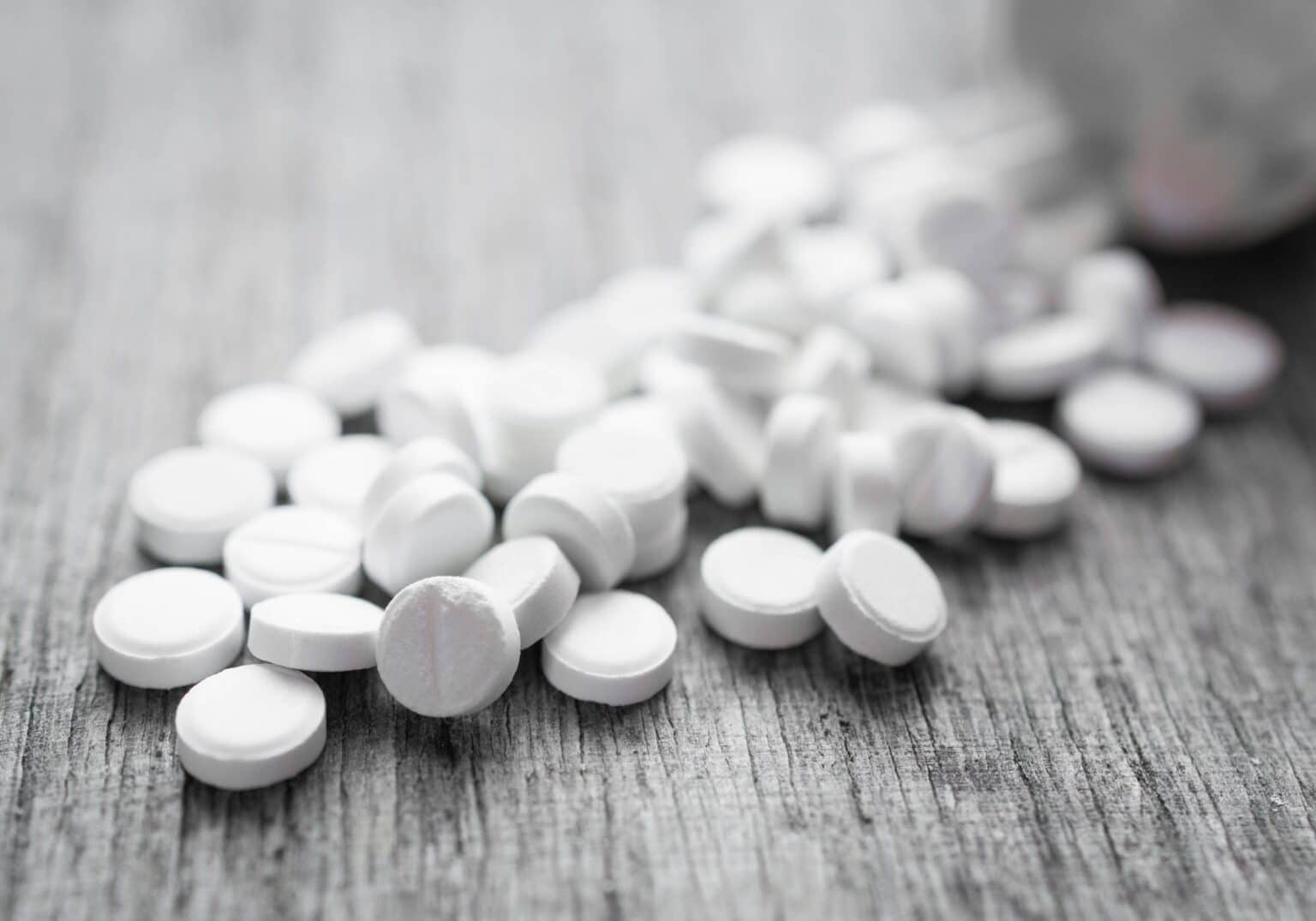
Rohypnol, often referred to as “Roofies,” is a benzodiazepine first developed in 1975 by the pharmaceutical company Hoffman-La Roche. Initially, it was intended as a treatment for severe sleep disorders and used as an anesthetic agent during surgeries. Because Rohypnol is odorless, tasteless, and colorless, especially when dissolved in liquids, it quickly became notorious for its illicit use as a date-rape drug.
Today, Rohypnol is illegal in the United States. Although it’s classified alongside other Schedule IV benzodiazepines, the penalties associated with possessing even a small amount—like one gram—are closer to those imposed for Schedule I drugs such as heroin or LSD. While most people recognize it by the name “Roofies,” Rohypnol appears under a variety of street names.
Street Names for Rohypnol
Rohypnol is known by many street names.
It may be referred to as:
- Circles
- Forget Pill
- La Rocha
- Lunch Money Drug
- Ropies
- Roofies
These terms often show up in casual conversation among users and dealers, making it easier to conceal what’s really being discussed. Regardless of the name, the risk and potential for harm remain high.
What Is Rohypnol Addiction?
Rohypnol addiction refers to the physical and psychological dependence that can develop after regular use of Rohypnol (flunitrazepam). This drug is a benzodiazepine—similar to medications like Valium—that works as a powerful depressant on the central nervous system. People may start using Rohypnol for its sedative properties, sometimes seeking deep, uninterrupted sleep. Others might take it recreationally to experience a sense of euphoria, relaxation, and lowered inhibitions.
However, what begins as occasional use can spiral into Rohypnol addiction. Like other benzodiazepines, it can alter the brain’s chemistry, making it harder and harder to function without the drug. Stopping use abruptly can lead to intense withdrawal symptoms, including seizures. For these reasons, professional treatment is often needed to quit safely and sustainably.
Rohypnol Abuse and Brain Changes
Like all benzodiazepines, Rohypnol can trigger changes in the brain that encourage continued use. Over time, you may find that you need higher doses to feel the same effects you once got from a smaller amount. Quitting “cold turkey” without medical guidance can be dangerous because the body becomes physically dependent on the drug. Seizures and other severe withdrawal symptoms can emerge if you suddenly stop taking it. This cycle of craving, using, and avoiding withdrawal contributes to the development of rohypnol abuse patterns and, ultimately, addiction.
Treatment programs, including medically monitored detox and therapy, can help break this cycle. With professional support, it’s possible to stop using Rohypnol safely, manage withdrawal symptoms, and begin the process of recovery with a stable foundation.
How Rohypnol Works in the Body
Rohypnol is a muscle relaxant and a sedative. In medical settings outside the U.S., doctors sometimes prescribe it for people struggling with severe insomnia. When taken as directed, it can produce deep, restful sleep that lasts through the night. However, these sedative properties make Rohypnol attractive to those who want to use it for other reasons. At high doses, it can cause euphoria, reduced inhibitions, and a numbing sense of calm. Some people even combine it with stimulants like cocaine for a “balanced” high that allows them to stay awake while feeling sedated and relaxed.
Because Rohypnol is so potent, it also has a dangerous side. People have used it as a date-rape drug due to its ability to incapacitate victims, erase memory of events, and make individuals vulnerable to assault.
Rohypnol: The So-Called “Date Rape Drug”
Rohypnol’s ability to quickly render someone unconscious or at least severely impaired has earned it a notorious reputation as a date-rape drug. It’s often referred to as “roofies.” When slipped into someone’s drink undetected, it can cause them to lose awareness and control. In these situations, individuals may not remember what happened to them during the period of incapacitation.
Manufacturers have tried to curb these abuses by altering the pills so they leave a noticeable dye in drinks. The newer green tablets turn blue when dissolved in liquid, making it more obvious if a beverage has been tampered with. But older, white tablets remain on the illicit market, posing ongoing risks.
What Is a Rohypnol Roofie?
A “rohypnol roofie” is simply a slang term for the Rohypnol tablet itself, known commonly as a roofie. This nickname emerged due to the drug’s association with drug-facilitated sexual assaults. The act of “roofing” someone means slipping the drug into their drink, rendering them unconscious or highly sedated. Because individuals may have no memory of events that occur while under the influence, perpetrators use rohypnol roofies to commit crimes without leaving the victim able to testify accurately about what happened.
Rohypnol’s Legal Status
Rohypnol is legally manufactured and sold in about 60 countries around the world, primarily for short-term treatment of insomnia. However, it is not legally produced or approved for medical use in the United States. U.S. law treats Rohypnol possession, distribution, and trafficking with severity. While the drug is classified as a Schedule IV controlled substance internationally, its penalties in the U.S. match those for Schedule I drugs. That means simple possession can lead to serious legal consequences.
Teens and young adults are often the primary users in illicit scenarios, including on college campuses and at raves or clubs. Many users are male, and many combine it with other drugs to enhance or moderate their highs.
Is Rohypnol Addictive?
Yes, Rohypnol can be addictive. Like other benzodiazepines, it directly influences brain chemicals that regulate mood and pleasure. Over time, your brain becomes accustomed to having the drug present, and it requires more of it to achieve the same calming or euphoric effects. If you stop taking it suddenly, your body reacts with withdrawal symptoms—some of which can be severe and even life-threatening.
This cycle of tolerance, dependence, and withdrawal is a hallmark of Rohypnol addiction. Recognizing it early and seeking professional help is crucial.
How Is Rohypnol Used?
Rohypnol is typically taken as a pill, but there are several ways individuals might use it:
- Swallowed with water or dissolved under the tongue.
- Crushed and snorted as a powder.
- Smoked, often sprinkled on marijuana.
- Dissolved and injected intravenously.
Doses vary, but pills commonly come in 0.5, 1, or 2 milligrams. Users may escalate their dose over time to achieve the same effects. Mixing Rohypnol with alcohol or other drugs like cocaine, LSD, or ecstasy is also common, as some users believe it can enhance or smooth out the “come-down” from other substances.
How Long Does Rohypnol Stay in the Body?
Rohypnol’s effects can begin as soon as 15-20 minutes after ingestion. The sedation can last for 12 hours or more. The drug can be detectable in blood and urine tests for several days after use, though detection windows vary depending on the amount taken, frequency of use, metabolism, and type of drug test. Hair tests may detect traces for even longer.
If you believe you’ve been drugged or suspect someone else has, seeking medical help as soon as possible can be critical for accurate testing and proper care.
Side Effects of Rohypnol Abuse
Rohypnol abuse can cause a wide range of dangerous side effects. Shortly after ingestion, users might feel drowsiness, dizziness, or disorientation. Because it’s a potent sedative, the drug can lead to deep sedation that lasts 12 hours or longer. Peak effects occur within about 45 minutes to 2 hours, and during this time, people often lose consciousness or their ability to control their actions.
Common side effects of Rohypnol abuse include:
- Drowsiness
- Deep sedation
- Unconsciousness
- Impaired motor skills and coordination
- Slurred speech
- Confusion
- Memory loss (often called “anterograde amnesia”)
- Aggression in some individuals
- Stomach disturbances
- Slowed breathing
- Low heart rate and blood pressure
- Blackouts lasting up to 24 hours
In some cases, these effects can spiral into overdose, coma, and even death—especially when combined with other depressants like alcohol or opioids.
What Body Parts Are Affected by Rohypnol?
Rohypnol primarily affects the brain and central nervous system. By slowing down these systems, it causes sedation and decreased anxiety. But its impact doesn’t stop there. It also slows down breathing and heart rate, affecting the respiratory and cardiovascular systems. In addition, muscle relaxation affects the musculoskeletal system. Gastrointestinal disturbances can arise as well. Essentially, Rohypnol’s depressant effect can ripple throughout multiple body systems, making it a risk not just to mental functioning but to overall physical health.
Symptoms of Rohypnol Addiction
Rohypnol addiction can be subtle at first, but over time, certain signs may emerge. Symptoms tend to fall into three categories: physical, behavioral, and psychological.
Physical symptoms may include:
- Muscle relaxation and weakness
- Unconsciousness or frequent “nodding off”
- Lowered heart rate and breathing
Behavioral symptoms may include:
- Poor decision-making abilities
- Blackouts lasting up to 24 hours
- Excitability or irritability
Psychological symptoms may include:
- Confusion and memory loss
- Lack of inhibition and lowered self-control
If you notice these signs in yourself or someone you care about, seeking professional help is an important step.
Rohypnol & Sexual Abuse
One of Rohypnol’s most disturbing uses is in drug-facilitated sexual assaults. Because it impairs judgment, motor control, and memory, victims often cannot resist or recall what happened. This makes it a favored tool of predators who slip the pill into a victim’s drink—sometimes at parties, bars, or even in domestic settings.
While modern tablets have dyes that can change a drink’s color, this safeguard isn’t foolproof. Many beverages are already colored, and the pill’s tint might go unnoticed. Testing kits and date-rape drug detection tools have been developed, but not everyone has access to them. If you suspect you’ve been drugged, seeking medical attention and informing a trusted friend as soon as possible can be lifesaving.

Rohypnol Withdrawal
If someone takes Rohypnol repeatedly, their body adapts to its presence. Stopping use suddenly can trigger intense withdrawal symptoms.
Rohypnol withdrawal symptoms may include:
- Headaches
- Muscle pain
- Hallucinations
- Convulsions or seizures
- Confusion
- Tingling or numbness in the extremities
- Loss of identity or deep disorientation
- Shock-like sensations
Rohypnol withdrawal can be dangerous, and seizures can occur up to a week after the last dose. This is why professional detox support is so crucial. Under medical supervision, individuals can taper off the drug safely, manage withdrawal symptoms, and prevent relapse driven by the urge to avoid discomfort.
Rohypnol Overdose
Taking too much Rohypnol or combining it with other central nervous system depressants—like alcohol, opioids, or other benzodiazepines—raises the risk of overdose.
Rohypnol overdose symptoms can include:
- Slurred speech
- Severe respiratory depression
- Passing out or loss of consciousness
- Disorientation and hallucinations
- Intense abdominal pain
- Risk of seizures, coma, or death
If you suspect an overdose—either in yourself or someone else—call emergency services immediately. Prompt medical attention can make the difference between life and death.
Treatment for Rohypnol Addiction
If you or a loved one is dealing with Rohypnol addiction—or any substance use disorder—professional help is available. Recovery often starts with a thorough evaluation, followed by a personalized treatment plan.
Treatment options may include:
- Medically supervised detox to handle withdrawal safely.
- Inpatient or outpatient rehab programs.
- Individual therapy to address underlying mental health issues or trauma.
- Group support sessions to connect with others facing similar challenges.
- Aftercare planning to prevent relapse and maintain long-term health.
Reaching out to us 770-573-9546 or fill out our online contact form at the first sign of a problem can help prevent deeper issues from forming. Even if you’re unsure whether there’s a full-blown addiction, talking to a treatment professional can clarify your options.
Rohypnol Addiction Treatment in Atlanta, GA
Rohypnol addiction can feel frightening and isolating, especially if there are other mental health or substance abuse challenges involved. Yet recovery is possible. With the right support, you can regain control, restore your health, and rebuild your life. If you suspect Rohypnol use or abuse in yourself or a loved one, please consider reaching out for professional guidance. The path might not be easy, but you don’t have to walk it alone.
At Hope Harbor Wellness, we understand the complexity of Rohypnol addiction and rohypnol abuse. Our team is dedicated to helping individuals and families navigate the often-challenging journey toward sobriety and mental wellness. We offer confidential resources, from initial assessments to outpatient or inpatient treatment options, depending on your needs.
You don’t have to figure this out alone. Whether you know that you or a loved one is struggling, or you’re just concerned and want to ask questions, we can point you toward meaningful solutions. Addressing the issue now can prevent future harm and help you or your loved one build a healthier, safer life. Contact us today at 770-573-9546 or fill out our online contact form to begin your Rohypnol Addiction Treatment in Atlanta, GA today.