

If you find yourself asking, “how long does K2 stay in your system,” you are already taking a crucial first step: getting informed. Substances sold as Spice or K2 are not harmless stand-ins for cannabis. They are lab-made chemicals that change often, hit hard, and carry serious medical risks. This guide will explain the challenges of detection, the science behind how they affect your body, and what factors influence how long K2 stays in your system. It will also provide essential information on where to turn for help if use has become difficult to control.
Hope Harbor Wellness provides confidential, evidence-based care through outpatient drug rehab in Atlanta, GA. We offer addiction treatment with coordinated drug and alcohol detox support when appropriate. If Spice or K2 is part of your life and you want a way out, we will help you move forward safely.
Critical Safety Warning About Spice/K2 Use
Synthetic cannabinoids sold as Spice or K2 are extremely unpredictable. The potency varies dramatically from batch to batch, and products may contain toxic solvents, pesticides, heavy metals, or entirely different chemicals than the label suggests. Even one instance of use can trigger a medical emergency.
Call 911 or seek emergency care immediately for:
- Seizures, convulsions, or unresponsiveness
- Severe agitation, confusion, psychosis, or violent behavior
- A racing heartbeat (especially sustained above 120 bpm), chest pain, or trouble breathing
- Profuse vomiting, severe nausea, or sharp flank/kidney pain
- Thoughts of self-harm, suicidal ideation, or extreme paranoia
There is no safe dose. K2 drug can be fatal on the very first use due to unknown strength and dangerous adulterants. If you are with someone who may be overdosing, stay with them, give first aid as directed by emergency services, and tell responders what was taken if you know.
Understanding Spice/K2 Detection Challenges
Spice and K2 are not single drugs. They are brand names for hundreds of synthetic cannabinoid chemicals that were designed to mimic THC, but they are fundamentally different. This is the core reason why detection is so challenging and why the question, “how long does spice stay in your system” has such a complicated answer.
Why detection is so hard:
- Constantly changing formulas: The makers of these substances frequently alter their chemical structure to bypass laws and evade standard drug tests. What was in a packet last month may be entirely different today.
- Not caught by routine screens: Most workplace or court-ordered drug tests look for THC metabolites. These tests are not designed to detect synthetic cannabinoids.
- Huge chemical variety: These drugs belong to many chemical families (JWH, CP, HU, AM, and more), with dozens of variants in each. Every single variant has its own unique metabolism and detection profile.
- Individual differences: How long does K2 stay in system depends on the exact compound used, how much and how often you used it, your personal metabolism, body composition, liver and kidney function, and the specific test’s sensitivity.
The takeaway is that standard marijuana testing can completely miss Spice or K2. This doesn’t make using them safe; it only makes detection unpredictable.
The Science of Synthetic Cannabinoids
Chemical Structure and Variants
Synthetic cannabinoids attach to the same CB1 and CB2 receptors in the brain as THC, but the way they bind is often more intense and complete.
- Full vs. partial agonists: THC is a partial agonist at the CB1 receptor, meaning it only activates it to a certain degree. Many Spice/K2 compounds are full agonists, which create a much stronger and riskier effect.
- Families and examples: The market is flooded with various families of these chemicals. Early versions included JWH compounds (like JWH-018), while newer generations include AM, CP, and HU families, with new analogs constantly emerging to evade detection.
- Small changes, big impact: A tiny change to the chemical structure can massively alter the drug’s potency, its toxicity, and how long the compound or its metabolites linger in the body.
Because makers keep modifying these structures, the illicit market continuously outpaces laws and lab tests. This is why phrases like how long does Spice stay in your system rarely have a simple, one-size-fits-all answer.
Metabolism and Elimination
Once in your body, synthetic cannabinoids are primarily processed by liver enzymes.
- Metabolites matter: Drug labs often look for metabolites—the breakdown products of the parent drug—not just the drug itself. Each synthetic compound creates its own unique set of metabolites.
- Routes out: Most of these metabolites are excreted from the body through urine and feces. Some compounds are lipophilic, meaning they are stored in fat tissue, which can potentially extend their presence and detection time after heavy use.
- Half-lives vary: The half-life of these compounds—the time it takes for half of the substance to be eliminated—can vary greatly. Some clear in hours, while others can take days. Repeated use can lead to accumulation in the body, which can make detection windows longer and symptoms more persistent.
The bottom line is that two people can use what they believe is the same Spice product and show very different detection timelines due to the different compounds, dosages, and their personal physiology.
Detection Methods and Limitations
Standard Drug Testing Limitations
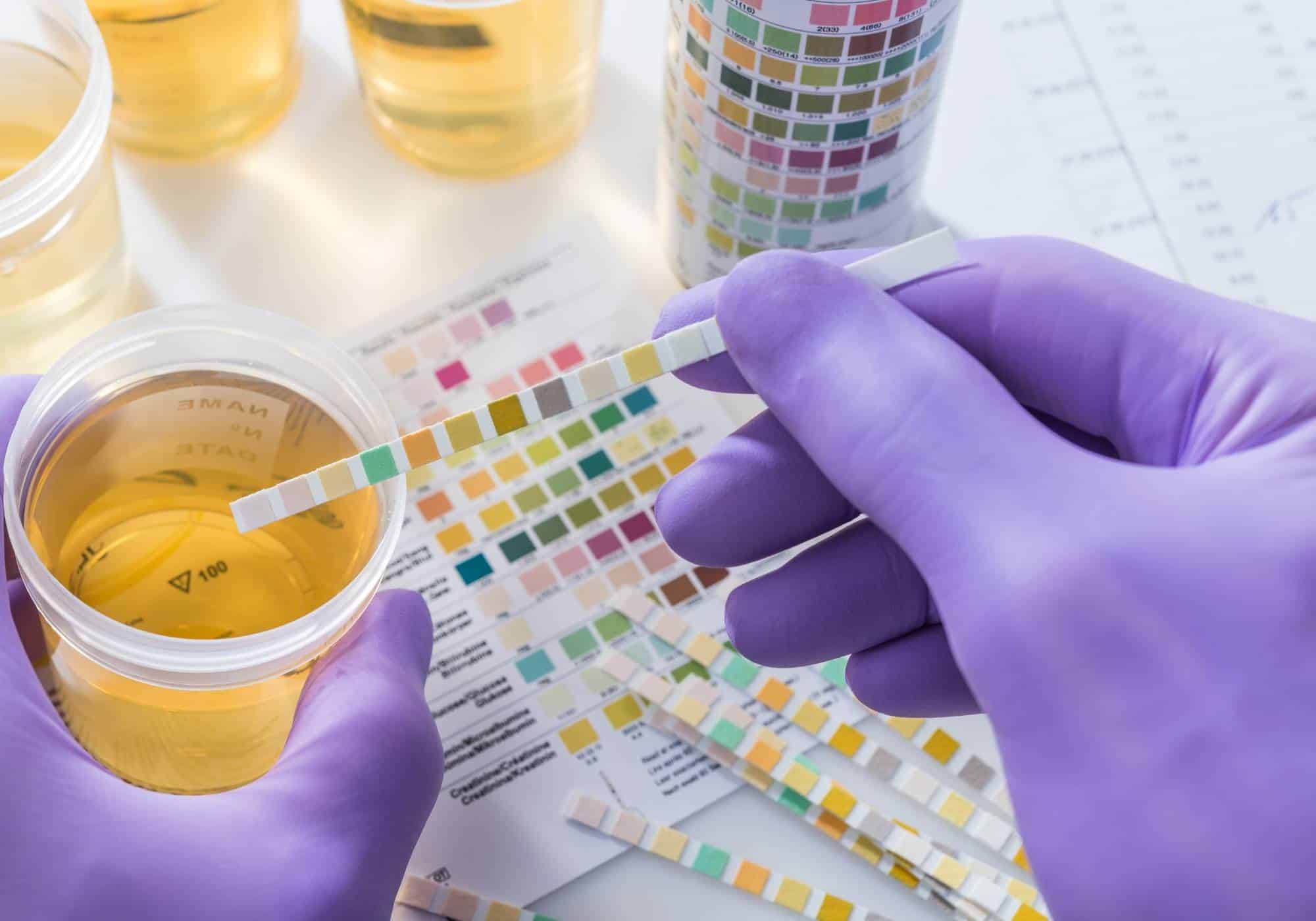
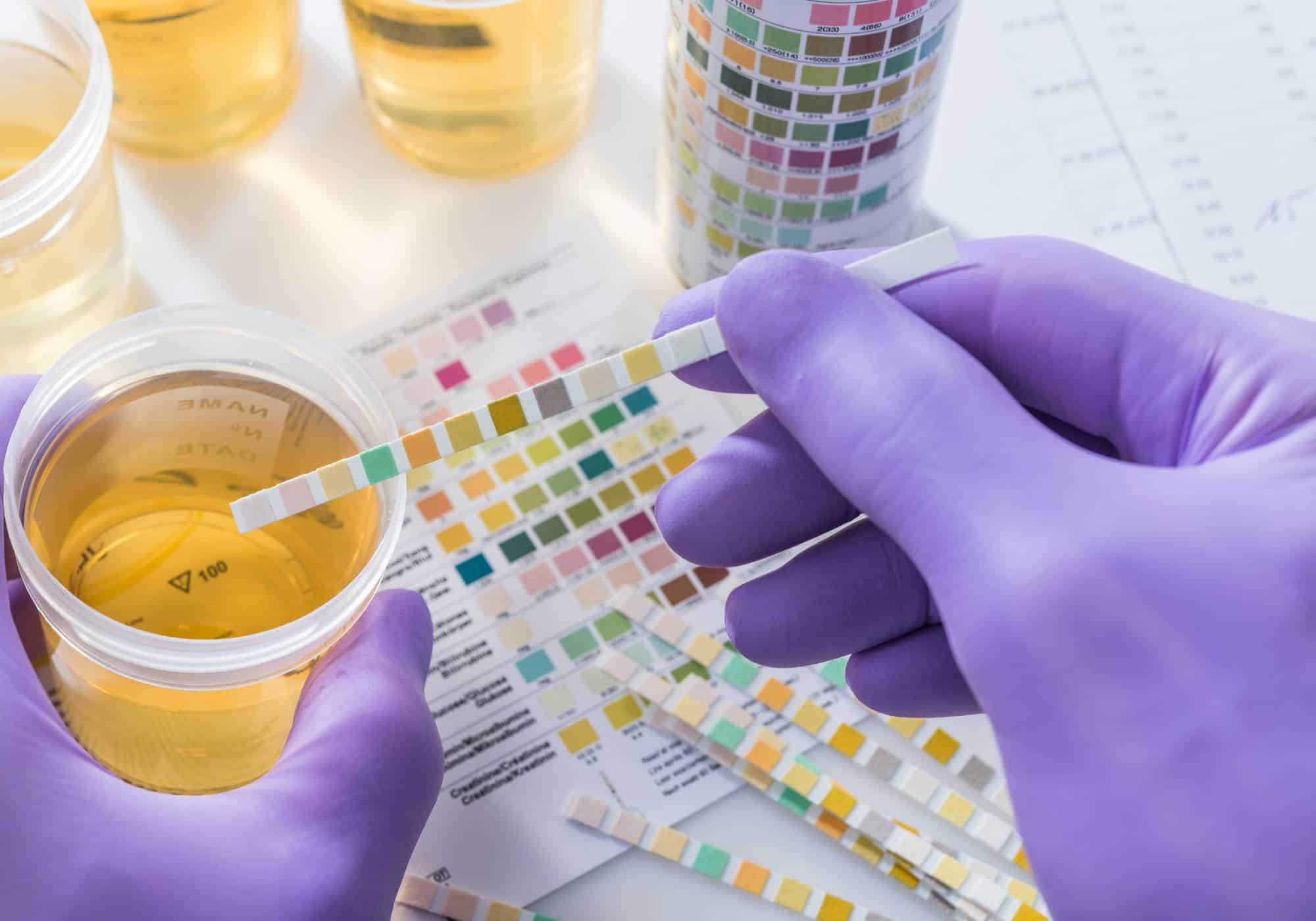
Most routine drug screens—such as the urine immunoassays used by employers and many legal settings—focus on common drug panels for THC, opioids, cocaine, amphetamines, PCP, and benzodiazepines. These tests do not reliably detect synthetic cannabinoids.
- THC-focused: A marijuana test is designed to find THC’s metabolite. It will not pick up most Spice or K2 variants.
- Low cross-reactivity: Synthetic cannabinoids are chemically distinct from THC, and they do not typically cause a false positive for THC.
- False security: Passing a standard screen does not mean a person is free of synthetic cannabinoids. It only means that the specific test they were given did not target them.
If you are wondering, “does K2 show up on drug test,” the honest answer is no, not on most routine tests, unless a specialized panel is specifically used.
Specialized Synthetic Cannabinoid Testing
Specialized labs can detect many synthetic cannabinoids with the right tools.
- Mass spectrometry: These are confirmatory techniques that can identify targeted compounds and metabolites with high accuracy.
- Multi-panel assays: Some labs offer panels that cover multiple synthetic cannabinoid families at once, increasing the chance of detection.
- Metabolite-focused: Tests that look for unique metabolites may detect use for a longer period than tests that only look for the parent drug.
- Always playing catch-up: New variants can evade existing tests until testing standards are updated. This is why a negative specialized test does not necessarily mean “nothing was there”—it may simply mean the test did not include that newer compound.
If a court, employer, or clinic orders a drug test for K2, it usually means they are requesting specialized testing that goes beyond a standard screen.
Detection Windows by Compound Type
This is where many people get to the core of the issue: how long does K2 stay in your system? The honest answer is “it depends.” Detection windows vary by the exact synthetic used, the dose, frequency of use, individual metabolism, and test sensitivity.
Still, general patterns can help set expectations:
- Earlier JWH compounds: These are less common today but may still be present in some products. They are often detectable in urine for approximately 1-3 days after single, light use.
- Newer-generation synthetics: These compounds are frequently detectable for 2-5 days after single, light use, and sometimes even longer for certain analogs.
- Chronic or heavy use: As with other substances, repeated use can extend detection windows due to accumulation in the body. This could mean a week or more for some people and some compounds.
- Blood and saliva: These typically have shorter windows than urine, often hours to a couple of days, depending on the timing and test type.
- Hair testing: This method may detect a historical pattern of use over weeks or even months, but its availability and reliability for specific synthetic cannabinoids can vary.
To put it in context: how long will K2 stay in your system is dependent on many factors. For a person asking, “how long does K2 spice stay in your system,” it is safest to assume multiple days at a minimum, with chronic use potentially extending the window. How long do spice stay in your system is variable, and the safest plan is to always assume longer rather than shorter.
Factors Affecting Detection Time
Individual Physiological Factors
- Metabolism speed: Genetic differences in liver enzymes can change how quickly your body processes these chemicals.
- Body composition: Some synthetics can be stored in fat tissue; a person with a higher body fat percentage may see a modestly extended detection window.
- Age: Metabolism can slow down with age, which might lengthen the detection window.
- Organ health: Liver or kidney disease can significantly delay the clearance of these compounds from the body.
- Hydration and diet: These factors affect urine concentration, which can change test results but do not dramatically alter the rate of elimination.
Usage Pattern Impacts
- Frequency: A single use is typically detectable for a shorter period, while daily or near-daily use can extend the window substantially.
- Dose: While impossible to control with K2/Spice, higher doses generally linger longer.
- Product variability: The compound in one packet can be entirely different in the next, which can change detection windows from one week to the next.
- Mixing substances: Combining K2 with alcohol, benzodiazepines, or other drugs can alter metabolism and complicate the elimination process.
If you must test and are trying to figure out how long k2 stay in your system, these are all the factors that make an exact prediction impossible.
Health Risks and Medical Complications
Acute Health Dangers
The effects of Spice/K2 can flip from “fine” to “crisis” in a matter of minutes, even for people who have used the drug before.
- Seizures: It can cause seizures in people with no prior history of them and, in severe cases, a prolonged seizure known as status epilepticus.
- Cardiovascular emergencies: Heart attacks, strokes, and dangerous arrhythmias can occur even in younger people.
- Severe psychosis: This can include paranoia, hallucinations, and violent behavior.
- Other risks: These include hyperthermia, dehydration, and rhabdomyolysis, a condition where muscle tissue breaks down.
Because the potency is unknown, two hits from the same packet can produce wildly different outcomes.
Chronic Health Effects
- Addiction and withdrawal: Continued use can lead to tolerance, intense cravings, irritability, insomnia, anxiety, and a depressed mood.
- Kidney injury: Acute kidney failure has been reported with certain variants of these drugs.
- Cognitive issues: Long-term use can lead to ongoing memory and concentration problems.
- Mental health deterioration: Users are at a higher risk of developing persistent depression, anxiety, and psychotic symptoms.
Contamination and Adulterant Risks
- Toxic chemicals: Many of these substances are made in crude, unregulated labs, which means they can be contaminated with solvents, heavy metals, or pesticides.
- Unknown additives: Some products may contain other dangerous substances, including stimulants, sedatives, or opioids like fentanyl.
- Batch inconsistency: The “same brand” does not guarantee the same contents. The risk level changes with every single purchase.
The health cost can be swift and severe. If use has escalated or you have had a scary reaction, getting help now is the safest choice you can make.
The Psychological Side of K2/Spice Use
Beyond the physical health risks, the psychological toll of using K2 Spice is immense. Many people turn to these drugs seeking an escape from underlying mental health issues like anxiety or depression. However, the use of synthetic cannabinoids often makes these problems much worse. The unpredictable nature of the drug can trigger panic attacks and a heightened sense of paranoia, which can persist long after the drug’s effects have worn off.
This can create a dangerous cycle: a person feels distressed by their anxiety or depression, uses K2 to self-medicate, but the drug only intensifies those feelings, leading to more use. This is a classic example of a dual diagnosis, where a person is struggling with both a mental health condition and a substance use disorder. A comprehensive drug rehab in Atlanta can help address these interconnected issues.
More About Drug Tests and Detection
Understanding how long K2 stays in your system is only one piece of the picture. If you’d like a deeper breakdown of how urine, blood, saliva, and hair tests actually work, you can read our guide on how drug tests work. For a broader overview of different substances and timelines, visit how long drugs stay in your system.
What to Expect in Treatment for Synthetic Cannabinoid Use
Seeking treatment is the most important step you can take. At Hope Harbor Wellness, we offer a safe and supportive environment for recovery.
- Medical Detox: The first step is often a medically supervised detox. While K2 doesn’t have the same physical withdrawal as some other drugs, a medical team can help manage any discomfort and ensure your safety as your body clears the substance.
- Individualized Therapy: Our programs include one-on-one counseling with a licensed therapist. This is where you can explore the root causes of your substance use and develop a personalized plan for recovery.
- Group Counseling: Participating in group sessions allows you to connect with others who are facing similar challenges. This peer support can be incredibly empowering and helps reduce feelings of isolation.
- Life Skills and Relapse Prevention: We focus on teaching you the skills you need to manage triggers and cravings in the real world. This includes stress management techniques and healthy coping mechanisms.
Our goal is to help you not just stop using, but to build a stable and fulfilling life in recovery.
The Importance of Professional Guidance
Trying to stop using on your own can be risky. The unpredictable nature of these drugs means that withdrawal symptoms can be intense and varied. A professional team can provide the medical supervision necessary to ensure a safe detox. Furthermore, a treatment program provides the psychological support that is vital for long-term sobriety. You will work with therapists who understand the complex relationship between mental health and substance abuse, helping you address the underlying issues that led to your use in the first place.
You do not have to keep rolling the dice on what’s in the next packet—or how your body will react. If you are ready for a steadier path, Hope Harbor Wellness is here. We provide confidential outpatient drug rehab in Atlanta, GA, with evidence-based addiction treatment and access to drug and alcohol detox support when needed. Call us at 770-573-9546 or fill out our online contact form today to talk with an admissions specialist and take your first step toward safety and recovery.
How Long Does K2 Stay in Your System Frequently Asked Questions
How long does K2 stay in your system?
For light, single use, many synthetic cannabinoids are detectable in urine for about 1 to 5 days. With frequent or heavy use, detection can extend a week or more. The exact timing depends on the specific compound, test sensitivity, and your metabolism.
Does K2 show up on a drug test?
Not on most standard workplace panels that look for THC. Detecting Spice/K2 usually requires a specialized synthetic cannabinoid test. Some employers and courts are now using these panels.
How long does Spice stay in your system compared to THC?
Spice/K2 compounds vary widely. Some clear faster than THC, but others linger. Unlike THC, there is no single metabolite that all labs target. The safest plan is to assume several days after light use and longer with regular use.
What kind of drug test for K2 is most accurate?
Laboratory tests using mass spectrometry (LC-MS/MS or GC-MS) are the most accurate for targeted compounds and their metabolites. These are different from the basic point-of-care strips.
Can hydration or exercise “flush” Spice/K2 faster?
Hydration affects urine concentration, but it will not dramatically change elimination. Excessive water intake can be dangerous and may invalidate tests. The only reliable way to shorten the detection window is through time and abstinence.
Why do people react so differently to Spice/K2?
Different batches of K2 contain different chemicals with different potencies. Individual factors like metabolism, other medications, health conditions, and mixing substances also change the effects and risks.
I want to stop but I’m worried about withdrawal and testing. What should I do?
Reach out for professional support. At Hope Harbor Wellness in Atlanta, GA, we offer outpatient treatment tailored to your needs and can coordinate medical detox when appropriate for a safer start. We will help you manage symptoms, plan for testing, and build the tools you need to stay on track.