At Hope Harbor Wellness in Atlanta, GA, we meet many people searching for relief from pain, trauma, or persistent depression and anxiety. Some consider psychedelic experiences they’ve seen on social media or heard about from friends—especially ayahuasca. Curiosity is understandable. So is wanting a full, balanced picture before you make a health decision.
This in-depth guide explains what ayahuasca is, how it’s prepared, and what people report during the experience. You’ll learn about side effects, medical and legal risks, interactions with common medications, and who should avoid the brew. We’ll also discuss how it compares to DMT and outline evidence-based alternatives that support healing without unnecessary risk.
As an outpatient drug rehab in Atlanta where we offer mental health services, addiction treatment, and drug detox, our mission is to help you make informed, safe choices. If you have questions after reading, reach out. We’re here to help.
Ayahuasca Pronunciation
Ayahuasca is pronounced “ah-yuh-WAAH-skuh.”
The word comes from the Quechua language, spoken by Indigenous communities across the Andean region. Translations vary—“vine of the ancestors,” “vine of souls,” or simply “spirit vine.” The name reflects the ceremonial roots of the brew and its role in traditional healing, divination, and community rituals.
Why does pronunciation matter? Because it reminds us that ayahuasca isn’t a fad or a novelty. It’s part of a living culture with long-standing practices, taboos, and safety rules. When the brew is removed from that context or commercialized for tourism, important safeguards can be lost.
What Is Ayahuasca?
Ayahuasca is a psychoactive tea brewed from two main botanical sources native to the Amazon basin:
- Banisteriopsis caapi (a woody vine rich in harmala alkaloids that act as monoamine oxidase inhibitors, or MAOIs)
- Psychotria viridis or Diplopterys cabrerana (leafy plants that contain DMT, a powerful psychedelic compound)
On its own, oral DMT is usually broken down by enzymes in your digestive tract and would not cause psychedelic effects. The harmala alkaloids from the vine temporarily inhibit those enzymes, allowing DMT to reach the brain. That combination—MAOI + DMT—is what makes the brew psychoactive.
Experiences vary widely. Some people report mild changes in sensation. Others describe vivid visions, intense emotions, or spiritual insights. The very same person can have a calm session one night and a difficult session the next. Set (mindset), setting (environment), dose, health conditions, and the exact recipe all matter.
Ayahuasca Plant
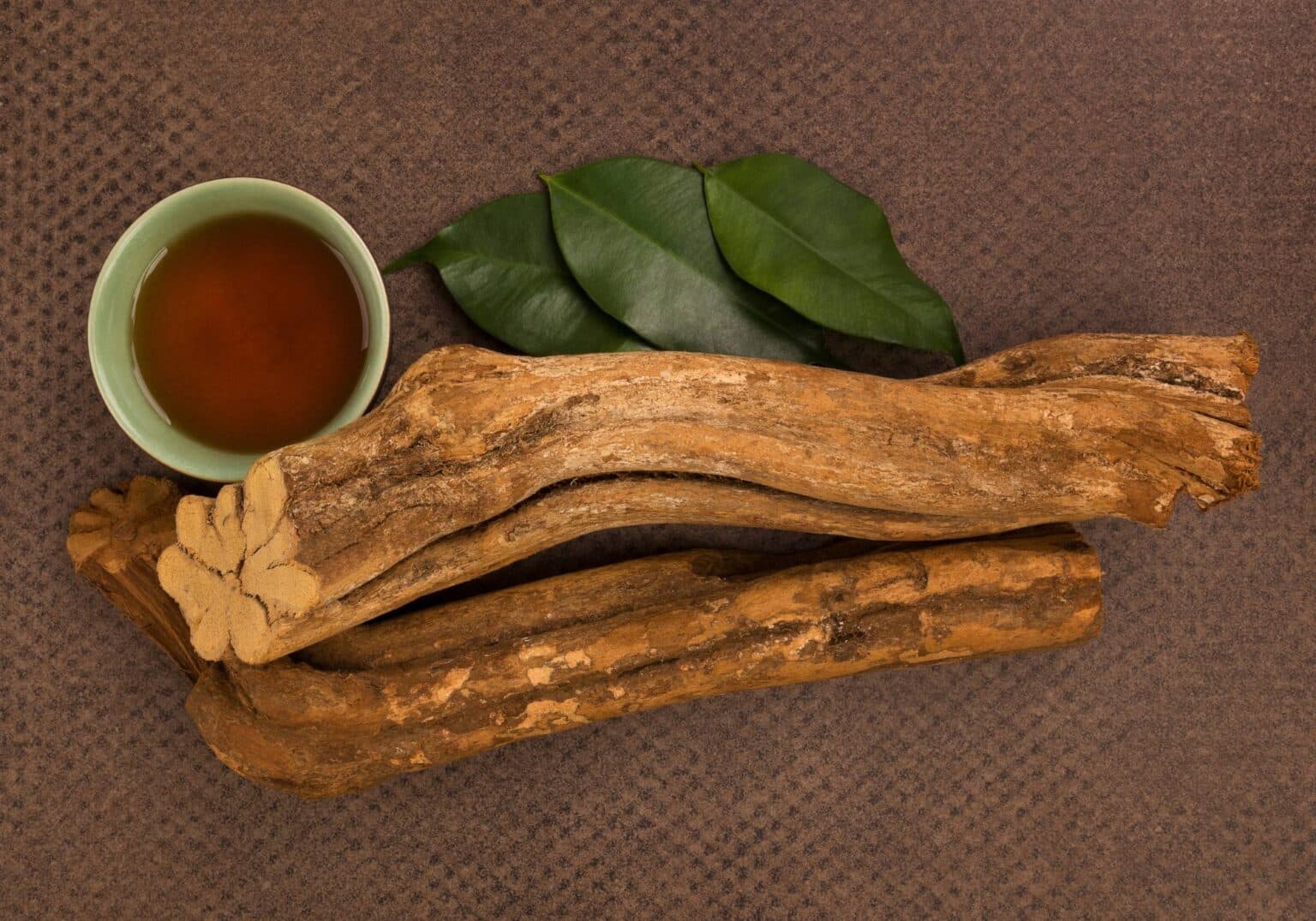
Ayahuasca is not a single plant. It’s a recipe. The central ingredient, Banisteriopsis caapi, is a climbing vine with smooth brown bark, glossy green leaves, and small pinkish flowers. In traditional practice, different vine “varieties” are said to carry different qualities—stronger, gentler, or more purgative—though potency is difficult to standardize outside of lab testing.
The leaf component usually comes from Psychotria viridis or Diplopterys cabrerana, both naturally containing DMT. Some lineages add other plants for distinct effects, which may include caffeine, nicotine, scopolamine, or additional alkaloids. Because recipes vary, two cups of “ayahuasca” can be nothing alike in strength or safety. This variability is one reason medical complications happen.
Ayahuasca Tea
Traditional preparation is labor-intensive. The vine is harvested, stripped, and pounded. Leaves are layered with the vine in a large pot and simmered for hours—sometimes all day—until the liquid reduces to a thick, bitter brew. The process may be repeated and combined to reach a desired concentration.
Proponents believe the tea can catalyze insight, emotional release, or a sense of connection. Western interest has grown, with retreats offering weeklong programs and “integration circles.”
But it’s crucial to understand:
- Potency is unpredictable. There are no universal dosing standards.
- Medical screening is inconsistent. Some centers screen carefully; others do not.
- Harm-reduction practices vary. Hydration protocols, emergency plans, and staff training are not standardized.
If someone takes prescription medications, has cardiovascular issues, or a history of mania or psychosis, drinking a potent MAOI/DMT brew can be risky or dangerous.
Is Ayahuasca Legal?
In the United States, DMT is a Schedule I substance. That classification makes ayahuasca containing DMT illegal to possess, distribute, or consume outside of narrow, federally recognized religious exemptions. Some religious organizations have obtained legal permission to use ayahuasca as a sacrament. These are limited cases with specific guidelines.
Important nuances:
- Plant materials may be sold in certain situations, but brewing them into a psychoactive beverage containing DMT remains illegal outside approved religious use.
- Travel complications are common. People who attend ceremonies abroad may face legal issues transporting plant materials or returning with residues or souvenirs.
- Laws can change, and enforcement can vary by jurisdiction, but legal risk persists.
If legal exposure would threaten your job, immigration status, or licensure, understand that exemptions are limited and specific—not a general permission slip.
Ayahuasca Experience
Most people feel effects 30–60 minutes after drinking the tea. The peak often occurs within one to two hours, and the main effects typically fade by four to six hours, though the emotional “afterglow” or unsettled feelings may last longer.
Common features people describe:
- Shifts in perception: Patterns, colors, or geometry with open or closed eyes
- Emotional intensity: Grief, joy, fear, awe, or a mix that changes minute to minute
- Time distortion: Minutes feel long; hours pass quickly
- Purging: Vomiting and/or diarrhea, sometimes framed as cleansing
- Heightened sensitivity: Sounds, smells, and tactile sensations feel amplified
- Self-reflection: Memories and insights feel vivid and significant
Some participants remain aware that the visions are drug-induced. Others feel transported or overwhelmed. No one can guarantee that a session will be gentle or “healing.” Even experienced participants can encounter panic, confusion, or medical emergencies.
Ayahuasca Effects
Ayahuasca’s effects are not identical to LSD or psilocybin. The harmala alkaloids contribute their own profile—sedation, dreamlike imagery, and strong bodily sensations—while DMT brings rapid, profound alterations in perception and meaning-making.
On a brain level, DMT primarily binds to serotonin 5-HT2A receptors and influences how major networks communicate, especially those involved in self-referential thought (often called the “default mode network”). Disrupting rigid patterns may explain why some people report fresh perspectives or reduced rumination afterward. That said, biology is only part of the story; expectations, environment, and integration support can heavily influence outcomes.
Potential positives some people report:
- A sense of connection or insight
- Temporary relief from negative thought loops
- Motivation to make lifestyle changes
Potential negatives:
- Anxiety, paranoia, or resurfacing of traumatic memories
- Confusion, derealization, or distress during and after sessions
- Sleep disruption and emotional volatility for days or weeks
Psychological Ayahuasca Effects
Ayahuasca is often described as intensely psychological.
You may experience:
- Hallucinations: Visual scenes, entities, or symbolic imagery
- Depersonalization: Feeling detached from your body or identity
- Altered sense of self: Blurred boundaries; feelings of unity or, at times, frightening loss of control
- Distorted hearing: Ordinary sounds seem amplified, echoing, or significant
- Memory surfacing: Old experiences arise with strong emotion
For some, this leads to meaningful reflection. For others, it opens wounds without adequate support. People with bipolar disorder, schizoaffective disorder, schizophrenia, or recent manic episodes face heightened risk of destabilization. Those with severe trauma histories may experience flashbacks or intense fear.
Good preparation and skilled integration help, but they do not eliminate risk. If you’re already struggling with mood swings, panic, or psychosis, ayahuasca can make symptoms worse.
Physical Ayahuasca Effects
Physical reactions range from mild to severe:
- Purging: Vomiting and diarrhea are common. Dehydration and electrolyte imbalance can follow.
- Cardiovascular strain: Increased heart rate and blood pressure can be dangerous for people with hypertension or heart disease.
- Neurological effects: Tremor, muscle incoordination, dilated pupils, and—in rare cases—seizures.
- Chest pain or tightness: Requires immediate medical evaluation, not assumptions about “energetic release.”
- Dizziness or fainting: Especially in hot, crowded spaces without adequate hydration.
Because the brew contains MAO inhibitors, interactions with other medicines and certain foods can further elevate blood pressure or trigger serotonin toxicity. This is one of the biggest overlooked hazards.
Ayahuasca Ceremonies
A typical ceremony happens at night and may last until dawn. A shaman or guide leads rituals—often including singing (icaros), drumming, or periods of silence. Participants usually follow pre-ceremony guidelines (light diets, no alcohol or drugs, and restricted sexual activity) thought to prepare the body and mind.
Safety questions to consider:
- Screening: Did anyone ask about your medications, medical history, or mental health?
- Emergency plan: Is there a protocol for chest pain, seizures, serotonin syndrome, or severe panic?
- Hydration and electrolytes: Are water and electrolyte solutions available?
- Environment: Is the space ventilated, with safe paths to bathrooms?
- Staffing: Are trained monitors present? Is a medical professional on site—and empowered to act?
The ceremonial frame can feel meaningful. It can also mask or minimize real medical symptoms if staff are inexperienced. Ritual does not replace emergency readiness.
Ayahuasca Retreats
Retreats are multi-day or weeklong programs with multiple ceremonies, meditation or yoga, diet changes, and integration circles. They range from rustic to resort-like. Medical claims and safety vary widely.
Before attending, ask:
- Who screens participants and how? A brief form is not enough.
- What is the medical backup? Nurse on site? AED? Access to local hospitals?
- What medications must be stopped and when? Stopping or tapering psychiatric medications without a prescriber is dangerous.
- How is dose determined? One-size-fits-all dosing is risky.
- What are post-ceremony supports? Integration shouldn’t be an afterthought, especially if difficult content arises.
A retreat with “medical oversight” is not inherently safe. Know exactly what that means in practice.

How Long Does Ayahuasca Last?
- Onset: 30–60 minutes
- Peak: 1–2 hours
- Main effects: 4–6 hours (sometimes longer)
- Aftereffects: Emotional shifts may linger for days
Metabolism occurs primarily in the liver, including N-oxidation pathways for DMT and conjugation for harmala alkaloids. Duration depends on recipe, dose, stomach contents, hydration, and your individual physiology.
Remember: Longer is not inherently better. Prolonged distress or agitation is a red flag, not a sign of deeper “purification.”
Ayahuasca Benefits
Some participants report sustained improvements in mood, self-compassion, or purpose. Small, early-stage studies suggest potential for mood and trauma symptoms, but results are mixed and often limited by small sample sizes, self-selection, and lack of long-term follow-up. A powerful, meaningful experience isn’t the same as a clinically validated treatment.
Potential reasons people report benefits:
- Temporary disruption of rigid thought patterns
- Contextual meaning-making in a ritual setting
- Community support before and after sessions
- Increased motivation to change health behaviors
Potential reasons benefits don’t last—or harm occurs:
- Underlying conditions (e.g., bipolar, PTSD) become destabilized
- No integration or follow-up care
- Medication interactions lead to complications
- Unrealistic expectations lead to disappointment and further despair
If you seek relief from depression, anxiety, trauma, or substance use, there are evidence-based, medically supervised options that avoid the legal and medical complications of ayahuasca.
Ayahuasca vs. DMT
It helps to be precise:
- DMT (dimethyltryptamine) is a psychedelic compound. When smoked or injected, it causes an abrupt, short-lived experience measured in minutes.
- Ayahuasca is a brew that combines DMT-containing leaves with MAO-inhibiting vine alkaloids, making oral DMT active and lengthening the experience to hours.
Risks differ by route:
- Smoked/injected DMT: Rapid onset, intense disorientation, potential for panic or accidents. At high doses, risk of seizures or respiratory problems.
- Ayahuasca (oral DMT + MAOI): Longer duration, stronger body load, more medication and dietary interactions, cardiovascular strain, dehydration from purging.
Both can be psychologically destabilizing. Neither should be mixed with serotonergic medications or taken in unsafe environments.
Dangers of Using Ayahuasca
Key hazards include:
- Serotonin syndrome when combined with SSRIs, SNRIs, MAOIs, certain migraine medicines, tramadol, or dextromethorphan
- Hypertensive crises due to MAOI effects and tyramine sensitivity
- Severe vomiting and diarrhea leading to dehydration and electrolyte imbalance
- Psychiatric destabilization (panic, mania, psychosis)
- Seizures or loss of consciousness (rare but documented)
- Allergic reactions and aspiration during vomiting
- Unregulated potency and dosing
- Legal consequences outside recognized religious use
Deaths are rare but have occurred. Risk rises with poor screening, polydrug use, preexisting conditions, and lack of emergency readiness.
Ayahuasca Addiction and Abuse
DMT does not cause classic physical dependence, but psychological compulsions can develop. People may chase “breakthroughs” or rely on ceremonies to cope with distress rather than building daily skills.
Warning signs include:
- Increasing frequency of use despite harm
- Neglecting responsibilities to attend ceremonies or retreats
- Mixing psychedelics with alcohol, stimulants, or benzodiazepines
- Using to escape rather than to heal
If this pattern sounds familiar, compassionate, skills-based care can help you stabilize and find safer paths forward.
Ayahuasca Interactions and Serotonin Syndrome Risk
This is one of the most important safety topics to understand. Banisteriopsis caapi contains natural MAO inhibitors. Combining MAOIs with other drugs that affect serotonin or norepinephrine can cause dangerous reactions.
High-risk combinations include:
- Antidepressants: SSRIs (sertraline, fluoxetine, citalopram), SNRIs (venlafaxine, duloxetine), MAOIs (phenelzine), tricyclics
- Migraine medications: Triptans (sumatriptan, rizatriptan)
- Pain medicines and cough suppressants: Tramadol, meperidine, dextromethorphan
- Stimulants and weight-loss drugs: Amphetamines, certain pre-workouts
- Herbal/supplements: St. John’s wort, yohimbe, synephrine
- Recreational substances: MDMA (“ecstasy”), cocaine, certain research chemicals
Possible outcomes:
- Serotonin syndrome: Agitation, confusion, sweating, high fever, rapid heart rate, tremor, muscle rigidity—a medical emergency
- Hypertensive spikes: Severe headache, chest pain, nosebleed, vision changes
- Arrhythmias or seizures
Dietary interactions also matter. Tyramine-rich foods (aged cheeses, cured meats, fermented products, some wines) can dramatically raise blood pressure during MAO inhibition. Not all retreats enforce diet restrictions or understand why they matter.
If you take any medicine—or aren’t sure about a supplement—do not assume it’s safe to combine with ayahuasca.
Who Should Avoid Ayahuasca?
Avoid or seek medical advice before considering ayahuasca if you have:
- Bipolar disorder, psychosis, or schizophrenia (risk of mania or psychotic episodes)
- Severe anxiety or panic disorder (risk of destabilization)
- Cardiovascular disease or uncontrolled hypertension
- Liver or kidney disease (impaired metabolism)
- Seizure disorders
- Pregnancy or breastfeeding
- Recent traumatic brain injury
- Use of serotonergic or sympathomimetic medications (see interactions)
Teens and young adults may be more vulnerable to destabilizing psychological effects. If you have a complex trauma history, the content that surfaces can be intense and destabilizing without robust, ongoing support.
Considering Ayahuasca for Healing? Evidence-Based Alternatives
If you’re drawn to ayahuasca because you’re hurting, you deserve care that is safe, proven, and personalized. At Hope Harbor Wellness in Atlanta, GA, we help clients create recovery paths that work in real life.
What we offer:
- Cognitive Behavioral Therapy (CBT): Reframe patterns that fuel anxiety, depression, and substance use; learn practical coping skills.
- Dialectical Behavior Therapy (DBT): Build emotion regulation, distress tolerance, and interpersonal effectiveness.
- Trauma-focused care (including EMDR): Reduce the sting of traumatic memories in a structured, validated way.
- Medication management: Stabilize mood, reduce cravings, and improve sleep when clinically appropriate.
- Group therapy and peer support: Heal in community; practice new skills with others who understand.
- Mindfulness, yoga, and breathwork: Ground the nervous system without psychoactive drugs.
- Family therapy: Strengthen communication and rebuild trust.
These approaches are powerful on their own and can be combined to fit your goals. If you’re curious about emerging, clinically supervised psychedelic-assisted therapies, we can explain the research and how those protocols differ from unregulated ceremonies—so you can make informed decisions.
Seeking Support? We’re Here.
If you’re navigating anxiety, depression, trauma, or substance use—and wondering whether ayahuasca is the answer—let’s talk through options that are safe, evidence-based, and grounded in your goals. Hope Harbor Wellness is an outpatient drug rehab in Atlanta, GA where we offer mental health services, addiction treatment, and drug and alcohol detox. We’ll listen, verify insurance, and help you take a confident next step.
Contact Hope Harbor Wellness today at 770-573-9546 or fill out our online contact form for confidential guidance and compassionate care.
Ayahuasca FAQs
What Is Ayahuasca used for in modern contexts?
Traditionally, it’s a sacrament used for healing and divination within specific cultural lineages. Today, some people seek it for emotional insight or relief from depression, anxiety, or grief. Evidence for routine clinical use is limited, and the legal/medical risks are significant. If you want lasting change, trauma-informed therapy and medical care provide safer, proven paths.
How long does an ayahuasca experience last?
Effects usually start within 30–60 minutes, peak by 1–2 hours, and last 4–6 hours. Emotional aftereffects can linger for days. Duration depends on the recipe, dose, your metabolism, and whether you’ve eaten. If distress lasts or you experience chest pain, confusion, or severe headache, seek medical care.
Can ayahuasca interact with antidepressants?
Yes. Combining ayahuasca with SSRIs, SNRIs, MAOIs, tricyclics, or other serotonergic drugs (including some migraine meds and cough syrups) can cause serotonin syndrome, a medical emergency with high fever, agitation, tremor, and confusion. Never change psychiatric medications without your prescriber’s guidance.
Is ayahuasca legal in the United States?
DMT is a Schedule I substance, so ayahuasca containing DMT is illegal outside narrow, federally recognized religious contexts. Even when a group claims religious use, permissions are specific—not blanket approval. Legal exposure can affect employment, immigration, and professional licenses.
Is ayahuasca addictive?
It doesn’t cause typical physical dependence. Still, people can develop psychological cravings for intense experiences or rely on ceremonies to cope. If use escalates despite harm—or you’re mixing substances—specialized help can break the cycle and build sustainable coping tools.
What are the main physical risks?
Severe vomiting and diarrhea (leading to dehydration), spikes in blood pressure and heart rate, dizziness or fainting, agitation, and—in rare cases—seizures or loss of consciousness. Interactions with medications or certain foods can make reactions more dangerous.
Are there safer alternatives if I want healing without psychedelics?
Yes. CBT, DBT, EMDR, medication management, mindfulness-based approaches, and supportive groups are effective for many people. They’re legal, structured, and tailored to your needs. We can help you create a plan that fits your life and values.