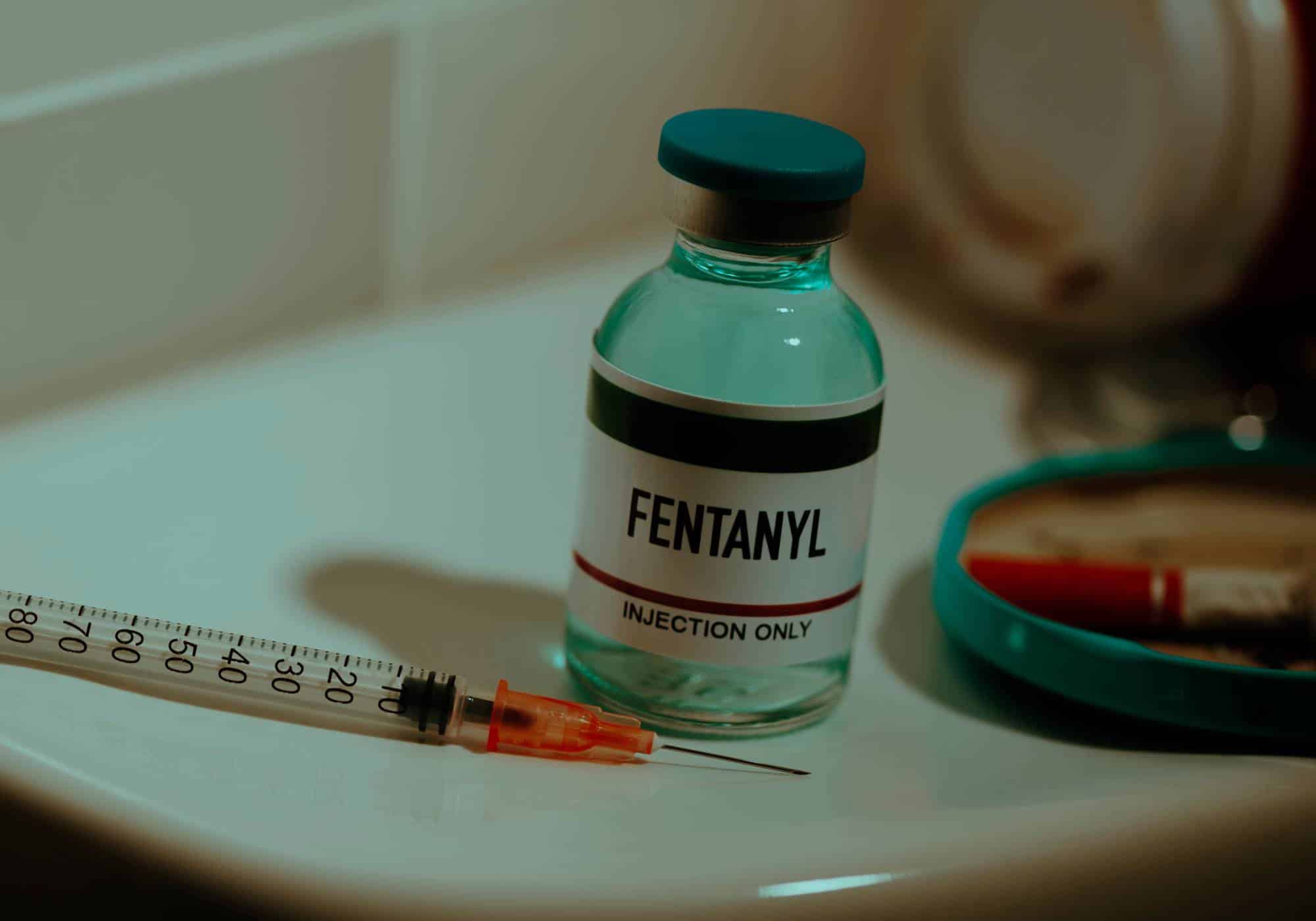
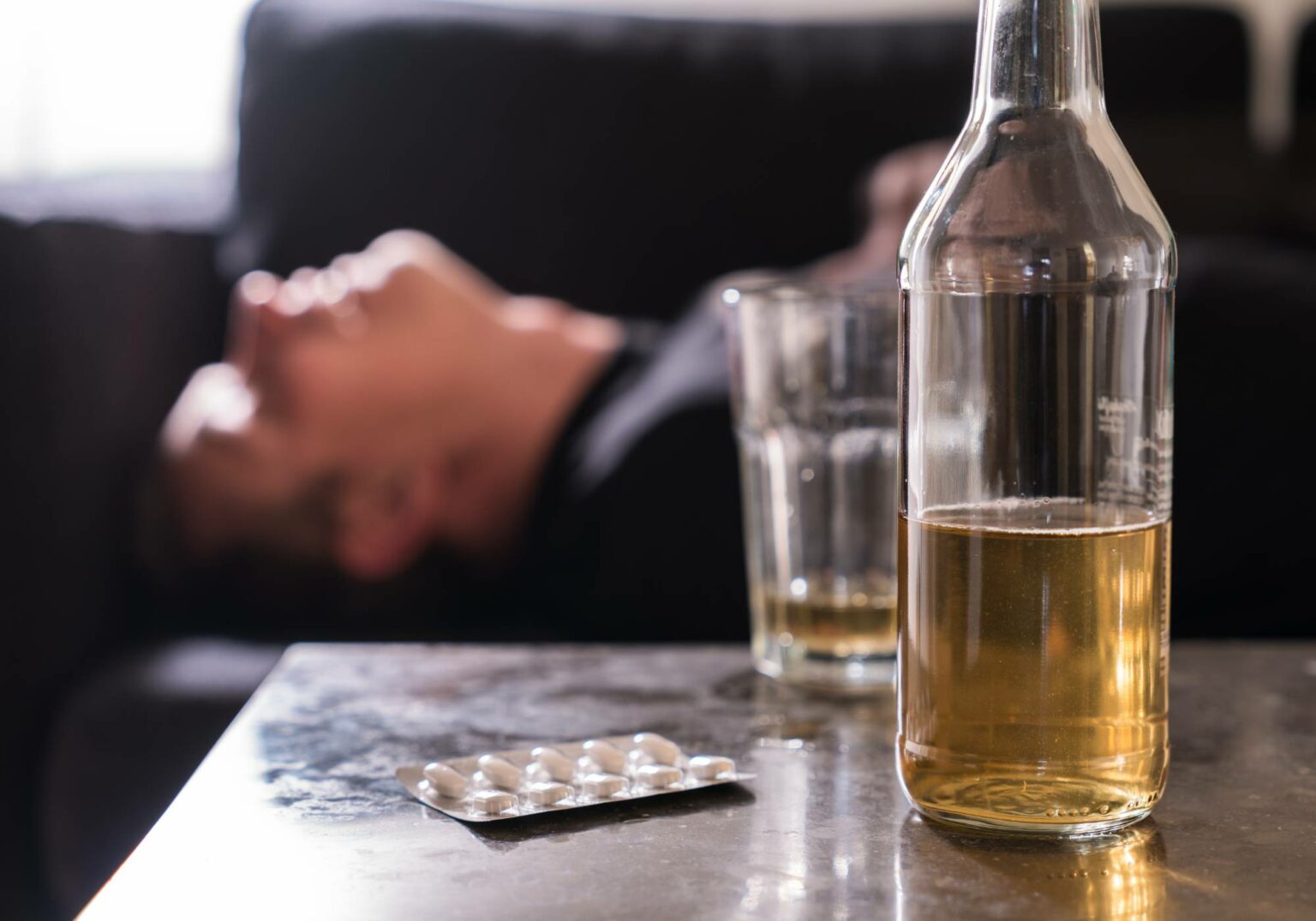

Mixing Ambien and alcohol can lead to severe consequences. This guide will explore Ambien, its potential for addiction, and the risks of combining it with alcohol. It will also discuss treatment options for misuse of Ambien and alcohol and how to access drug rehab treatment.
What is Ambien?
Ambien is the trade name for zolpidem, a sedative primarily prescribed to treat insomnia. It functions by modulating brain chemicals to soothe the central nervous system, facilitating sleep. Known colloquially as “zombie pills,” Ambien can become habit-forming within just two weeks of regular use. As tolerance develops, higher doses may be needed to achieve the same sedative effect, leading to decreased functionality in daily tasks and increasing the risk of psychological, physical harm, and potentially fatal overdose.
Side Effects of Mixing Ambien with Alcohol
Ambien operates by enhancing the production of GABA (gamma-aminobutyric acid) in the brain, which reduces activity in the central nervous system (CNS) to help initiate sleep. Alcohol, which is also a CNS depressant, can significantly amplify the effects of Ambien when the two are combined.
The combination of Ambien and alcohol can lead to severe physical and cognitive impairment, irreversible liver damage, and heightened risk of overdose. The U.S. Food and Drug Administration advises against the consumption of alcohol while taking Ambien due to these risks.
Common side effects of mixing Ambien with alcohol include:
- Memory loss
- Enhanced drowsiness and sleepiness
- Dizziness
- Confusion and disorientation
- Hallucinations
- Loss of motor control
- Slowed or compromised breathing
- Unusual behaviors
The interaction between Ambien and alcohol can result in dangerous effects even from a single incident of mixing the two substances.
Factors Affecting Ambien Elimination
Several factors influence how long Ambien remains in the body, including weight, age, other medications being taken, existing health conditions, and the functionality of the liver and kidneys. On average, it takes about 14 to 17 hours for the body to clear 5mg to 10mg of Ambien.
It is strongly recommended not to mix Ambien with alcohol. This caution applies equally to those with a legitimate prescription for Ambien and individuals who may use the drug recreationally.
Even using Ambien alone can lead to next-day side effects resembling a hangover, which can impair activities like driving, particularly if less than eight hours of sleep is achieved. To minimize these risks, doctors prescribe the lowest effective dose—typically 10mg for men and 5mg for women. Combining Ambien with alcohol can exacerbate these after-effects.
If you or someone you know is struggling with the combined use of Ambien and alcohol, it is critical to seek professional treatment. Tailored rehabilitation programs can provide the necessary support and resources to manage and recover from the misuse of these substances.
Dangers of Mixing Ambien and Alcohol
Combining Ambien with alcohol might seem like a way to intensify sleep-inducing effects, but this practice is dangerous. Both substances are central nervous system depressants, meaning they reduce brain activity and can dangerously slow vital functions. Ambien alone can be habit-forming and potentially lead to an overdose as tolerance increases. When combined with alcohol, the risks escalate dramatically, heightening the addiction potential and the severity of their effects.
Mixing these substances can lead to disorientation and confusion, making it easy to unintentionally consume more alcohol or Ambien. This can cause irreversible harm to your liver, cognitive functions, and respiratory system, dramatically increasing the risk of a fatal overdose.

Can You Die from Ambien and Alcohol?
Mixing Ambien and alcohol intensifies the depressant effects inherent in both, significantly raising the odds of overdose, which can be fatal.
Symptoms of an Ambien overdose include:
- Irregular or shallow breathing
- Pale or bluish skin, lips, and fingernails
- Reduced consciousness or unresponsiveness
- Slowed heartbeat
- Coma
An overdose of Ambien, especially when combined with alcohol, should be treated as a medical emergency. Treatment typically involves stomach pumping, administration of intravenous fluids, and close monitoring of vital signs.
Understanding the Link Between Drinking and Insomnia
While alcohol may initially help with falling asleep, it disrupts the sleep cycle, often causing individuals to wake frequently throughout the night. Chronic reliance on alcohol to combat insomnia can significantly increase the risk of developing a substance use disorder, as it does not address the root causes of sleep disturbances.
Long-Term Dangers of Mixing Alcohol and Ambien
Despite being marketed as a safer alternative to benzodiazepines, Z-drugs like Ambien can still lead to dependency and severe withdrawal symptoms. These risks are exacerbated when alcohol is also consumed, compounding the likelihood of developing tolerance and physical dependence on Ambien.
Continued misuse can lead to:
- Chronic insomnia
- Severe anxiety
- Elevated heart rate
- Tremors
- Delirium
- Seizure
Long-term abuse of Ambien may also trigger chronic health issues such as:
- Memory loss
- Blackouts
- Persistent drowsiness
- Loss of coordination
- Dizziness
- Complications during pregnancy
- Increased cancer risk
Furthermore, chronic alcohol misuse can evolve into alcohol use disorder, a serious condition defined by the National Institute on Drug Abuse as a chronic brain disease that requires comprehensive treatment. Whether through inpatient or outpatient settings, addressing both alcohol use disorder and Ambien misuse is critical for recovery and maintaining long-term health.
Ambien Addiction Treatment at Hope Harbor Wellness
Located in the serene suburbs of Atlanta, Hope Harbor Wellness is your ally in the fight against Ambien addiction in Atlanta. Our Ambien drug rehab center is dedicated to holistic recovery and is ideally situated to offer you the support you need.
Our compassionate outpatient program collaborates with top-tier medical Ambien detox facilities, ensuring a safe and effective detox process. Once free from addictive substances, you can seamlessly transition into one of our specialized outpatient treatment programs at Hope Harbor Wellness, designed to address substance use disorders:
- Outpatient Rehab: A flexible program tailored to fit into your daily life.
- PHP (Partial Hospitalization Program): Offers a structured yet non-residential approach to treatment.
- IOP (Intensive Outpatient Program): Provides more intensive care while allowing you to maintain daily responsibilities.
- Dual Diagnosis Treatment Program: Caters to those with co-occurring mental health disorders.
Our Ambien addiction treatment programs incorporate a variety of interventions:
- MAT (Medication-Assisted Treatment): Utilizes medications to ease withdrawal symptoms and cravings.
- Psychotherapy (CBT and DBT): Addresses underlying psychological aspects of addiction.
- Group Therapy: Offers peer support and shared learning experiences.
- Individual Therapy: Provides personalized guidance and support.
- Family Therapy: Helps heal and strengthen family relationships.
- Holistic Therapies: Focuses on overall well-being, including physical, emotional, and spiritual health.
- Aftercare: Ensures ongoing support post-treatment.
Embark on your journey from addiction to recovery with Hope Harbor Wellness. Trust in our dedicated team to guide you every step of the way. For more information or to start Ambien addiction treatment in Atlanta, GA, call our admissions team at 770-573-9546 or through our online contact form.