

Recreational drug use can feel harmless at first. For many people, it starts as curiosity, a party experiment, or a search for connection. Yet combining psychoactive drugs can quickly turn dangerous. One mix that gets a lot of attention is candy flipping—using LSD and MDMA together to chase a longer, more intense high. If you’ve heard friends talk about “candy flip nights,” seen threads asking what is candy flipping, or you’ve candy flipped yourself and felt the fallout, you deserve clear, judgment‑free information.
This guide explains the candy flipping meaning, how LSD and MDMA work on their own, why the combination can spiral, and how to recognize when casual use has crossed into risk or addiction. You’ll also find direct, compassionate guidance on treatment. If you need addiction treatment in Atlanta, contact Hope Harbor Wellness today at 770-573-9546 or fill out our online contact form we can help you take the next step.
What is Candy-Flipping?
Candy flipping (sometimes misspelled candy filp) is the practice of taking LSD (lysergic acid diethylamide) and MDMA (3,4‑methylenedioxymethamphetamine) in the same session. A common pattern is to take LSD first, wait a few hours as the trip builds, then add MDMA so the stimulant‑entactogen “lift” lands during the psychedelic peak. Some people reverse the order or re‑dose. Others might stack more substances, which increases danger.
Why do people candy flip? Users often report that MDMA softens LSD’s anxiety, enhances empathy, and makes music, color, and touch feel profound. They hope the “glow” of ecstasy will round off the sharper edges of a strong psychedelic. In reality, there’s no reliable way to predict the outcome. Both drugs can raise heart rate, temperature, and blood pressure. Both act on serotonin and other neurotransmitters. Together, they can overload the system.
Here’s the plain‑language candy flip meaning in practice:
- Timing: LSD typically lasts 8–12 hours. MDMA lasts 3–6 hours. Staggering doses can stretch the session beyond a full day.
- Potency variance: Underground supply varies widely. A “tab” of LSD can contain very different microgram doses. MDMA pills or powders are often cut with stimulants or novel psychoactives. Purity is impossible to confirm without reliable testing.
- Tolerance and cross‑tolerance: Re‑dosing either drug during the same session often adds side effects rather than benefits. Stacking increases agitation, confusion, and dehydration risk.
- Set and setting: Mood, surroundings, and physical health shape the outcome. A warm venue, poor hydration, and crowd stress can push a fragile trip into panic or medical crisis.
You may also hear candy flipping terms like “candy flipper” (the person doing it) or short questions like what is candy flip on social media. However people label it, the hazards are the same: unpredictable reactions, intensified comedowns, and a higher chance of lasting mental and physical harm.
The bottom line: people candy flip to boost euphoria or connection, but the cocktail of two powerful substances multiplies risks—especially when dosing, purity, or setting are uncertain.
What is MDMA?
MDMA—better known as ecstasy or molly—is a synthetic drug with both stimulant and hallucinogenic properties. It increases serotonin, dopamine, and norepinephrine, creating a signature mix of energy, empathy, and sensory amplification. On MDMA, people may feel open‑hearted, talkative, and less guarded. Lights and music can seem richer. Touch may feel more intense.
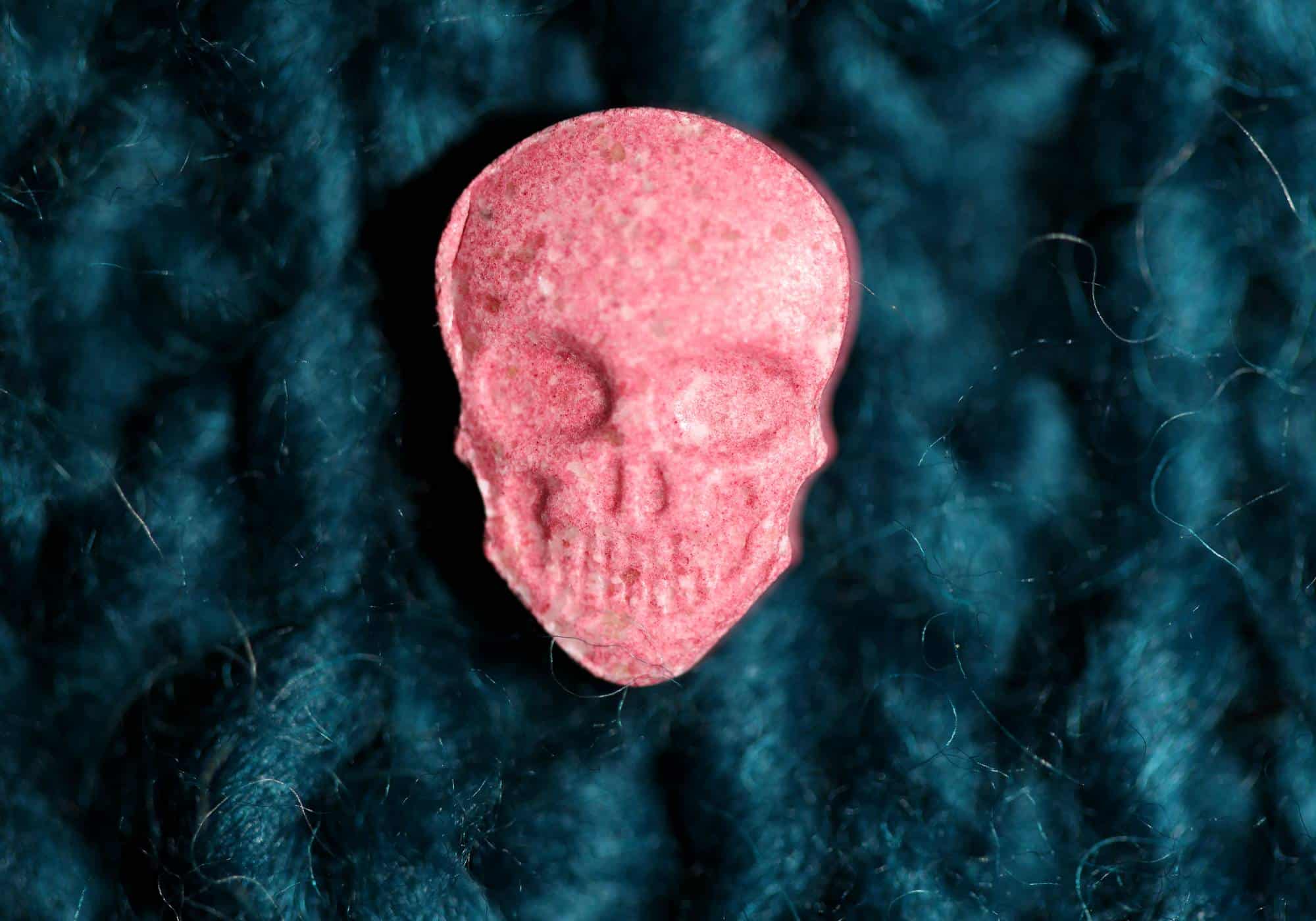
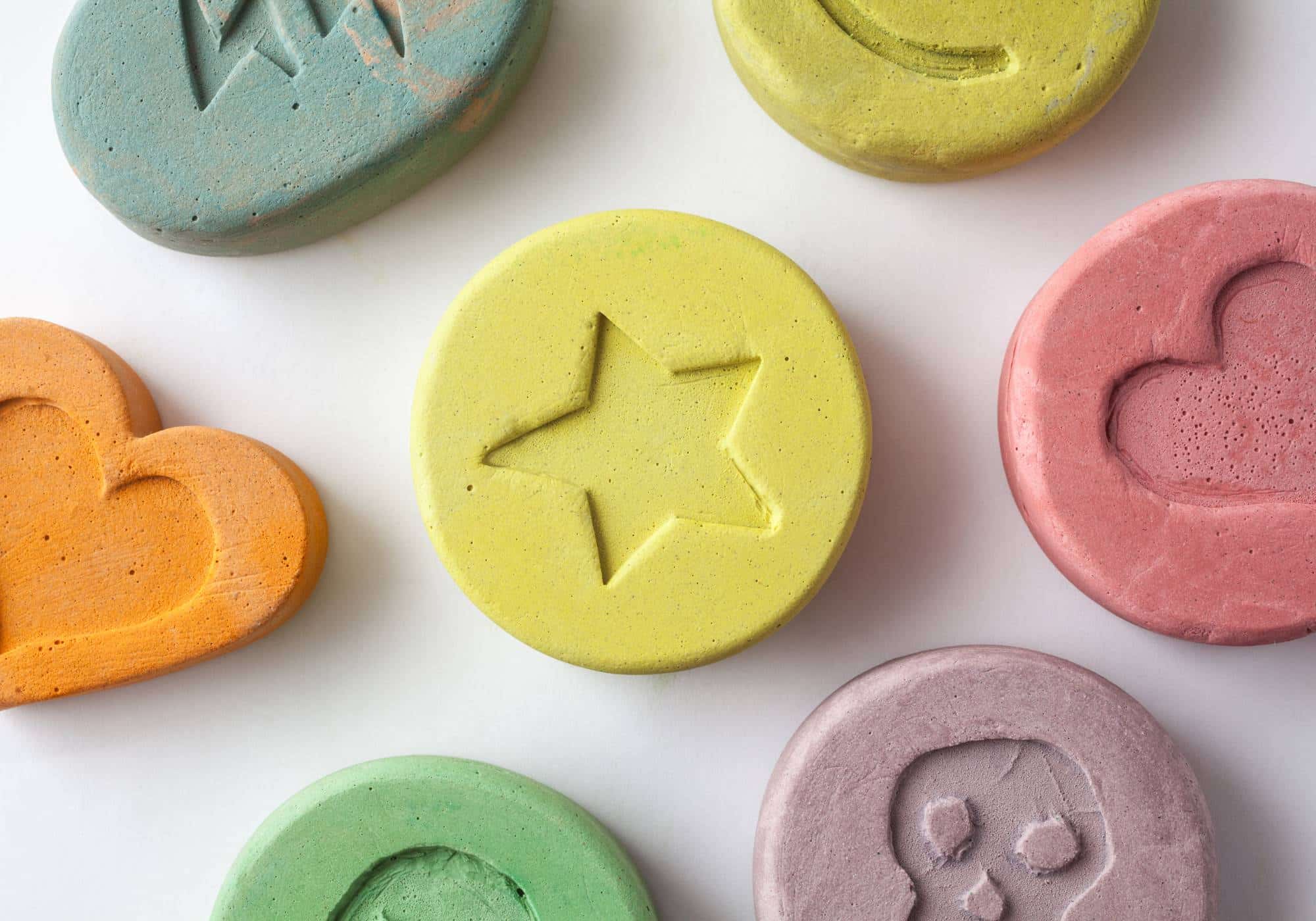
Street names include molly, ecstasy, X, love drug, hug drug, Adam, beans, e‑bomb, smarties, and candy. Unregulated products are inconsistent. Capsules or crystals sold as “molly” are not guaranteed to be pure MDMA. Tablet logos and colors mean nothing about content.
Possible effects and side effects include:
- Euphoria, sociability, perceived closeness
- Heightened senses, jaw clenching, muscle tension
- Nausea, appetite loss, dry mouth, blurred vision
- Anxiety, panic, disorientation, depersonalization
- Elevated heart rate, blood pressure, and body temperature
- Dehydration or, conversely, dangerous over‑hydration (hyponatremia)
- Seizures or loss of consciousness in severe cases
Complications are more likely in hot, crowded spaces or long dances without rest. Risk rises with certain meds (for example, MAOIs) and with other stimulants. Because MDMA releases large amounts of serotonin, back‑to‑back use can leave people depleted, low in mood, and fatigued for days.
When combined with LSD in a candy flipping session, MDMA’s stimulant push can turn a fragile psychedelic experience into a medical emergency.
What is LSD?
LSD is a potent psychedelic first synthesized from ergot alkaloids. It mainly acts on serotonin 5‑HT2A receptors, shifting perception, thinking, and sense of self. Even tiny doses—measured in micrograms—can change how you see patterns, colors, time, and your place in the world.
Street names include acid, Lucy, blotter, paper, dots, microdots, California sunshine, purple haze, and Alice. Because single tabs can contain very different amounts, two people taking “one hit” can have vastly different experiences.
Possible effects and side effects include:
- Visual and auditory distortions, synesthesia
- Changes in mood, insight, and meaning
- Altered time sense and body perception
- Dilated pupils, nausea, tremor, sweating
- Anxiety, paranoia, panic, or “bad trips”
- Confusion, poor judgment, risky behavior
- In rare cases, prolonged psychosis or hallucinogen persisting perception disorder (HPPD) in vulnerable individuals
LSD’s duration (often 8–12 hours) and intensity mean set and setting matter a lot. A safe space, trusted people, hydration, and a calm mindset can help—but cannot eliminate risk. Add MDMA, and you add heat stress, cardiovascular strain, and serotonin load to an already demanding experience.

The Side Effects of Candy-Flipping
Mixing LSD and MDMA isn’t just “two highs at once.” It’s two complex drugs interacting within the same brain and body, often in unpredictable conditions.
Amplified Intensity
MDMA can temporarily boost mood and suppress anxiety. On paper, that sounds like it would soften an LSD trip. In reality, the combination can intensify sensory overload, sharpen racing thoughts, and make emotional swings more abrupt. People describe everything feeling “too much”—too bright, too loud, too personal. That tipping point can lead to panic, conflict, or unsafe choices.
Physiological Strain
Both substances raise heart rate, blood pressure, and body temperature. Together, they can push you toward overheating, dehydration, fainting, or heatstroke—especially in warm venues. Many candy flippers sweat heavily yet forget to rest, cool down, or drink water in steady, safe amounts with electrolytes. Over‑hydrating quickly can be dangerous too; MDMA can impair your body’s fluid balance.
Serotonin Load
LSD and MDMA both interact with serotonin. Stacking them increases the risk of serotonin toxicity, especially if other drugs or certain medications are involved. Warning signs may include agitation, confusion, rapid heartbeat, shivering, heavy sweating, muscle stiffness, or fever. This is a medical emergency.
Judgment and Boundaries
MDMA’s openness plus LSD’s altered meaning can dissolve normal boundaries. People who never intended to take more might re‑dose. Others may engage in risky sex, share substances, or wander into unsafe spaces. The combination impairs the ability to assess danger or respond to it quickly.
Mental Health Vulnerabilities
If you have a personal or family history of anxiety, depression, bipolar disorder, psychosis, or trauma, candy flipping can trigger lingering symptoms. A night meant to be bonding can end with weeks of panic, low mood, or intrusive memories. Some people find that a single overwhelming session changes their relationship to reality for a long time.
After‑effects and the comedown
As effects fade, many candy flipped users report:
- Headache, poor concentration, and slowed thinking
- Mood dips, irritability, or “flatness”
- Anxiety, paranoia, or regret about choices made
- Sleep disruption and appetite changes
- Sexual dysfunction for days after
- Cravings to repeat the experience to “fix” the crash
The comedown can last 24–72 hours or more. Stacking sessions on consecutive weekends can deepen the lows and make everyday stress harder to handle.
Interaction with Common Medications
Several meds—notably MAOIs and certain antidepressants—can interact dangerously with MDMA. Some combinations blunt the high while still raising risk; others increase the chance of serious complications. Since underground products rarely list ingredients and doses, the safest assumption is that interactions are unpredictable.
Legal and Safety Consequences
Beyond health, there are legal risks. Possession, distribution, or intoxication in public can lead to arrest. If someone in your group needs medical attention, always call for help. Your safety matters more than fear of getting in trouble.
All of this explains why the candy flipping needs a reality check: it’s not “a better trip.” It’s a volatile mix that magnifies uncertainty and harm.
Do I Need Substance Use Disorder Treatment?
Asking for help takes courage. You don’t have to hit “rock bottom” to deserve support. If you’re wondering whether your use is getting out of hand—or if a loved one is worried—consider the signs below. If several resonate, it may be time to talk with a professional.
Common signs that use is causing harm:
- You spend a lot of time getting, using, and recovering from substances.
- You’ve tried to cut back but keep returning to the same patterns.
- Cravings or withdrawal symptoms make it hard to stop.
- You need more to feel the same effects.
- Your use is hurting relationships, school, work, or health.
- You take risks you wouldn’t take sober—driving, mixing drugs, unsafe sex, or wandering alone in unsafe places.
- You feel anxious or depressed for days after using and use again to “fix” the crash.
If you recognize yourself here, you’re not alone. Substance use disorders are medical conditions, not moral failures. They respond to compassionate, evidence‑based care. Recovery looks different for everyone, but the essentials are similar: medical safety, honest support, practical tools, and structure.
What getting help can look like
- Assessment: A private, respectful conversation to understand your history, goals, and needs.
- Medical Detox (if needed): Some substances require medical monitoring as your body clears them.
- Therapy: Individual and group sessions to build coping skills, address anxiety or trauma, and plan for triggers.
- Medication (when appropriate): FDA‑approved options can reduce cravings and stabilize mood for certain substance and mental health conditions.
- Family support: Healing relationships, improving communication, and setting healthier boundaries.
- Aftercare: A plan for ongoing support—outpatient therapy, peer groups, alumni connections, and relapse‑prevention strategies.
If candy flipping is part of your story, a team that understands psychedelics and stimulants can help you make sense of what you’ve experienced, lower risk going forward, and rebuild a steady life you actually want to keep. If you’re local and ready for drug addiction treatment in Atlanta, Hope Harbor Wellness can guide you through the first step in a way that fits your situation.
If you’re supporting someone else
- Start with empathy. Avoid lectures. Ask how the experience felt for them.
- Share specific concerns (sleep, panic, risky moments) rather than broad labels.
- Offer practical help—ride to an assessment, help with scheduling, or sitting in on a family session.
- Protect your own boundaries and wellbeing. Caregivers need support too.
When to seek urgent help
Call emergency services if someone shows signs of heatstroke, serotonin toxicity, chest pain, seizures, severe confusion, unresponsiveness, or self‑harm. Your fast action can save a life.
Learn More About the Dangers of Candy-Flipping
If you or someone you love is curious about what is candy flipping, has questions about candy flipping terms, or is worried that a “one‑time” candy flip turned into something harder to control, you don’t have to figure it out alone. The team at Hope Harbor Wellness in Atlanta, GA offers confidential assessments, evidence‑based care, and compassionate guidance tailored to your needs.
We’ll help you understand the full picture—how LSD and MDMA affect the brain and body, why the mix can escalate quickly, and what it takes to feel stable again. We’ll also work with you on a plan you can live with, not just a plan that looks good on paper.
Change is possible. A better week, a better month, and a better life are possible. If you’re ready to talk, reach out today. Contact Hope Harbor Wellness at 770-573-9546 or fill out our online contact form to start your recovery journey now.
Candy Flipping Frequently Asked Questions
What are the effects and side effects of candy flipping?
People who candy flip often report a boost in empathy, heightened senses, and a sense of euphoria. However, the side effects can be severe and unpredictable. They include intensified anxiety or paranoia, racing thoughts, jaw clenching, and an elevated heart rate and body temperature. The comedown often includes feelings of depression, fatigue, and irritability that can last for days.
How long does a candy flip session last?
A candy flip session typically lasts between 10 to 18 hours. Since LSD effects can last up to 12 hours and MDMA lasts 3-6 hours, staggering the doses can stretch the entire experience well beyond a full day.
What does candy flipping feel like?
Users often report that mixing LSD and MDMA feels like combining the empathy and sensory enhancements of ecstasy with the psychedelic visuals and mind-altering effects of acid. People hope that the euphoric “glow” of MDMA will soften the anxiety that can come with an LSD trip, creating a more social and profound experience.
Is candy flipping dangerous?
Yes, candy flipping is dangerous because it combines two powerful drugs that both affect the brain and body in unpredictable ways. The combination increases the risks of overheating, dehydration, and serotonin toxicity—a medical emergency. The experience can also trigger anxiety, paranoia, and even long-lasting psychological issues in some individuals.
How can I stop or get help for my candy flipping habit?
Asking for help is the first step toward recovery. You can get help by connecting with a professional who understands the specific challenges of substance use. Treatment can start with a confidential assessment to understand your situation, followed by therapy to build coping skills, and a personalized plan for managing triggers. You don’t have to hit “rock bottom” to deserve support.
What are the risks of mixing LSD and MDMA?
Mixing the two substances creates a volatile cocktail that magnifies risks.
The main risks of candy flipping include:
- Amplified intensity: The combination can make sensory overload, racing thoughts, and emotional swings feel overwhelming, leading to panic or unsafe choices.
- Physiological strain: Both drugs raise heart rate, blood pressure, and body temperature. Together, they increase the risk of heatstroke or fainting, especially in hot or crowded environments.
- Serotonin overload: Stacking the drugs can lead to a dangerous overload of serotonin, which can cause severe symptoms like confusion, rapid heartbeat, muscle stiffness, and a high fever.
- Impaired judgment: The combined effects can dissolve normal boundaries and impair your ability to assess danger, leading to risky behavior.