

When trauma or addiction turns life upside down, talk therapy alone doesn’t always reach the places that hurt most. The brain itself changes under stress. Circuits that once kept you safe can become overactive. Others grow quiet and sluggish. That’s where brain mapping therapy comes in. By measuring and training brain activity directly, it adds a precise tool to your healing plan—one that supports better focus, steadier moods, and long‑term recovery.
At Hope Harbor Wellness—an outpatient drug rehab in Atlanta, GA where we offer mental health services, addiction treatment, and drug and alcohol detox—we use a practical, step‑by‑step approach. Brain mapping therapy can complement counseling, skills training, and (when appropriate) medication. The goal is not a quick fix. It’s a calmer nervous system that helps you respond to life instead of react to it.
In this guide, we explain what brain mapping is, how it works, how it supports recovery, and what you can expect if you choose this path. You’ll also find answers to common questions so you can decide if this evidence‑informed option fits your needs.
What Is Brain Mapping?
Brain mapping is a way to measure and visualize brain activity so clinicians can understand how different regions are functioning.
Several technologies can do this:
- EEG (electroencephalography): sensors on the scalp track electrical activity in the brain.
- qEEG (quantitative EEG): a specialized analysis of EEG data that compares your brain wave patterns to established norms.
- fMRI (functional MRI): tracks changes in blood flow that correlate with activity in deep brain structures (less common in routine clinical use).
In everyday terms, brain mapping offers a snapshot of how your brain is operating right now. It can show patterns linked to stress, trauma, sleep problems, attention issues, anxiety, and mood. When trauma has been present, the brain’s alarm system—the limbic system—often runs hot. That constant “on” state can make healing harder. Brain mapping helps identify where that overdrive is happening and where underactivity may need a boost. With that insight, your care team can target training where it matters most.
How Does Brain Mapping Work?
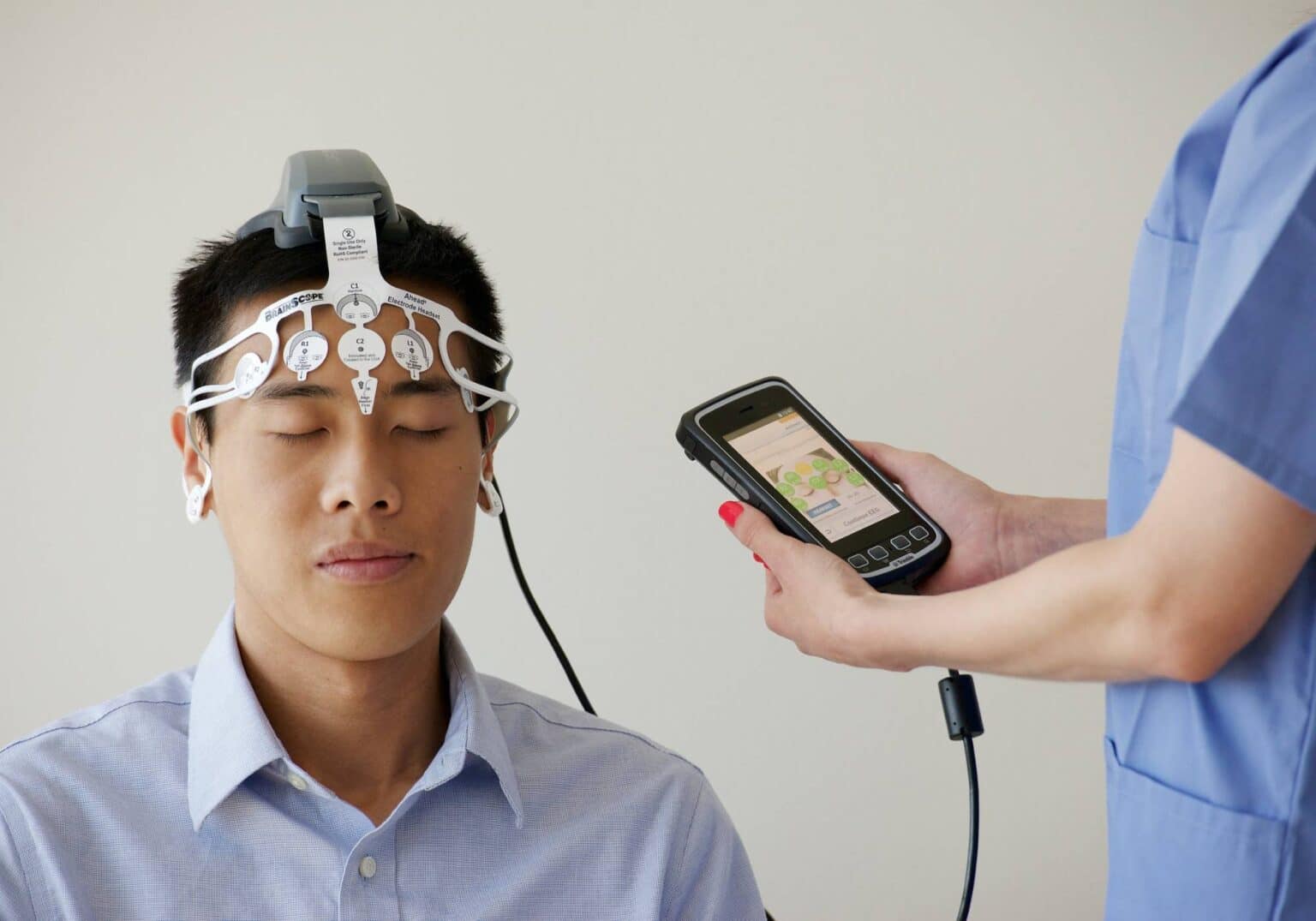
The process is straightforward and noninvasive. For EEG/qEEG, small sensors are placed on your scalp with conductive gel. You sit comfortably with your eyes open and closed for set periods while the system collects data. Software then organizes what’s recorded into readable maps and charts. These visuals show the rhythm and intensity of different brain waves—delta, theta, alpha, beta, and gamma—and how they appear across regions.
Why does this matter? Each brain wave range is associated with certain functions. For example:
- Delta/theta: deep rest, sleep, and internal processing.
- Alpha: calm wakefulness and relaxed focus.
- Beta: alert thinking, problem‑solving, and attention.
- Gamma: integration of information across networks.
Trauma and chronic stress can nudge these ranges out of balance. You might see too much fast activity in emotional centers (leading to hyper‑arousal) or not enough steady alpha in areas linked to calm focus. Brain mapping translates those patterns into clear targets for training.
What Is Brain Mapping Used For?
Clinicians use brain mapping to identify functional strengths and bottlenecks that could be affecting daily life.
It’s particularly useful for:
- Trauma and PTSD: spotting overactive threat networks and underactive regulation networks.
- Addiction recovery: identifying stress‑reactivity patterns that drive cravings or relapse risk.
- Anxiety: revealing heightened fast‑wave activity that feeds worry and panic.
- Depression: showing sluggish patterns that correlate with low energy and slowed thinking.
- Attention and sleep concerns: clarifying whether dysregulation is tied to arousal, focus, timing, or rest.
By highlighting where activity is over the top or underpowered, brain mapping informs a personalized plan. That plan may include brain mapping therapy (such as neurofeedback), psychotherapy, medication support, lifestyle changes, or a blend of all four.
What Is Brain Mapping Therapy?
Brain mapping therapy uses the information from your map to guide targeted brain training—most commonly neurofeedback. The premise is simple and backed by neuroplasticity: the brain can learn to self‑regulate. With real‑time feedback, you practice moving toward healthier patterns. Over time, those patterns become easier to access under stress.
Think of it as physical therapy for your nervous system. You build flexibility and strength in the networks that help you settle, think clearly, and sleep more reliably. For many people in recovery, this added stability makes therapy “stick” better and daily life feel more manageable.

How Does Brain Mapping Therapy Work?
After your baseline map, your clinician designs a plan with specific training targets.
Sessions are relaxed and structured:
- Sensors on, goals set: noninvasive sensors pick up your brain’s signals. Your provider sets the software to reward healthier activity patterns (for example, calmer limbic activity or steadier focus rhythms).
- Real‑time feedback: as your brain moves toward the target pattern, the system gives a cue—picture a movie continuing to play clearly, a tone sounding, or a display brightening. When your brain drifts away from the target, the cue fades.
- Repetition builds skill: session by session, your brain learns what “calm and alert” feels like and how to return there. It’s training, not willpower.
- Progress checks: every few weeks, your provider reviews symptoms, sleep, focus, and stress tolerance—adjusting the plan based on what’s improving and what still needs support.
Typical sessions last 30–45 minutes. Many people attend 1–2 times per week for several weeks. Your plan may be shorter or longer depending on your goals, symptoms, and progress.
Neurofeedback: Teaching Your Brain to Find Balance
Neurofeedback is the most common form of brain mapping therapy. The technology provides immediate, helpful signals as your brain shifts state. You don’t have to “force” anything. Instead, your brain recognizes successful patterns through simple rewards—like a video that plays smoothly only when your brain activity matches the goal. Over time, this repeated pairing teaches your nervous system how to stay calmer and more focused without the prompt.
People often report effects such as better sleep, fewer spikes of anxiety, quicker recovery after stress, and easier concentration. Those improvements create momentum for recovery work in therapy, groups, and daily routines.
Addressing Overactive or Underactive Areas
Brain mapping therapy is precise. If mapping shows an overactive limbic system, training can focus on calming emotional overdrive. If mapping reveals underactive frontal networks, training can encourage steadier attention and planning. In practice, many plans address both: cool the alarm response and strengthen the systems that support focus and follow‑through. The result is a brain that feels less “on edge” and more able to engage.
How It Helps With Healing
People choose brain mapping therapy for clear reasons: they want fewer symptoms and more control.
Improvements often include:
- Reduced anxiety and panic: fewer surges of fear, greater sense of safety.
- Improved mood regulation: less whiplash between highs and lows; more emotional range.
- Sharper focus and memory: easier to start tasks, stay on track, and finish.
- Better sleep: falling asleep faster, fewer night wakings, more restorative rest.
- Lower stress reactivity: quicker returns to baseline after triggers.
- Support in addiction recovery: improved impulse control, reduced cue‑reactivity, and a calmer body to meet cravings with skills instead of automatic habits.
Healing is rarely linear. But when the nervous system becomes steadier, therapy gains stick, and coping tools become easier to use in real life—at work, at home, and in relationships.
Find Personalized Treatment for Real Change
The best part of brain mapping therapy is personalization. Your map guides the plan. Your symptoms guide the pace. And your goals set the finish line.
At Hope Harbor Wellness in Atlanta, GA, we have the ability to integrate brain mapping therapy with evidence‑based care:
- Therapies: CBT, DBT skills, EMDR, trauma‑focused therapy, and family support.
- Medication support: when appropriate, careful evaluation and optimization.
- Addiction services: relapse‑prevention planning, cravings management, and coping skills.
- Health routines: sleep, movement, and nutrition strategies that reinforce training effects.
Because we’re an outpatient program, you can keep your routines while you heal. If detox is needed before therapy begins, our team helps coordinate safe drug and alcohol detox so your body and brain can start from a steadier place.
Who Is a Good Candidate for Brain Mapping Therapy?
Brain mapping therapy is a fit for many people, especially if you:
- Have experienced trauma and still feel on edge, numb, or easily triggered.
- Are in addiction recovery and want better stress tolerance and impulse control.
- Live with anxiety or depression that doesn’t fully respond to talk therapy alone.
- Struggle with focus, sleep, or mood swings that complicate daily life.
- Want a noninvasive, skills‑based tool alongside counseling and, if indicated, medication.
It may not be right for everyone. People with certain neurological conditions, unmanaged medical issues, or active intoxication may need stabilization first. In all cases, start with a clinical assessment. Together we’ll decide whether brain mapping therapy belongs in your plan now or later.
Brain Mapping Therapy in Atlanta, GA
Here’s how we make the process clear and comfortable:
- Intake and goals: we review your history, medications, current stressors, and what you want to change.
- Baseline mapping: a relaxed EEG/qEEG session creates your starting map.
- Plan design: we translate your results into a training plan tied to your goals.
- Training sessions: 30–45 minutes, typically 1–2 times weekly.
- Integration: we align therapy sessions and skills work with your brain training.
- Progress reviews: every few weeks, we adjust the plan based on progress and feedback.
- Step‑down and self‑care: as gains hold, we taper frequency and lock in routines that help you keep them.
We understand how busy life is. Our scheduling is flexible, and our team coordinates care so you don’t have to manage everything alone.
Cost, Access, and Insurance for Brain Mapping Therapy
Cost depends on assessment needs, session frequency, and length of treatment. Many plans use an initial mapping session plus a block of training appointments. Insurance coverage varies by plan and diagnosis. We help you verify benefits quickly, explain any out‑of‑pocket costs, and offer options that fit your budget and schedule. If you’re already in care with us for mental health or addiction treatment, we’ll fold brain mapping therapy into your overall plan so everything works together.
What Is Brain Mapping, and How Does It Help?
Brain mapping therapy is not a magic trick. It is a practical way to support the brain systems that make healing possible. By measuring what’s happening and rewarding healthier patterns, you create a calmer baseline for therapy, relationships, and recovery work to flourish.
If you’re living with trauma, anxiety, depression, or the effects of substance use—and you’re ready for tools that meet your brain where it is—this approach can help you move forward with more stability and less struggle.
Take the next step. Connect with Hope Harbor Wellness in Atlanta, GA at 770-573-9546 or fill out our online contact form to see whether brain mapping therapy belongs in your plan. We’ll listen, map out clear options, verify benefits fast, and help you build a path that fits your life. Call today and let’s get started.
Brain Mapping Therapy FAQs
Can brain mapping improve focus and concentration?
Yes. When your map shows patterns linked to distractibility or mental fatigue, the training plan targets those networks. Over time, many people notice it’s easier to get started, ignore distractions, and finish tasks. Improvements in sleep often follow, which further boosts focus.
Is brain mapping therapy effective for treating anxiety?
It can be. Anxiety is often tied to overactive fast‑wave activity in threat and worry networks. Brain mapping therapy rewards calmer, steadier patterns. Paired with CBT and coping skills, people frequently report fewer spikes of fear, less muscle tension, and more confidence in stressful moments.
Can brain mapping help with emotional regulation?
That’s one of its strengths. Training helps the brain shift out of “all gas, no brakes” mode. As the alarm system quiets and regulation networks strengthen, you’re better able to feel emotions without being swept away by them.
Are there side effects of brain mapping?
Side effects are uncommon and usually mild—temporary fatigue, a brief headache, or feeling “stirred up” after a challenging session. These typically fade within hours. Your provider will tailor session intensity and pacing to your comfort.
How long does it take to see results from brain mapping therapy?
Timelines vary. Some people notice early wins—better sleep or less irritability—within a few sessions. Others see changes after several weeks. We track progress with simple check‑ins so you can see what’s shifting and where we need to focus next.
Is brain mapping therapy safe?
Yes. EEG and neurofeedback are noninvasive and do not put electricity into your brain. Sensors only read activity. You’ll be awake and able to pause at any time. Safety is our first priority.
Is brain mapping therapy covered by insurance?
Coverage depends on your plan and diagnosis. We verify benefits quickly and outline costs before you begin so there are no surprises. If insurance doesn’t cover all sessions, we’ll discuss alternatives and pacing that fit your budget.