
Psilocybin “magic mushrooms,” often called shrooms, can create powerful changes in mood, perception, and how you experience yourself and the world around you. For some, a shrooms trip feels insightful or spiritual. For others, it can be confusing, frightening, or even traumatic.
Because the experience is so intense and unpredictable, understanding what a shrooms trip can feel like, how long it lasts, and what the risks are is important, especially if you or someone you love is using mushrooms regularly or in combination with other substances.
At Hope Harbor Wellness, we work with people who are struggling with substance use, including repeated psychedelic use alongside alcohol, cannabis, or other drugs. If shrooms are no longer “just a one-time experience,” compassionate support is available.
What Are Shrooms and How Do They Work?
“Shrooms” usually refers to mushrooms that contain psilocybin, a naturally occurring psychedelic compound. After you take them, psilocybin is converted in the body to psilocin, which affects serotonin receptors in the brain, especially the 5-HT2A receptor. This disruption can change how your brain processes sensory input, emotions, and thoughts.
People use psilocybin mushrooms in different forms, including:
- Dried or fresh mushrooms eaten on their own
- Mushrooms brewed into tea
- Mushrooms mixed into food
- Mushroom chocolate bars or candies
While psilocybin is not considered physically addictive in the same way opioids or alcohol are, some people begin using it more and more often to escape emotions, cope with stress, or chase intense experiences. When that pattern develops, it may be a sign of a deeper problem that can be explored in therapy or treatment for problematic psychedelic use. If you or a loved one feels stuck in a cycle of repeated use, our page on psilocybin addiction can help you understand next steps.
What Does a Shrooms Trip Feel Like?
No two trips are exactly alike, even for the same person. The experience depends on your dose, mindset (“set”), environment (“setting”), past experiences, mental health, and whether other substances are involved.
Common effects people report during a shrooms trip include:
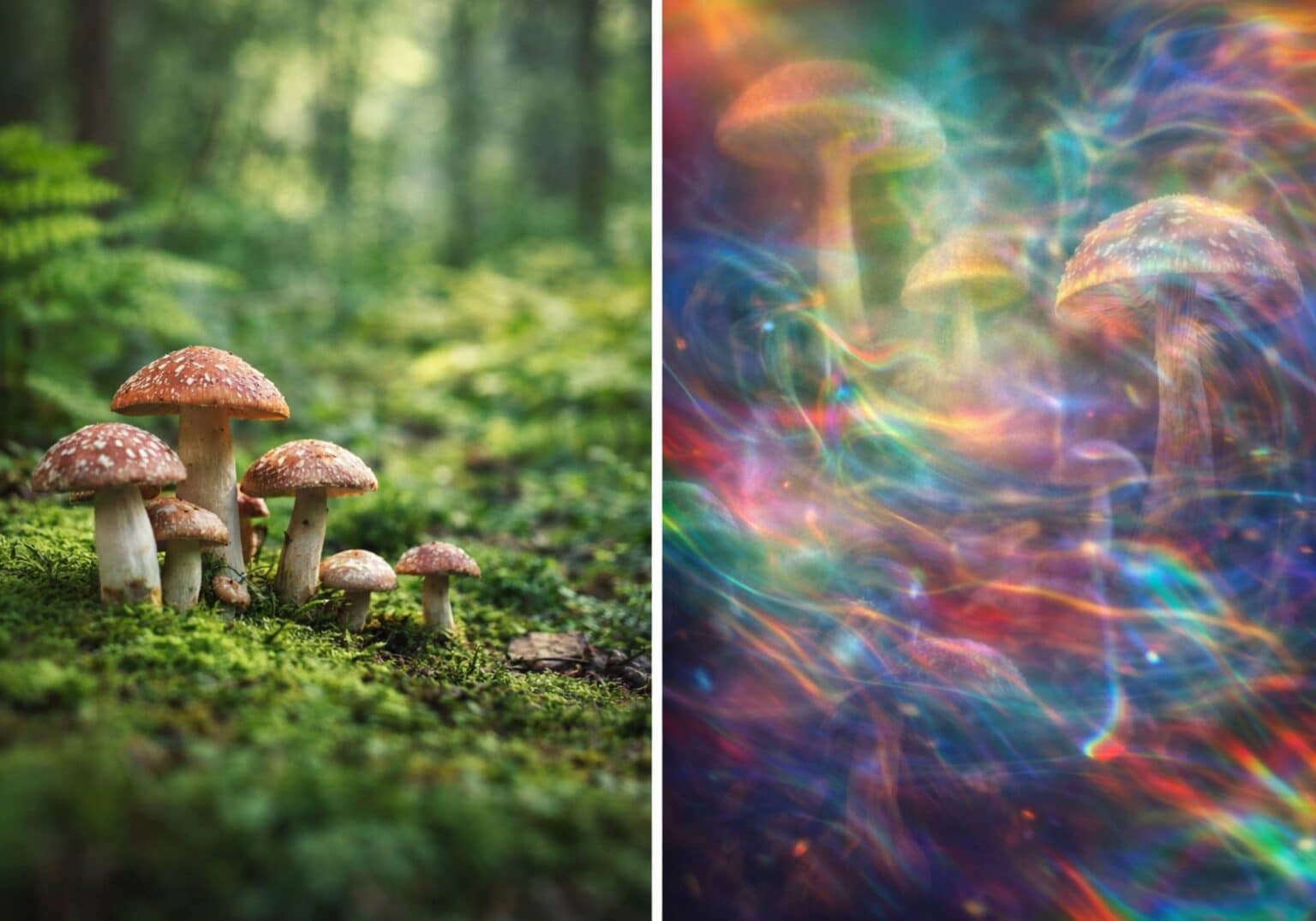
Changes in Perception
- Brighter, more saturated colors
- Visual distortions (patterns moving, objects “breathing,” trails)
- Altered sense of time (minutes feel like hours or vice versa)
- Sensations of blending of senses (for example, “seeing” sounds or “hearing” colors)
Emotional Shifts
- Feelings of deep peace, connection, or openness
- Heightened appreciation for music or nature
- Intense emotions that change quickly (euphoria to fear, laughter to tears)
- A sense of insight or new perspective on life, relationships, or past experiences
Physical Sensations
- Dilated pupils
- Increased heart rate and changes in blood pressure
- Changes in body temperature, sweating, or chills
- Nausea, particularly during the come-up
- Feeling heavy, light, or disconnected from the body
Changes in Thinking
- Racing thoughts or unusual connections between ideas
- Feeling like your usual sense of “self” has softened or dissolved
- Spiritual or mystical experiences
- Confusion, difficulty following conversations, or losing your train of thought
These effects can feel pleasant, overwhelming, or frightening. The same sensations that feel “mind-opening” to one person can feel like losing control to another.
If you’re more curious about timing than feelings, our dedicated guide on when shrooms kick in explains how long it typically takes to feel effects, and how long a psilocybin trip usually lasts.
Shrooms Trip Timeline: From Come-Up to Afterglow
Everyone’s experience is different, but a typical trip might follow this general pattern:
Come-Up (20–60+ minutes)
- First physical sensations (nausea, tingling, warmth, restlessness)
- Colors seem brighter, music feels deeper
- Emotions may intensify quickly, in both positive and negative directions
Peak (2–4+ hours)
- Strong visual effects and deep changes in thinking and perception
- Intense emotional experiences, spiritual or “out-of-body” feelings
- Time can feel very distorted or meaningless
Come-Down (2–4 hours)
- Visuals gradually fade
- Emotions may feel raw, tired, or reflective
- Some people feel peaceful; others may feel mentally exhausted or unsettled
Afterglow (hours to days)
- Some people report feeling lighter, calmer, or more connected after a trip
- Others may feel anxious, “off,” or overwhelmed trying to process what happened
Because the experience can be unpredictable, it’s important to recognize that not every trip is pleasant. For many people, a “bad trip” is their first wake-up call that mushrooms are more serious than they expected. You can learn more about what a difficult experience can look like in our guide to shrooms bad trips and how to help.
Positive Effects People Sometimes Report
For some, shrooms can temporarily create experiences such as:
- A profound sense of connection to nature or other people
- A feeling of “ego dissolution” or seeing life from a broader perspective
- Emotional breakthroughs, like finally crying about something they’ve held in
- A shift in how they view certain patterns, relationships, or choices
It’s important not to romanticize these effects. Even when someone feels they gained insight from a trip, that doesn’t mean continued use is safe, legal, or healthy. Many people who start in search of “understanding” end up using shrooms more often than they planned, or mixing them with alcohol, cannabis, or other substances in ways that increase risk.
What Does a Shrooms Bad Trip Feel Like?
A “bad trip” generally means an experience marked by intense fear, emotional distress, or disturbing thoughts and visuals.
During a difficult trip, people may experience:
- Overwhelming anxiety, panic, or dread
- Paranoia (feeling watched, judged, or in danger)
- Terrifying visual distortions or nightmarish imagery
- Feeling trapped in frightening thought loops they can’t escape
- Fear they are “going crazy” or will never feel normal again
In extreme cases, a bad trip can lead to unsafe behavior, self-harm, or psychotic symptoms, especially in people with underlying mental health vulnerabilities or when other substances are involved. For a deeper breakdown and what you can do to support someone in that situation, visit our page on shrooms bad trips.
If you’re concerned about more severe medical complications, including mixing mushrooms with other substances, our guide on whether you can overdose on shrooms explains what to watch for and when to seek emergency help.
When Shroom Use Becomes a Problem
Even if mushrooms aren’t physically addictive in the same way opioids are, they can still become part of a harmful pattern.
Shroom use may be a concern if you or a loved one:
- Keep using them to escape emotions or numb out
- Need higher doses or more frequent trips to feel the same effect
- Use mushrooms along with alcohol, cannabis, or other drugs
- Notice worsening anxiety, depression, or paranoia between trips
- Feel disconnected from daily life, work, or relationships
- Have had one or more frightening or destabilizing trips but keep using anyway
If these signs resonate, our psilocybin addiction resource explains how repeated psychedelic use can impact your mental health, and how outpatient support at Hope Harbor Wellness can help you rebuild stability and safety.
Getting Help After a Shrooms Trip or Ongoing Use
If you’ve recently had a difficult trip, or you’re noticing mushrooms becoming a regular way to cope, you don’t have to go through it alone. At Hope Harbor Wellness, we support people who are struggling with substance use and co-occurring mental health issues like anxiety, depression, and trauma.
Our outpatient programs can include:
- Individual counseling to process experiences and triggers
- Group therapy and support from others navigating substance use and recovery
- Education on substance risks, mental health, and healthier coping skills
- Dual diagnosis support if you’re living with both mental health and substance use concerns
If you’re ready to talk about what you’re going through, call us at 770-573-9546 or fill out our online contact form. You deserve to feel safe, grounded, and supported again.
FAQs: What Does a Shrooms Trip Feel Like?
How long does a shrooms trip usually last?
A typical psilocybin trip lasts around 4–6 hours, though some people experience lingering effects for 8 hours or longer. Factors like dose, type of mushroom, body chemistry, and whether you’ve eaten can all influence how long it lasts.
Is a shrooms trip always the same each time?
No. Even with similar doses, trips can feel very different. Your mindset, environment, mental health, and what else you’ve taken play a big role in shaping the experience. That’s part of what makes shrooms so unpredictable.
Can a shrooms trip permanently change my brain?
Most people return to their usual state after a trip, but some may experience longer-lasting anxiety, mood changes, or difficulties processing the experience, especially after a bad trip or repeated use. If you notice ongoing changes in how you feel or function, it’s important to talk with a mental health professional.
What’s the difference between a good trip and a bad trip?
People often describe a “good trip” as feeling connected, peaceful, curious, or inspired, while a “bad trip” can feel terrifying, overwhelming, or confusing. The same person can experience both at different times. You can learn more in our guide on shrooms bad trips.
Can you overdose on shrooms?
While psilocybin overdoses are different from opioid or alcohol overdoses, taking large amounts, using very strong mushrooms, or mixing shrooms with other substances can lead to severe psychological distress, dangerous behavior, or medical emergencies. Our page on whether you can overdose on shrooms explains these risks in more detail.
Are shrooms addictive?
Shrooms don’t create the same kind of physical dependence as substances like opioids or benzodiazepines, but some people can develop a harmful pattern of repeated use, especially when they are using mushrooms to escape or self-medicate. Our resource on psilocybin addiction discusses signs that it may be time to seek help.
When should I seek help after using shrooms?
You should seek help if you experience ongoing anxiety, depression, paranoia, flashbacks, difficulty functioning in daily life, or if you find yourself using shrooms repeatedly to cope. If you or someone you love is in immediate danger or having thoughts of self-harm, call 911 or your local emergency number right away.
Related Resources
- When Do Shrooms Kick In? Timing by dose, form (tea, chocolate, dried), and individual factors.
- Shrooms Bad Trip: What It Feels Like & How to Help How to recognize a bad trip and what helps in the moment.
- Can You Overdose on Shrooms? Understanding safety risks and red flags that require urgent care.
- Psilocybin Addiction Signs that repeated use may be becoming a bigger issue.