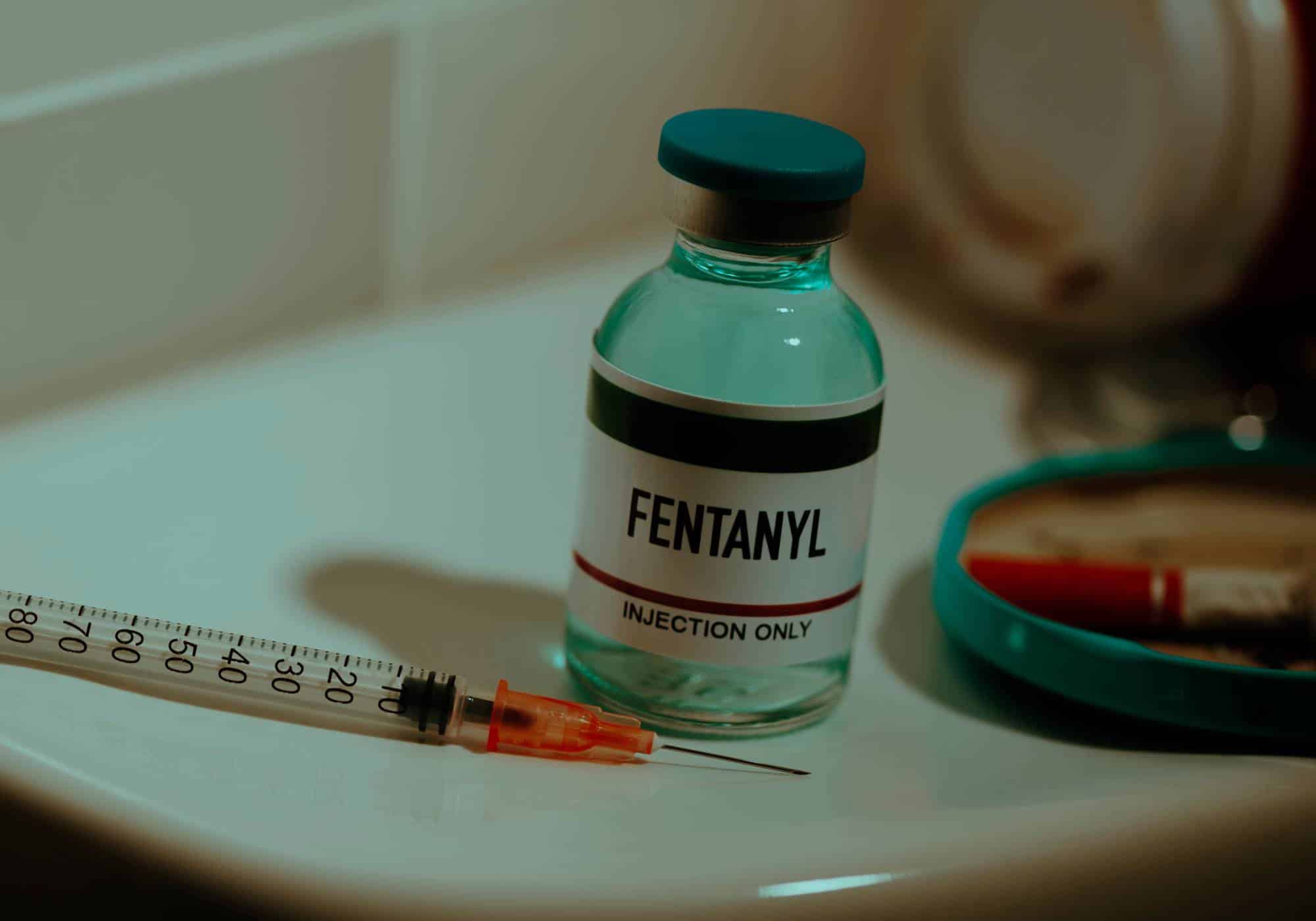


What Is Versed?
Versed is a brand-name prescription often known by its generic name, midazolam. It’s a benzodiazepine commonly used for sedation before procedures, as a short-term anesthesia option, and sometimes to help with severe sleep disturbances or intense agitation. Often, healthcare providers use Versed drug sedation because it helps people feel relaxed and less anxious. It also causes temporary memory impairment, meaning you likely won’t remember much from the procedure once it’s over.
You might see different forms of this medication. It could be administered intravenously, injected straight into a muscle, or offered as a nasal spray or cheek spray. The option your doctor chooses often hinges on your overall health and how quickly you need the sedation to work. Usually, the effects kick in fast. Depending on the administration route, they can start within a few minutes. These effects might last anywhere from an hour to about six hours. One of the most common side effects is feeling sleepy. Other side effects include low blood pressure and decreased breathing rate.
It’s important to know that while this drug can be beneficial, it does have risks. Even though it appears on the World Health Organization’s List of Essential Medicines because of its effectiveness and widespread use in healthcare, Versed (midazolam) remains a controlled substance under U.S. law. In America, it’s a Schedule IV medication. That means it’s recognized for medical use but also has the potential for misuse and dependence.
If you or a loved one is dealing with mental health issues or substance abuse, and you’ve come across Versed in the context of “versed drug sedation” or sedation medication, it’s a good idea to learn more about its properties, including the half life of Versed, so you can stay safe and informed.
Versed Abuse
All benzodiazepines, including Versed, have a risk for misuse, addiction, and dependence, even though they’re prescribed widely for legitimate purposes such as anxiety relief, seizure control, and sleep problems. Doctors commonly give benzos for short timeframes, typically because of their strong effects on the central nervous system (CNS). These medications increase GABA activity in the brain. GABA is a neurotransmitter that calms nerve activity, helping people feel more relaxed. In higher doses, some may feel euphoric or experience a pleasant sense of well-being, which can become problematic if someone starts seeking that sensation regularly.
Versed abuse happens whenever the drug is used outside of medical instructions. People might take it without a prescription, use it recreationally, or continue using it for more extended periods or at higher doses than advised. Though abusing Versed doesn’t always guarantee you’ll develop an addiction, it increases that risk significantly.
Benzodiazepine misuse occurs for various reasons, often tied to the relief or relaxation these drugs can produce. In an attempt to maintain or intensify that feeling, some people escalate their dosage or frequency. If you see these patterns in yourself or someone close to you, it might be time to reevaluate how this drug is being used.
Signs of Versed Abuse
Recognizing Versed abuse isn’t always straightforward. On the surface, it’s easy to mistake common side effects—like grogginess or mild confusion—for something else.
Even so, there are a few red flags that might indicate abuse:
- Using Versed without a prescription
- Taking larger doses than prescribed or for longer than advised
- Combining Versed with other substances (like alcohol or opioids)
- Seeking repeated refills from different doctors
Because Versed is often used to promote sedation and reduce anxiety, someone who abuses it could become increasingly withdrawn. Slurred speech, drowsiness, memory gaps, and slowed breathing may show up in varying degrees. If you notice a friend or family member engaging in risky or secretive behaviors to obtain Versed, it’s crucial to see that as a red flag for possible addiction down the line.
When misused, Versed can alter normal brain function. This alteration might make someone more dependent. Over time, they might need the drug just to feel normal. Following prescription instructions carefully can be a big help in preventing abuse. If you notice any of these warning signs, consider seeking professional advice, especially if there’s a history of substance misuse.
Versed Addiction
Versed (midazolam) addiction can happen because, like other benzodiazepines, it changes the way your brain’s neural pathways operate. By boosting GABA’s calming influence, your brain may adapt, potentially making it harder to function or feel normal without the drug. This can escalate into an addiction where someone needs Versed just to get through the day without experiencing unpleasant withdrawal symptoms.
Dependence occurs quickly, sometimes in just a few weeks. Addiction is the next stage, characterized by a strong urge or craving for Versed and the inability to cut back or stop, even if misusing it causes obvious problems. It’s possible you or someone you know started taking Versed in a supervised medical setting—maybe for sedation or conscious sedation prior to a medical procedure—and didn’t think of it as a potential addiction risk. But once people grow accustomed to its effects, they may seek it out in harmful ways.
Untreated Versed addiction can negatively impact nearly every part of life. Financial troubles, family strain, and even legal issues become more likely when a benzodiazepine addiction is left unchecked. There’s also a higher chance of combining Versed with other substances (like alcohol or opioids), which can greatly raise overdose risk. If you suspect Versed addiction, consider reaching out to professional resources right away. At Hope Harbor Wellness we are available to discuss outpatient drug treatment in Atlanta that can address benzodiazepine use disorders, contact us today at 770-573-9546 or via online form.
Signs of Versed Addiction
When we talk about addiction, we’re referring to a complex brain disorder that might not be easy to spot. When someone is dependent on a prescription medication, they may justify their behavior by pointing out that it’s a prescribed drug rather than a street substance. Yet addiction can still build up behind the scenes and become just as destructive.
Some signs of a developing Versed addiction include:
- Cravings: A strong, persistent desire to take Versed, regardless of the circumstances.
- Compulsive use: Repetitive behaviors around obtaining and using Versed, even if it means lying or doctor-shopping.
- Loss of control: Difficulty stopping or scaling back even when intending to do so.
- Tolerance: Needing more Versed to reach the same level of sedation or anxiety relief you once got with smaller doses.
- Withdrawal avoidance: Feeling you must take Versed to ward off severe withdrawal symptoms like shaking, nausea, or anxiety spikes.
Polysubstance misuse is common in benzodiazepine addiction. The tranquilizing effects of Versed sometimes lead users to combine it with other drugs or alcohol to intensify sedation. This can set the stage for dangerous health crises, including respiratory depression or overdose. Meanwhile, mental health disorders (like chronic anxiety or depression) can exacerbate these issues.
Anyone, from any background, can develop an addiction if these patterns continue unchecked. Recognizing the signs early is crucial. If you notice them in yourself or a loved one, professional help is available at Hope Harbor Wellness. Contact us today at 770-573-9546 or via online form.

How Addictive Is Midazolam?
Midazolam (Versed) is considered quite addictive. The Food and Drug Administration (FDA) underscores that benzodiazepine products like midazolam should carry clear warnings about addiction risks in their prescribing material. Physicians generally only prescribe midazolam for short durations or controlled settings, like surgical procedures, to minimize the chance of dependence.
One reason midazolam addiction can develop so fast is that it starts working almost immediately when administered. With intravenous or nasal spray forms, that instant relief from anxiety is particularly reinforcing. Over time, your body craves that sense of calm. Repeated exposure can prompt you to rely on the drug just to function normally.
How Common Is Versed Addiction?
Research and surveys suggest that midazolam (Versed) addiction is more common than many realize.
Studies have found:
- In regions where midazolam injections are available, use may spike rapidly in a short time.
- Polysubstance users might incorporate midazolam alongside opioids, alcohol, or stimulants like methamphetamines.
- A significant percentage of people who use injectable drugs report using midazolam every day for extended periods.
- There’s also high misuse among individuals who start using it for legitimate medical purposes—sometimes for sedation, sometimes for sleep—only to become dependent later.
The Substance Abuse and Mental Health Services Administration (SAMHSA) reported millions of Americans misusing prescription benzodiazepines in a given year, which includes medications like Versed. This data underscores the importance of taking these prescriptions seriously and staying vigilant about proper use, especially if you have a personal or family history of substance misuse.
What Are the Causes of Midazolam Addiction?
Midazolam addiction doesn’t happen out of nowhere.
It’s often a blend of multiple influences:
-
Prescription Dosage and Duration: Taking higher doses or using midazolam for longer than prescribed can drive the body to adapt. Once adapted, you might not feel normal without it, leading to increased tolerance and, eventually, addiction.
-
Genetic Factors: Some individuals are genetically predisposed to metabolize benzodiazepines in a way that escalates their addiction potential. Studies in mice hint that the same genes can fuel vulnerability to multiple substances, midazolam included.
-
Psychological Factors: Anxiety, depression, or other mental health issues might make the sedative and anti-anxiety qualities of Versed particularly appealing. Self-medicating to cope with emotional pain can propel someone toward misuse and dependence.
-
Environmental Factors: If midazolam is easy to get—through friends, family, or insufficiently monitored prescriptions—abuse becomes more likely. Additionally, some environments normalize or even encourage recreational drug use, fueling the problem.
-
Tolerance Development: After a short time, the body gets used to midazolam’s calming effects, so higher doses become necessary to feel the same relief. This rising dosage fosters a dangerous cycle of continual use and an increased risk of addiction.
-
Self-Medication: When someone tries to manage stress, insomnia, or anxiety independently with Versed, it can quickly spiral into overuse. Without a doctor’s guidance, the line between therapeutic use and misuse can become blurred.
-
Avoiding Withdrawal: People often keep using midazolam because withdrawal symptoms can be intense. They might fear the discomfort of detox, so they continue using the drug to stave off withdrawal.
Putting these factors together shows why some people are more vulnerable to benzodiazepine addiction. It’s not just one thing—life circumstances, biology, and mental health challenges can all intertwine. Recognizing any of these contributing factors early on can be a huge help in stopping addiction before it gets worse.
What Are the Symptoms of Versed Addiction?
The symptoms of Versed addiction, also referred to as midazolam addiction, can vary. Physically, people might seem drowsy or even confused, while psychologically, they could experience intense cravings or mood swings.
A few key symptoms to watch for include:
- Intense cravings: A near-constant urge to use Versed, especially in stressful situations.
- Drowsiness: Ongoing sedation that goes beyond typical “sleepiness,” interfering with day-to-day responsibilities.
- Memory problems: Interruptions in short-term memory. In particular, forming new memories can become more difficult.
- Aggression: Some experience paradoxical effects, where instead of sedation, they become irritable or even hostile.
- Headaches: Rebound headaches can occur, prompting continued use to avoid pain.
If you’re noticing these red flags, it’s an indicator you might need professional support. Versed addiction can escalate quickly, and self-managing withdrawal is usually not safe. Because midazolam’s half life is relatively short, the body feels its absence fast once it wears off, raising the possibility of severe withdrawal symptoms if you abruptly stop.
When Do Midazolam Addiction Symptoms Usually Occur?
These addiction symptoms typically start showing up after around four weeks of continued use, but it can vary from person to person. Some might experience them sooner, especially if taking higher doses. If you’ve been prescribed midazolam for a surgical procedure or short-term sedation, and you find yourself continuing to use it outside that context—or taking it more often than needed—those behavioral changes could signal the beginnings of a dependency.
Many doctors try to limit midazolam use for a few days to a couple of weeks specifically to prevent tolerance and dependence from taking hold. If you ever feel you’re slipping into a habit with Versed or if concerns about sedation, anxiety, or withdrawal creep in, reach out to a healthcare professional. It’s always better to address these issues early.
What Are the Effects of Midazolam Addiction?
Midazolam addiction can lead to a wide range of complications.
Here’s a snapshot of some possible effects:
-
Sleep Problems: Ironically, while midazolam may initially help with sedation, over time it can disrupt your natural sleep cycle. Vivid or unsettling dreams can occur, and you might struggle to sleep without taking it.
-
Constant Tiredness: Long-term overuse of Versed can leave you feeling mentally and physically drained, making simple tasks feel huge.
-
Anxiety and Depression: As addiction takes hold, your mental health can deteriorate. You might feel waves of anxiety or deep sadness, especially if you try to cut back on your usage.
-
Cognitive Impairment: Benzodiazepines like Versed can cloud your memory, attention span, and other cognitive abilities. Over the long run, this might show up as difficulty focusing or recalling daily events.
-
Relationship Strain: The more time and energy you devote to obtaining and using Versed, the more your personal relationships might suffer. Loved ones could become concerned or frustrated by changes in your behavior or mood.
These varied effects highlight why it’s so important to take Versed only as directed. In many instances, individuals who become addicted find it started quite innocently—like a prescription to manage a rough patch of anxiety or help with sedation before a medical procedure. But once dependence is established, reversing that path alone can be very challenging.
How Long Does Versed Stay in Your System?
Midazolam is characterized as a short-acting benzodiazepine, which separates it from other benzos with longer half-lives. Specifically, the half life of versed (how long it takes for half of the drug to leave your body) generally ranges from 1.5 to 2.5 hours. For most people, your body will eliminate a standard dose in about a day. Kids and older adults may take a bit longer to clear it completely.
When given intravenously, Versed often starts working in as little as five minutes, and you might feel its effects for a few hours after that. Some people experience temporary amnesia, which can linger anywhere from 20 minutes to an hour, depending on dosage.
If you’re asking yourself, “How long does Versed midazolam remain detectable in a drug test?” the answer is that it’s typically a short window—roughly half a day to two days in urine tests. Keep in mind that interactions with other drugs or underlying medical conditions can alter how long it remains in your system.
If you find that you’re relying on Versed or any other sedative medication in ways that feel unhealthy, you’re not alone. Consider contacting Hope Harbor Wellness in Atlanta, GA at 770-573-9546 or via online form to talk about safe, effective strategies for managing sedation, anxiety, or addiction.
Versed Withdrawal
Quitting benzodiazepines cold turkey often leads to strong withdrawal symptoms. Because Versed is short-acting, those withdrawal symptoms can start quickly and may intensify fast.
Versed withdrawal symptoms might include:
- Trouble sleeping
- Irritability and mood swings
- Spikes in anxiety or full-blown panic attacks
- Tremors or shaking
- Cognitive confusion or memory problems
- Nausea, vomiting, and appetite loss
- Muscle pain and tension
- Headaches
In the most severe cases, benzodiazepine withdrawal can cause seizures, hallucinations, or even psychosis. Statistics show that about a third of people who take benzos like Versed for over four weeks develop dependence. Because of the potential for intense withdrawal, medical supervision is often recommended. When you go through a medical detox program, doctors can create a tapering schedule. This means lowering your dose gradually to reduce shock to your system.
With Versed specifically, people can develop tolerance in just a few days of intravenous or nasal spray use. If you started Versed for an immediate need like sedation or a procedure, and you’ve used it more frequently or at higher doses, you might have trouble stopping without medical help.

Versed Overdose
It’s rare to overdose on a benzodiazepine alone, but Versed’s rapid onset and potency make it riskier in some cases. People who build tolerance might take more than they should, trying to reach the initial effects they felt when they first started using it. This increased dosage can lead to overdose. Older individuals or people with respiratory problems like obstructive pulmonary disease face an even higher risk.
Possible overdose indicators:
- Extreme drowsiness or inability to wake up
- Slow or shallow breathing
- Low blood pressure (hypotension)
- Slurred speech and impaired coordination
- Going into respiratory arrest
A common factor in Versed overdoses is mixing it with other substances, especially other CNS depressants like opioids or alcohol. Polydrug abuse can raise overdose odds substantially. Even something as seemingly harmless as grapefruit juice can slow down the metabolism of Versed, allowing the drug to accumulate to potentially dangerous levels.
If someone shows signs of overdose, it’s critical to call emergency services right away. Healthcare professionals might administer flumazenil, a benzodiazepine antidote, though its use can be risky. Immediate help can prevent permanent harm, coma, or death.
Versed Detox
Because Versed (midazolam) can cause severe withdrawal symptoms, detox is best done under medical supervision. If you suddenly stop using midazolam after your body has become dependent on it, you risk intense anxiety, panic attacks, or seizures.
In a professional detox setting:
- Tapering schedules are created. Doctors reduce the dosage gradually, giving your brain time to adapt.
- Medications might be provided to manage withdrawal symptoms.
- Monitoring ensures any complications—such as seizures—are promptly addressed.
The timeline for detox depends on how long you’ve been using Versed, the dose you normally take, and whether you’ve also been using other substances. Some individuals undergo detox in a hospital or residential program, while others might use outpatient resources if their addiction is less severe.
Regardless of your specific approach, a supervised environment ensures safety during withdrawal. Benzodiazepine detox can take anywhere from a few days to several weeks. If you’re dealing with complex medical issues or multiple addictions, you may need more time. The important thing is that you’re not facing the process alone.
Versed Addiction Treatment
Over the past decade, more and more people have entered treatment for prescription drug misuse, including benzodiazepines like Versed. Rehab can take place in various formats, including inpatient, partial hospitalization, or outpatient drug treatment in Atlanta, depending on the severity of someone’s substance use disorder.
Here’s what you can expect:
-
Medical Assessment: Clinicians typically start by reviewing your physical and mental health. This process helps them design a treatment plan that accounts for co-occurring disorders like depression or anxiety.
-
Detox: If you’re physically dependent, you might go through a monitored detox where professionals help you taper safely off Versed and manage withdrawal.
-
Therapy and Counseling: The heart of most treatment programs is therapy. Cognitive Behavioral Therapy (CBT), Dialectical Behavior Therapy (DBT), and group counseling can help you understand why addiction took hold and how you can cope going forward.
- Individual Therapy: Lets you dive deeper into personal triggers.
- Group Therapy: Offers peer support and shared experiences.
- Family Counseling: Helps repair trust, improve communication, and build a stable support system at home.
-
Medication Management: Although there isn’t a universal medication to cure benzodiazepine addiction, certain prescriptions might help reduce anxiety or insomnia, making it easier to stay on track.
-
Relapse Prevention: Recovery is a lifelong process. Treatment programs often teach crucial life skills—like stress management and healthy coping strategies—to help you avoid future slip-ups.
-
Aftercare Planning: Post-treatment, many individuals find additional support through sober living homes, 12-step meetings, or ongoing outpatient therapy. Having a relapse prevention plan can make a big difference in maintaining sobriety.
Rehab is about more than simply stopping drug use. It’s about learning strategies to deal with challenges and improve your emotional well-being. Because Versed often co-occurs with the use of other substances, a comprehensive plan should address any other dependencies. For instance, if you’re simultaneously using opioids or alcohol, your program should include appropriate treatments for those as well.
At Hope Harbor Wellness in Atlanta, GA, we understand how overwhelming addiction can feel, but we also believe in hope and healing. Our team knows how crucial it is to treat every aspect of substance misuse, from physical dependence to mental health. We’re here to help guide you or your loved one toward a life free from the grip of Versed addiction.
Versed (midazolam) can be a valuable medication when used appropriately, offering sedation for medical procedures and short-term anxiety relief. But it’s also a benzodiazepine with a notable risk of misuse, dependence, and addiction. If misused, it can jeopardize your relationships, finances, and overall well-being.
Whether you’re reading this for yourself or to help a friend or family member, know that Versed addiction isn’t a dead end. Plenty of people break free from prescription drug misuse through professional treatment programs and consistent support. If you feel lost or fearful, consider reaching out to a trusted provider like Hope Harbor Wellness in Atlanta, GA at 770-573-9546 or via online form to learn about tailored options for recovery, including outpatient drug treatment in Atlanta.
You’re not in this alone. In fact, addressing substance abuse head-on is one of the most empowering things you can do for yourself and the people who care about you. Remember: every day without Versed or any other misused drug is an opportunity to reclaim your life.