

For many people, marijuana’s high fades quickly, but the compound itself can remain in the body for weeks—or even months—after use. This is especially true of edibles, which take a different path through the body than inhaled forms of weed. Depending on factors like the dose, a person’s metabolism, and the part of the body being tested, edibles can linger anywhere from a few hours to as long as 90 days. But how long do edibles stay in your system compared to other forms of cannabis use, and why?
Below, we’ll explore the basics of edible cannabis products, how they work, and what you should know about their side effects. We’ll also address the risks that come with THC use, including potential legal issues and ways to get help if you’re struggling with addiction. At Hope Harbor Wellness in Atlanta, GA, we offer outpatient addiction treatment in Atlanta that supports people who want to break free from substance misuse.
What Are Edibles?
Edibles are food or drink items infused with marijuana (or THC), the psychoactive ingredient in cannabis.
These products come in many forms, including:
- Brownies and Other Baked Goods
- Gummies and Candies
- Chocolates
- Beverages
- Lozenges (like cough drops)
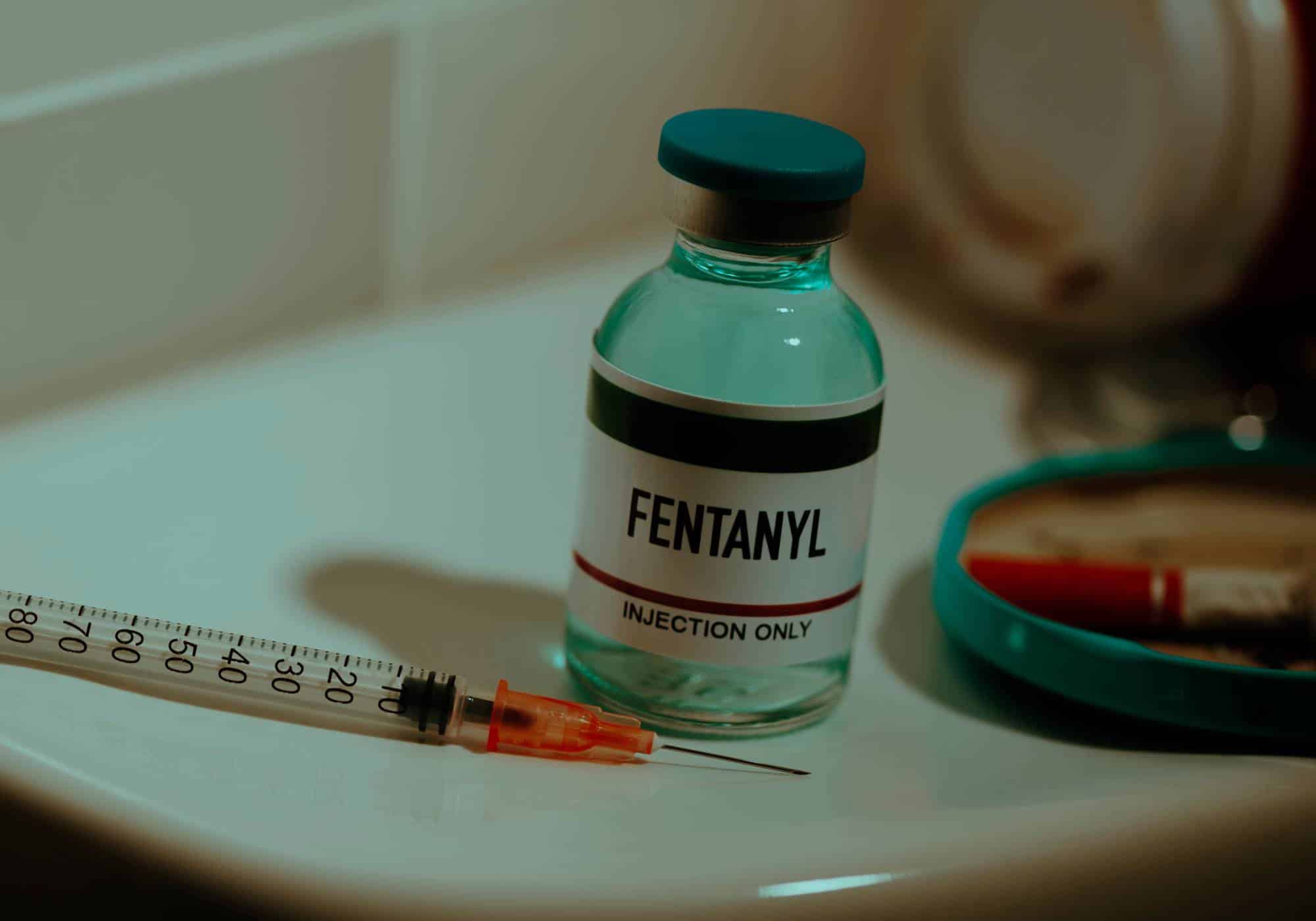
Edibles might be crafted in commercial kitchens or prepared at home. In homemade versions, THC is extracted into oil or butter for easier mixing into recipes. While many people traditionally smoke weed, eating cannabis-laced foods has become increasingly popular. However, it’s important to note that users can’t always be sure what’s really in the edibles they consume. Sometimes these products are combined with more harmful drugs, such as fentanyl, raising the risk of dangerous side effects.

How Long Does It Take for Edibles to Kick In?
Unlike smoking weed—which delivers THC to your bloodstream almost immediately—edibles take longer to activate. How long does an edible last, and when do you start feeling it? Typically, the onset is anywhere from 30 minutes to two hours after consumption. This timing can vary widely. If a person feels little to no effect after waiting, they might take more, unwittingly increasing their risk of an overdose later.
Because you can’t be certain how much THC is in a single portion, it’s easy to overindulge. Mixing weed edibles with other substances, such as alcohol, can intensify the experience. Additionally, how long edibles last in bloodstream circulation differs from one person to another, and can be influenced by factors like body weight, metabolism, and whether you have food in your stomach.
Common side effects of marijuana edibles include:
- Drowsiness and sedation
- Relaxation or fatigue
- Nausea or vomiting
- Possible psychotic episodes
- Hallucinations or paranoia
- Anxiety
- Slowed breathing or other respiratory issues
- Changes in heart rate
- Difficulty thinking, problem-solving, or concentrating
- Impaired judgment
- Problems with motor skills
- Heightened appetite (“the munchies”)
- Red eyes
- Dry mouth
The immediate effects might last an hour or two, while some lingering feelings—like fatigue—can stretch into the following day. Even the strain of marijuana used can influence the experience. Cannabis with citrus-terpene profiles may energize a person, potentially worsening anxiety for some. Interestingly, research suggests that edibles might carry a higher risk of heart problems compared to smoked weed. One study found that 8% of emergency-room visits involving edibles had heart-related issues, compared to 3% for people who smoked marijuana.1
How Long Do Weed Edibles Stay In Your System?
Edibles pass through your digestive system first, which is different from inhaling weed smoke directly into your lungs. This ingestion route affects how the drug is processed and how long edibles stay in your system. After consumption, THC enters the liver, where the body converts delta-9 THC into 11-hydroxy THC. This variant is thought to be more potent than its inhaled counterpart.
Because of the added digestion step, there’s a delay—often up to two hours—before a person feels high. That’s why some users prefer smoking weed, as it’s faster acting. Certain edible types (like sweets that melt in your mouth) might hit a little earlier because they’re more quickly absorbed.
The half-life of weed typically ranges from three to 12 days, depending on the strain, quantity used, and how frequently you consume it. For those who smoke, THC levels can start dropping once the high wears off. But with edibles, it may take about a day for THC levels to begin decreasing. Overall, how long edibles last in your system depends on factors like dosage, frequency of use, and individual metabolism. In general, edibles can remain in your body from a few hours to up to 90 days.

Do Edibles Show Up in Drug Tests?
Yes. Edibles absolutely show up in many common drug screening methods, just like smoked or vaped forms of cannabis. In some cases, edibles stay in body longer because they’re metabolized differently. That can result in THC lingering in your system longer than it does for someone who only smokes weed. Below is a quick overview of typical detection windows:
- Blood: Edibles can be detected in blood for about 3 to 4 days.
- Saliva: They can be detected in saliva for 1 to 3 days.
- Urine: Depending on how much you consumed, THC from edibles can show up in urine anywhere from 3 to 30 days.
- Hair: Like most drugs, traces can stay in hair follicles for up to 90 days.
Are Edibles Illegal?
Edibles may or may not be legal, depending on your location. Some U.S. states allow marijuana for both medical and recreational use, while others ban it entirely. Even in places where weed is permitted, local authorities might restrict how edibles are produced, marketed, or sold due to the risk they pose to minors (since edibles often look and taste like regular snacks).
As legalization trends continue, laws regarding weed edibles are shifting. Some states adopt stricter guidelines—like limiting THC dosage per serving—to ensure user safety. Others might allow broader access. The bottom line: always check your local laws, because the rules on buying, selling, and using these products can differ dramatically from place to place.
Are Edibles Dangerous?
One of the biggest concerns about edibles is the risk of overdosing on THC. While it’s extremely rare to experience a fatal overdose solely from marijuana, taking too large a dose can lead to uncomfortable or frightening symptoms.
Some potential outcomes include:
- Severe anxiety and paranoia
- Elevated heart rate
- Hallucinations
- Temporary psychosis
These effects, while not generally lethal, can be alarming enough to require medical support. Unlike opioids or alcohol, marijuana doesn’t depress essential bodily functions to a life-threatening extent. Still, repeatedly consuming high doses can be dangerous and lead to long-lasting mental or emotional consequences.
What to Avoid While High on Edibles
The delayed onset and strong effects of edibles can catch people off guard.
Here are some key things to avoid if you’re under the influence:
-
Driving
Weed can impair your reaction time, coordination, and ability to focus. Operating a vehicle while high drastically boosts the odds of accidents. Wait until any noticeable effects disappear before you get behind the wheel. -
Operating Heavy Machinery
Using equipment like forklifts or power tools demands concentration. Being under the influence can raise the chance of accidents or injuries to yourself and others. -
Making Important Decisions
Whether it’s signing contracts or making serious commitments, it’s easy to regret choices you make while high. Save big decisions for when you’re clear-headed. -
Going to Work or School
Edibles can last a long time. If you’re expected to perform at school or in a professional setting, you may find it hard to focus, recall details, or communicate effectively. This can lead to performance issues. -
Mixing with Other Substances
Combining marijuana with alcohol or other drugs can magnify side effects, upping the likelihood of overdose or negative reactions. Take caution and aim for moderation.
What Happens if You Get Caught With Edibles Illegally?
Consequences of possessing illegal edibles hinge on where you are. Some places treat THC-containing products as a minor offense, punishable by fines or community service—similar to standard marijuana possession. In other, stricter areas, you might face felony charges. Elements that can worsen penalties include how many edibles you’re carrying, whether you intended to distribute them, and if you have prior criminal records.
Moreover, legal attitudes vary even within the same state or region, and law enforcement might focus more on individuals manufacturing or selling edibles in large quantities. A local attorney can offer guidance about potential outcomes in your specific area.

Are Edibles Addictive?
Despite many myths, people can become psychologically dependent on marijuana. When someone continues to use weed despite negative effects in their personal, social, or professional life, that’s a red flag.
Several factors can influence addiction risks:
- Neurobiology: THC acts on the brain’s reward system by releasing dopamine. Over time, this might lead to entrenched patterns of seeking that “high.”
- Genetics: Some people have a genetic predisposition that makes them more susceptible to addiction.
- Environment: Stressful events, history of trauma, and peer pressure can increase the likelihood of misusing marijuana.
- Co-Occurring Mental Health Issues: People dealing with depression or anxiety might use THC to self-medicate, which can escalate into dependency.
If you find yourself unable to stop using marijuana or constantly craving it, consider seeking professional treatment. Behavioral therapies, counseling, and support groups may offer valuable strategies for dealing with emotional triggers and fortifying healthy habits.
More About Drug Tests and Detection
Understanding how long edibles stays in your system is only one piece of the picture. If you’d like a deeper breakdown of how urine, blood, saliva, and hair tests actually work, you can read our guide on how drug tests work. For a broader overview of different substances and timelines, visit how long drugs stay in your system.
Finding Marijuana Addiction Treatment in Atlanta, GA
Even though marijuana often carries a reputation for being “mild,” it still has the potential to disrupt your life. Overuse may trigger respiratory problems, lapses in memory, slurred speech, and anxiety. Some cannabis products even contain hidden substances like fentanyl, leading to more severe complications. While it’s true that marijuana addiction is different from dependencies on drugs like cocaine or meth, it’s entirely possible to develop both physical and emotional reliance on THC.
When someone struggles with pot use, they might also experiment with other substances, setting up a cycle of repeated abuse. This cycle can damage relationships, disrupt school or job performance, and drain a person’s overall well-being.
If you or a loved one is battling drug or alcohol misuse, Hope Harbor Wellness in Atlanta, GA, can help you take steps toward recovery. We offer outpatient drug rehab in Atlanta that addresses substance dependence and co-occurring mental health disorders. By combining evidence-based therapies, medical monitoring, and compassionate support, our team strives to guide individuals back to a healthier path.
Recovery from addiction is possible, no matter how deep the habit runs. Recognizing the struggle is the first step toward healing. If you’re ready for that change, reach out to Hope Harbor Wellness at 770-573-9546 or via online form. Our goal is to empower you with the coping tools and renewed sense of purpose needed to reclaim your life.