
Heroin is a powerful opioid known for its high risk of misuse and overdose. Although many people associate heroin use with injections, snorting heroin (or heroin snort) is also a common method. This approach involves inhaling heroin through the nose, whether in powder form or dissolved in water and placed in a spray bottle. Some view heroin snorting as less extreme or dangerous than injecting, but that isn’t necessarily true. Snorting heroin comes with its own hazards, such as severe damage to nasal passages, a heightened risk of infections, and significant potential for addiction.
Below, we delve into why people snort heroin, how this method compares to injection, and what happens to your body and brain when you snort the drug. We’ll also talk about the warning signs that someone is snorting heroin, the risk of overdose, and treatment options, including outpatient drug rehab in Atlanta, GA.
Heroin use can become life-threatening quickly — same-day help is available.
Hope Harbor Wellness provides opioid addiction treatment, medication-assisted treatment, and outpatient drug detox for adults 18+ with commercial insurance.
Why Do People Snort Heroin?
Heroin can be injected, smoked, or snorted. Snorting is often seen as a “gateway” method—people trying heroin for the first time may choose to snort heroin because they find it less intimidating or stigmatizing than using needles. They might believe that snorting reduces the risk of addiction, though this is a misconception. No matter how you use heroin, it remains highly addictive and dangerous.
Over time, people who start with heroin snorting may switch to injection. Snorting doesn’t give the same intensity or speed of high as injecting, so individuals chasing a stronger effect might eventually move to needles. Still, snorting heroin poses major health risks. Even if the initial effects feel milder, addiction and severe side effects can develop quickly.
Snorting vs. Injecting Heroin
Snorting heroin often seems less threatening than injection. However, both methods can cause serious harm. When snorting heroin, you inhale it through your nose, which can rapidly deliver the drug into your bloodstream. Injection, on the other hand, involves dissolving heroin and injecting it into a vein or muscle. Injection may lead to collapsed veins, bacterial infections, and a higher risk of contracting hepatitis or HIV if needles are shared or reused. But that doesn’t make heroin snort use any safer. Heroin snorting can still lead to overdose and lasting damage to the nose and sinuses.
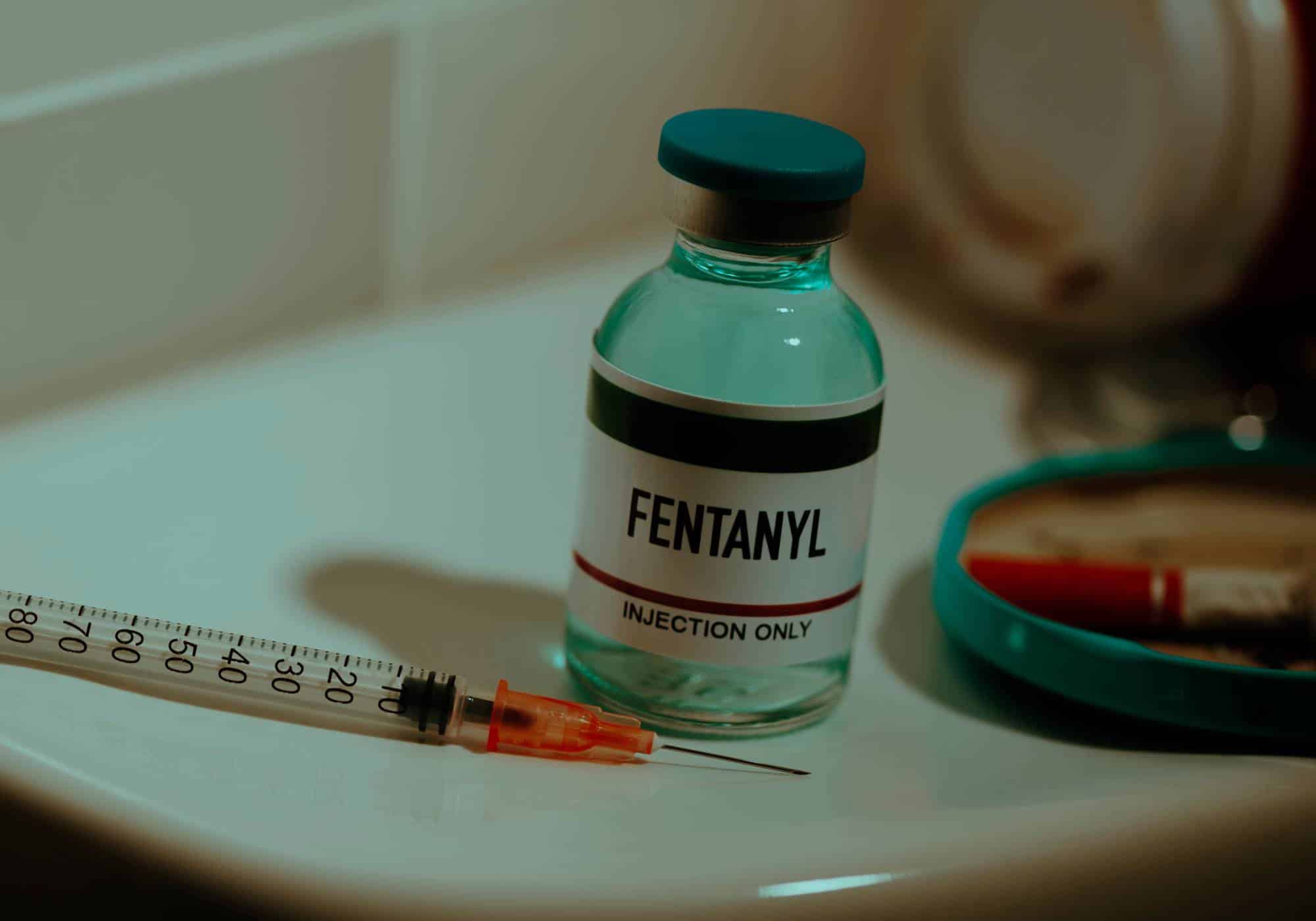
Street heroin is unregulated, which means it can be cut with additives or other drugs like fentanyl. This unknown potency can dramatically increase overdose risks, regardless of whether you snort or inject. Snorting heroin also brings potential lung issues, as particles might end up in your respiratory system. In short, each method has its own dangers.
How Snorting Heroin Affects the Body
When you snort heroin, the drug rapidly enters your bloodstream through the nasal membranes. From there, heroin is transformed into morphine, which attaches to opioid receptors throughout the body. These receptors block pain signals, produce euphoria, and greatly enhance the risk of addiction. The body’s reward pathway is hijacked, reinforcing repeated use.
Physical Consequences of Snorting Heroin
-
Nasal Damage
Snorting heroin causes direct irritation to your nose’s delicate lining. Over time, chronic inflammation or infection can lead to severe problems, including nosebleeds and even a perforated septum. -
Lung Issues
The inhaled particles can move into the lungs, possibly leading to respiratory infections like pneumonia or tuberculosis. If the immune system is compromised by drug use, the odds of such infections go up. -
Tolerance and Dependence
Because snorted heroin hits quickly, tolerance can build fast. Users need more heroin over time to feel the same effects, raising the risk of overdose and deepening physical dependency.
Psychological Consequences of Snorting Heroin
Heroin powerfully changes brain chemistry. Over time, repeated snorting of heroin can harm white matter in the brain, making it harder to regulate emotions or cope with stress. Users may become trapped in a cycle of drug-seeking, ignoring negative consequences. While heroin can create a temporary sense of euphoria, it often comes hand in hand with mental health challenges such as anxiety or depression. Misuse of heroin by snorting might also lead to switching to injection eventually, raising addiction risks. Believing snorting is “safer” can lead to misunderstanding the real dangers of heroin.

What Are the Effects of Snorting Heroin?
Snorting heroin yields both immediate and lingering effects.
Some of the most common short-term experiences include:
- A rush of euphoria: Users may feel a flood of pleasure.
- Skin flushing and itchiness: Many experience warm sensations or intense itching.
- Slowed breathing: Opioids depress respiratory function, which can be dangerous.
- Heavy limbs: Arms and legs can feel weighed down.
- Confusion: Cognitive processes might become muddled.
- Decreased heart rate: A potential precursor to overdose if breathing slows too much.
Though these side effects might sound mild in isolation, they can rapidly worsen, especially if someone uses heroin frequently or in large quantities.
Risks of Snorting Heroin
People who snort heroin sometimes rationalize it as a “cleaner” method than injecting.
Yet snorting doesn’t eliminate serious health risks:
- Unknown Potency: Illicit heroin is often mixed with fillers or potent drugs like fentanyl, making it easy to overdose.
- Damaged Nasal Tissues: Constant irritation can cause chronic nosebleeds, infections, or collapsed nasal passages.
- Respiratory Problems: Inhaling particles or additives can inflame or infect the lungs.
- Rapid Addiction: Heroin quickly hooks users by boosting dopamine in the brain’s reward center.
- Potential Disease Spread: Although less likely than injection, snorting with shared straws can sometimes still transmit infections.
Choosing snorting over injection doesn’t protect you from dependency or lethal overdose. All heroin use is extremely dangerous.
Dangers of Snorting Heroin
Snorting heroin can lead to severe short-term and long-term consequences.
Below are some specific dangers:
Short-Term Dangers
- Difficulty Breathing: Heroin suppresses your respiratory system, possibly causing acute breathing trouble.
- Nasal Problems: Frequent nosebleeds, inflamed nasal passages, or sinus infections can appear quickly.
- Lung Infection: Bacteria or viruses that enter the body through the nasal route can infect the lungs.
- Potential Disease Transmission: Using shared paraphernalia still introduces infection risks.
Long-Term Dangers
- Chronic Respiratory Damage: Constant exposure to heroin can impair lung function and lead to chronic conditions.
- Nasal Tissue Destruction: Repeated inflammation or infection can erode nasal cartilage, requiring surgery.
- Loss of Smell: Damaged nasal structures may permanently affect your sense of smell.
- Gastrointestinal Issues: Heroin can slow digestive processes and limit blood flow to the GI tract.
- Risk of Overdose: Tolerance often climbs, driving users to higher doses that can easily cause overdose.
Signs of Snorting Heroin
Certain behaviors or items can hint that someone might be snorting heroin:
- Frequent Nosebleeds: Unexplained or regular nosebleeds could be a warning sign.
- Chronic Runny Nose: Ongoing nasal drainage or congestion.
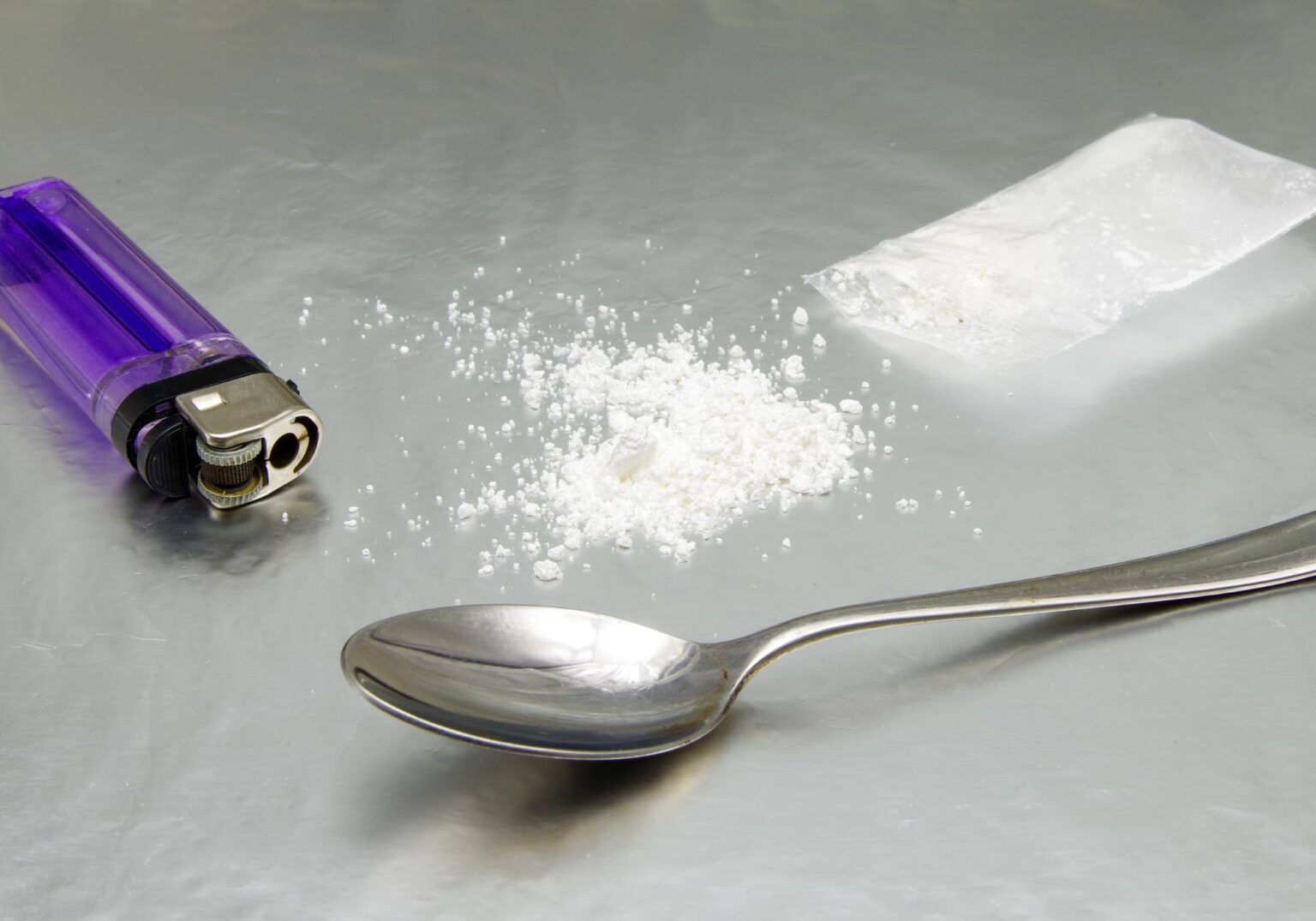
- Paraphernalia: Finding straws, rolled paper, or small containers with powder residue may indicate snort heroin use.
- Dollar Bills or Rolled Foil: These are sometimes used to inhale the substance.
- Irritated Nostrils: Redness or sores around the nose.
If you suspect a friend or family member is using heroin, these clues might confirm your suspicions. Talking to them about seeking outpatient drug rehab can be the first step toward recovery. Call Hope Harbor Wellness today at 770-573-9546 or via online form to start your heroin addiction treatment in Atlanta, GA.
Snorting Heroin Paraphernalia: What to Look For
If you notice leftover straws, cut-up plastic tubes, or strange powder on mirrors or tables, these may be signs that someone is inhaling heroin. Some people even liquefy black tar heroin and use a spray bottle. Also look for razor blades or small spoons used to arrange powder into lines. Recognizing this paraphernalia can help you catch potential heroin misuse early and encourage your loved one to consider professional help.
Heroin Overdose Risk
Snorting heroin can still lead to an overdose. Because heroin on the street is unpredictable, a single dose might contain much stronger batches than a user expects. Tolerance grows quickly, so people often chase bigger highs, ignoring the increased dangers.
Signs of a heroin overdose might include:
- Very slow, shallow breathing
- Pinpoint pupils
- Extreme disorientation or unconsciousness
- Bluish lips or fingernails
If you see these signs, call emergency services immediately. Overdose can be fatal or cause permanent brain damage.

Detoxing From Heroin
Regular snorting of heroin leads to tolerance and, eventually, dependence. Once the body adapts, quitting can trigger withdrawal symptoms that show up within six to eight hours after the last use.
These might include:
- Sweating
- Runny nose
- Mood swings
- Insomnia
- Vomiting
- Diarrhea
- Abdominal cramps
Though heroin withdrawal itself isn’t typically life-threatening, it’s uncomfortable enough to discourage many from quitting. Anxiety, depression, or suicidal thoughts can accompany withdrawal, making professional support crucial. Seeking specialized care can help people transition through detox more comfortably and safely.
Heroin addiction responds best when treatment starts quickly.
Hope Harbor Wellness provides opioid addiction treatment, MAT, outpatient drug detox, and step-down care through IOP.
Finding Treatment for Heroin Use Disorder in Atlanta, GA
Snorting heroin can consume every part of your life—physically, mentally, and financially. Taking that first step to let go of heroin can feel overwhelming, but rediscovering yourself opens you up to a brighter, more promising future. The key is finding a treatment program in Atlanta, GA, that aligns with your goals, values, and lifestyle, paving the way for a strong foundation in recovery.
If you or a loved one is struggling with snorting heroin, it’s not too late to seek help. At Hope Harbor Wellness in Atlanta, GA, our dedicated team supports you in breaking free from heroin addiction. Our program features medication-assisted approaches and personalized therapy, empowering you to overcome substance use without sacrificing your everyday responsibilities. We also offer convenient scheduling to make that first step less daunting. Take action today—call us at 770-573-9546 or via online form and learn more about our recovery options. Freeing yourself from heroin is possible, and we’re here to guide you to a healthier, more hopeful future.