

Life can get complicated when you or someone close to you struggles with substance abuse. One of the biggest obstacles is knowing what exactly is in the pills you encounter. You might be prescribed a medication, or you may see a pill at a friend’s place and wonder what it is. That’s where a pill identifier tool can help you out. In theory, it allows you to check a pill’s imprint, shape, and color, then confirm if it’s what you think it is. However, be mindful that drug dealers can also use these tools to make counterfeit pills look real. The best way to avoid trouble is to stay away from substances not prescribed for you. But if you decide to use a pill identifier to check something, keep reading to learn more about how pills often look.
A Pill Identifier and the Risks of Counterfeit Drugs
If you have an app or website that helps you identify pills, you might feel safer when you see a new pill. You can enter details like color, shape, and stamped text or numbers. The tool might confirm you have a legitimate Valium or OxyContin pill, for example. But there’s a catch. Drug dealers can use the same resources. They know that people trust specific stamps or colors, and they can produce pills that look legitimate but contain harmful or even deadly ingredients. So, the only guaranteed way to protect yourself from fake pills is not to take them at all unless they came directly from a pharmacist under a doctor’s order.
With that caution out of the way, let’s take a closer look at what certain commonly misused drugs look like. This info might help you spot red flags. But again, relying on visuals alone is never a foolproof safety measure.
Central Nervous System Depressants
Prescription drugs in this category slow brain activity. They’re often helpful for people dealing with anxiety disorders or insomnia because they promote relaxation or drowsiness. Unfortunately, these effects can also be misused by those chasing a mellow high.
Here are some well-known examples of central nervous system depressants, along with their typical dosages and appearances:
- Ambien
- Dosages: 5 mg, 10 mg
- Appearance: Oblong, orange pill stamped with “AMB” and the dose
- Halcion
- Dosage: 0.25 mg
- Appearance: Circular, blue pill stamped with “Halcion” and the strength
- Klonopin
- Dosages: 0.5 mg, 1 mg, 2 mg
- Appearance: Orange, blue, or white tablets stamped “Klonopin” on one side and “Roche” on the other
- Librium
- Dosages: 5 mg, 10 mg, 25 mg
- Appearance: Tablets or gel caps imprinted with “Librium”
- Prozac
- Dosages: 10 mg, 20 mg, 40 mg
- Appearance: Gel caps that often say “Dista” on the side
- Thorazine
- Dosages: 10 mg, 25 mg, 100 mg, 200 mg
- Appearance: Capsules with opaque orange tops or round orange tablets
- Valium
- Dosages: 2 mg, 5 mg, 10 mg
- Appearance: Round, flat tablets with a V-shaped notch, “Valium” on front, “Roche” on the back
- Xanax
- Dosages: 0.25 mg, 0.5 mg, 1 mg, 2 mg; XR versions: 0.5 mg, 1 mg, 2 mg, 3 mg
- Appearance: Typically light pink or purple. Standard forms say “Xanax” plus the pill strength. The extended-release pills are stamped with an “X” on one side and the dose on the other
People abuse these medications for the sense of calm or sleepiness they can induce. But if you’re in recovery for addiction, staying away from random pills is a must. Checking with a pill identifier might confirm it’s Xanax, but unless it’s prescribed and obtained legally, it’s still risky. Dealers can easily fake the color, shape, and stamps.
CNS Stimulants
When you take a central nervous system (CNS) stimulant, you typically experience a boost in alertness and energy. Doctors might prescribe these drugs for conditions like ADHD or narcolepsy. Sometimes people also use them for asthma. The problem arises when folks misuse them for the euphoria or rush of energy they can cause. Stimulants can also appear as illegal street drugs, such as methamphetamine, which may be produced in pill form in secret labs.
Here are some common prescription stimulants and how they often look:
- Adderall
- Dosages: 5 mg, 7.5 mg, 10 mg, 12.5 mg, 15 mg, 20 mg, 30 mg
- Appearance: Tablets can be white, blue, or orange. Stamped “AD” on one side and the dose on the other. Some are round, others oblong
- Concerta
- Dosages: 18 mg, 27 mg, 36 mg, 54 mg
- Appearance: Oblong pills in white, yellow, or orange. Stamped “Alza” and the dose
- Dexedrine Spansule
- Dosages: 5 mg, 10 mg, 15 mg
- Appearance: Capsules with a brown cap and a clear body. The dosage is on the capsule
- Ritalin
- Dosages: 5 mg, 10 mg, 20 mg
- Appearance: Yellow, white, or green tablets. Stamped “CIBA” on one side and the dose on the other
- Provigil
- Dosages: 100 mg, 200 mg
- Appearance: White tablets stamped “Provigil” on one side, dose on the other
Stimulants made illegally in a dealer’s lab might not look like these descriptions. They can be any shape, size, or color. If you run across a pill that doesn’t match your prescription, be cautious. Even if a pill identifier lists a particular color and imprint, a fake could have the same markings. Steer clear of anything not obtained from a verified pharmacy.
Hallucinogens
Hallucinogens affect how your brain processes sensory information, leading to visions or feelings that might not match reality. They’re also known for creating a sense of floating or disconnection. While some hallucinogens are widely illegal, there are a few that can be obtained from medical professionals under certain circumstances.
Let’s look at some well-known forms:
- Dextromethorphan
- Dosage: Varies (it’s found in multiple over-the-counter products)
- Appearance: Depends on the brand and product type
- Ecstasy
- Dosage: Varies (this is typically an illegal street drug)
- Appearance: Can be any shape or color, often pressed with fun images or logos
- Ketamine
- Dosage: Varies
- Appearance: Can be blue or pink round capsules, sometimes in oblong white pills
These descriptions only scratch the surface. Because hallucinogens are often produced in illegal labs, you really can’t rely on color or shape to be sure what you’ve got. If you’re ever tempted by a random tablet or capsule, consider how easy it is for dealers to pass off something dangerous as “Ketamine” or “Ecstasy.” No pill identifier can confirm what’s really inside.
Narcotics
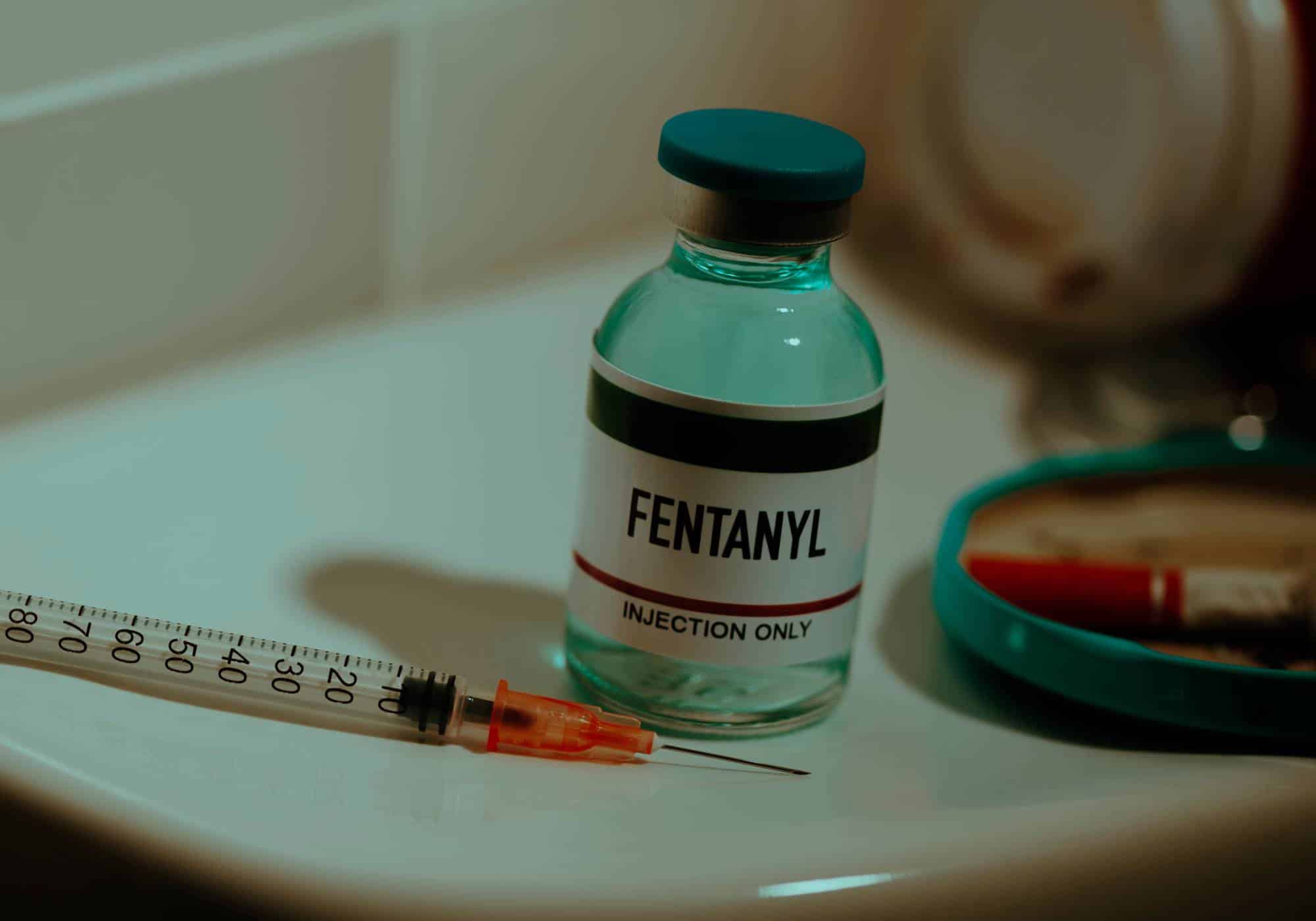
Narcotics—often opioids—are potent painkillers. They help with severe pain, like what people endure when dealing with cancer. Yet they also carry a high potential for abuse. Sadly, opioid overdoses are linked to most of the half-million global drug-related deaths each year. A key threat is fentanyl, a synthetic opioid lethal in very small amounts, sometimes as tiny as 2 mg. Dealers can press fentanyl to look like other legitimate pills. This is a major reason to remain cautious.
Below are some common narcotics and their normal appearances:
- Codeine
- Dosages: 15 mg, 30 mg, 60 mg
- Appearance: White tablet stamped with “54” and three additional numbers related to the dose
- Darvon
- Dosage: 65 mg
- Appearance: Pink capsules stamped “Darvon”
- Demerol
- Dosages: 50 mg, 100 mg
- Appearance: White, scored tablets marked with “W”
- Methadone
- Dosage: 10 mg
- Appearance: Round, white tablets stamped “ASC 116”
- Morphine
- Dosages: 15 mg, 30 mg, 60 mg, 100 mg, 200 mg
- Appearance: Round tablets that can be blue, lavender, orange, gray, or green depending on the dose
- OxyContin
- Dosages: 10 mg, 15 mg, 20 mg, 30 mg, 40 mg, 60 mg, 80 mg
- Appearance: Round tablets in white, gray, pink, brown, yellow, red, or green based on dosage. Marked “OP” on one side and the dose on the other
- Vicodin
- Dosage: 10 mg
- Appearance: White, oval-shaped tablet stamped “Vicodin HP”
- Percocet
- Dosages: Commonly 2.5 mg/325 mg, 5 mg/325 mg, 7.5 mg/325 mg, 10 mg/325 mg (oxycodone/acetaminophen)
- Visual Description: Usually oblong and white or yellowish; can be stamped with “Percocet” or dosage information
- Hydrocodone
- Dosages: 5 mg, 7.5 mg, 10 mg (often in combination with acetaminophen)
- Visual Description: Typically white or yellowish oval tablets, sometimes stamped with dosage or brand markings
- Tramadol
- Dosages: 50 mg, 100 mg, 200 mg, 300 mg (extended-release forms also exist)
- Visual Description: Often white or off-white round or oval tablets; may be scored and stamped with dosage
If you’re trying to identify pills, you might search for these color or shape details online. However, it’s important to remember that none of these visual signs guarantee what’s truly inside a pill. Counterfeits can match the correct color, shape, and stamp. When in doubt, don’t risk it. If you or someone around you struggles with opioid misuse, consider reaching out for professional support. Hope Harbor Wellness is here to help people find safer paths toward recovery.
What Does It Mean When a Pill Has No Imprint Code?
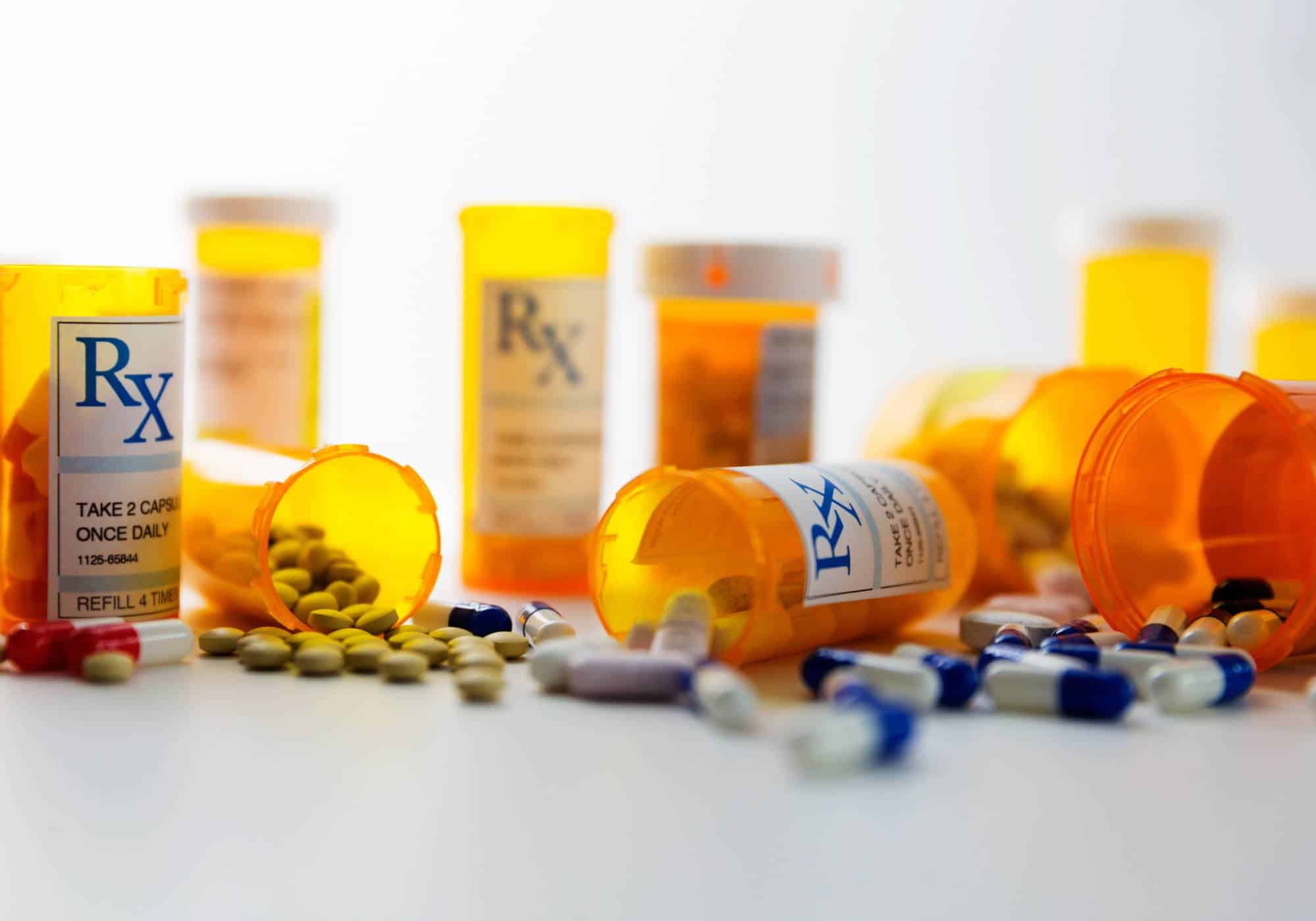
Sometimes you’ll find a pill that has no imprint at all. Should you be concerned? The short answer is yes, unless you’re 100% sure of its origin.
Here are four common reasons for unmarked pills:
- Vitamins and Supplements
- Pills sold as vitamins, dietary supplements, or herbal products don’t need FDA approval. That means they’re not required to carry imprint codes. While not always harmful, it’s best to be certain of what you’re taking since supplements can interact with other meds.
- Illegal Drug
- If the pill is something like methamphetamine, ecstasy, or ketamine manufactured illegally, there’s no reason for a dealer to put a legitimate imprint code on it.
- Foreign Medication
- Pills sourced outside the U.S. may not have to follow the same regulations. Different countries have different rules. A drug might be legal and relatively safe overseas, but the FDA hasn’t examined it. Taking foreign pills without guidance can be risky.
- FDA-Exempt Drugs
- Some legal drugs fall under exemptions in Section 206 of the Code of Federal Regulations Title 21. These include investigational meds used in clinical trials, drugs meant for bioequivalence studies, pills too fragile or small to mark, and medications administered strictly in controlled healthcare environments.
So, if you come across an unmarked pill, you might try a pill identifier with no luck. It’s a red flag. You don’t know if it’s a vitamin, a foreign medication, or a dangerous illicit substance. The best plan is not to ingest it. If it’s a supplement, confirm it by checking the bottle label. If it’s from another country or just lying around without a container, the safest choice is to dispose of it properly.
Staying Informed and Safe
Knowledge is a powerful ally, especially when dealing with drugs that can easily harm your body or derail your sobriety. While a pill identifier can help you confirm a medication’s outward details, it’s not a magical safety net. Dealers can make near-perfect imitations of prescription meds. In many cases, the only difference might be the toxic fillers or lethal opioids hidden inside.
If you’re battling addiction, remember that you don’t have to go it alone. A proper support system can guide you toward treatment options that address both your physical and emotional needs. At Hope Harbor Wellness, we understand how daunting it can be to face addiction and any underlying mental health issues at the same time. Our focus is on helping you understand your risks, develop healthier coping strategies, and move forward with confidence.
Tips for Cautious Pill Use
- Always fill prescriptions at a reputable pharmacy.
- Don’t accept random pills from friends or acquaintances.
- Check your prescription packaging for color or shape changes. If something looks off, ask your pharmacist.
- Never mix pills without a doctor’s clearance. Certain combinations can be fatal.
- If a pill has no imprint or unusual markings, steer clear.
By staying alert, you significantly lower your chance of taking something dangerous. It might feel like a hassle to go back to your doctor or pharmacist, but it’s worth it if you avoid a severe reaction or overdose.
Addiction Treatment in Atlanta, GA
Staying informed about the appearance of commonly misused drugs can help you spot counterfeits or realize that something isn’t right. But even with a pill identifier, there’s no guarantee you’re protected from harmful ingredients. The only sure way to avoid dangerous pills is not to take anything not prescribed specifically for you by a medical professional.
If you’ve been struggling with addiction, or you see a loved one heading down a risky path, remember that help is out there. You don’t have to handle the weight of substance misuse alone. At Hope Harbor Wellness, we believe in a compassionate, personalized approach to treatment. We aim to guide each person toward a healthier life, free from the damaging cycles of drug or alcohol abuse.
Whether you need medical detox, counseling, or long-term supportive care, professional help can make all the difference. Consider taking that first step to talk to a counselor, join a support group, or call a treatment hotline. Your life is worth protecting, and knowledge about pills—along with a willingness to seek help—can lead you to a safer, more fulfilling path. Contact us today at 770-573-9546 or fill out our online contact form.