

Mescaline is a hallucinogenic compound found in the peyote cactus, known to induce altered perceptions and vivid hallucinations. Historical accounts show that Native Americans have used this substance in religious ceremonies for centuries. While mescaline occurs naturally in peyote, it can also be produced synthetically. Both peyote and mescaline fall under Schedule I classification due to their high potential for abuse and the lack of recognized medical uses.
Is Peyote Addictive?
Many people wonder if peyote is truly addictive, especially since it doesn’t trigger the same physical dependence you’d see with drugs like heroin. While peyote isn’t known to create severe physical withdrawal symptoms, it can still lead to Peyote Addiction in other ways—mainly through its psychological effects.
Peyote can be abused when people regularly seek out the euphoria and altered perception it provides. If you keep using it, you might experience a growing tolerance, meaning you need higher doses to get the same effects. Over time, you could begin relying on peyote’s mind-altering experiences to feel relaxed, social, or stress-free. This pattern may not involve physical withdrawal, but it can lead to unhealthy psychological reliance that disrupts daily life.
Can You Become Dependent or Addicted to Peyote?
Even though peyote doesn’t usually cause physical dependency, individuals can still show signs of compulsive use that falls under the category of peyote abuse. Clinically, this is often labeled a hallucinogen use disorder.
People trapped in this cycle may:
- Take more peyote or use it more often than they planned.
- Try to quit but fail due to cravings.
- Spend large chunks of time getting peyote, using it, or recovering from trips.
- Fail to meet responsibilities at home, work, or school.
- Keep using peyote despite damaged relationships.
- Stop engaging in activities they once loved.
- Use peyote in risky circumstances, like driving or working with machinery.
- Build a tolerance, needing increasingly higher doses for the same effect.
Compulsive peyote use can damage self-esteem, relationships, and goals. Even though it might not produce the same physical dependence as other drugs, Peyote Addiction can still have life-altering consequences.
What Is Peyote?
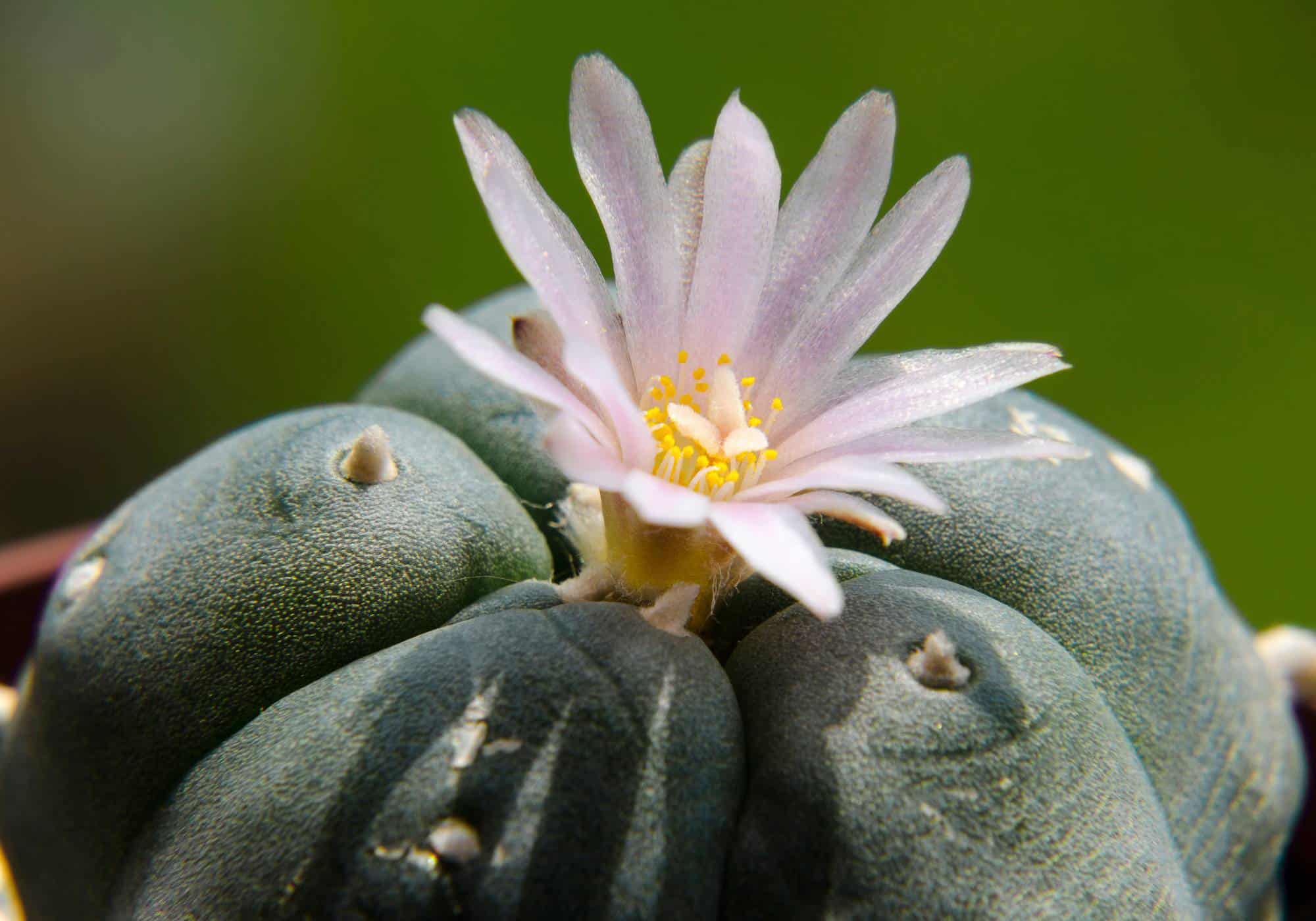
Peyote is a small cactus that contains the hallucinogen mescaline. Its history goes back centuries, with the Aztecs using it in spiritual and medicinal practices. In the U.S., peyote is now classified as a Schedule I Controlled Substance, meaning federal law sees it as having a high risk of abuse and no valid medical use.
Street names for peyote include “buttons,” “cactus,” “nubs,” or simply “mesc.” Regardless of what it’s called, peyote can produce powerful hallucinations and altered states of mind. These effects might seem appealing, but they also carry serious risks.
Why Do People Use Peyote?
The reasons behind peyote use vary. Some Native American tribes have used it for spiritual ceremonies, prayer, and pain relief for generations. In these cultures, peyote’s effects are linked to religious belief, tradition, and community rituals.
However, not everyone uses peyote in a traditional or spiritual setting. Many people try it recreationally to chase hallucinations or escape stressful lives. Some believe that because peyote is found in nature, it’s automatically safe. But “natural” doesn’t always mean risk-free, especially when mind-altering substances are involved.
How Is Peyote Used?
Peyote grows in button-like sections on the cactus.
These buttons can be dried and:
- Eaten as they are
- Brewed into a tea
- Ground into a powder for capsules
- Smoked by rolling it in tobacco or marijuana
Mescaline sulfate is the purest form of mescaline, and it’s considered the strongest preparation. People who attend peyote ceremonies often gather in a teepee or other enclosed space, guided by a medicine person who leads songs, chanting, and drumming. The group may pass around peyote every few hours, maintaining a spiritual atmosphere.
Although religious peyote use is protected for certain Native American groups, recreational use is still illegal. Traditional practitioners argue that using peyote outside its spiritual context dilutes its sacred purpose and doesn’t offer the same benefits.
How Does Peyote Work?
Peyote falls under the category of hallucinogens, which also includes LSD and psilocybin (“magic mushrooms”). These substances influence your brain’s serotonin system and change how you perceive the world.
Hallucinogens tend to affect the cerebral cortex, where functions like language, memory, and thought processes occur. Because peyote tweaks your sense of reality, users might see vibrant colors, experience unusual body sensations, or feel profoundly introspective while under its influence.
What Are the Risks of Taking Peyote?
Although peyote doesn’t typically cause physical dependence, it carries plenty of health and psychological risks.
These include:
- Psychological dependence on the experience itself
- Intensely unpredictable “trips”
- Possible emotional or mental health struggles when experiencing a bad trip
- Danger of combining peyote with other substances, especially stimulants
- Potential for taking too much if you’re chasing a bigger or more intense high
Any use of peyote outside religious or traditional ceremonies is illegal in the U.S., which can lead to legal trouble in addition to health risks.
What Are the Effects of Peyote and Other Hallucinogens?
Hallucinogens like peyote alter how you experience reality.
According to the National Institute on Drug Abuse, people under the influence may:
- See or hear things that aren’t there
- Feel disconnected from their surroundings
- Lose the ability to think logically or communicate clearly
- Sense time moving slower than usual
One of the scariest aspects of peyote abuse is that no one can predict exactly how a trip will go. A so-called “good trip” might bring a burst of creativity or euphoria. Meanwhile, a “bad trip” can trigger terror, extreme anxiety, or paranoia. These psychological swings can be overwhelming, especially for anyone already dealing with stress, anxiety, or mental health issues.
What Happens During a Peyote Trip?
During a peyote trip, some feel introspective, calm, or as though they’re in a deep meditative state. Others get hit with disturbing hallucinations that cause panic or put them in risky situations.
Typically, users notice the peyote’s effects within 30 to 60 minutes, with the peak often lasting three to five hours. It can sometimes take up to 12 hours—or more—for the entire experience to fade. Colors may appear more vivid, and people can feel heightened sensitivity in their senses. Many describe an intense feeling of euphoria that draws them back to peyote time and again.
Signs & Side Effects of Peyote Use
Beyond the unpredictable nature of each trip, peyote can cause various side effects, including:
- Nausea and vomiting (common in new users)
- Rapid heart rate and elevated blood pressure
- Chills, sweating, or feeling overly hot
- Difficulty sleeping
- Tremors or uncoordinated movement
- Loss of appetite
It’s important to note that even if you’ve used peyote before, each trip can differ. Some people might have a strong negative reaction out of nowhere, leading to panic or harmful behavior. Dehydration can also be a concern if someone forgets to eat or drink during a long trip.
What Are the Long-Term Side Effects of Peyote?
Long-term peyote abuse can lead to significant mental health challenges:
- Persistent Psychosis: Ongoing issues with distorted thinking or paranoia, even when sober.
- Hallucinogen Persisting Perception Disorder (HPPD): Flashbacks of hallucinations, sometimes occurring days, weeks, or even a year after stopping use.
While peyote might not produce a chemical addiction like cocaine or heroin, frequent use can still result in a hallucinogen use disorder. People might escalate their dosage or frequency, ignore other parts of life, or keep using peyote after multiple bad trips. If these patterns sound familiar, seeking professional help is crucial.
If you or someone you care about is struggling with Peyote Abuse and can’t stop despite negative outcomes, it may be time to consider professional treatment. West Georgia Wellness Center offers confidential, empathetic support around the clock. All it takes is one call to start your path toward a drug-free, healthier life.
What Causes Mescaline Addiction?
Mescaline is a psychoactive compound found in peyote. This substance can cause strong euphoria that can last up to 12 hours. Some people chase this euphoric state by taking more of the drug, leading to Mescaline Addiction.
Addiction here isn’t typically physical. Rather, it stems from the psychological pull of the mescaline-induced high. Research on mescaline tolerance and overdose suggests people who repeatedly seek its effects may become desensitized, requiring higher doses to achieve the same trip. This cycle increases the risk of dangerous outcomes, including overdose or severe mental health effects.

The Complicated Legal Status of Mescaline and Peyote
Both peyote and mescaline fall under Schedule I of the Controlled Substances Act, which means the federal government considers them high-risk for misuse without recognized medical benefits. Using or possessing these substances can lead to serious legal penalties, such as hefty fines and lengthy prison sentences.
However, mescaline and peyote are not new. Ancient civilizations in the Americas have used them for centuries in spiritual contexts. Many Native American tribes view peyote as sacred, and U.S. courts have recognized limited exceptions for its ceremonial use by certain Native American groups. Despite this, individuals outside these groups remain subject to federal law.
In Mexico, peyote is also illegal, but certain indigenous tribes are granted the right to harvest the cactus for traditional reasons. Tourists and most Mexican citizens are prohibited from collecting peyote, underscoring how regulated and culturally complex these substances are.
Peyote Withdrawal Symptoms
Peyote and mescaline do not typically cause the same intense physical withdrawal symptoms that come with drugs like opioids or alcohol. However, some people do experience withdrawal-like effects when they stop taking mescaline after repeated use.
Common mescaline withdrawal symptoms include:
- Depression and anxiety
- Restlessness and agitation
- Memory or concentration problems
- Nausea and vomiting
- Dizziness
- Insomnia
- Fluctuations in blood pressure
For most individuals, these issues peak within the first 24 hours of stopping mescaline and can continue for about two weeks. The severity depends on factors like how long you used the drug, how often you took it, and whether you combined it with other substances.
After detox, therapy or counseling can help reinforce healthier habits. Even though mescaline doesn’t typically cause heavy physical dependence, it can still be dangerously habit-forming mentally, especially for people seeking that hallucinogenic rush.
Hallucinogen Misuse Treatment in Atlanta, GA
If you or someone close to you is struggling with compulsive Peyote Abuse or Mescaline Addiction—or any other substance issue—help is within reach. At Hope Harbor Wellness, our compassionate and skilled staff is ready to guide you toward a more balanced life.
We provide outpatient rehab near Atlanta, offering multiple levels of addiction treatment designed to fit your needs. We also help with the admissions process and work closely with insurance providers to reduce financial stress. Our programs focus on building coping strategies, improving mental health, and supporting long-term recovery.
Call us at 770-573-9546 or fill out our online contact form to learn more about treatment options. Our team understands the complexities of Peyote Addiction, Mescaline Abuse, and other substance use disorders. You don’t have to face this challenge alone. By reaching out today, you’re already taking an important step toward health, stability, and a brighter future.