
If meth use has become a pattern that is difficult to stop, our meth addiction treatment program and intensive outpatient program provide structured support without an overnight stay.
What Is a Meth Pipe?
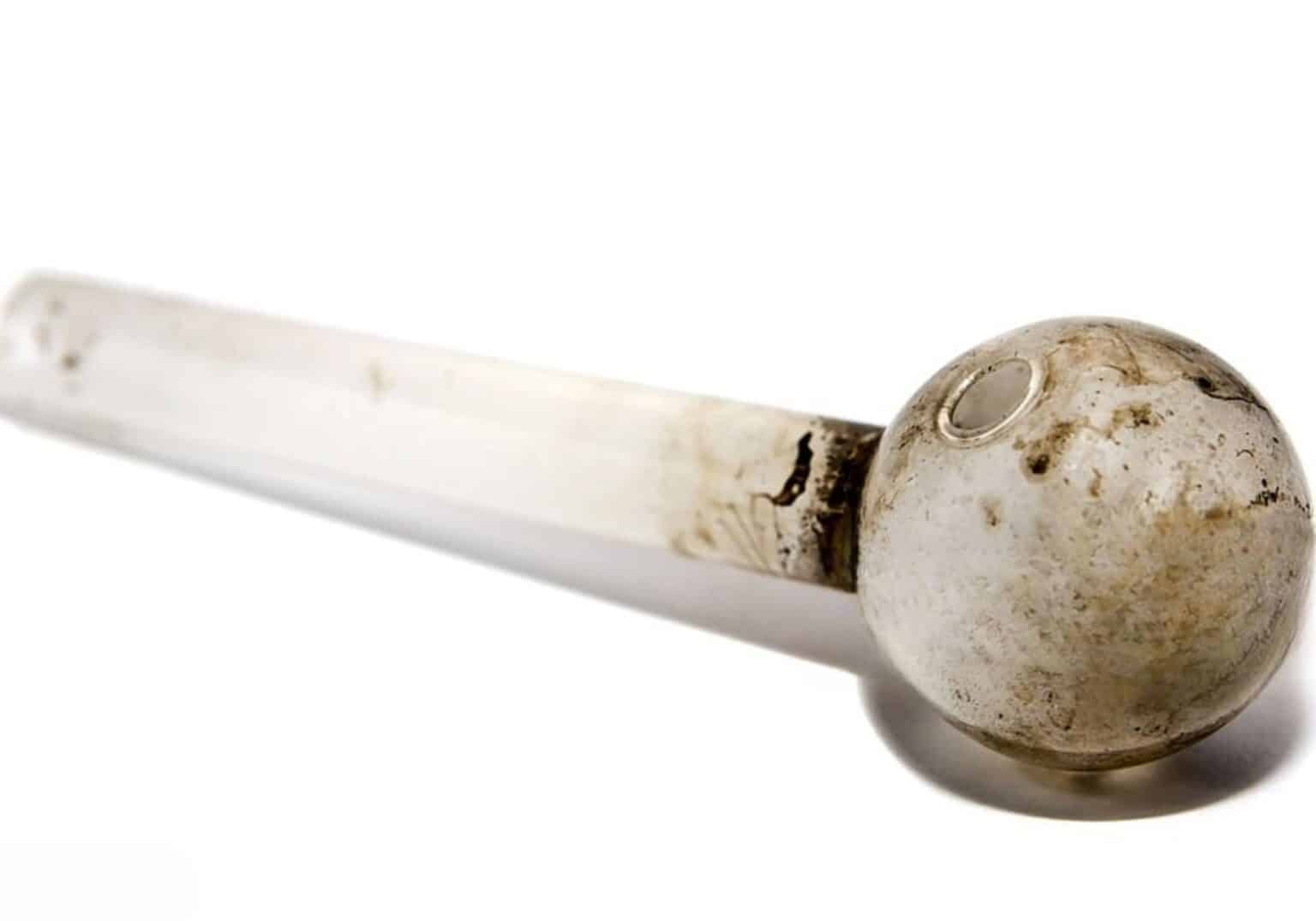
A meth pipe is a piece of drug paraphernalia commonly used to smoke methamphetamine, also known as meth, crystal, ice, or glass. Meth is a powerful and highly addictive stimulant that affects the central nervous system and can quickly lead to dependence and serious health problems.
Most people who smoke meth use some type of glass pipe, but homemade or improvised devices are also common. If you’ve found something that looks like a meth pipe in a bedroom, bathroom, car, or personal bag, it can be a scary moment—and often a sign that someone may be struggling with meth use.
You can read more about the drug itself in the National Institute on Drug Abuse’s methamphetamine overview, which explains how meth acts in the brain, why it’s so addictive, and the risks that come with it.
What Does a Meth Pipe Look Like?
Meth pipes can vary, but there are some common features people often notice:
- A small glass pipe or tube, sometimes with a round or “bubble” end
- Dark burn marks or soot near one end
- White or cloudy residue inside the glass
- Cracks or discoloration from intense heat
Some pipes are purchased, and others are improvised from everyday items. You may also see small lighters, torch-style lighters, or butane lighters stored nearby.
Finding this kind of paraphernalia doesn’t automatically tell you how often someone is using or how long they’ve been using, but it is a strong sign that meth is part of the picture.
Why Do People Smoke Meth?
People smoke meth for different reasons, including:
- Looking for a rush of energy, confidence, and euphoria
- Trying to stay awake to work, party, or get things done
- Numbing emotional pain, trauma, or stress
- Coping with depression, anxiety, or low self-worth
At first, some people feel like meth helps them function or escape. Over time, it usually does the opposite—damaging health, relationships, and mental well-being.
NIDA describes meth as a highly addictive stimulant that increases dopamine in the brain and can cause serious changes in mood, decision-making, and impulse control with repeated use.
Health Risks of Smoking Meth from a Pipe
Smoking meth is not just “hard on the lungs.” It can affect nearly every part of the body and mind.
Short-term risks may include:
- Rapid heart rate and increased blood pressure
- Elevated body temperature
- Agitation, restlessness, or aggression
- Insomnia or staying awake for days
- Anxiety, paranoia, or panic
Long-term risks may include:
- Heart and blood vessel damage
- Dental problems (“meth mouth”)
- Significant weight loss and malnutrition
- Memory problems and difficulty thinking clearly
- Anxiety, mood swings, and paranoia
- Psychosis, including hallucinations and delusions
On top of all this, sharing pipes or using improvised equipment can increase the risk of infections, burns, and injuries to the lips, mouth, and airways.
The CDC’s information on stimulant overdose and methamphetamine notes that meth use is linked to heart and brain damage, anxiety, insomnia, and a rising number of overdose deaths in the United States.

Signs Someone May Be Using a Meth Pipe
Spotting a pipe is one sign. Often, it shows up alongside other physical, behavioral, and emotional changes.
Common warning signs of meth use can include:
Physical signs
- Sudden weight loss
- Enlarged pupils
- Jaw clenching or teeth grinding
- Sores on the skin from picking
- Burn marks on fingers or lips
Behavioral signs
- Staying up for long periods, then crashing hard
- Rapid, pressured talking or constant movement
- Unusual bursts of energy followed by exhaustion
- Secretive behavior, locking doors, or hiding items
- Money problems, missing belongings, or borrowing frequently
Mental and emotional signs
- Irritability, anger, or mood swings
- Paranoia or feeling watched
- Seeing or hearing things others don’t
- Restlessness and difficulty sitting still
If several of these signs are present along with a glass pipe or other paraphernalia, meth use is very likely and may already be affecting the person’s health and safety.
How Meth Pipes Affect Relationships and Daily Life
Meth doesn’t just impact the person using—it impacts everyone around them.
As use continues, you might notice:
- Tension or conflict at home
- Missed work, school, or important appointments
- Changes in friend groups or social circles
- More time spent alone, in the bathroom, or in the car
- Lying, secrecy, or unexplained absences
Family members often feel a mix of anger, fear, confusion, and guilt. None of this is your fault. Meth use is a complex medical and behavioral issue, and it typically requires more than willpower or lectures to change.
The National Institute on Drug Abuse’s methamphetamine overview emphasizes that meth use disorder is a serious condition, but evidence-based treatments do exist and recovery is possible.
Overdose Potential When Using Meth Pipes
Because vaporized meth hits the body so fast, it’s easy to lose track of how much you’ve inhaled. You might think a second or third hit won’t matter, only to realize too late that your heart is racing, you can’t breathe, or you’re feeling excruciating chest pain.
Common overdose outcomes include:
- Heart Attack
- Coma
- Seizures
- Stroke
- Cardiac Arrest
- Severe Chest Pain
- Respiratory Failure
- Kidney Problems
- Excruciating Abdominal Pain
Sudden unconsciousness or seizures can be life-threatening. If an overdose happens, immediate medical attention is critical to prevent permanent organ damage or death.

When a Meth Pipe Is a Sign It’s Time for Help
Finding a meth pipe can be a turning point.
It may be time to reach out for help if:
- Meth is being used regularly or in binges
- There are clear changes in mood, personality, or mental health
- Work, school, or parenting responsibilities are slipping
- There have been legal or financial consequences
- Loved ones feel unsafe or constantly on edge
Treatment for meth use may include:
- Medical assessment to check physical and mental health
- Detox and stabilization for people coming off heavy use
- Partial hospitalization (PHP) or intensive outpatient (IOP) programs for structure and support
- Individual and group therapy to address cravings, triggers, trauma, and emotional pain
- Family therapy and education so loved ones can set healthy boundaries and support recovery
SAMHSA’s page on the risks of using drugs reminds people that all drug use carries risk—but that help is available and treatment can save lives and restore families.
You don’t have to have all the answers before reaching out. The first step is simply not facing this alone anymore. Contact us today at 770-573-9546 or fill out our online contact form and reclaim your life from addiction.
Meth Pipe FAQs
What is a meth pipe?
A meth pipe is a piece of drug paraphernalia used to smoke methamphetamine. It’s often a small glass pipe or tube, sometimes with a round or “bubble” end, and may show burn marks or white residue inside.
What does a meth pipe look like?
Meth pipes are commonly made of glass and may be straight or have a small bulb at one end. They often have dark scorch marks near the end that’s heated and a cloudy or white residue inside from repeated use.
Is smoking meth from a pipe dangerous?
Yes. Smoking meth from a pipe can damage the heart, brain, lungs, teeth, and skin and can lead to dependence, psychosis, and overdose. It also increases the risk of burns, injuries, and infections around the mouth and airways.
What are signs that someone is using a meth pipe?
Signs can include finding glass pipes or lighters, sudden weight loss, staying up for days, rapid speech, mood swings, paranoia, and unexplained sores or burn marks on the fingers or lips.
Can someone get addicted to meth after using a pipe a few times?
Meth is highly addictive. Some people develop strong cravings and changes in behavior after relatively short-term use. How quickly addiction develops varies, but any meth use carries a real risk of dependence.
How can I help if I find a meth pipe and I’m worried about someone?
If it feels safe, talk with them when they’re not high or crashing, share your concerns without shaming, and encourage them to connect with a substance use professional. You can also reach out yourself to learn about treatment options and how to set healthy boundaries.
Methamphetamine Addiction Treatment at Hope Harbor Wellness
Hope Harbor Wellness provides caring, individualized solutions for those looking to overcome meth addiction. Our approach examines the psychological and physical impacts of substance use, offering detox, therapy, and aftercare planning in a coordinated way. We believe sustainable recovery extends beyond the immediate crisis, so we equip clients with relapse-prevention techniques, life skills training, and ongoing support.
With our compassionate methods, many clients find renewed motivation and rediscover a sense of self-worth. We integrate mental, emotional, and physical well-being into a single, cohesive plan. This comprehensive model paves the way for healing not just from meth, but also from any underlying mental health problems.
If you or someone you care about is struggling with meth use and the dangers of a meth pipe, remember you don’t have to face it alone. Hope Harbor Wellness in Atlanta, GA is here to help you find the right path forward contact us today at 770-573-9546 or fill out our online contact form and reclaim your life from addiction.