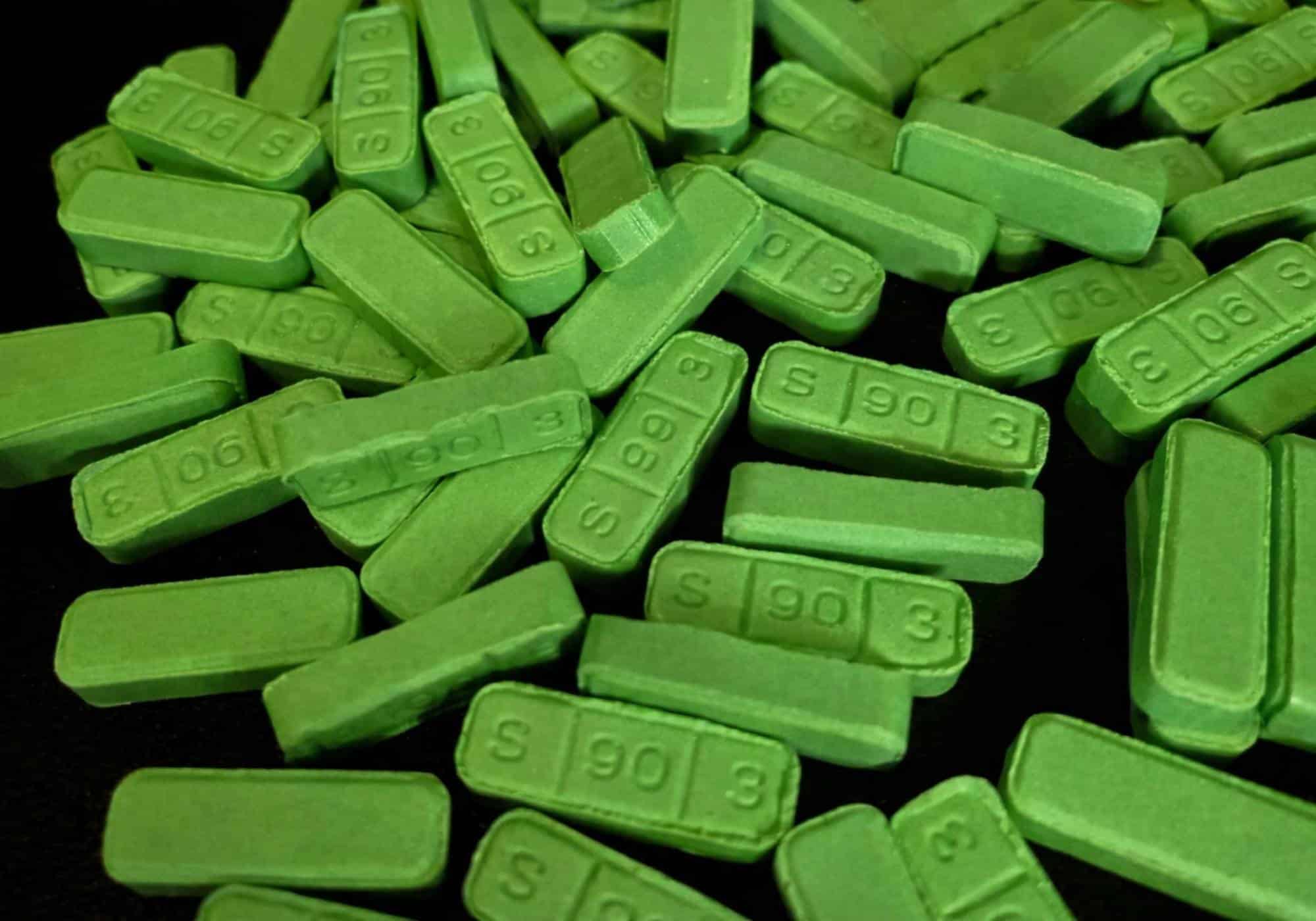


Gabapentin is a versatile medication originally developed to address postherpetic neuralgia and partial seizures. While not classified as a controlled substance, there is growing evidence that gabapentin has potential for misuse. It is often misused alongside alcohol, as both substances affect similar brain receptors and can enhance each other’s effects.
Gabapentin and Alcohol Interaction
Gabapentin and alcohol both target brain receptors that influence the central nervous system (CNS), leading to amplified effects when used together. This combination is particularly hazardous, significantly increasing the likelihood of adverse side effects and overdose risks.
What is Gabapentin?
Gabapentin, known by its brand name Neurontin, is an anticonvulsant medication widely used for managing shingles, nerve pain, restless leg syndrome, and seizures associated with epilepsy. It is effective in regulating a calming neurotransmitter in the brain called gamma-aminobutyric acid (GABA).
Patients suffering from nerve pain may find gabapentin particularly beneficial as it helps balance GABA production, potentially reducing or eliminating pain symptoms. However, despite its medical benefits, gabapentin can be dangerous if used outside prescribed guidelines, leading to substance use disorders, especially when mixed with alcohol.
Mixing Gabapentin with Alcohol
The misuse of gabapentin and alcohol is alarmingly common due to their similar effects on the GABA neurotransmitter. Both substances are depressants, slowing down various bodily functions. This similarity can dangerously enhance their effects when used together, significantly increasing the risk of severe side effects and overdose. While gabapentin alone does not typically lead to overdose, the risk escalates when combined with alcohol.
Can I Drink Alcohol While Taking Gabapentin?
It is generally advised against consuming alcohol while taking gabapentin due to the potential for increased side effects and interactions. Both substances depress the central nervous system (CNS), which can lead to enhanced sedative effects, causing increased drowsiness and decreased alertness. This combination may also impair your motor skills, coordination, and cognitive functions. To ensure your safety and well-being, it’s important to follow your doctor’s recommendations and avoid alcohol while on gabapentin.

Side Effects of Gabapentin and Alcohol
Combining gabapentin with alcohol can result in a range of adverse effects, as both substances can deeply impact both physical and mental health. The side effects of gabapentin, even when prescribed, can vary widely in severity and may be temporary.
Common side effects include:
- Lightheadedness or dizziness
- Increased drowsiness or sleepiness
- Nausea, often intense
- Vomiting and diarrhea
- Headaches
- Fatigue
- Anxiety
- Joint pain
- Fever
- Excessive sweating
- Tremors or shaking
- Constipation
- Memory issues
- Dry mouth
- Swelling in the hands, legs, ankles, or feet
The interaction between gabapentin and alcohol can exacerbate these symptoms, leading to more severe health complications. It’s essential for individuals taking gabapentin to avoid alcohol to mitigate these risks and protect their health.
When you start taking gabapentin as prescribed, you might initially experience only mild side effects, which can be limited in scope. This subtlety often leads to an underestimation of the medication’s potential risks, particularly when mixed with alcohol. While the side effects of gabapentin alone may not be severe enough to raise alarms initially, combining it with alcohol can rapidly alter the situation, escalating to a potentially dangerous level. It’s crucial to recognize that even moderate alcohol consumption can significantly intensify these risks, leading to serious health complications.
The Dangers of Mixing Gabapentin with Alcohol
Mixing gabapentin with alcohol is highly discouraged because of the significant risks and serious complications that can arise. The dangers of this combination go beyond simply enhancing the usual side effects; it can lead to risky behaviors such as impaired driving.
Both alcohol and gabapentin impact cognitive function and mood stability. Introducing alcohol while taking gabapentin can lead to unexpected and potentially life-threatening side effects, such as respiratory depression. Moreover, this mix can aggravate existing side effects, making them more severe and noticeable quickly.
Some of the intensified side effects include:
- Fatigue and Drowsiness: The sleep-inducing effects of gabapentin are significantly amplified when combined with alcohol, resulting in profound fatigue and reduced alertness.
- Increased Anxiety: While gabapentin may normally help to reduce anxiety, mixing it with alcohol could negate this effect, potentially leading to increased anxiety and discomfort.
- Cognitive Disturbances: The combination of alcohol and gabapentin can cause sudden confusion and other disruptions in cognitive function.
- Gastrointestinal Effects: Issues like nausea, vomiting, constipation, and diarrhea may worsen when these substances are used together.
- Dizziness and Lightheadedness: Both substances can cause these symptoms independently, but when used together, the effects can be more intense.
While gabapentin alone may have manageable and temporary side effects, these can escalate dramatically when combined with alcohol. If you are already noticing side effects from gabapentin, adding alcohol into the mix can exacerbate these issues.
If you experience adverse effects while on gabapentin, it is crucial to consult your doctor immediately. Professional medical advice is essential to safely manage your medication and maintain your health.
Gabapentin and Alcohol Withdrawal Symptoms
Gabapentin is frequently prescribed to alleviate symptoms associated with alcohol withdrawal. When an individual begins treatment for alcohol addiction, gabapentin may be administered to address a range of withdrawal symptoms.
These symptoms may include:
- Agitation
- Anxiety
- Auditory disturbances
- Clouded sensorium (a state of confused mental awareness)
- Headaches
- Nausea
- Paroxysmal sweats (intense, sudden sweating)
- Tactile disturbances (unusual skin sensations)
- Tremors
- Visual disturbances
- Vomiting
Gabapentin, along with other medications, is typically used on a short-term basis to help manage these symptoms effectively. The use of gabapentin is usually phased out once the acute phase of alcohol withdrawal diminishes. The duration of alcohol withdrawal can vary but generally lasts between 2 to 10 days after discontinuing alcohol consumption.
Can You Overdose on Gabapentin and Alcohol?
While definitive studies are limited, it is believed that gabapentin may increase the risk of alcohol overdose. Nevertheless, combining gabapentin with alcohol is known to be exceedingly hazardous. Gabapentin can exacerbate the effects of alcohol, particularly in heavy drinkers, by increasing their level of impairment without necessarily altering their perceived sense of intoxication.

Is Mixing Gabapentin and Alcohol Deadly?
Yes, mixing gabapentin with alcohol can be deadly. While alcohol alone can cause fatal overdoses, it is generally considered more dangerous of the two. Gabapentin also heightens the risk of an alcohol overdose and has been linked to fatal overdoses involving opioids. It is critical to avoid combining these substances unless expressly directed by a healthcare professional.
Gabapentin Addiction Treatment in Atlanta, GA
Located in the serene suburbs of Atlanta, Hope Harbor Wellness is your ally in the fight against gabapentin addiction in Atlanta. Our gabapentin drug rehab center is dedicated to holistic recovery and is ideally situated to offer you the support you need.
Our compassionate outpatient program collaborates with top-tier medical gabapentin detox facilities, ensuring a safe and effective detox process. Once free from addictive substances, you can seamlessly transition into one of our specialized outpatient treatment programs at Hope Harbor Wellness, designed to address substance use disorders:
- Outpatient Rehab: A flexible program tailored to fit into your daily life.
- PHP (Partial Hospitalization Program): Offers a structured yet non-residential approach to treatment.
- IOP (Intensive Outpatient Program): Provides more intensive care while allowing you to maintain daily responsibilities.
- Dual Diagnosis Treatment Program: Caters to those with co-occurring mental health disorders.
Our gabapentin addiction treatment programs incorporate a variety of interventions:
- MAT (Medication-Assisted Treatment): Utilizes medications to ease withdrawal symptoms and cravings.
- Psychotherapy (CBT and DBT): Addresses underlying psychological aspects of addiction.
- Group Therapy: Offers peer support and shared learning experiences.
- Individual Therapy: Provides personalized guidance and support.
- Family Therapy: Helps heal and strengthen family relationships.
- Holistic Therapies: Focuses on overall well-being, including physical, emotional, and spiritual health.
- Aftercare: Ensures ongoing support post-treatment.
Embark on your journey from addiction to recovery with Hope Harbor Wellness. Trust in our dedicated team to guide you every step of the way. For more information or to start gabapentin addiction treatment in Atlanta, GA, call our admissions team at 770-573-9546 or through our online contact form.