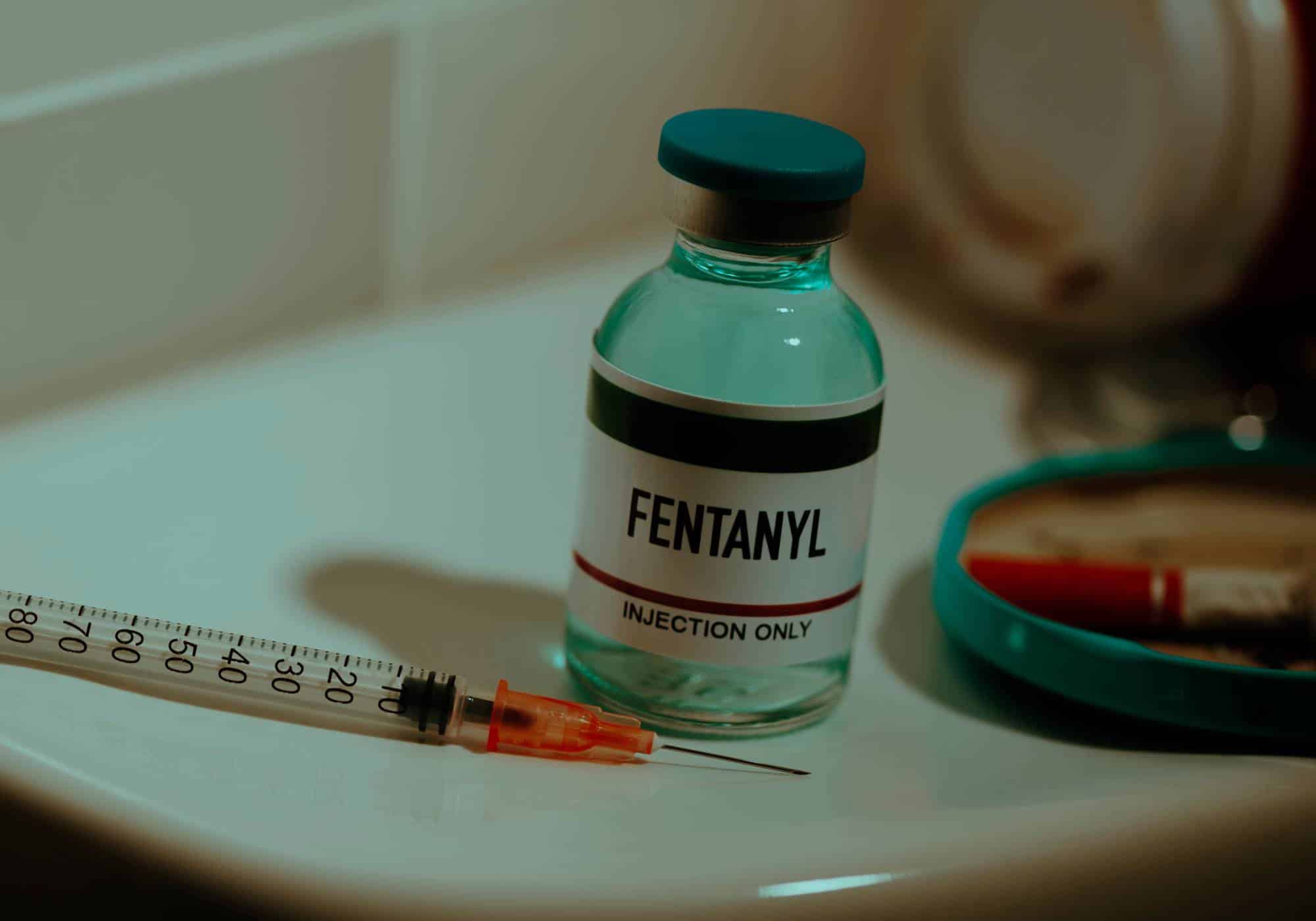

Paraphernalia are Items Used to Consume Drugs or to Hide Them.
Paraphernalia are objects people use to consume drugs or keep them hidden. These items might look normal at first glance, but they can signal deeper issues like drug addiction. Finding drug paraphernalia in someone’s possession can be a major clue that drug use may be happening.
The tricky part is that drug tools often blend in with everyday objects, making them easy to miss if you don’t know what you’re looking for. For instance, a little piece of foil could be nothing—or it might be used to smoke certain substances. A random pen with odd burn marks might be a normal writing utensil or a pipe in disguise. Recognizing these signs can help family members and friends figure out what’s really going on and take steps toward getting help.
Below, we’ll explore common paraphernalia for various drugs, discuss how people hide them, and talk about why professional support is crucial if you think drug use is a problem. By staying alert and knowing the signs, you can play a vital role in guiding someone toward a healthier path, including options like Drug Addiction Treatment in Atlanta, GA.
The Discovery of Drug Paraphernalia Can be Strong Evidence That Someone is Using Drugs.
Stumbling upon paraphernalia often reveals that someone’s using drugs, even if they’ve tried to keep it under wraps. If you see suspicious items, take note of the context. Where did you find them? Have you noticed any behavior changes, like shifts in mood, declining health, or withdrawal from loved ones?
Sometimes, paraphernalia alone doesn’t prove drug use. But let’s face it—finding a syringe in your teenager’s backpack or spotting glass pipes hidden in a closet is not typical or innocent. People who aren’t using drugs usually have no reason to own items like that. So if you see these warning signs, it’s wise to investigate gently and consider reaching out for help.
A Person Can Spot Paraphernalia if They Know Which Type of Drug the Person May be Using and Which Methods of Consumption They are Using.
Identifying paraphernalia becomes easier when you know how different drugs are typically used. People ingest substances in various ways, and each method often calls for different items. Understanding these methods can help you spot suspicious objects that may confirm your suspicions about drug use.
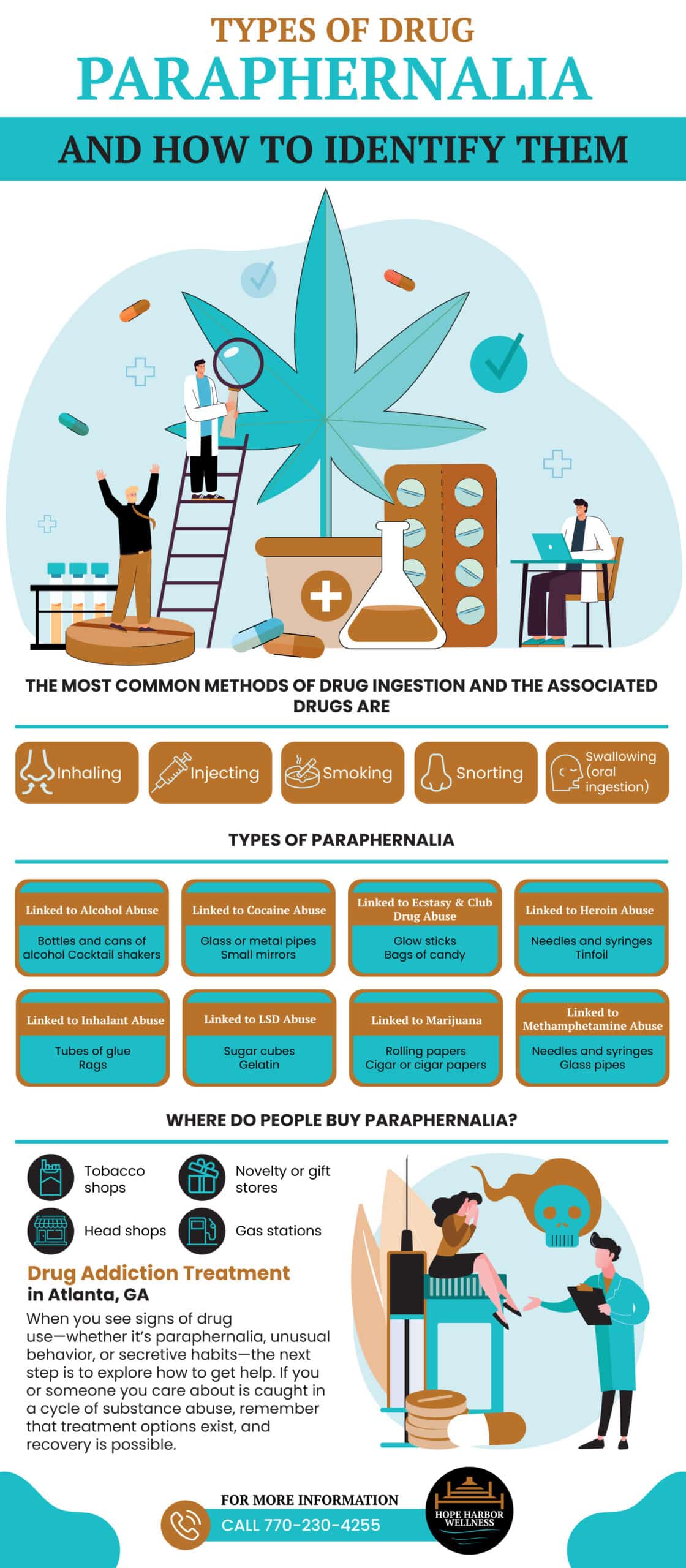
The Most Common Methods of Drug Ingestion and the Associated Drugs are:
- Inhaling: People inhale or breathe in vapors or fumes to get high. This method is common with gasoline, nitrites (known as poppers), and aerosols (often referred to as whip-its).
- Injecting: This involves using a needle and syringe to inject substances directly into the bloodstream. Commonly injected drugs include heroin and methamphetamine.
- Smoking: Substances like marijuana, crack cocaine, heroin, and methamphetamine can be smoked. Pipes, bongs, or even improvised devices help deliver these drugs as smoke.
- Snorting: Cocaine, heroin, and meth are often snorted using straws or rolled-up paper. This method quickly delivers the drug into the bloodstream through nasal membranes.
- Swallowing (oral ingestion): Alcohol, marijuana (in edibles), heroin (occasionally in pill form), LSD, ecstasy, and methamphetamine can be taken orally. The effects might come slower, but this method is common and sometimes easier to hide.
Recognizing which drug goes with which ingestion method can help you match the item you find with its possible drug use. For example, if you notice multiple plastic straws cut in half around the house, it might hint at snorting. If you find little plastic pen tubes with burn marks, that could indicate smoking or inhalation.
Types of Paraphernalia
Drug paraphernalia spans a huge range, from simple household objects to more specialized gadgets. Below, we’ll outline paraphernalia linked to different drug categories. This info can help you spot red flags at home or in a loved one’s personal space.
Paraphernalia Linked to Alcohol Abuse
- Bottles and cans of alcohol: Finding hidden or empty bottles, even mini liquor bottles, can be a tip-off.
- Drinking vessels like water bottles, flasks, and coffee cups: Sometimes people fill these with alcohol to conceal what they’re really drinking.
- Cocktail shakers, shot glasses, and other barware: While not automatically suspicious, noticing them in odd places or used excessively might show a pattern of alcohol misuse.
Paraphernalia Linked to Cocaine Abuse
- Glass or metal pipes: Coke is sometimes freebased, requiring pipes.
- Butane (torch) lighters: Provide a high-intensity flame, often used to heat substances.
- Small mirrors: A flat surface on which to arrange lines of coke for snorting.
- Plastic straws, rolled-up paper tubes or rolled-up dollar bills: Commonly used to inhale cocaine.
- Razor blades: Often used to cut and shape lines of the drug.
Paraphernalia Linked to Ecstasy & Club Drug Abuse
- Glow sticks: Popular in rave culture or club scenes, sometimes associated with heightened experiences while on ecstasy.
- Surgical or dust masks: Sometimes used in clubs to hold substances or to intensify inhalation of certain chemicals.
- Pacifiers and lollipops: Ecstasy can cause jaw-clenching; people use these to prevent grinding their teeth.
- Bags of candy: Could be used to conceal pills or other small items.
- Empty gelatin capsules: May be filled with powdered club drugs and swallowed.
Paraphernalia Linked to Heroin Abuse
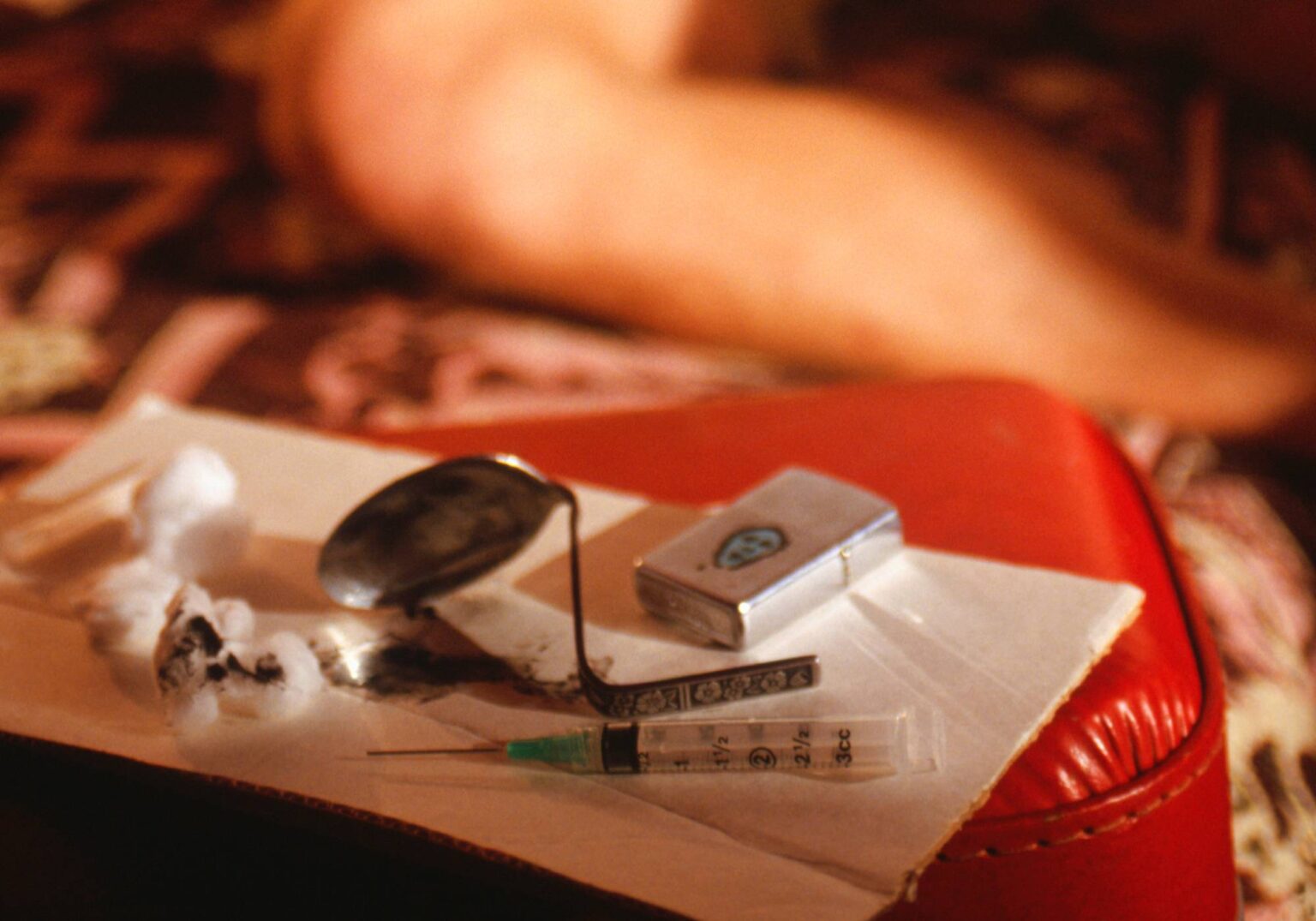
- Needles and syringes: A hallmark of intravenous heroin use.
- Spoons, typically with burn marks on the bottom: Used to heat and liquefy heroin before injection.
- Cotton balls: Acts as a filter when drawing the liquid into a syringe.
- Butane (torch) lighters: Provide steady heat to melt substances.
- Tinfoil: Sometimes used for smoking heroin (known as “chasing the dragon”).
- Glass or metal pipes: A direct way to smoke the drug.
- Plastic pen case or drinking straw: Can be used for snorting or inhaling fumes.
- Small mirrors and razor blades: Tools to divide and prepare the drug.
Paraphernalia Linked to Inhalant Abuse
- Tubes of glue: People may breathe in fumes for a high.
- Bottles or aerosol cans with hardened glue, sprays, paint or chemical odors: Could be anything from whipped cream cans (whip-its) to spray paint.
- Rags: Used for “huffing” by soaking them in chemicals.
- Balloons and nozzles: Often used to store or distribute the gas for inhalation.
- Small brown glass bottles: Containing nitrites or other chemicals for inhaling.
Paraphernalia Linked to LSD Abuse
- Sugar cubes: LSD can be dropped onto them for ingestion.
- Gelatin: Another medium used to infuse LSD.
- Blotter paper: Often decorated with colorful designs and cut into stamp-sized squares containing LSD.
- Eyedropper bottles: Liquid LSD can be stored and dispensed this way.
Paraphernalia Linked to Marijuana & Synthetic Marijuana Abuse
- Rolling papers: Used for joints.
- Cigar or cigar papers: For making blunts.
- Pipes made from wood, acrylic, glass, stone, plastic or ceramic: Used to smoke the substance.
- Bongs: Water pipes that filter smoke, commonly used for marijuana.
- Roach clips: A small metal holder to grip a joint.
- E-Cigarettes: Sometimes used to vape THC oil or synthetic marijuana solutions.
Paraphernalia Linked to Methamphetamine Abuse
- Needles and syringes: Common for injecting meth.
- Spoons with burn marks: Used to melt meth.
- Cotton balls: A filter in the injection process.
- Butane torch lighters: Provide the heat needed to melt or smoke meth.
- Tinfoil: People often smoke meth by heating it on foil.
- Glass pipes: Typical for smoking meth (recognizable by a round bowl at the end).
- Plastic pen cases, drinking straws, small mirrors, razor blades: Tools for snorting or preparing lines of meth.
Is Paraphernalia Illegal?
In the United States, possessing drug paraphernalia is against federal law if it’s linked to using illegal drugs. This means even if you don’t have any drugs on you, having an object clearly intended for drug use can land you in legal trouble. Often, paraphernalia still contains residue or traces of drugs, which can be enough evidence for prosecution.
Depending on the circumstances, penalties may include fines or jail time. Usually, paraphernalia charges are misdemeanors, but if you’ve had prior offenses or if you’re caught near places like schools, the penalties might go up. That criminal charge can show up on your record, complicating future employment or housing.
How Do People Use Drugs?
If you suspect your loved one might be using drugs, perhaps because they’re showing typical signs such as a sudden shift in appearance, unexplained health problems, or drastic behavior changes, you may want to look for common paraphernalia. But stay mindful—some items can be perfectly innocent. A random pen lying around is normal, but a pen missing its ink chamber and smelling like burned chemicals might be a red flag.
People are often inventive. They use everyday objects like foil, soda cans, or even candy wrappers to hide or consume drugs. The presence of paraphernalia doesn’t guarantee drug use, but it’s a major clue that you should have a serious conversation. If other signs point to substance abuse, it may be time to reach out for professional guidance, including Drug Addiction Treatment in Atlanta, GA.
Where Do People Buy Paraphernalia?
Many people buy paraphernalia online. It’s quick, easy, and can be done anonymously, which appeals to someone trying to hide their drug use. Dedicated websites or marketplaces allow the purchase of pipes, scales, special lighters, and more with just a few clicks. Some might not even call these items paraphernalia, labeling them as “tobacco accessories” or “glass art” instead.
Brick-and-mortar stores also sell drug-related items. You’ll find them in places like:
- Tobacco shops: They claim the items are for nicotine use.
- Head shops: These stores may carry everything from rolling papers to specialized pipes.
- Novelty or gift stores: They sometimes sell disguised containers or decorative lighters.
- Gas stations: A simpler selection might be found near the checkout, such as small glass pipes or butane.
Many shops operate under the premise that items are for legal or “tobacco-only” use. But that’s often just a loophole to sell gear that’s widely recognized for drug consumption. Knowing this can help if you notice someone returning with suspicious objects from local smoke shops or browsing unusual websites.
Where Do People Hide Their Drugs?
People who use drugs don’t usually want to get caught. They often find clever spots or rely on paraphernalia built to look innocent.
If you’re trying to determine whether a loved one is using, keep in mind that they may hide items:
- In plain sight: Sometimes a pipe might just look like a random pen or a fancy piece of glass art.
- Belt Buckles: Hollow compartments can stash small amounts of drugs or paraphernalia.
- Books: Pages can be cut out, creating a hidden compartment.
- Candy or mint containers: Easy to store tiny bags of powder or pills.
- Fake soda cans: These have a hidden chamber accessible in different ways.
- Cars: People often tape small drug packets under seats, behind dashboards, or under the hood.
- Mattresses: Cutting a hole provides a hidden pocket.
- Personal hygiene and makeup containers: People might hollow out deodorant sticks or fill empty cosmetic bottles with alcohol.
- Writing utensils: Disassembled pens can be used for snorting or storing small amounts of drugs.
Items used to cover up drug use
- Eye drops: Users sometimes rely on these to reduce eye redness.
- Sunglasses: Might hide bloodshot or dilated pupils.
- Body sprays: Used to mask the smell of smoke or chemicals.
- Mouthwash, mints, or breath sprays: For disguising the scent of alcohol or other substances.
Remember, searching someone’s room or car without talking first can break trust. If you suspect drug use, try speaking with them openly. Express concern, keep a calm tone, and encourage them to consider professional help. Searching behind their back can escalate conflict or push them to hide the truth even more.

Drug Addiction Treatment in Atlanta, GA
When you see signs of drug use—whether it’s paraphernalia, unusual behavior, or secretive habits—the next step is to explore how to get help. If you or someone you care about is caught in a cycle of substance abuse, remember that treatment options exist, and recovery is possible.
Hope Harbor Wellness offers an outpatient drug rehab in Atlanta, GA where individuals can step into a safe and nurturing environment designed for lasting change. Outpatient care lets you or your loved one continue living at home, maintain certain commitments, and still access professional therapy and support.
What Drug Treatment Looks Like
- Assessment: A thorough evaluation to figure out the best approach.
- Personalized Plan: Therapy sessions, group counseling, and possible medication management.
- Skill Building: Learning coping strategies, stress management, and relapse prevention.
- Support Network: Connecting with peers who understand the journey.
- Ongoing Care: Regular check-ins help maintain progress, even after the formal program ends.
Whether you’re dealing with mild or severe addiction, outpatient programs can adapt to individual needs. You don’t have to uproot your entire life to get help; instead, you’ll attend scheduled sessions that fit around work or family obligations. This balance makes outpatient rehab a practical choice for many.
What to Do if You Suspect Drug Abuse in Your Loved One
If you suspect a loved one is using drugs due to discovering paraphernalia or noticing related behaviors, prompt action can prevent deeper physical and emotional harm. Start with a compassionate, non-judgmental conversation. Let them know you’ve seen signs like burnt spoons, suspicious straws, or cut-up pens. Explain you’re worried and want to help.
From there, you can reach out to Hope Harbor Wellness at 770-573-9546 or fill out our online contact form for professional advice. Our team in Atlanta, GA, specializes in evidence-based treatments that address both the immediate crisis and the long-term emotional triggers of substance abuse. We’re here to guide you through the complexities of insurance coverage, scheduling, and the steps needed to start a life-changing journey toward recovery.