
Does Kratom Show Up on a Drug Test?
If you use kratom for pain, energy, mood, or to cope with withdrawal, it’s normal to wonder: “Will kratom show up on a drug test?”
The short answer is:
- Kratom does not usually show up on a standard 5-panel employment test.
- It can be detected if a lab or employer orders a specific kratom test or a panel that includes kratom’s main alkaloids (like mitragynine).
So whether kratom shows up depends less on the plant itself and more on which test is being used and why the test is being done.
The National Institute on Drug Abuse’s kratom overview describes kratom as a plant that can produce opioid-like and stimulant-like effects, which is a big part of why more organizations are starting to take it seriously in testing and monitoring.
What Is Kratom?
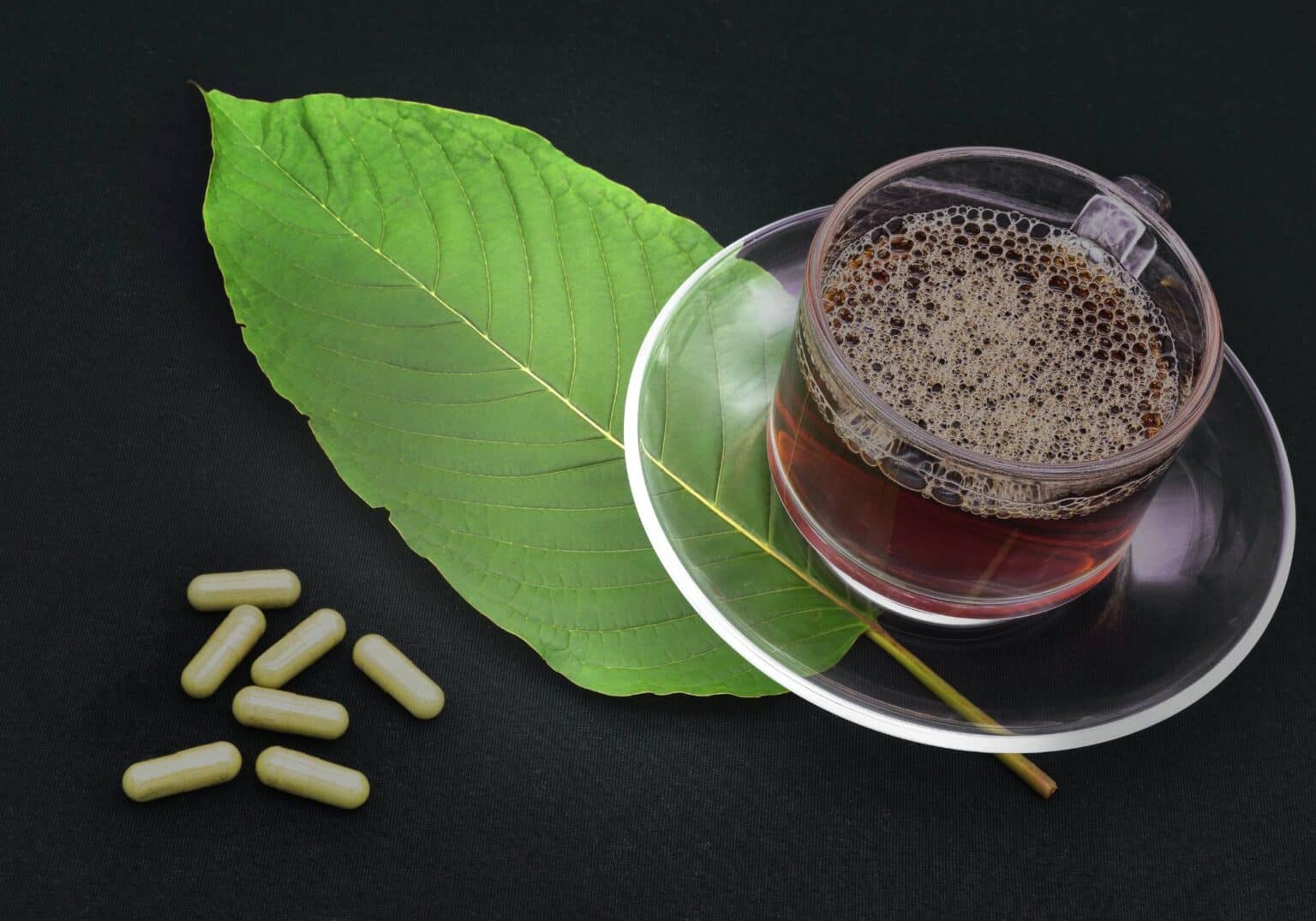
Kratom comes from the leaves of the Mitragyna speciosa tree, native to Southeast Asia.
It’s sold in the U.S. as:
- Powders or capsules
- Teas and drinks
- Extract shots or gummies
Depending on dose, people may feel more energized and focused or more relaxed and sedated. Kratom’s main active compounds, mitragynine and 7-hydroxymitragynine, act on some of the same brain receptors as opioids, which helps explain why it can be habit-forming and why withdrawal is possible for heavy users.
Will Kratom Show Up on a Standard 5-Panel or 10-Panel Test?
Most basic workplace or court drug screens are designed to look for common substances like:
- THC (marijuana)
- Cocaine
- Amphetamines
- Opiates (like heroin, morphine)
- PCP
Some expanded panels add benzodiazepines, barbiturates, and a few others. Kratom is not typically included on these basic panels.
That means:
- A standard 5-panel test is very unlikely to detect kratom.
- Even many 7- or 10-panel screens don’t routinely look for kratom or its metabolites.
However, this is changing in some settings. Pain management clinics, addiction treatment programs, and certain monitoring programs may add a specific kratom assay to see whether kratom is being used alongside other substances. Quest Diagnostics, for example, describes kratom as a “drug of concern” and notes that clinicians can choose to add targeted kratom testing when appropriate.
Bottom line: you can’t assume kratom will never be tested for. The only way to know for sure is to ask what substances are included in the panel.
How Do Labs Test for Kratom?
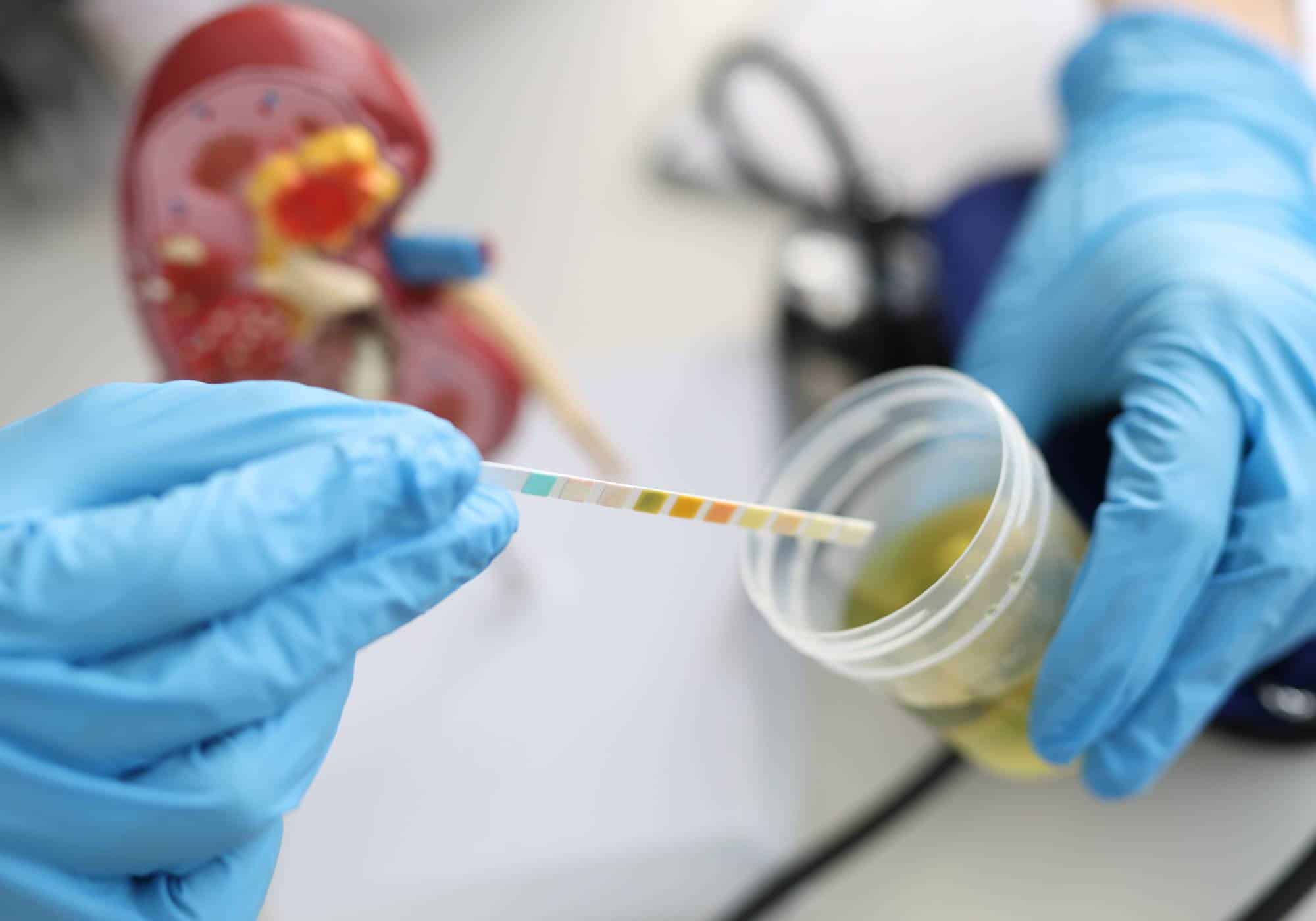
Kratom doesn’t usually show up as “opioids” or “amphetamines” on a routine immunoassay test.
Instead, labs that test for kratom use more specific methods that look for kratom’s alkaloids:
- Mitragynine
- 7-hydroxymitragynine (7-OH)
- Sometimes other minor alkaloids
These are typically detected with high-sensitivity analytical techniques such as:
- LC-MS/MS (liquid chromatography–tandem mass spectrometry)
- HPLC (high-performance liquid chromatography)
Because these tests are more specialized (and more expensive), they’re usually ordered only when there’s a reason to suspect kratom use—such as in treatment monitoring, pain management programs, or legal cases.
Which Drug Tests Can Detect Kratom?
If a panel does include kratom, it can usually be found in several types of samples:
-
Urine:
- Most common sample type
- Rough detection window: often 1–3 days for occasional use, and up to a week or so for frequent, heavy use, depending on dose and metabolism.
-
Blood:
- Shorter detection window, generally 1–2 days
- More often used in medical or emergency settings than in routine employment screening
-
Saliva:
- Very short window (roughly 1–2 days)
- Less common for kratom specifically
-
Hair:
- Can reflect longer-term use (weeks to months)
- Typically used only in more intensive or forensic testing situations
Exact detection windows vary based on your metabolism, liver and kidney function, how much you’ve been using, and how often.
Factors That Affect How Long Kratom Stays in Your System
Some of the things that can change how long kratom shows up on a kratom-specific test include:
-
How often you use it
- Single or occasional use usually clears faster
- Daily or heavy use can build up and be detectable longer
-
Dose and product strength
-
Extracts and high-potency products may stick around longer than small doses of plain leaf
-
-
Your body
-
Age, liver and kidney health, body weight, and genetics all affect how quickly you process substances
-
-
Other medications or substances
-
Some drugs can interact with liver enzymes and may change how kratom is metabolized
-
Even if kratom isn’t included on a given test, these factors still matter—especially for your health and your risk of withdrawal or side effects.
Can Kratom Cause a False Positive for Other Drugs?
Most sources suggest that kratom itself generally does not show up as another drug (like opiates or meth) on standard immunoassay screens
However, there are a few caveats:
- Low-quality or contaminated products might be adulterated with other substances that do trigger a positive result.
- Testing kits differ, and some rare cross-reactivity is always theoretically possible.
If a result is questionable or unexpected, labs often confirm positives with more specific tests like GC-MS or LC-MS/MS, which can distinguish kratom alkaloids from other drugs.
Why People Using Kratom Still Need to Be Careful
Because kratom is sold as an herbal supplement or “natural” product, it can be easy to assume that it’s safe or that use doesn’t “count” as a serious issue.
But research and public health agencies are raising concerns:
- Kratom has opioid-like effects at higher doses and can be addictive for some people.
- Withdrawal symptoms (anxiety, insomnia, muscle aches, irritability) are reported by regular users who stop abruptly.
- Products can vary hugely in potency and may be contaminated or mislabeled.
The American Psychiatric Association’s overview “What is kratom and why is it raising concerns?” notes that kratom’s growing popularity comes with real risks, including dependence, withdrawal, and toxicity, especially when people use it heavily or combine it with other substances.

When Worrying About a Drug Test Is a Red Flag
It’s totally understandable to be anxious about a drug test if kratom has become part of your daily routine. Sometimes, the fear of “getting caught” is actually pointing to a bigger issue, like:
- Needing kratom just to feel “normal” or get through the day
- Using larger amounts over time to get the same effect
- Trying to manage pain, anxiety, or opioid withdrawal without medical support
- Hiding kratom use from family, employers, or healthcare providers
If this sounds familiar, the real question might be less “Will kratom show up on my test?” and more “Is kratom starting to control too much of my life?”
Talking with a professional who understands both substance use and mental health can help you sort out:
- Why you’re using kratom
- How it’s actually affecting your body, mood, and relationships
- Whether a taper, alternative treatment, or higher level of care would feel safer and more sustainable
You don’t have to figure that out alone. Contact Hope Harbor Wellness at 770-573-9546 or fill out our online contact form today to take the first step.
Does Kratom Show Up on a Drug Test? FAQs
Does kratom show up on a standard drug test?
Most standard 5-panel or basic employment drug tests do not include kratom, so it typically doesn’t show up unless a specific kratom test or expanded panel is ordered.
Can kratom be detected on a urine test?
Yes, if the lab is specifically testing for kratom alkaloids like mitragynine, kratom can be detected in urine. Detection is often a few days for occasional users and longer for heavy, frequent users.
What kind of drug test looks for kratom?
Specialized panels ordered by pain clinics, treatment programs, or some legal systems may include kratom. These usually rely on sensitive methods like LC-MS/MS rather than basic immunoassay strips.
How long does kratom stay in your system for a drug test?
It depends on dose, frequency, and your metabolism. In kratom-specific urine tests, occasional use may be detectable for a couple of days, while daily heavy use may be detectable for longer.
Will kratom make me test positive for opioids or other drugs?
Kratom itself usually doesn’t show up as opioids or other drugs on standard screens, but contaminated products or rare test cross-reactions could cause confusing results. Confirmatory testing can clarify what’s really present.
What should I do if I’m worried about a drug test and my kratom use?
You can ask the testing organization which substances their panel includes. If kratom use is becoming hard to control or you’re using it to manage pain or withdrawal on your own, it may also be a good time to speak with a healthcare or addiction professional.
Take the First Step Toward Recovery
While kratom has gained a reputation for possibly helping people with pain, energy, or mood, it’s not without risks—and yes, “Does kratom show up on a drug test?” is a real concern in certain circumstances. If you or a loved one is struggling with kratom or any other substance, it might be time to seek professional help.
Hope Harbor Wellness provides compassionate outpatient drug rehab services tailored to your unique needs. From addressing withdrawal symptoms to exploring the root causes of substance use, our programs aim to guide you toward long-lasting sobriety. Our approach can include partial hospitalization (PHP), intensive outpatient (IOP), evening IOP, and standard outpatient care. We offer therapy, skill-building sessions, and relapse prevention strategies, all designed to help you feel supported in every step.
Why Choose Outpatient Rehab?
- Flexibility: Continue working, attending school, or taking care of personal obligations.
- Cost-Effective: Typically less expensive than residential programs.
- Community Integration: Practice new coping strategies in real-world settings, then receive immediate feedback from our clinical team.
When you join an outpatient program, you can expect a thorough assessment to tailor your plan. We’ll address physical, emotional, and mental health aspects, ensuring you get a balanced roadmap for recovery. You won’t be left alone once formal treatment ends—ongoing support and aftercare help you maintain progress over the long haul.
If kratom or any other substance is affecting your life, don’t wait until you’re at rock bottom. You deserve a healthier future. Contact Hope Harbor Wellness at 770-573-9546 or fill out our online contact form today to take the first step. We’re here to guide you toward a life free from the uncertainties of addiction, one day at a time.