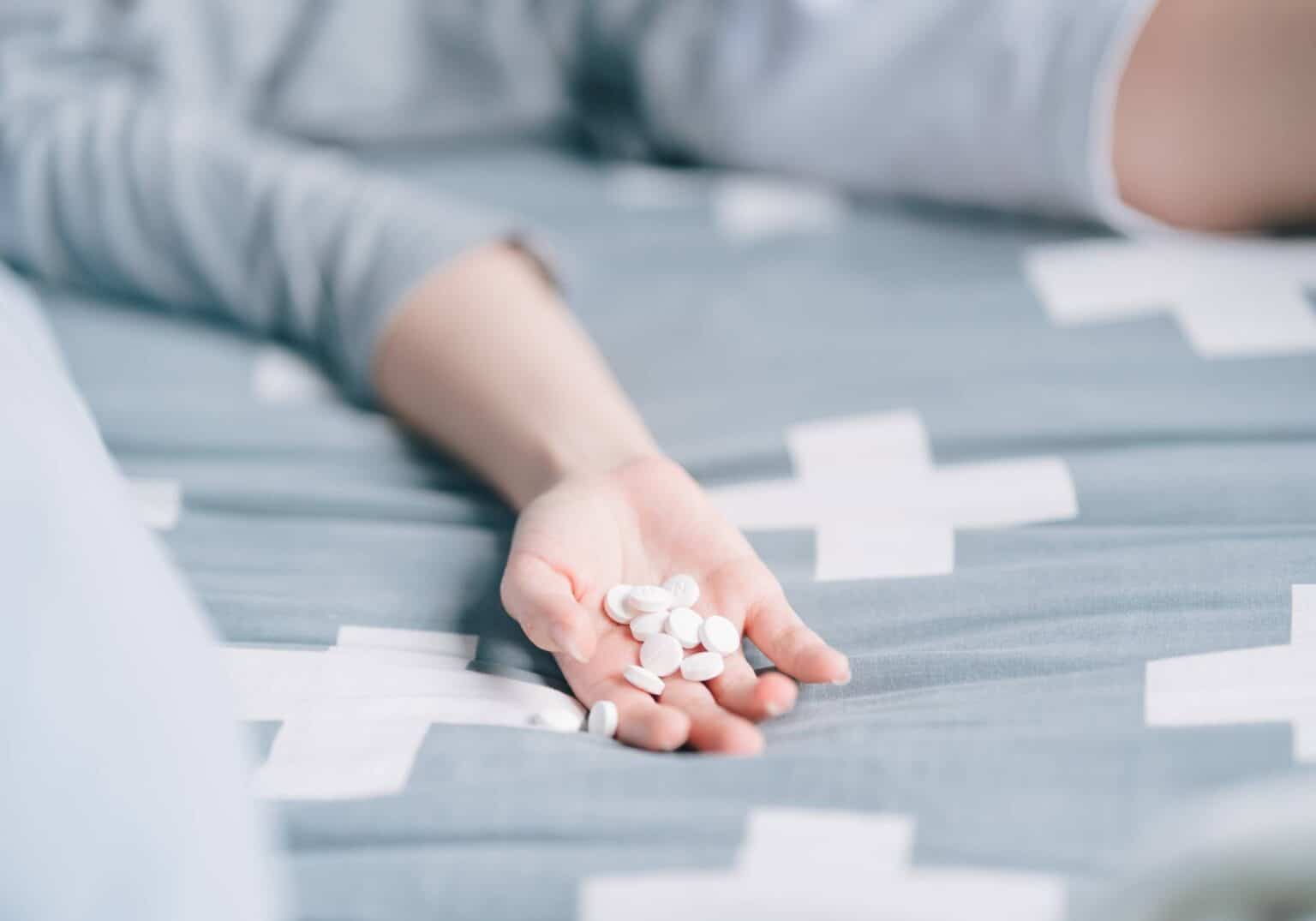
Our nation’s accidental overdose emergency remains a public-health crisis, even as new data hint at progress. Provisional CDC figures show 107,543 drug-poisoning deaths in 2023—about 295 per day—and a modest 3 % decline from 2022, the first drop since 2018. Early 2025 analyses predict a deeper 24 % fall, yet that still equates to roughly 240 preventable deaths every 24 hours. More than three-quarters involve synthetic opioids such as fentanyl, now mixed into counterfeit pills and powders across the country. Knowing how to recognize and respond to an accidental drug overdose can save a life—and may be the turning point that leads someone you love to compassionate, evidence-based care at Hope Harbor Wellness.
Understanding the Crisis
The roots of this crisis stretch back to a period when manufacturers promoted prescription opioids as “non-addictive,” leading to widespread overprescribing and the subsequent development of dependence. When tighter regulations and laws reduced the legitimate supply of these medications, many individuals struggling with opioid dependence were tragically driven to the illicit drug market. Here, a profoundly more dangerous substance came to dominate: fentanyl.
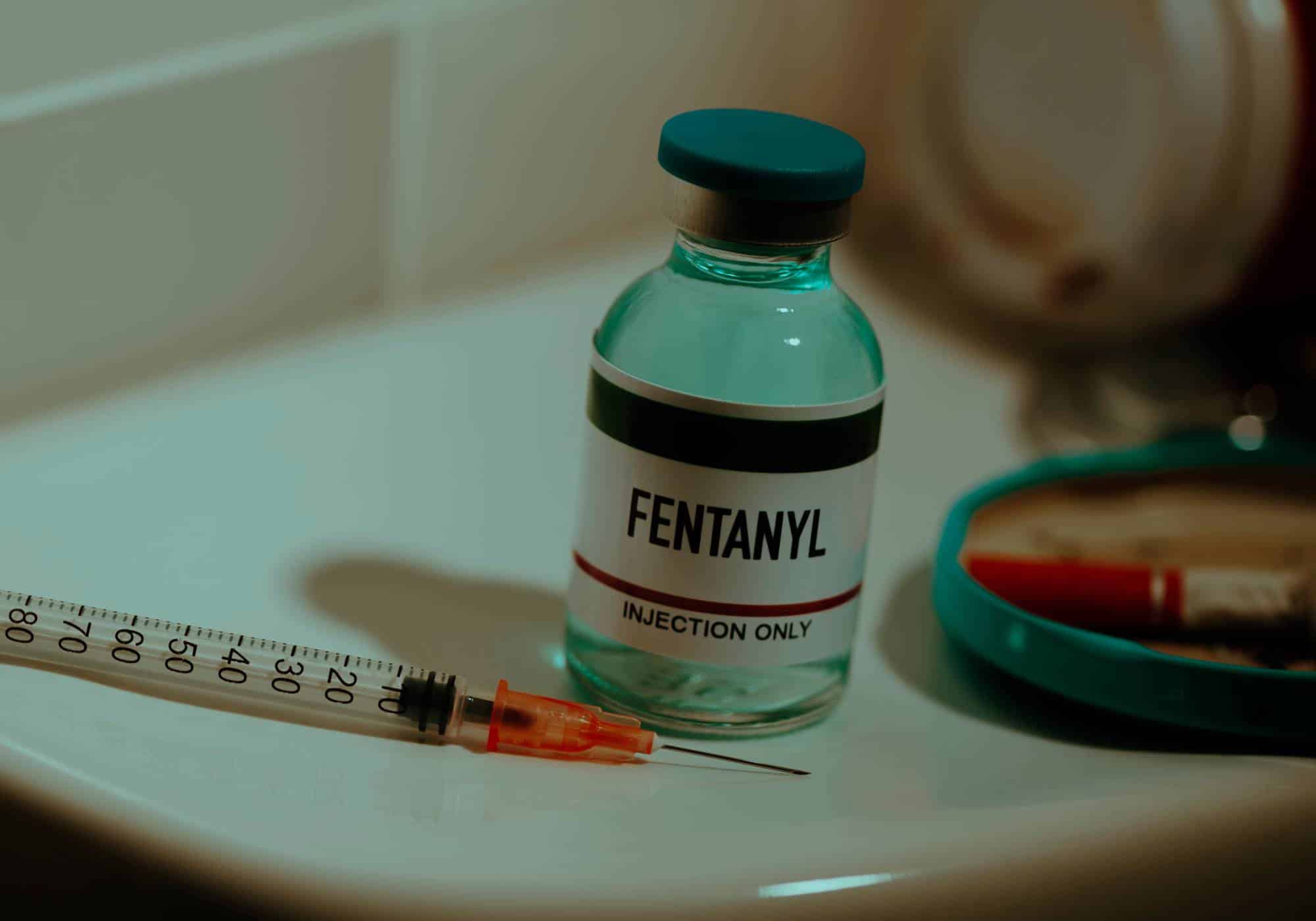
Fentanyl is a synthetic opioid that is astonishingly potent—50 to 100 times stronger than morphine. Its extreme potency means that even a minuscule amount, as little as two salt-grain-sized milligrams, can be fatal. This makes every dose purchased illicitly a deadly gamble. Compounding the danger, fentanyl is now frequently cut into other street drugs, and even pressed into counterfeit pills designed to mimic legitimate prescription medications. This means an unsuspecting individual might take what they believe is a common painkiller or stimulant, only to ingest a lethal dose of fentanyl, triggering an accidental overdose even in experienced users who are unaware of the hidden danger.
Adding another layer of complexity to this already dire situation is the increasing prevalence of xylazine. This veterinary tranquilizer, declared an emerging threat by federal health officials in 2023, is not an opioid. This crucial distinction means that naloxone (Narcan), the life-saving medication used to reverse opioid overdoses, cannot reverse xylazine’s profound sedative effects. When fentanyl is mixed with xylazine, rescue becomes significantly more challenging, making rapid rescue breathing and immediate medical care even more critical for survival. Understanding this evolving landscape of dangerous illicit substances is paramount for public safety and effective intervention.
What is fentanyl and why is it so dangerous?
Fentanyl is a potent synthetic opioid, 50-100 times stronger than morphine. It’s extremely dangerous because a tiny amount (as little as 2 milligrams) can be fatal, and it’s frequently mixed into illicit drugs and counterfeit pills, leading to accidental overdoses even in unaware users.
What is xylazine and how does it complicate overdose response?
Xylazine is a powerful veterinary tranquilizer now commonly found mixed with fentanyl. It complicates overdose response because, unlike opioids, its sedative effects cannot be reversed by naloxone (Narcan), making immediate medical attention and rescue breathing even more critical.
Recognizing the Urgent Warning Signs of an Accidental Overdose
An accidental drug overdose represents a medical emergency that severely overwhelms the central nervous system, putting vital bodily functions like respiration and heart function in critical jeopardy. Recognizing the signs quickly is essential for saving a life.
Act fast and be prepared to call for help if you notice any of the following:
- Breathing that is slow, irregular, or has stopped entirely: This is one of the most critical signs, indicating respiratory depression, where the lungs are not taking in enough oxygen.
- Bluish lips, skin, or fingernails: This is a clear sign of cyanosis, meaning severe oxygen deprivation to the body’s tissues. It can be more difficult to spot on darker skin tones; check fingernail beds, gums, or inner eyelids.
- Unresponsiveness or inability to wake the person: The individual may be unconscious, limp, and not respond to shouting, rubbing their sternum, or other attempts to rouse them.
- Erratic or nonexistent pulse: The heart rate may be dangerously slow, irregular, or absent, indicating a severe cardiac event.
- Seizures, gurgling, or snoring sounds: These sounds can indicate an obstructed airway. Gurgling (often called a “death rattle”) suggests fluid in the airway, while loud snoring can mean the tongue has fallen back, blocking breathing.
Every second counts in an overdose situation. Your ability to quickly identify these signs can be the difference between life and death.
How to Respond to an Accidental Drug Overdose: A Step-by-Step Guide
Witnessing an overdose can be terrifying, but knowing exactly what to do can save a life. Swift and decisive action is crucial.
- Call 911 immediately: This is the most important step. Provide clear details about the person’s condition and location. Remember that Good Samaritan laws exist in 48 states and Washington D.C. to shield both callers and victims from simple drug possession charges, encouraging people to seek help without fear of legal repercussions. Your priority should always be saving a life.
- Administer naloxone (Narcan) if available: Naloxone is an opioid overdose reversal medication that can rapidly restore breathing and consciousness. The FDA made 4 mg Narcan nasal spray available over the counter in 2023, making it more accessible to the public. If you have it, administer one dose into a nostril. If breathing doesn’t improve after two minutes, give a second dose. It’s crucial to understand that naloxone only works on opioids and will not harm someone if they are not experiencing an opioid overdose.
- Stimulate and monitor breathing: If the person is unresponsive but breathing, try to keep them awake and talking. If they stop breathing or their breathing is very shallow, initiate rescue breaths (mouth-to-mouth resuscitation) or chest compressions if you are trained and comfortable doing so, especially if xylazine is suspected. Continue these efforts until medical help arrives.
- Place the person in the recovery position: Once naloxone is administered and if the person is breathing on their own, gently roll them onto their side. Support their head, bend their top knee, and tuck their bottom arm under their head. This position helps keep the airway clear and prevents aspiration (choking on vomit) if they become sick.
- Remain until help arrives: Do not leave the person alone. When first responders arrive, provide them with as many details as possible, including what substances you suspect were taken, how much, and the timing of the overdose and naloxone administration. This information is vital for their medical care.
The Urgency of Post-Overdose Care: A Catalyst for Change
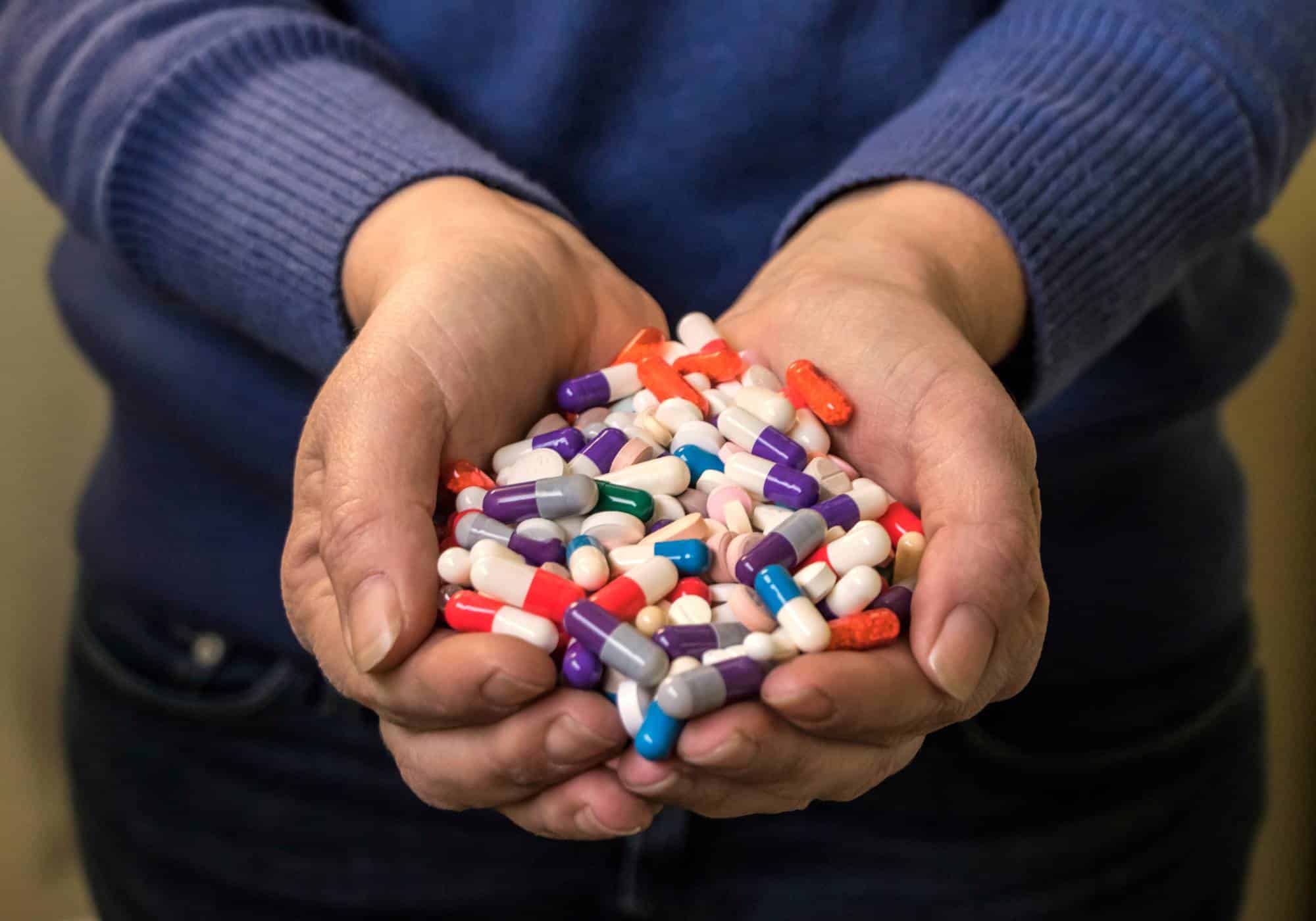
Surviving an accidental overdose is a profound turning point—a second chance at life. However, it is crucial to understand that surviving the immediate crisis is just the first step. The risk of another, potentially fatal, overdose is significantly higher in the days and weeks following a non-fatal overdose. This makes immediate follow-up care absolutely vital.
Research consistently shows that engaging in treatment shortly after an overdose dramatically reduces future overdose risk and improves long-term outcomes. For example, a Massachusetts study of 17,568 overdose survivors found that starting methadone treatment reduced the risk of death in the following year by 59%, and starting buprenorphine reduced it by 38%. These medications for opioid use disorder (MOUD) are life-saving tools that reduce cravings and withdrawal symptoms, providing a stable foundation for recovery.
At Hope Harbor Wellness, we specialize in providing accessible, compassionate outpatient substance abuse treatment designed for individuals who have experienced or are at risk of an accidental overdose. Our programs are tailored to meet unique needs without requiring a disruption to work, school, or family life. We offer rapid-access treatment, understanding the critical window of opportunity immediately following an overdose. Our integrated approach pairs FDA-approved medications for opioid use disorder (when appropriate) with evidence-based therapies like trauma-informed counseling, individual therapy, group support, and holistic supports. We help clients not only stabilize but also to rebuild their lives, learn healthy coping mechanisms, and navigate the complexities of recovery with dignity and respect.
Prevention Strategies and Harm-Reduction Tools: Empowering Communities
The ongoing overdose crisis demands proactive prevention and harm-reduction measures that empower individuals and communities to save lives.
These strategies are increasingly recognized as essential public health tools:
- Naloxone Distribution: Making naloxone widely available in pharmacies, libraries, community centers, and even bars has transformed everyday citizens into potential first responders. Training on how to administer Narcan is quick and easy, equipping more people to reverse opioid overdoses effectively.
- Fentanyl Test Strips: These simple strips, now legal in more than 35 states (always verify local laws, as some states still classify them as paraphernalia), allow users to check pills or powders for the presence of fentanyl before consumption. While not foolproof, they provide a crucial layer of awareness that can prevent accidental overdose.
- Medication-Disposal Bags and Local Take-Back Events: These initiatives prevent unused or expired prescription medications, particularly opioids, from entering the illicit supply chain. Safely disposing of medications removes potential sources of diversion and misuse.
- Safe-Use Education: Education campaigns teach people critical harm-reduction principles: never use alone (so someone can call for help if an overdose occurs), stagger doses (to avoid overwhelming the body), and create an overdose safety plan with friends who carry naloxone.
These community-level efforts are tangible ways to reduce immediate harm and provide a pathway to treatment for individuals who might not otherwise seek help.
Emerging Threats: Navigating Polysubstance Overdoses
While fentanyl remains the primary driver of overdose fatalities, the landscape of drug use is growing increasingly complex. Data from 2023 indicates a continued rise in cocaine- and methamphetamine-involved deaths, often in combination with opioids. The rapid spread of xylazine-adulterated fentanyl, often referred to as “tranq dope,” further complicates rescue efforts because it extends sedation beyond naloxone’s 30- to 90-minute reversal window. This means a person may be revived from the opioid effects but remain deeply sedated and at risk of respiratory depression due to xylazine.
Clinicians now advise a crucial two-point plan for responding to these polysubstance overdoses:
- Keep administering naloxone: Continue to give doses of naloxone for the opioid component, as it remains vital for reversing the fentanyl effects.
- Start rescue breaths early: Begin and maintain rescue breaths (or chest compressions if trained) to manage the non-opioid sedative effects of xylazine and ensure oxygen continues to reach the brain and vital organs. This can sustain life until advanced medical help arrives.
Understanding these emerging threats is essential for anyone responding to an overdose or seeking treatment.
Building an Overdose Safety Plan: Proactive Steps to Save Lives
Creating a written overdose safety plan is a proactive step that can significantly increase the odds of surviving an accidental drug overdose for an individual at risk or someone who lives with them. This plan should be shared with trusted individuals and reviewed regularly.
Here’s what to include:
- List personal overdose risk factors: Help the individual identify specific situations that heighten their risk, such as recent relapse (tolerance is lower), mixing drugs (e.g., opioids with benzodiazepines or alcohol), or using alone. Acknowledge that using alone is one of the highest risk factors.
- Identify naloxone carriers: Ensure friends, family, or coworkers who might be present know about the individual’s drug use history and are willing to carry and administer naloxone. Crucially, everyone should know exactly where naloxone is stored and how to use it.
- Set an emergency code word: Establish a discreet code word or phrase that can be used for quick 911 calls if something goes wrong, especially if the individual prefers privacy.
- Choose a nearby emergency department: Identify the closest emergency department that is familiar with medications for opioid use disorder (MOUD) and trauma-informed care. Knowing this in advance saves precious time during an emergency.
- Schedule a follow-up appointment with Hope Harbor Wellness: Make arrangements for a rapid-access treatment appointment within 24 hours of any non-fatal overdose. This immediate connection to care is a critical opportunity for intervention and can be the definitive turning point towards sustainable recovery.
At Hope Harbor Wellness in Atlanta, GA, we believe that an accidental overdose does not have to be the end of someone’s story. It can be the urgent call for help that leads to life-saving outpatient drug addiction treatment. Our compassionate team is ready to provide the individualized care, evidence-based therapies, and unwavering support needed to navigate detox, embrace recovery, and build a fulfilling life free from the grip of addiction. Your path to hope and healing starts here.
Frequently Asked Questions About Accidental Overdose
What is an accidental overdose?
An accidental overdose occurs when someone unintentionally consumes a drug—or mix of drugs—in a dose high enough to suppress breathing or heart function, producing life-threatening toxicity. Opioids, benzodiazepines, and stimulants cut with fentanyl are the most frequent causes.
How does fentanyl increase accidental drug-overdose risk?
Illicit fentanyl’s extreme potency—up to 100 × morphine—means a lethal amount may be invisible to the naked eye. Dealers often press fentanyl into pills that look identical to real painkillers, so users ingest a fatal dose without realizing it.
Is naloxone effective, and where can I get it?
Naloxone rapidly displaces opioids from brain receptors, restoring breathing within minutes. The FDA approved over-the-counter Narcan in March 2023; most national pharmacies now stock it without a prescription.
Will I face legal trouble if I call 911 during an overdose?
Good-Samaritan laws provide limited immunity from possession charges in nearly every state when you seek emergency help for an overdose.
What should I do after the overdose is reversed?
Naloxone may wear off in 30–90 minutes, so medical monitoring is crucial. Research shows beginning medication-assisted treatment shortly after a non-fatal overdose cuts future mortality by half or more.
Does Hope Harbor Wellness accept insurance for treatment?
Yes. We work with most major insurers and offer same-week assessments to start FDA-approved medications, evidence-based therapy, and holistic programs that support long-term recovery.