
Substance abuse is a pressing issue that affects individuals, families, and communities worldwide. It’s a complex problem that has far-reaching consequences, and addressing it effectively begins with dispelling the myths and misconceptions that often shroud it in ignorance and misunderstanding. In this blog, we’ll dive into the heart of the matter by debunking five common myths about substance abuse.
These myths not only perpetuate stigma but also hinder individuals from seeking the help and support they desperately need. By uncovering the truth and shedding light on the realities of substance abuse, we aim to empower those affected by it, whether directly or indirectly, to make informed decisions and take positive steps towards recovery.
Each of these myths has a profound impact on how society perceives and responds to substance abuse. By unraveling these misconceptions, we hope to inspire a more compassionate and empathetic approach to this complex issue. Whether you’re seeking answers for yourself or looking to support a loved one, understanding the truth about substance abuse is the first step toward a brighter and healthier future. So, let’s embark on this journey of discovery, challenging long-held beliefs and uncovering the reality of substance abuse and addiction.

Myth 1: Substance Abuse Is a Choice
The Reality of Addiction
One of the most enduring and harmful myths about substance abuse is the belief that it is merely a matter of choice. This misconception often leads to blame and judgment of individuals struggling with addiction, making it even more difficult for them to seek help. The reality is far more complex.
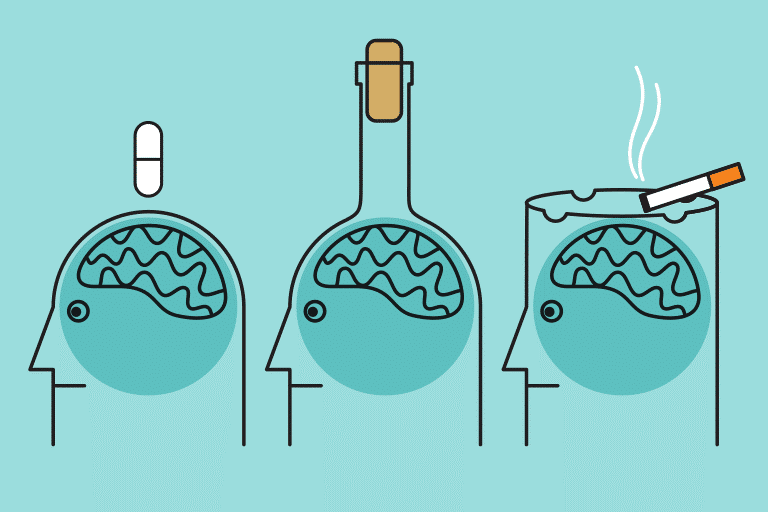
Addiction is a multifaceted brain disorder that fundamentally alters the way the brain functions. It affects the brain’s reward system, leading to intense cravings and compulsive drug or alcohol use. Over time, individuals may lose the ability to control their substance use, even in the face of severe negative consequences.
Understanding addiction as a disease rather than a choice is crucial. It emphasizes the need for evidence-based treatment, therapy, and support to address the underlying neurological changes and help individuals regain control over their lives.
Myth 2: Only “Bad” People Become Addicted
The Universality of Addiction
Another common myth surrounding substance abuse is the belief that only morally flawed or weak-willed individuals become addicted. This stereotype perpetuates the stigma associated with addiction and prevents many people from seeking help.
In reality, addiction does not discriminate. It can affect individuals from all walks of life, regardless of their character or moral values. Genetic predisposition, environmental factors, trauma, and co-occurring mental health issues can all contribute to the development of addiction.
By debunking this myth, society can shift its perspective on addiction. It encourages empathy and compassion for individuals struggling with substance abuse and reinforces the notion that addiction is a health issue that requires treatment, not a moral failing.
Myth 3: Treatment Is Always Successful on the First Try
The Journey to Recovery
The expectation that addiction treatment will always be successful on the first attempt is a misleading and harmful myth. Recovery from substance abuse is often a complex and nonlinear process.
Addiction treatment can vary widely based on individual needs and circumstances. It may involve detoxification, therapy, medication-assisted treatment, or a combination of these approaches. While many individuals achieve long-term recovery after their first treatment, others may experience setbacks or relapses along the way.
Understanding that recovery is a journey can help individuals and their loved ones manage expectations. It encourages perseverance and a commitment to ongoing support and treatment, even when relapses occur. With the right support and determination, individuals can ultimately achieve and maintain lasting sobriety.
Myth 4: You Can Spot an Addict by Their Appearance
The Hidden Face of Addiction
Stereotypes often lead people to believe that they can identify individuals struggling with addiction by their appearance. While some may exhibit visible signs of substance abuse, such as a disheveled appearance or physical changes, many individuals with addiction maintain a façade of normalcy.
In reality, addiction can affect people from all walks of life, and outward appearances can be deceiving. High-functioning individuals with addiction may excel in their professional and personal lives while secretly battling substance abuse.
By dispelling this myth, we emphasize the importance of looking beyond appearances and focusing on behaviors and emotional well-being. Encouraging open and nonjudgmental conversations about substance abuse can help individuals feel safe and supported when seeking help.
Myth 5: Treatment Is Only for Severe Cases
Early Intervention and Prevention
A common misconception is that addiction treatment is only necessary for individuals with severe substance abuse problems. This myth can delay or prevent individuals from seeking help during the early stages of addiction when intervention is often most effective.
Treatment and support are not limited to severe cases of addiction. Early intervention and prevention are essential components of addressing substance abuse effectively. Recognizing and addressing substance abuse at its onset can prevent it from progressing to a more severe stage.
By debunking this myth, we underscore the importance of seeking help or support as soon as substance abuse is recognized, regardless of its severity. It promotes a proactive approach to addressing substance abuse and encourages individuals to seek assistance early, ultimately improving their chances of successful recovery.
Take the First Step Towards Truth and Healing
Debunking these myths is essential to fostering a more compassionate and informed society. Substance abuse is a complex issue that affects individuals from all backgrounds, and recovery is a journey that requires understanding, support, and evidence-based treatment.
If you or someone you know is struggling with substance abuse, remember that help is available. Visit our website for more information or reach out to us today. Additionally, if you’re located in Tennessee, explore our sister company for personalized support tailored to your unique needs. Together, we can challenge these myths, uncover the truth about substance abuse, and embark on a path toward a brighter and healthier future. Your healing journey begins with taking that first step toward truth and recovery.