

Alcoholism doesn’t only impact the person drinking—it profoundly affects family members and loved ones too. Alcohol addiction can strain relationships, disrupt emotional development, and damage the mental health of everyone involved. Understanding the effects of alcoholism on family members is crucial in finding pathways toward healing.
Thankfully, recovery from alcohol addiction is achievable. With the right support, including professional addiction recovery programs, individuals can reclaim their lives and rebuild their family bonds. This article explores five significant effects of alcoholism on family members and outlines practical steps toward recovery.

What Is an Alcohol Use Disorder?
An Alcohol Use Disorder (AUD) is a medical condition characterized by problematic drinking that causes harm to the individual and others around them. Doctors prefer the term AUD over “alcoholism” because of the stigma often associated with the latter. An AUD includes varying levels of alcohol misuse, dependence, and addiction.
Severe AUD is essentially addiction—a chronic disease involving changes in brain chemistry. People struggling with an AUD continue drinking despite experiencing negative consequences, such as health issues, relationship problems, or legal troubles.
Fortunately, despite the destructive nature of AUDs, effective treatments and support systems can help families recover together.
How Does Alcohol Addiction Affect the Family?
Alcohol addiction is commonly described as a “family disease” due to its widespread impact. The effects of alcoholism on family members are both immediate and long-term, influencing emotional health, relationships, finances, and stability. Here are five key areas where families are most significantly impacted.
Child Development and Well-Being
One of the most serious effects of alcoholism on family members is its impact on children’s development. Parents struggling with alcohol addiction often can’t fully meet their children’s emotional and physical needs.
Children in these homes commonly face:
- Emotional neglect and lack of parental attention
- Isolation from social activities or friendships
- Responsibility for siblings or household duties at a young age
- Exposure to emotional or physical abuse
- Witnessing parental conflicts or relationship breakdowns
These factors can lead to long-term emotional and psychological difficulties. Children growing up in alcoholic households often struggle with trust, self-esteem, and healthy relationship-building. Research shows that these children are at higher risk of developing mental health disorders, including substance abuse, later in life.
Domestic Violence
Alcohol misuse significantly increases the risk of domestic violence. According to the World Health Organization, alcohol consumption is often linked to violent behaviors in intimate relationships. Alcohol can impair judgment and self-control, heightening aggression and increasing the likelihood of abusive incidents.
It’s essential to remember that domestic abuse—whether physical, emotional, or sexual—is never acceptable. If you’re experiencing abuse due to alcoholism within your family, seek confidential help from resources such as the National Domestic Violence Hotline.
Financial Problems
Financial strain is another common effect of alcoholism on family members. Maintaining heavy drinking habits is costly. Over time, money spent on alcohol can severely strain a family’s finances, leading to difficulties in paying bills, buying groceries, or covering basic needs. In extreme cases, the financial burden might push family members to cover up spending through deception, causing distrust and conflict.
Job Instability
Individuals with alcohol addiction frequently struggle to maintain stable employment. They might regularly arrive late, miss workdays, or underperform due to hangovers or intoxication. Job instability can put significant emotional and financial pressure on family members, contributing to anxiety, stress, and relationship tension.
Strained Relationships
Alcohol addiction severely impacts relationship quality. Couples where one or both partners abuse alcohol experience higher dissatisfaction, instability, and increased verbal or physical aggression. Alcohol can fuel ongoing conflict, mistrust, and resentment, creating toxic cycles that are difficult to break without professional intervention.
In such situations, couples or family therapy can be highly beneficial. Therapy helps families repair relationships by fostering open communication and teaching healthy coping strategies.

Alcohol Addiction Treatment
The most effective way to address the effects of alcoholism on family members is through professional alcohol addiction treatment. With guidance from addiction specialists, individuals and families can heal from alcohol misuse, restoring healthy family dynamics.
Modern addiction treatment is personalized, targeting each individual’s unique circumstances and needs.
Treatment options often include:
- Cognitive Behavioral Therapy (CBT): Teaches healthy coping skills, reducing reliance on alcohol.
- Medication-Assisted Treatment (MAT): Manages cravings and withdrawal symptoms safely.
- Group Therapy: Provides peer support, reducing feelings of isolation.
- Family Therapy: Rebuilds relationships and establishes supportive home environments.
- Dual Diagnosis Treatment: Addresses co-occurring mental health disorders alongside addiction.
- Mindfulness and Yoga: Encourages stress reduction and emotional awareness.
- Creative Therapies: Promotes expression and emotional healing through art or music.
- Life Skills Development: Equips individuals with tools for managing daily responsibilities.
Family Therapy
Family therapy is a cornerstone of treatment, directly addressing the effects of alcoholism on family members. Therapy sessions offer families a safe, structured environment to heal, communicate openly, and rebuild trust.
Family therapy might include:
- Education about addiction and its impacts.
- Strategies to resolve conflicts constructively.
- Techniques to improve communication and understanding.
- Building a stable, supportive environment to aid recovery.
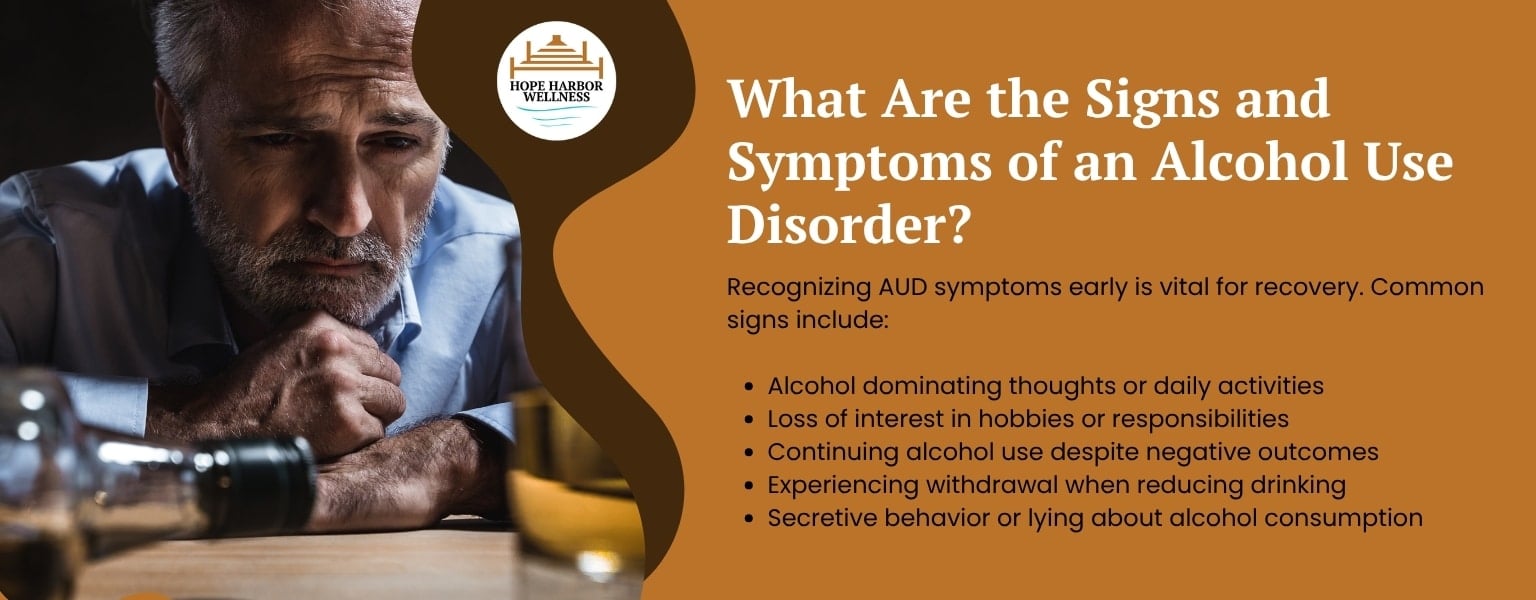
What Are the Signs and Symptoms of an Alcohol Use Disorder?
Recognizing AUD symptoms early is vital for recovery. Common signs include:
- Alcohol dominating thoughts or daily activities
- Loss of interest in hobbies or responsibilities
- Continuing alcohol use despite negative outcomes
- Experiencing withdrawal when reducing drinking
- Secretive behavior or lying about alcohol consumption
If you notice these signs in yourself or someone you love, seeking professional advice is crucial.
Supporting a Spouse With Alcohol Addiction
Helping a spouse struggling with alcohol addiction can feel overwhelming. However, there are supportive steps you can take:
Have an Open Conversation
Initiate a non-judgmental, compassionate conversation about your spouse’s drinking. Clearly express your concerns, the effects of alcoholism on family life, and emphasize your support for their recovery. If they’re resistant, consider a professional intervention guided by an addiction specialist.
Prioritize Self-Care
Living with a partner who abuses alcohol is emotionally taxing. Prioritize your mental and physical health through regular exercise, proper nutrition, and consistent sleep. Seek emotional support from friends or professional counseling services to strengthen your resilience.
Establish Boundaries
If your spouse’s behavior becomes abusive or harmful, establish firm boundaries. Remember, you never need to tolerate abuse—seek support to create a safe environment for yourself and your family.
Addiction Treatment at Hope Harbor Wellness
Hope Harbor Wellness provides comprehensive outpatient addiction treatment in Atlanta, GA. We offer specialized, evidence-based therapies to address alcohol addiction’s root causes, ensuring effective, lasting recovery.
At Hope Harbor Wellness, we recognize the importance of family involvement. We invite family members into the recovery process, providing education, counseling, and support to restore family unity and strength.
Our outpatient treatment options allow flexibility, enabling clients to maintain daily responsibilities while receiving high-quality care. Our compassionate, experienced team supports clients through every step, ensuring each individual’s needs are fully met.
If alcohol addiction impacts your family, now is the time to act. Recovery is achievable, and we are here to guide you through every step.
Contact Hope Harbor Wellness at 770-230-4257 or fill out our contact form today and take the first step toward healing your family.
Effects of Alcoholism on Family FAQs
How does alcoholism affect children emotionally?
Kids may develop anxiety, low self-esteem, or caretaker roles, increasing risk of future addiction.
What financial impacts arise?
Job loss, medical bills, and legal fees strain family budgets and can lead to debt or housing instability.
Does alcoholism increase domestic violence?
Yes—alcohol is a factor in roughly 55 % of intimate-partner violence cases.
Can family therapy help?
Structured family programs improve communication, set healthy boundaries, and increase recovery success.
What support groups exist for relatives?
Al-Anon and Adult Children of Alcoholics (ACA) provide peer support and coping skills.