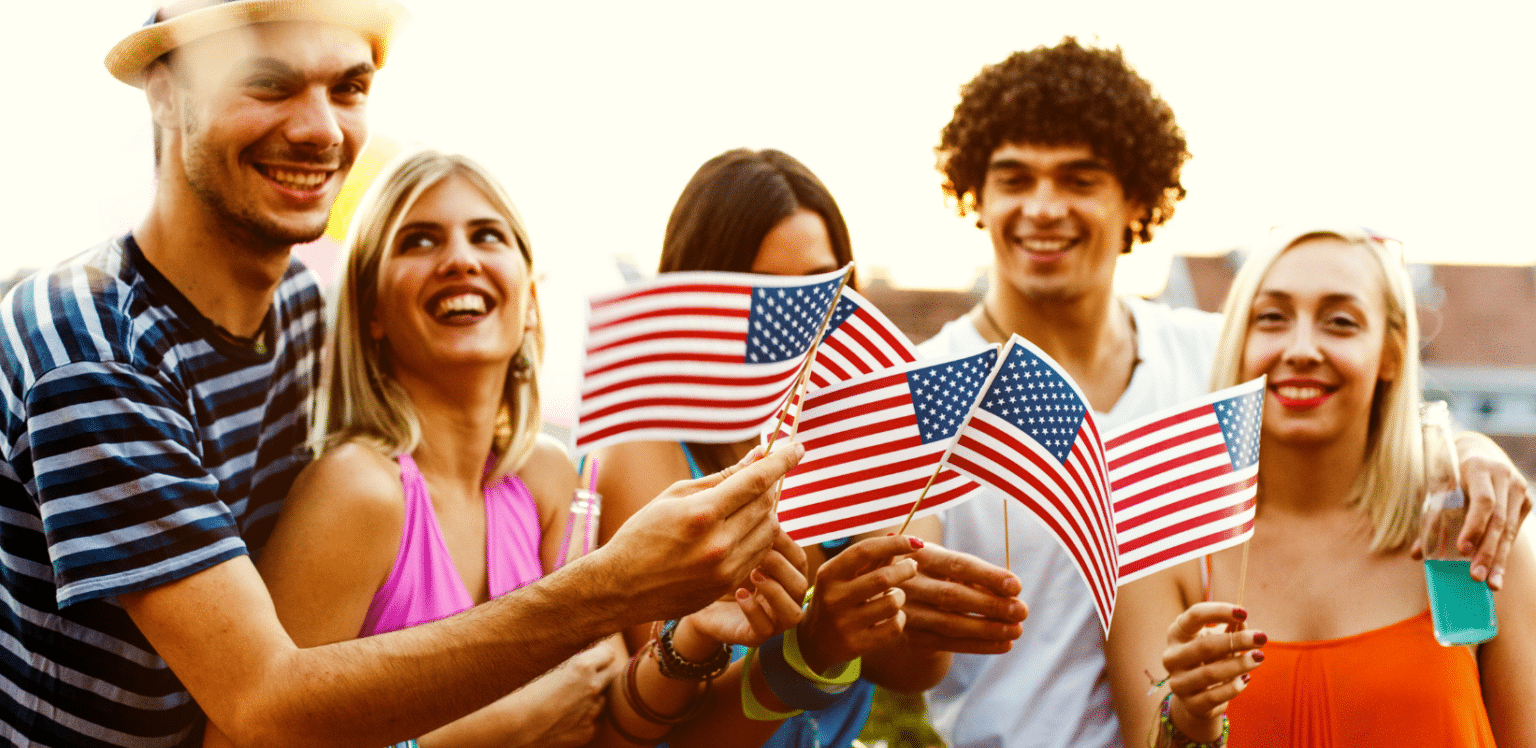

The 4th of July is synonymous with fireworks, barbecues, and social gatherings, making it a highlight of the summer. However, for those in recovery, it can also bring a host of challenges. The prevalence of alcohol and the party atmosphere can create triggers and temptations that are difficult to navigate. But with the right strategies and support, you can enjoy the festivities while maintaining your sobriety. Here are some practical tips and advice to help you handle social gatherings, peer pressure, and triggers during the 4th of July celebrations. 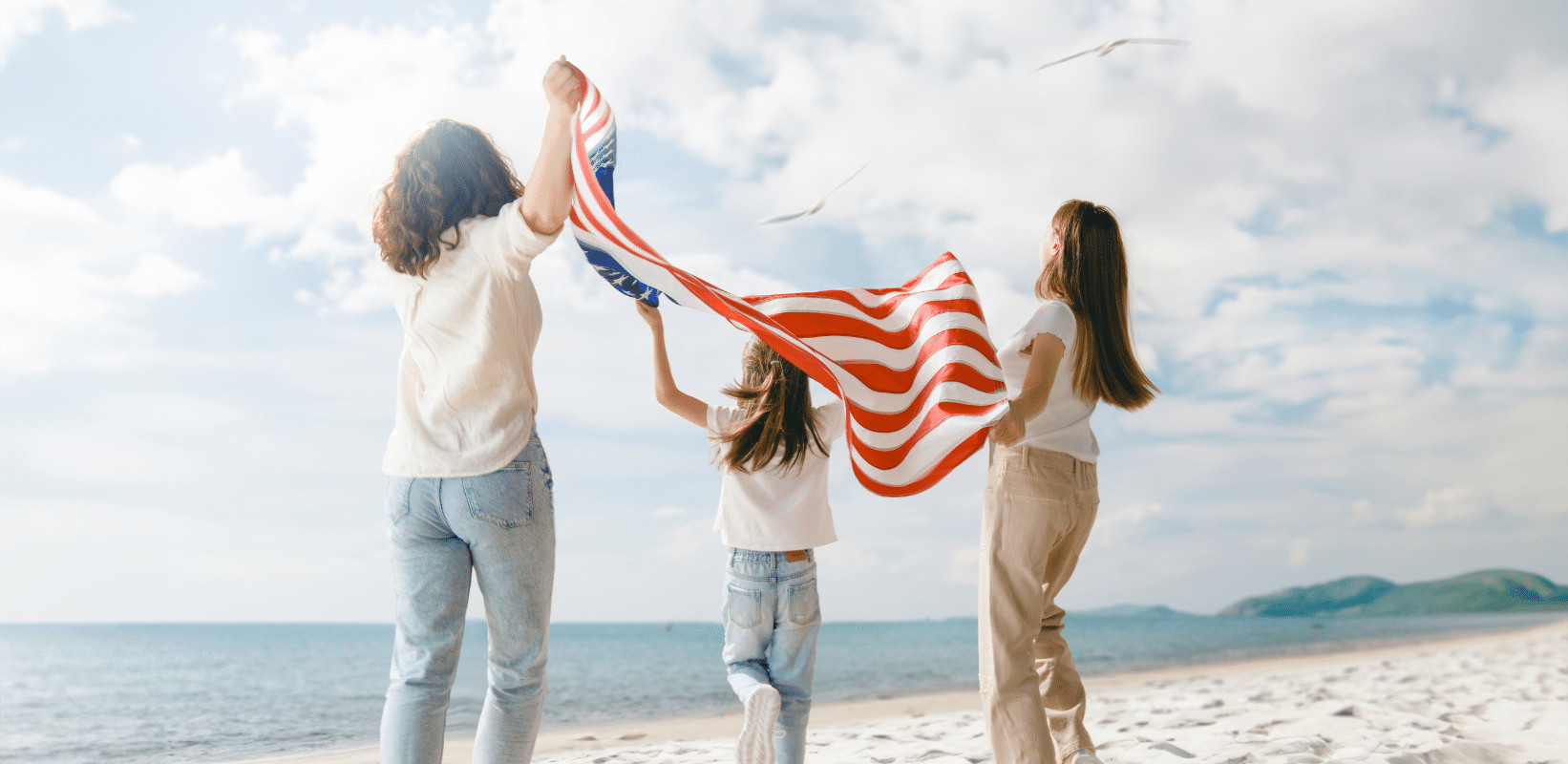
Planning Ahead
One of the most effective ways to navigate the 4th of July in recovery is to plan ahead. Knowing where you’ll be, who you’ll be with, and what activities you’ll engage in can help you avoid unexpected situations that might challenge your sobriety.
Start by choosing events and gatherings that are known to be supportive of your recovery. If you’re attending a barbecue or party, consider bringing a sober friend along for support. Having someone who understands your journey can provide a sense of security and accountability.
It’s also helpful to have a few responses prepared for when someone offers you a drink. A simple, “No thanks, I’m driving,” or “I’m not drinking tonight,” can suffice. Having a plan for how to handle these situations can reduce anxiety and make you feel more in control.
Managing Peer Pressure
Peer pressure can be particularly challenging during holiday celebrations. Friends and family might not understand your recovery journey and could inadvertently pressure you to join in on drinking or other substance use.
Open communication is key. Before attending an event, let the host know about your decision to stay sober. Most people will respect your choice and appreciate your honesty. You can say something like, “I’m focusing on my health right now, so I’m not drinking, but I’m excited to celebrate with everyone.”
If you find yourself in a situation where the pressure becomes too much, have an exit plan. Make sure you have a way to leave if you start to feel uncomfortable or tempted. This could mean driving yourself, arranging for a ride with a supportive friend, or using a ride-sharing service.
Identifying and Avoiding Triggers
Triggers can come in many forms, from certain people and places to specific activities and emotions. Identifying your triggers ahead of time can help you avoid or manage them during the 4th of July celebrations.
For some, large crowds and loud noises like fireworks can be triggering. If this is the case for you, consider attending smaller gatherings or finding a quieter place to watch the fireworks from a distance. Alternatively, you might opt for a different type of celebration altogether, such as a relaxing day at the beach or a quiet evening with close friends.
It’s also important to monitor your emotional state. Holidays can sometimes bring up feelings of loneliness, stress, or sadness. If you start to feel overwhelmed, take a break. Practice self-care by engaging in activities that help you relax and feel grounded, such as deep breathing exercises, meditation, or a walk in nature.
Staying Occupied with Sober Activities
Keeping yourself busy with sober activities can make the holiday more enjoyable and reduce the temptation to drink or use substances. Plan a day filled with fun, substance-free activities that you genuinely enjoy.
Consider hosting your own sober 4th of July barbecue. Invite friends and family who support your sobriety and focus on delicious food, games, and good company. You can try new grilling recipes, have a potluck where everyone brings a dish, and set up outdoor games like cornhole, frisbee, or badminton.
Many communities host alcohol-free events such as parades, festivals, and fireworks shows. These events are great opportunities to enjoy the holiday spirit without the pressure of drinking. Check your local listings for family-friendly events that you can attend.

Building a Support Network
Having a strong support network is crucial for maintaining sobriety, especially during challenging times like holidays. Reach out to your support system before the 4th of July and let them know how you’re feeling. This could include friends, family, a sponsor, or members of your recovery group.
Consider scheduling a check-in call with your sponsor or a trusted friend before and after the celebrations. Knowing that you have someone to talk to can provide comfort and reduce anxiety.
If you’re part of a recovery group, find out if there are any meetings scheduled for the 4th of July. Many groups hold extra meetings during holidays to provide additional support. Attending a meeting can help you stay grounded and connected to your recovery community.
Embracing New Traditions
Recovery offers the opportunity to create new, healthier traditions. The 4th of July can be a chance to start fresh and redefine what the holiday means to you.
Think about what you enjoy most about the 4th of July and find ways to incorporate those elements into your sober celebration. Whether it’s watching fireworks, enjoying good food, or spending time with loved ones, focus on activities that bring you joy and align with your recovery goals.
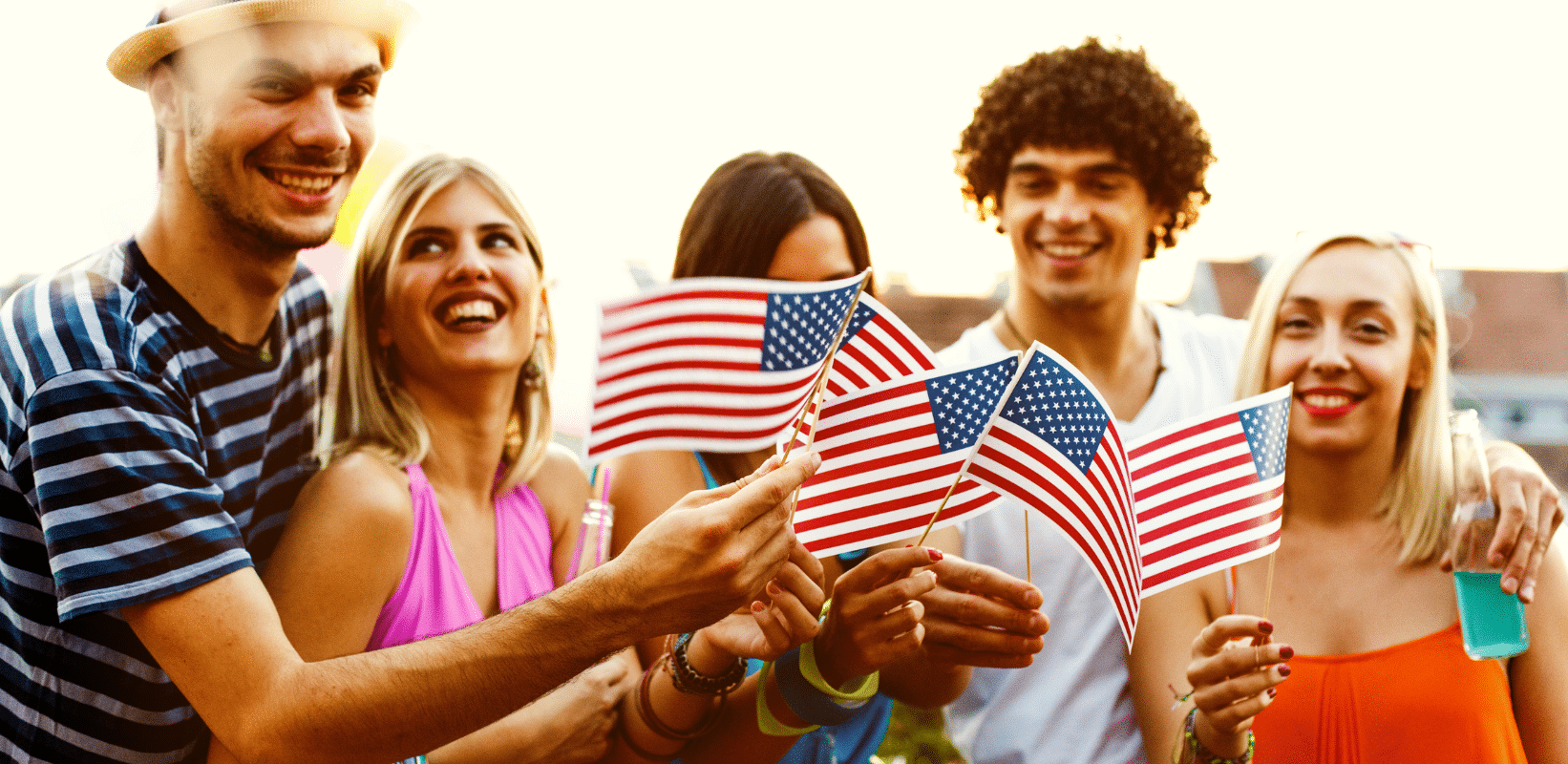
Reach Out To Us!
At our substance abuse and mental health company, we understand the challenges that come with staying sober during holidays. If you or a loved one needs support, don’t hesitate to reach out to us. We offer a range of services designed to help you maintain your sobriety and mental well-being. If you are in Tennessee, please reach out to our sister company for additional support and resources.
Navigating the 4th of July in recovery can be challenging, but it’s entirely possible to enjoy the holiday while staying sober. By planning ahead, managing peer pressure, identifying and avoiding triggers, staying occupied with sober activities, building a support network, and embracing new traditions, you can have a fun and memorable Independence Day. Remember, your sobriety is a testament to your strength and commitment to a healthier life. Embrace the holiday with a clear mind and a joyful heart, knowing that you’re making positive choices for yourself and those around you. Happy Independence Day!