
Many people use the names MDMA and MDA interchangeably. They sound alike, show up in similar settings, and both belong to the phenethylamine family of psychoactive drugs. Yet they are not the same. The difference between MDMA and MDA shows up in chemistry, effects, risks, duration, and how the comedown feels. If you or someone you love is experimenting with either substance, understanding these distinctions can help you make safer choices—and know when it’s time to get help.
At Hope Harbor Wellness in Atlanta, GA, we support people facing substance use and co-occurring mental health challenges with compassionate, evidence-based care. Below, we explain how MDMA and MDA compare, where risks overlap, and what recovery can look like when use spirals.
If you or a loved one is struggling with the misuse of MDA or MDMA, support is available. Take the first critical step toward recovery by calling Hope Harbor Wellness at 770-573-9546 or fill out our online contact form to confidentially explore our compassionate, comprehensive substance abuse treatment options.
Prevalence of Party Drugs like MDMA and MDA
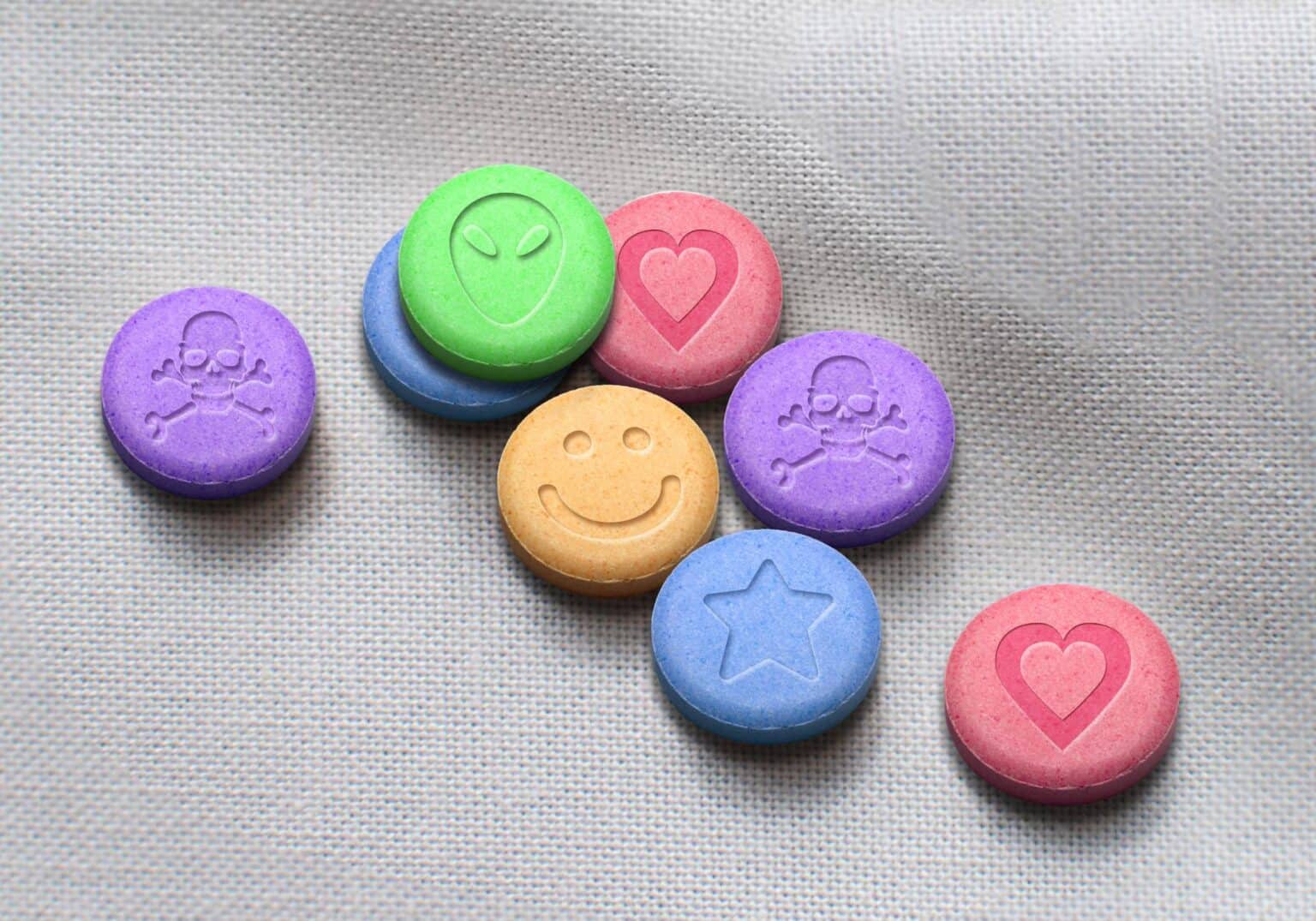
MDMA and MDA are common on the festival and club scene because they blend stimulant and psychedelic effects. People seek heightened energy, empathy, and sensory enhancement. Pills, powders, and crystals sold as “Molly,” “Ecstasy,” or “sass” often contain mixed ingredients—even when labeled otherwise. That uncertainty raises risk. Two tablets sold under the same logo can contain different doses or entirely different drugs.
Both MDMA and MDA gained popularity decades ago, and both remain in circulation today. MDMA tends to be more common; MDA appears in certain regional markets and sometimes turns up in products sold as MDMA. Because street supplies change rapidly, the safest assumption is that potency, purity, and content vary from batch to batch. That variability is one reason emergency visits can spike during large events where dehydration, heat, and long hours intensify the body’s stress response.
What Is the Difference Between MDMA and MDA?
The simple version: MDMA (3,4-methylenedioxymethamphetamine) and MDA (3,4-methylenedioxyamphetamine) share a core structure but act a bit differently in the brain and body. Users often describe MDMA as more entactogenic (connection- and empathy-enhancing) and MDA as more psychedelic and visual. MDA typically lasts longer and can feel “sharper” or more stimulating. MDMA’s classic profile includes warmth, openness, and enhanced touch and music appreciation.
From a risk standpoint, the difference between MDMA and MDA matters because MDA can be more neurotoxic at comparable doses and often produces a stronger, longer experience. That longer tail increases the window for overheating, dehydration, heart strain, and post-use mood problems.
MDMA vs. MDA: Differences in Physical Effects
Both substances can raise heart rate, blood pressure, and body temperature. MDMA tends to elevate temperature and strain the cardiovascular system a bit more for many users, which can be dangerous during intense dancing or in hot environments. MDA often produces more muscle tension and jaw clenching, with some people reporting pronounced “turning” or tight facial muscles. That tension contributes to headaches, dental strain, and neck or back soreness after a long night.
Other physical differences people notice:
- MDMA often causes more sweating and thirst; MDA can feel “dryer,” with tighter muscles and more stimulation.
- MDMA users report a smoother body buzz; MDA users often note a more pronounced stimulant edge.
- Both can reduce appetite and disturb sleep; MDA’s longer duration can extend insomnia and next-day fatigue.
These patterns aren’t guarantees—individual biology, dose, and product purity play a big role—but they reflect common user reports.
Chemical Differences Between MDMA and MDA
A small structural change—one extra methyl group in MDMA—leads to real-world differences. Both release and inhibit reuptake of serotonin, dopamine, and norepinephrine, but in varying proportions. MDA generally shows a higher affinity for serotonin systems and can be more hallucinogenic. That stronger serotonergic push partly explains why MDA may carry higher neurotoxicity risk at similar dose ranges and why its effects often outlast MDMA.
Metabolism differs, too. The body converts a portion of MDMA into MDA. This means some MDMA experiences include an “MDA phase” later in the session, which can feel more visual or edgy. Genetic differences in liver enzymes also change how long each drug stays active and how intense the high feels.
Dangers of MDA vs MDMA
Because the names and effects overlap, people sometimes substitute one for the other without realizing it.
That can be risky:
- Overheating and dehydration: Both push body temperature up. Dancing for hours, limited shade, and poor hydration amplify danger.
- Cardiac complications: Elevated heart rate and blood pressure stress the cardiovascular system, especially in high heat or with preexisting conditions.
- Seizures and muscle rigidity: More likely with high doses, polydrug use, or contaminated products.
- Psychotic episodes and panic: Visual distortion with MDA and sensory overload with MDMA can trigger severe anxiety, paranoia, or temporary psychosis.
- Neurotoxicity: MDA is often considered more damaging at comparable doses; MDMA can also harm serotonin systems, especially with frequent, high-dose use.
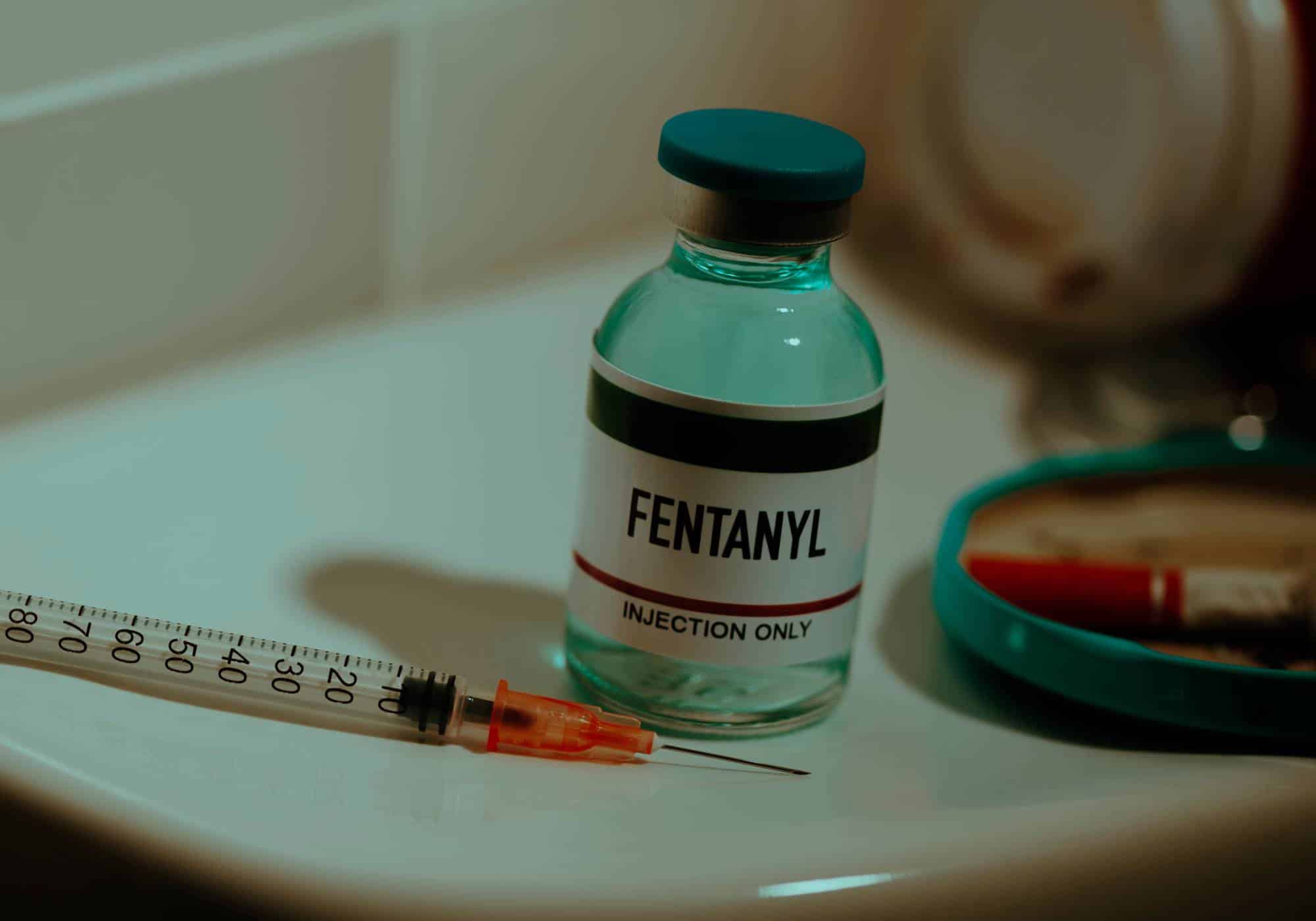
Mixing with alcohol, cocaine, methamphetamine, ketamine, or “downers” raises the odds of medical emergencies. And because counterfeit pills may contain fentanyl or potent stimulants, the danger today is not just about the intended drug—it’s about what’s actually in the bag.
Duration, Onset, and Comedown: How Long Do They Last?
Understanding timing helps explain the difference between MDMA and MDA in everyday terms.
- Onset: 20–60 minutes for both. Empty stomach and higher doses speed things up.
- Peak: MDMA often peaks at 1.5–3 hours; MDA peaks closer to 2–4 hours.
- Total duration: MDMA commonly lasts 3–5 hours, sometimes longer with redosing. MDA can stretch 5–8 hours or more.
- After-effects: Both can produce a “Tuesday blues” effect—fatigue, low mood, irritability, sleep issues—typically stronger and longer after MDA or after heavy MDMA use.
Redosing may briefly lift mood but often compounds strain on the nervous system and worsens the crash.
Purity, Adulterants, and Safer-Use Basics
Adulteration is one of the biggest hazards. Pills and powders sold as MDMA or MDA may contain:
- Other stimulants (methamphetamine, caffeine, cathinones/bath salts)
- Depressants or benzodiazepine analogs
- Novel psychoactive substances with unknown safety profiles
- Fentanyl or other potent opioids in rare but increasingly reported contamination events
Safer-use basics many harm-reduction groups recommend include testing small amounts first, spacing sessions widely, avoiding redose cycles, hydrating smartly (sipping water or electrolyte drinks, not chugging), taking cool-down breaks, and watching out for friends. None of these steps makes use “safe,” but they can lower risk.
If someone is confused, fainting, hyperthermic, seizing, or not breathing normally, call emergency services immediately. Heat stroke and serotonin toxicity can escalate quickly.

Interactions, Contraindications, and Medical Red Flags
Some situations sharply raise the danger curve for both drugs:
- SSRIs, MAOIs, SNRIs, and other serotonergic meds: Combining with MDMA or MDA can trigger serotonin syndrome, a medical emergency marked by high fever, agitation, tremor, and confusion.
- Cardiovascular disease or hypertension: Extra heart strain can be dangerous.
- Seizure disorders: Lowered threshold increases risk.
- Pregnancy: Potential harm to the fetus alongside dehydration and overheating risks.
- Psychosis, bipolar disorder, severe anxiety: Both drugs can worsen symptoms or trigger episodes.
- Stimulants and alcohol: Alcohol increases dehydration and overheating; stimulants compound heart and temperature risks.
If you’re on prescription meds or have medical conditions, the risk profile is higher. That’s an important reason many people decide to stop and seek support.
Mental Health After-Effects and Comedown Care
The difference between MDMA and MDA often shows up in the days after use. Common post-use experiences include low mood, brain fog, insomnia, irritability, and anxiety. MDA’s longer action can deepen fatigue and lengthen sleep disruption. Heavy or frequent use can magnify these effects.
Recovery steps many people find helpful:
- Sleep hygiene for several nights
- Gentle movement and sunlight to reset circadian rhythms
- Hydration and nutrient-dense meals
- Social support and low-stress activities
- Avoiding immediate redose or “stacking” weekend after weekend
If post-use depression, panic, or paranoia persist, it’s time to talk to a professional. Mood symptoms can be treated, and early care reduces the chance of escalation.
Recognizing Problem Use: When Experimenting Becomes a Pattern
Not everyone who experiments develops a disorder, but patterns matter.
Warning signs include:
- Using more often or in higher doses to feel the same effect
- Skipping work, classes, or commitments due to use or recovery time
- Hiding use, lying about it, or isolating from people who might question it
- Mood swings, sleep disruption, or anxiety that extend well beyond a weekend
- Polydrug mixing to manage the high or the crash
- Trying to stop but returning to the same pattern
If these signs ring true, you’re not alone—and change is possible.
What Treatment Looks Like at Hope Harbor Wellness
Care is private, respectful, and tailored to your goals. Because MDMA and MDA use often overlaps with anxiety, depression, trauma, or ADHD, the most effective path blends substance use care with mental health support.
Your plan may include:
- Thorough assessment to understand substance history, mental health, and medical needs
- Detox support if needed for polydrug use or sedatives/alcohol
- Individual and group therapy to build skills and address triggers
- Family support to improve communication and boundaries
- Relapse-prevention planning centered on the environments where MDMA and MDA use happens
- Aftercare and alumni support to keep momentum going
At Hope Harbor Wellness, our team helps you stabilize, rebuild sleep and mood, and create a lifestyle that doesn’t depend on weekend spikes and Monday crashes.
MDMA vs. MDA—Tolerance, Neurotoxicity, and Spacing Use
Repeated, high-dose use of either drug increases risk. The brain can develop tolerance to desirable effects faster than tolerance to risks. People may take more to chase empathy or euphoria while piling on strain to temperature regulation, heart function, and serotonin systems.
What we know:
- Spacing sessions widely reduces harm. Many harm-reduction groups suggest long breaks to allow serotonin systems to recover.
- MDA likely carries greater neurotoxicity per milligram than MDMA; combining the two or redosing repeatedly compounds risk.
- Sleep and nutrition before and after use matter. Sleep deprivation magnifies anxiety, paranoia, and poor decision-making.
- Supplements are not a guarantee. While some people experiment with antioxidants, quality and dosing are inconsistent, and they’re not a safety net.
If you find yourself unable to space use—even with the intention to do so—treatment can help you regain control.
Legal Status, Testing Limits, and Drug Checking Realities
Both MDMA and MDA are federally illegal in the U.S. Possession, distribution, or manufacture can lead to serious legal consequences. Some cities and events allow on-site drug checking, but availability varies and not all tests detect all risks.
Reality check:
- Basic reagent kits can indicate the presence of certain compounds but can’t confirm purity, dose, or all adulterants.
- Fentanyl test strips are useful for opioids but may not detect all analogs and are not designed to test MDMA/MDA purity.
- Only lab-grade analysis can identify full contents and approximate dose—and access is limited.
Because you can’t test your way to certainty, the safest choice is to avoid use. If you do use, treat every product as unknown and adjust behavior accordingly.
Sleep, Hydration, and Temperature—Why Setting Matters Most
The difference between MDMA and MDA narrows in hot, crowded venues with little airflow. Much of the emergency risk comes from environment and behavior, not just the substance.
Practical reality:
- Long, high-intensity dancing raises core temperature. Without breaks, overheating can escalate quickly.
- Plain water is good; electrolytes are better over long stretches. Overhydration can be dangerous too—sip, don’t chug.
- Cooling down, finding shade, and pacing activity matter more than most people think.
These factors are often overlooked online, especially in short AI summaries. They’re crucial in real-world safety.

MDMA, MDA, and Co-Occurring Mental Health
Many people use party drugs to escape stress, feel connected, or quiet anxiety. It’s understandable—and it’s also a setup. Both substances can amplify underlying mental health conditions during and after use.
Common patterns:
- Anxiety spikes during the comedown, sometimes days later.
- Sleep loss worsens depression and irritability.
- Social conflict or risky behavior creates shame that keeps the cycle going.
Integrated treatment addresses both sides: the substance pattern and the reasons you reached for it in the first place. That’s the path to lasting change.
You’re Not Stuck with This Pattern
If MDMA or MDA is starting to control your weekends—or your life—you’re not alone, and you’re not broken. Recovery is possible, and it starts with one honest conversation. At Hope Harbor Wellness in Atlanta, GA, we provide confidential, evidence-based outpatient treatment for substance use and co-occurring mental health conditions. We’ll help you stabilize sleep and mood, understand triggers, and build a plan that fits your life.
Reach out today at 770-573-9546 or fill out our online contact form to learn about your options and take the first step toward feeling like yourself again.
MDMA vs. MDA FAQs
What is the main difference between MDMA and MDA?
They’re closely related but feel different. MDMA is typically more empathic and “warm,” while MDA is more psychedelic and stimulating. MDA often lasts longer and can be more neurotoxic at similar doses.
How long do MDMA and MDA last?
MDMA commonly lasts 3–5 hours, with a peak around 1.5–3 hours. MDA can run 5–8 hours or more, with a later, longer peak. Redosing extends duration and increases risk.
Which is more dangerous?
Both carry risks, especially with heat, dehydration, or polydrug mixing. MDA is often considered more neurotoxic at comparable doses and produces stronger jaw clenching and stimulation for many users.
Can you tell MDMA and MDA apart by taste or look?
No. Pills and powders vary widely. Appearance does not confirm contents or dose. Only laboratory testing can identify what’s present with accuracy.
What are signs of overdose or medical emergency?
Confusion, extreme agitation, very high body temperature, vomiting, seizures, chest pain, shallow or irregular breathing, or unresponsiveness. Call emergency services immediately.
How do I know if it’s time to get help?
If use is getting more frequent, interfering with work or relationships, triggering anxiety or depression, or you can’t cut back, it’s time to talk to a professional.