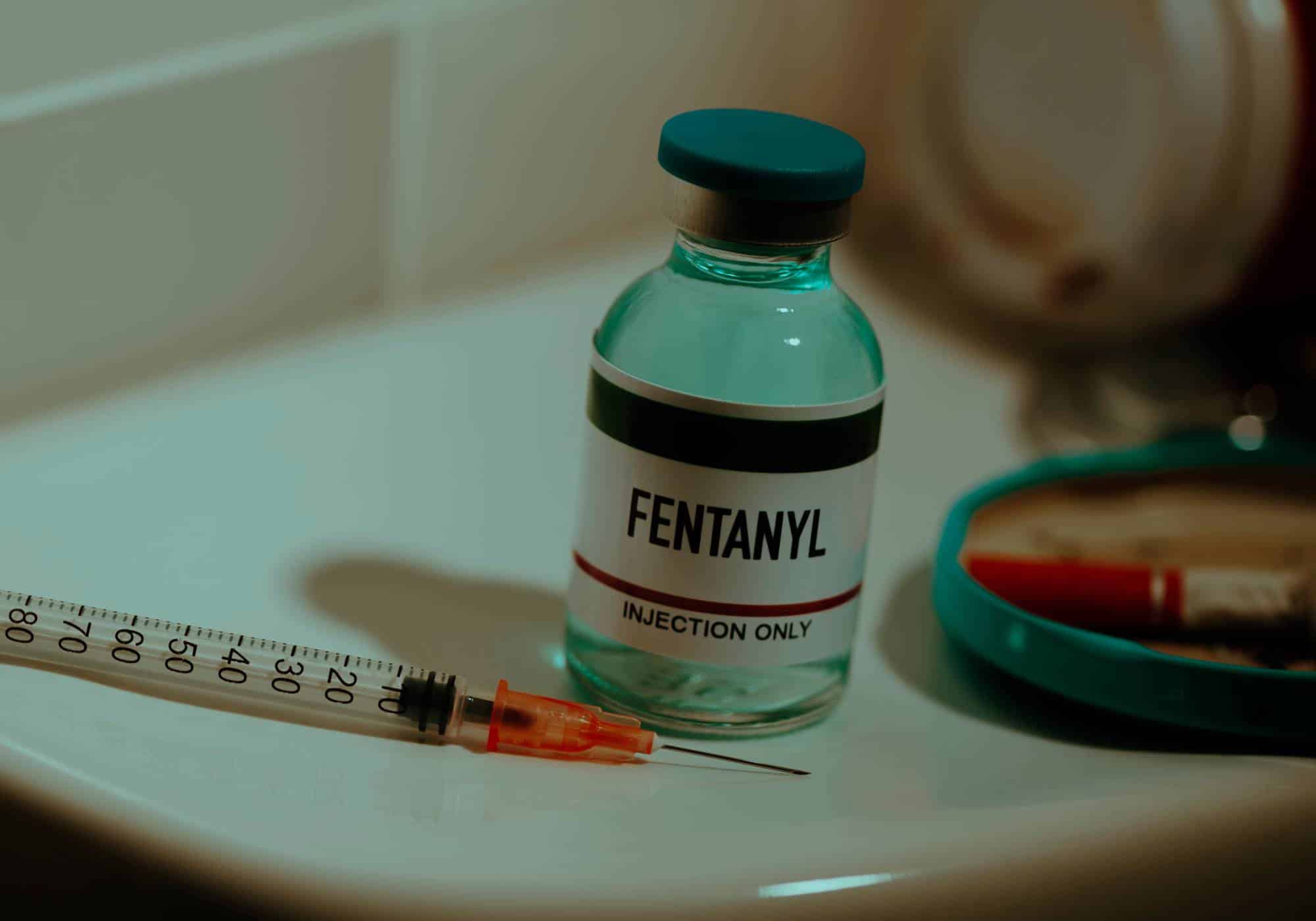
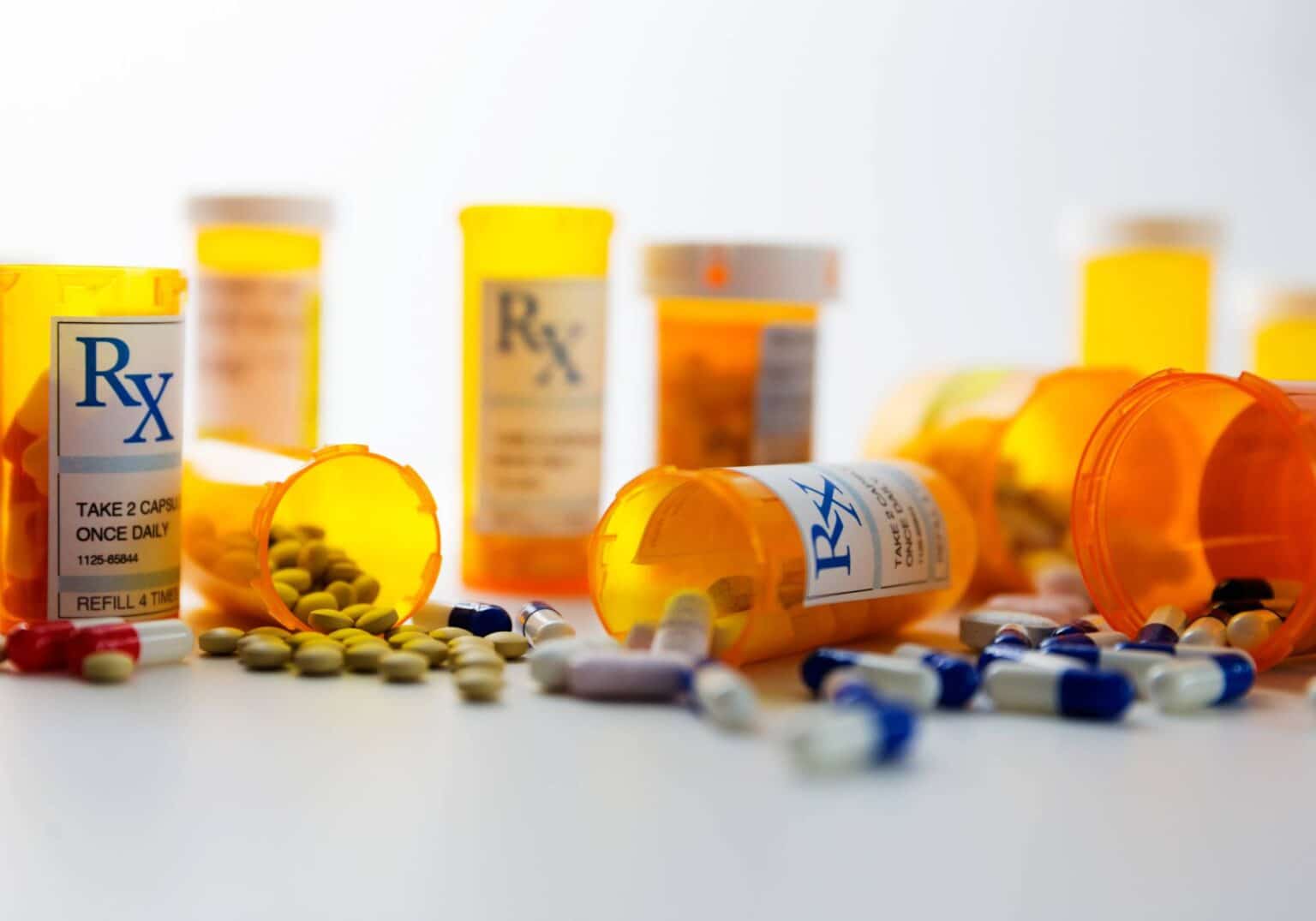

Opioids can be life-changing for short-term, severe pain. They can also be habit-forming and risky—especially when prescriptions stretch longer than intended or doses creep up. Two names come up often in pain conversations: tramadol and hydrocodone. They both reduce pain, both require a prescription, and both can lead to dependence. Yet they’re not the same.
This in-depth guide breaks down tramadol vs hydrocodone in plain language: how each works, where they differ, which one is stronger, side effects to watch for, drug interactions, overdose signs, withdrawal, and safer alternatives. We’ll also cover what to do if pain medicine use has drifted into misuse—and how Hope Harbor Wellness supports recovery through drug rehab in Atlanta.
Tramadol vs Hydrocodone at a Glance
If you only remember one thing, remember this: hydrocodone is generally stronger and more addictive than tramadol, but both can cause dependence, withdrawal, and overdose. Tramadol is fully synthetic and has an extra twist—it also affects serotonin and norepinephrine, which changes its side-effect profile (and its interactions). Hydrocodone is semi-synthetic and often combined with acetaminophen, raising separate liver safety concerns if dosed too high.
Short-term, closely monitored use may be appropriate. Long-term daily use raises red flags for tolerance, dependence, and potential addiction—no matter which medication you’re taking.
What Is Tramadol?
Tramadol is a fully synthetic opioid pain reliever available in immediate-release and extended-release forms (brand names like Ultram and ConZip).
It reduces pain through two main actions:
- Weak μ-opioid receptor activity: dulls pain signals in the brain and spinal cord.
- Serotonin/norepinephrine reuptake inhibition (SNRI-like): modifies the way your nervous system processes pain.
Because of that SNRI component, tramadol can sometimes help with mixed or neuropathic pain, but it also carries unique risks not seen with traditional opioids.
Common side effects include sleepiness, dizziness, nausea, constipation, dry mouth, and headaches. Less common but serious issues include seizures (especially at high doses or with certain other medicines) and serotonin syndrome if combined with SSRIs/SNRIs, MAOIs, linezolid, certain migraine meds, or other serotonergic agents.
Tramadol is a Schedule IV controlled medication in the U.S., which indicates a lower—but real—potential for misuse compared to higher-schedule opioids. People may escalate doses seeking more relief or euphoria, which increases risk for dependence and dangerous interactions.
What Is Hydrocodone?
Hydrocodone is a semi-synthetic opioid, derived from naturally occurring opiates and then modified in a lab. It is widely prescribed for moderate to severe pain and, in some forms, as a cough suppressant. You’ll often see it combined with acetaminophen (e.g., Vicodin, Norco, Lortab) or, less commonly, with ibuprofen.
Hydrocodone’s primary action is strong μ-opioid receptor agonism, which makes it more potent for nociceptive (tissue-injury) pain than tramadol for many people.
Common side effects include sedation, dizziness, constipation, nausea, sweating, and itching. Serious risks include respiratory depression, especially when combined with alcohol, benzodiazepines, or other sedatives. With combination products, exceeding daily acetaminophen limits can injure the liver.
Hydrocodone is a Schedule II controlled medication—indicating a high potential for abuse and addiction even when used as prescribed for extended periods.
Tramadol vs Hydrocodone: Understanding the Differences
1) Chemical class and mechanism
- Tramadol: fully synthetic; weak opioid activity plus SNRI-like effects on serotonin and norepinephrine.
- Hydrocodone: semi-synthetic; stronger opioid activity; no significant SNRI effect.
2) Potency
- Hydrocodone is typically stronger milligram-for-milligram. Many studies and clinical experiences support its greater analgesic punch for acute, moderate to severe pain.
- Tramadol may help mild to moderate pain and some neuropathic pain, but it’s usually not as effective for severe pain flares.
3) Scheduling and addiction risk
- Hydrocodone: Schedule II—high abuse and dependence potential.
- Tramadol: Schedule IV—lower but still meaningful abuse potential.
4) Side-effect profile
- Tramadol adds seizure risk and serotonin syndrome potential to the usual opioid side effects.
- Hydrocodone carries a higher risk of respiratory depression at equivalent pain-relieving doses and, when combined with acetaminophen, liver toxicity if daily limits are exceeded.
5) Drug interactions
- Tramadol interacts with antidepressants (SSRIs/SNRIs/MAOIs), other serotonergic agents, and medications that lower the seizure threshold.
- Hydrocodone has fewer serotonin-related issues but is dangerous with sedatives (benzodiazepines, sleep aids, alcohol) and certain CYP enzyme inhibitors.
Is Tramadol Stronger Than Hydrocodone?
Short answer: No. For most adults, hydrocodone provides stronger pain relief at comparable therapeutic doses. That’s why hydrocodone is often reserved for moderate to severe acute pain (post-surgical, injury, dental procedures), while tramadol may be tried for milder pain or when clinicians want to avoid stronger opioids.
Stronger does not mean safer. Greater potency can mean faster tolerance and a steeper slide toward dependence if use isn’t tightly controlled.
Which Is Safer for Long-Term Pain?
Neither tramadol nor hydrocodone is ideal for long-term daily use in most cases. Over time, both can lead to tolerance (needing more to get the same effect), physical dependence, withdrawal, constipation, hormonal changes, sleep disruption, and altered pain processing (opioid-induced hyperalgesia).
If you’re living with chronic pain, ask about multimodal care before leaning on an opioid long-term: non-opioid medicines, nerve-targeted agents, physical therapy, pacing techniques, injections/blocks when appropriate, and cognitive-behavioral strategies for pain. These approaches often improve function with fewer risks.

Side Effects and Safety Considerations
Tramadol: unique cautions
Because tramadol also acts like an SNRI, watch for agitation, tremor, sweating, shivering, diarrhea, confusion, or fever—possible signs of serotonin syndrome, especially if you also take antidepressants or migraine medications. Tramadol can lower the seizure threshold, so people with a seizure history or on certain medicines need extra caution.
Hydrocodone: potency and combinations
Hydrocodone’s main dangers are sedation and respiratory depression, particularly when combined with alcohol or benzodiazepines. If your prescription includes acetaminophen, keep a close eye on total daily acetaminophen from all sources (including cold medicines) to protect your liver.
Shared opioid risks
Both medicines can cause constipation, nausea, dizziness, slowed breathing, and dependence. They impair judgment and reaction time—avoid driving or operating machinery until you know how you respond.
Drug Interactions and Contraindications
- Sedatives & alcohol: Combining either opioid with alcohol, benzodiazepines, sleep meds, or other sedatives can dangerously slow breathing.
- Antidepressants & tramadol: SSRIs, SNRIs, MAOIs, triptans, linezolid, and some supplements (e.g., St. John’s wort) can increase serotonin—raising the risk of serotonin syndrome with tramadol.
- CYP metabolism: Certain antibiotics, antifungals, or psychiatric meds can raise opioid levels and side effects.
- Seizure threshold: Tramadol plus bupropion, tramadol plus certain antipsychotics, or tramadol at high doses can increase seizure risk.
- Acetaminophen limits: With hydrocodone/acetaminophen products, stay within your doctor’s guidance for maximum daily acetaminophen.
Bring a full medication/supplement list to your prescriber so they can screen for interactions.
Tramadol vs Hydrocodone for Specific Situations
Post-surgical or dental pain
Hydrocodone often provides stronger relief for a short window after surgery or dental work. Many clinicians now pair it with scheduled acetaminophen and/or NSAIDs to lower the opioid dose and shorten use.
Neuropathic or mixed pain
Tramadol’s SNRI-like activity can help some neuropathic pain profiles, though other non-opioid agents (e.g., certain SNRIs or gabapentinoids) are typically first-line.
Persistent cough
Hydrocodone has antitussive properties in some formulations, but risks usually outweigh benefits for routine coughs. Most coughs improve with non-opioid strategies.
When opioids aren’t a fit
If you’ve had adverse reactions, a substance use history, or complex medication lists, non-opioid pain plans are safer starting points.
Tolerance, Dependence, and Addiction—What to Know
- Tolerance: Over time, the same dose stops working as well. You may feel tempted to take more.
- Physical dependence: Your body adapts; you’ll have withdrawal if you suddenly stop.
- Addiction (opioid use disorder): Compulsive use continues despite harm—trouble at work or home, escalating doses, doctor shopping, or strong cravings.
Dependence can happen even when you take opioids exactly as prescribed for longer than a few weeks. Addiction risk is higher with longer duration, higher potency, and a personal/family history of substance use or certain mental health conditions.
If any of this sounds familiar, you’re not weak or broken—you’re experiencing the predictable biology of potent pain medicine.
Opioid Addiction: Risks With Tramadol vs. Hydrocodone
Opioid addiction can start with a short-term prescription and gradually grow into a pattern of tolerance, dependence, and cravings that are hard to control. Both tramadol and hydrocodone carry this risk. Hydrocodone is the more potent, tightly controlled Schedule II opioid, which generally means a higher abuse liability and more intense withdrawal. Tramadol, while Schedule IV, still acts on opioid receptors and also affects serotonin and norepinephrine; that dual action adds unique risks like seizures at high doses and dangerous interactions with certain antidepressants or migraine medicines.
Addiction often develops in stages. Over time, the same dose helps less (tolerance), you feel unwell without the drug (dependence), and stopping triggers withdrawal—muscle aches, chills, anxiety, nausea, diarrhea, and insomnia. Warning signs include taking larger or more frequent doses than prescribed, “topping up” for stress or sleep, running out early, thinking about refills constantly, hiding use, or seeing work, school, and relationships slip.
Overdose is a life-threatening emergency with any opioid. Breathing can slow or stop, especially when opioids are mixed with alcohol, benzodiazepines, sleep aids, or other sedatives. Pinpoint pupils, blue lips, gurgling or no breathing, and unresponsiveness require immediate 911 assistance and naloxone if available.
If you and your prescriber decide an opioid is necessary, use the lowest effective dose for the shortest time, avoid mixing with sedatives, store medication securely, and never crush or chew extended-release tablets. Don’t stop suddenly; a clinician-guided taper reduces withdrawal and relapse risk. If pain persists, ask about non-opioid options and multimodal pain care—NSAIDs or acetaminophen when appropriate, physical therapy, nerve blocks, sleep support, and cognitive or mindfulness-based pain strategies.
Opioid addiction is treatable. Evidence-based care often combines medications like buprenorphine or methadone (or naltrexone after detox) with therapy (CBT/DBT), support for co-occurring conditions, family involvement, and a solid aftercare plan. Whether the starting point was tramadol or hydrocodone, early help can prevent escalation, lower overdose risk, and support long-term recovery.
Withdrawal and Detox: What to Expect
Stopping tramadol or hydrocodone suddenly after extended use can cause withdrawal. Symptoms may include body aches, restlessness, insomnia, runny nose, yawning, GI upset, anxiety, and irritability. With tramadol, there can be extra SNRI-like symptoms—mood swings, unusual sensations, or “electric zaps.”
Medical guidance helps you taper safely, manage symptoms, and decide whether you need detox. For some, medications for opioid use disorder (like buprenorphine or methadone) are appropriate, along with counseling and recovery supports.

Overdose Risks: Signs and What to Do
Opioid overdose can be fatal. Risk rises with higher doses, mixing with sedatives or alcohol, or returning to prior doses after a break (tolerance drops quickly).
Call 911 immediately if someone has:
- Slow or stopped breathing
- Blue, gray, or ashen lips/skin
- Pinpoint pupils
- Won’t wake or respond
- Gurgling/choking sounds
If naloxone (Narcan) is available, use it and start rescue breathing if trained. Stay until help arrives. Tramadol overdoses can also trigger seizures—another reason rapid medical care is essential.
Alternatives to Tramadol and Hydrocodone
Pain is complex. Many people get better relief with fewer risks by combining approaches:
- Non-opioid medicines: acetaminophen, NSAIDs as appropriate; topical diclofenac or lidocaine; certain antidepressants (for nerve pain); gabapentinoids when indicated.
- Procedures: injections, nerve blocks, or minimally invasive options when appropriate.
- Rehab & movement: physical therapy, graded activity, stretching, core work, pacing strategies.
- Mind-body: cognitive behavioral therapy for pain, relaxation, breathwork, mindfulness, biofeedback.
- Lifestyle: sleep optimization, anti-inflammatory nutrition, stress management, heat/ice protocols.
Ask your provider about building a multimodal plan around your life and goals.
Responsible Pain Management: Questions to Ask Your Doctor
- What non-opioid options can we try first or alongside an opioid?
- If we use tramadol or hydrocodone, what’s the shortest duration and lowest effective dose?
- How will we prevent constipation, impaired sleep, and other common effects?
- Which symptoms should trigger a dose review or a taper?
- What drug interactions apply to my current meds or supplements?
- What’s my exit plan—how do I stop safely when the acute pain phase ends?
Good care includes clear guardrails, frequent check-ins, and a shared plan.
Tramadol vs Hydrocodone and Mental Health
Pain and mood travel together. Anxiety, depression, trauma, and sleep problems can intensify pain and complicate medicine use. Some people start taking more pills to chase relief or to cope with stress. If you notice your dosing or use patterns are tied to mood or stress, it’s a sign to add mental health support—not a personal failure.
At Hope Harbor Wellness in Atlanta, GA, we treat substance use and mental health together, known as dual diagnosis treatment, because both affect recovery.
Recovery at Hope Harbor Wellness
If tramadol, hydrocodone, or other opioids have taken a larger role than you intended, help is here.
Our team provides compassionate, evidence-based care designed around your life, including:
- Medical coordination for detox when needed
- Outpatient and intensive outpatient programs that fit work or school
- Medication-assisted treatment when appropriate
- Therapies that work: CBT/DBT skills, relapse prevention, trauma-informed care
- Family support and education to rebuild trust and communication
- Aftercare planning for long-term stability
You don’t have to do this alone—and you don’t have to hit “rock bottom” to get support.
Ready to Reclaim Your Life?
If pain meds have started creating more problems than they solve—or if you’re worried about a loved one—Hope Harbor Wellness is here to help. Our addiction treatment in Atlanta blends medical coordination, proven therapies, and genuine support so you can stabilize, heal, and move forward with confidence.
Contact Hope Harbor Wellness today at 770-573-9546 or fill out our online contact form. Let us help you embark on your path to lasting recovery
Tramadol vs Hydrocodone FAQs
Is tramadol the same as hydrocodone?
No. Both are opioids, but tramadol is fully synthetic and also acts on serotonin and norepinephrine. Hydrocodone is semi-synthetic and generally stronger for acute pain.
Which works better for pain—tramadol or hydrocodone?
For moderate to severe acute pain, hydrocodone is usually more effective. For milder pain or certain mixed pain states, tramadol might be tried, often alongside non-opioid meds.
Is tramadol safer than hydrocodone?
“Safer” depends on the person and the plan. Tramadol has lower opioid potency but adds seizure and serotonin-syndrome risks. Hydrocodone has higher addiction and respiratory-depression risks and, when combined with acetaminophen, liver concerns if dosed too high.
Can I drink alcohol with tramadol or hydrocodone?
No. Alcohol increases sedation and breathing risks with both. Combining any sedatives raises overdose danger.
How long can I take tramadol or hydrocodone?
Use is typically short-term. If you’re still taking opioids daily after the acute pain phase, talk with your prescriber about tapering and alternatives.
What does withdrawal feel like?
Flu-like symptoms (aches, runny nose, yawning), restlessness, insomnia, GI upset, and anxiety are common. Tramadol may add mood shifts or unusual sensory symptoms. Medical support can make tapering safer and easier.