
At Hope Harbor Wellness, we believe knowledge saves lives. The more you understand a substance, the safer your choices become—and the sooner recovery can begin. Some drugs, like methoxetamine (often shortened to MXE), are less familiar to the public but still carry serious risks. People search what is methoxetamine, what is MXE, or even methoxetamin and mxe drugs when they’re trying to make sense of symptoms, strange experiences, or a loved one’s behavior. This guide explains the MXE drug in plain language, including its dangers, signs of misuse, and why professional help matters.
Hope Harbor Wellness provides outpatient addiction treatment in Atlanta, GA, with addiction treatment and drug detox program. If you or someone you love needs help after methoxetamine use, contact us today at 770-573-9546 or fill out our online contact form we’re here with compassionate, confidential care.
What Is MXE?
Methoxetamine is a laboratory‑made dissociative. It belongs to the same general class as ketamine and PCP—substances that can produce detachment from reality, altered body perception, and vivid hallucinations. On the street, it’s known by many names: MXE, Mexxy, or “special M.” You’ll also see people search methoxetamine mxe or what is mxe when they first encounter it online.
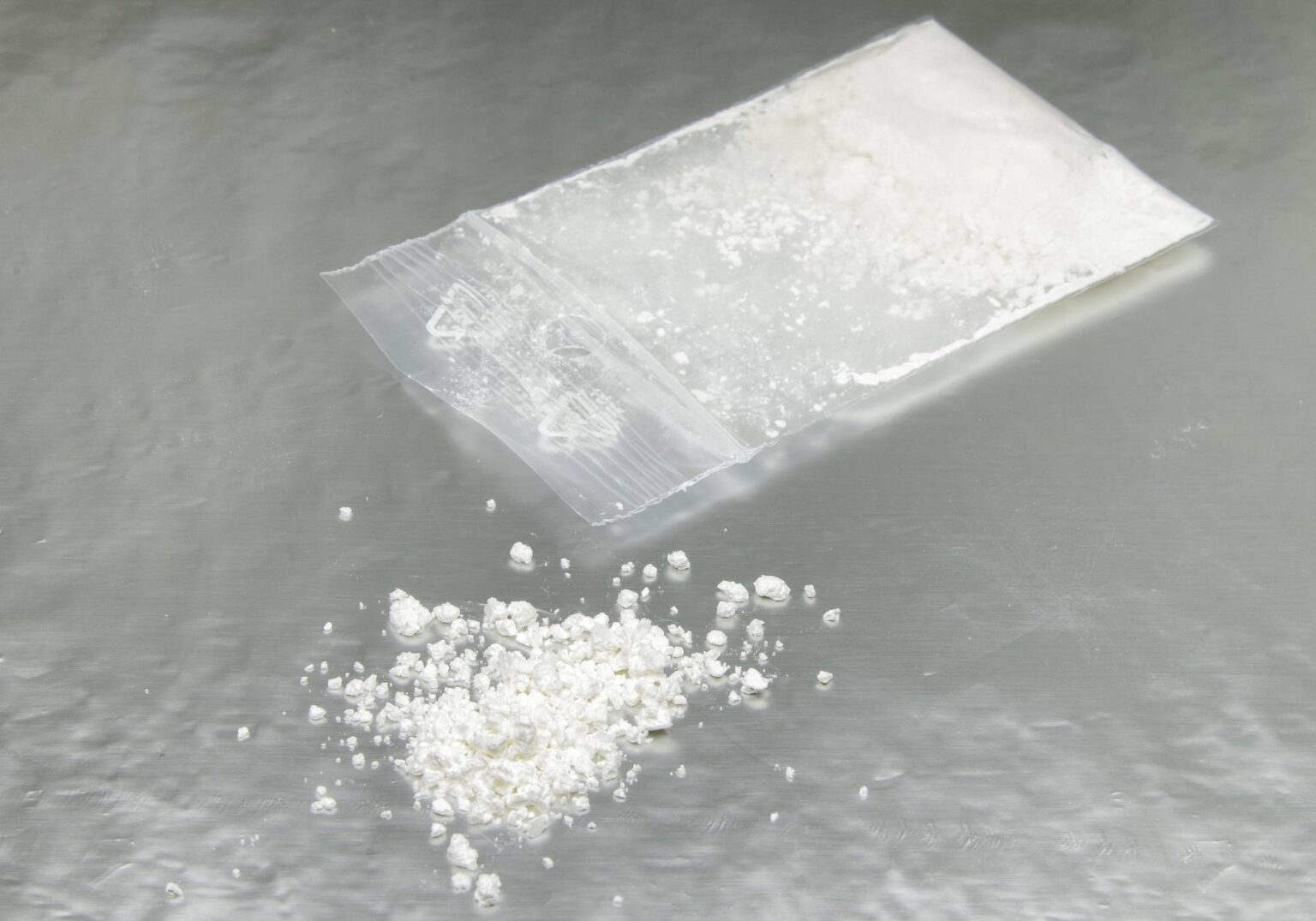
MXE was created in the 2000s and marketed on some websites as a “research chemical.” That label does not mean safe. It means the drug bypassed standard human safety testing and quality controls. MXE may be sold as a white crystalline powder, capsules, or liquids. People take it by swallowing, snorting, or sometimes injecting—each method changing how fast and how strongly it acts.
What does MXE do? Methoxetamine blocks the NMDA receptor, a key part of how your brain processes signals. When this pathway is disrupted, sensations, thoughts, and time can feel strange or unreal. Some people describe floating, out‑of‑body experiences, or sudden shifts in mood and imagery. Depending on dose and personal chemistry, effects can feel pleasant, frightening, or both.
Mixing is common. MXE drugs on the street may contain other substances—stimulants, benzodiazepines, or opioids like fentanyl. That raises the risk of overdose and unpredictable reactions. Because methoxetamine is illicit, potency varies widely. A “usual” amount one week can be far too strong the next.
A note on spelling: methoxetamine is the standard spelling. You may also see methoxetamin, methoxetamine mxe, or mxe drug across forums. All reference the same substance.
What Are the Dangers of Abusing Methoxetamine?
Any dissociative anesthetic affects judgment, balance, and perception.
With MXE, the hazards stack up quickly:
Acute Physical Risks
- Rapid heartbeat, spikes in blood pressure, and chest discomfort
- Nausea, vomiting, dehydration, and dizziness
- Poor coordination leading to falls, burns, or car crashes
- Breathing problems if mixed with other depressants (alcohol, opioids, benzodiazepines)
Mental Health Effects
- Anxiety, agitation, panic, and paranoia
- Disorientation and memory gaps
- Hallucinations that feel real and can trigger unsafe behavior
- In some cases, psychosis that persists beyond intoxication
Organ Stress
People often compare MXE to ketamine. Long‑term, heavy ketamine use is linked to bladder inflammation and urinary pain. MXE may carry similar risks. Users report pelvic pain, urgency, or blood in urine after frequent use. Kidney strain is also possible. MXE may do more harm when combined with dehydration or other drugs.
Dependence and Escalation
MXE may feel “manageable” at first. Then tolerance creeps in. The same dose does less. People “dose‑stack” to chase earlier effects, increasing the chance of accidents and lasting harm. Over time, the drug becomes a primary coping tool—especially during stress, depression, or insomnia.
Hidden Mixtures
Powders are easy to cut with cheaper chemicals or potent synthetics. Some “mxe drugs” contain little or no methoxetamine. Fentanyl contamination is a life‑threatening concern. You cannot judge purity by appearance, taste, or brand name.
Legal and Supply Risks
Illicit chemical markets change constantly. When one compound is restricted, others take its place. This churn drives up uncertainty and risk. Searching mxe synthesis online won’t make the substance safer; it increases exposure to misinformation, legal danger, and toxic byproducts. We strongly discourage any attempt to synthesize illicit chemicals.
Bottom line: methoxetamine can create dramatic dissociation and unpredictable behavior. Accidents, trauma, and medical emergencies are common with misuse—especially when MXE is mixed with alcohol or sedatives.
Is MXE Addictive?
Yes. Methoxetamine can create psychological dependence and compulsive patterns. MXE may start as an occasional escape. Over time, it becomes the main way to shift mood or stop uncomfortable feelings. People plan their days around dosing, hide use, and feel worse without it.
Here’s how it happens:
- Reinforcement loop: MXE can briefly mute anxiety, stress, or low mood. That short relief teaches the brain to reach for the drug again. Over time, use shifts from “for fun” to “to cope.”
- Tolerance and dose‑stacking: Repeated use blunts effects. MXE users often take more or dose more often. That raises the odds of blackouts, dangerous behavior, and long‑term harm.
- Withdrawal and rebound: Stopping after heavy use can trigger rebound symptoms: anxiety, insomnia, irritability, depressed mood, and cravings. Some people also report “hangover dissociation,” brain fog, and sensory distortions for days after use. These symptoms make relapse more likely without support.
- Compulsive patterns: When MXE becomes the default way to escape or sleep, daily life shrinks. People skip work, isolate from family, or abandon hobbies. Attempts to cut down fail. These are hallmarks of a substance use disorder.
The good news: with structured help, people recover. Outpatient drug rehab in Atlanta at Hope Harbor Wellness offers evidence‑based therapy, medical support, and drug and alcohol detox options to help you stop safely and build new coping skills.

What Are the Signs of Methoxetamine Abuse?
Spotting problems early helps you act before harm deepens.
Signs of methoxetamine misuse include:
Behavioral Signs
- Secrecy around packages, powders, or online orders
- Repeated late nights, “lost time,” or sleeping all day after using
- Skipping work or school, missing deadlines, or slipping grades
- Risky choices: driving impaired, wandering alone, or mixing drugs
Physical Signs
- Dilated pupils, poor coordination, and slurred speech
- Unsteady gait, stumbling, or minor injuries with unclear stories
- Unexplained weight loss, dehydration, or nosebleeds (with snorting)
- Urinary pain or urgency, especially with frequent use
Mental and Emotional Signs
- Anxiety spikes, panic, or irritability between uses
- Confusion, memory gaps, or difficulty following conversations
- Paranoia, feeling watched, or hearing/seeing things that aren’t there
- Mood swings that strain relationships
Environmental Clues
- Foil with burn marks, small baggies, gel caps, or unfamiliar lab‑style equipment
- Multiple “research chemical” labels or ambiguous product names
If several of these are showing up, it’s time to talk. MXE may feel like a quick fix, but it often leaves life smaller, not easier.
Why Is Substance Abuse Treatment Essential?
Stopping on your own can be tough. MXE may hide behind other problems—stress, insomnia, trauma, or depression. Treatment brings everything into one plan so change can last.
Treatment matters because it:
- Keeps you safer while you stop. Medical professionals can monitor withdrawal symptoms, watch for complications, and coordinate drug and alcohol detox support when appropriate.
- Addresses the root causes. Therapy helps you understand why MXE became important—and what actually helps long term.
- Teaches new coping skills. You’ll learn practical tools for sleep, stress, triggers, and cravings.
- Involves your support system. Family or chosen supports can learn how to help without enabling.
- Protects mental health. Anxiety, trauma, and mood symptoms often improve when treated alongside substance use.
- Builds a plan you can follow. Step‑by‑step routines, relapse‑prevention strategies, and ongoing support keep progress steady.
At Hope Harbor Wellness in Atlanta, GA, care is personalized. We provide outpatient drug rehab in Atlanta that fits your life and responsibilities, with access to drug and alcohol detox services when needed to begin safely.
Start Substance Abuse Treatment at Hope Harbor Wellness in Atlanta, GA
Understanding what is MXE is a start. Choosing help is the next step. Hope Harbor Wellness offers confidential assessments, outpatient programming, and coordinated drug and alcohol detox options to stabilize the body and clear the mind. From there, therapy, skills training, and peer support help you rebuild a life that works.
You don’t have to figure this out alone. If methoxetamine is causing problems—sleep loss, anxiety, relationship strain, legal risk—reach out. We’ll listen without judgment and help you take the next right step.
Sometimes, the biggest barrier to change is not having clear information. People discover MXE through forums or friends, then feel stuck when side effects start. If that’s you, this section answers more of the questions we hear most.
At Hope Harbor Wellness in Atlanta, GA, we provide outpatient drug rehab in Atlanta with addiction treatment and access to drug and alcohol detox services to support safe stabilization. When methoxetamine use has taken over sleep, mood, or relationships, structured care makes the path forward easier to walk.
You are more than a substance. If MXE has taken over your sleep, mood, or relationships, Hope Harbor Wellness can help you stop safely and build a life that works. Contact us today at 770-573-9546 or fill out our online contact form to start your recovery.
MXE Frequently Asked Questions
What is methoxetamine (MXE)?
Methoxetamine is a synthetic dissociative drug related to ketamine and PCP. It alters perception, mood, and body awareness. MXE has no approved medical use in the U.S. and is sold illicitly as powders, capsules, or liquids.
Is the MXE drug addictive?
Yes. MXE may lead to psychological dependence, tolerance, and compulsive use. People often chase earlier effects, use more often, or rely on MXE to sleep or cope with stress, which reinforces addiction.
What are common signs of MXE abuse?
Dilated pupils, poor coordination, memory gaps, anxiety or paranoia, insomnia, social withdrawal, missed responsibilities, and urinary pain or urgency can signal a problem.
Can MXE be mixed with other substances?
Mixing increases risk. Alcohol, benzodiazepines, or opioids with MXE can slow breathing to dangerous levels. Street supplies may contain fentanyl or other synthetics even when sold as “mxe drugs.”
What should I do after a bad MXE reaction?
Seek medical help immediately for breathing trouble, chest pain, severe confusion, or unresponsiveness. If you’re with someone overdosing, call emergency services, give naloxone if available, and stay with them.
Why do people search mxe synthesis?
Curiosity and online forums drive those searches, but attempting synthesis is illegal and dangerous. It exposes you to toxic chemicals, explosions, and criminal charges. We do not provide instructions and strongly discourage pursuit.
Can you smoke MXE?
Yes, some people misuse MXE by smoking it, but this method is extremely dangerous. Smoking a substance like MXE can lead to a rapid and intense onset of effects, which makes it very easy to accidentally overdose. The unpredictable potency of this drug, combined with the quick absorption into the bloodstream, can cause a sudden and severe reaction that can be life-threatening.