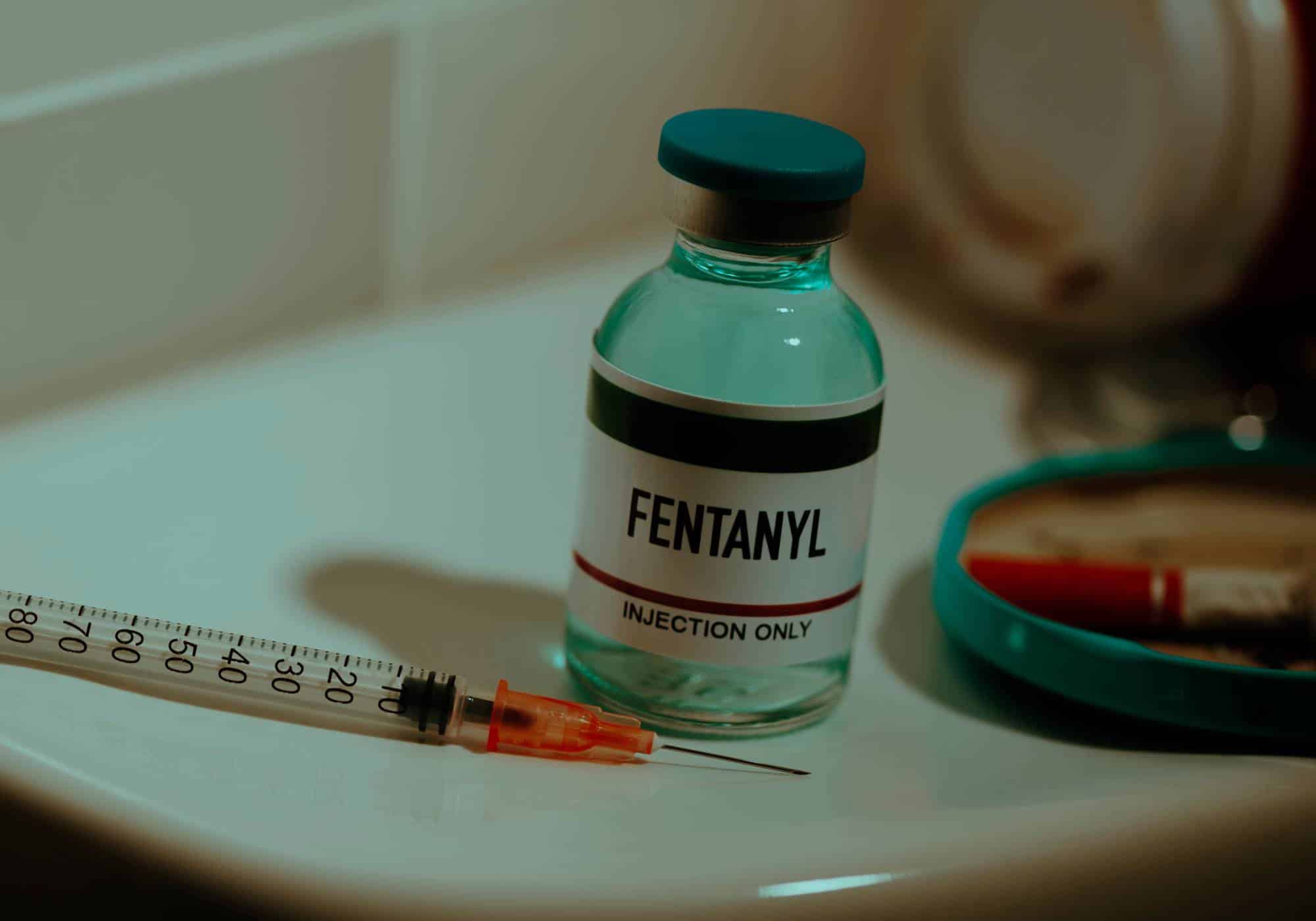


If you have ever heard the term “dope sick” spoken by someone struggling with opioid dependence, you likely sensed the pain and distress behind those words. It’s an informal term used to describe the deeply uncomfortable and often agonizing physical and psychological state a person enters when they abruptly stop using opioids or when the effects of their last dose wear off. Essentially, experiencing dope sickness means the individual is in opioid withdrawal.
This state is more than just feeling unwell; it is the body’s entire system protesting the sudden absence of the drug it has come to rely on. The profound discomfort and intense emotional turmoil experienced during this time can trigger an overwhelming, primal urge to use the drug again simply to find relief and stop the pain. This is the mechanism that keeps people trapped in the cycle of addiction. If you or someone you love is experiencing dope sickness, attempting to manage it alone can feel impossible and extremely risky. Professional, intensive support is often necessary to safely and successfully navigate this painful process.
Quitting opioids on your own can be an uphill battle, often compounded by fear and shame. Withdrawal symptoms can be severe, overwhelming the willpower of even the most determined individual. However, with the evidence-based help offered by Hope Harbor Wellness in Atlanta, GA, you can endure this process more safely and with greater comfort, contact us today at 770-573-9546 or fill out our online contact form. We offer a comprehensive suite of recovery programs, ranging from highly intensive inpatient rehab to the flexible support of outpatient programs.
What Is “Dope Sick”?
The phrase dope sick is the common, street-level term used to articulate the excruciating withdrawal symptoms that happen when a person dependent on opioids stops using the substance abruptly or simply cannot access their next dose. The experience of dope sickness is highly individualized, but it universally represents a period of extreme physical and mental suffering.
These symptoms often feel like an amplified, relentless case of the flu that simply will not break. The body is in a state of crisis, reacting violently to the sudden drop in opioid saturation.
Common symptoms people experience while going through this ordeal include:
- Gastrointestinal Distress: This is one of the most immediate and debilitating symptoms. Extreme, uncontrollable vomiting and explosive diarrhea can strike, leading to rapid dehydration and severe electrolyte imbalance.
- Musculoskeletal Pain: People often report deep, aching muscle pain and joint pain, sometimes described as feeling like their bones are breaking or cramping relentlessly. Restlessness, often referred to as “kicking,” can make it impossible to sit still.
- Flu-Like Symptoms: This includes frequent yawning, watery eyes, and continuous nasal discharge, mimicking a severe head cold.
- Temperature Dysregulation: The body struggles to control its internal temperature, leading to alternating chills and intense sweating. The inability to get comfortable often leads to extreme frustration and agitation.
- Psychological Anguish: Beyond the physical pain, the mental and emotional toll is immense. Symptoms include extreme irritability, intense anxiety, profound sadness, and a crushing sense of agitation. The person’s emotional responses are dysregulated, making even simple interactions difficult.
For some individuals, the intensity of dope sickness is so overwhelming that the immediate desire to relieve the pain overrides all other considerations, driving them to relapse quickly. Because of the sheer intensity and the potential health complications from dehydration and relapse, relying on professional help from a dedicated addiction treatment program is often the safest and most effective course of action.
What Causes Dope Sickness?
Understanding what is dope sickness requires a look at the intricate science of brain chemistry and dependency. When your body has become dependent on an opioid drug, suddenly discontinuing your use causes the extreme discomfort known as dope sickness. This reaction is fundamentally linked to the body’s natural levels of dopamine and the function of opioid receptors.
The Role of Mu-Opioid Receptors
Opioid drugs, whether they are prescription painkillers or illicit substances like heroin, work by binding to specific spots on nerve cells in the brain, spinal cord, and other organs—these are called mu-opioid receptors. These receptors are naturally designed to bind to endorphins, the body’s own natural pain relievers and feel-good hormones.
When opioids are introduced, they mimic these natural endorphins but with exponentially greater power. When the drug binds to these receptors, it triggers an unnaturally massive release of dopamine, one of the brain’s “feel-good” hormones that governs the reward pathway. This causes the powerful, immediate rush of happiness, euphoria, and pain relief that the user seeks.
Neuroadaptation and Dependence
With continued, repeated use, the brain begins a process called neuroadaptation. It essentially recognizes that the opioid drug is doing the work of releasing dopamine and suppressing pain. To maintain balance, the brain starts to “turn down” its internal production of its own endorphins and even reduces the number of mu-opioid receptors available. Think of it like a sound mixer: the brain turns down the volume of its own natural system because the drug is shouting so loudly.
The brain now relies completely on the external supply of the opioid to feel normal and to regulate positive sensations. When someone abruptly stops using opioid drugs, the receptors are suddenly left empty. The body’s natural system has been drastically suppressed and cannot immediately “turn up the volume” on its own. This resulting crash—the extreme decrease in natural endorphins and dopamine—causes the cascade of painful physical and emotional withdrawal symptoms known as dope sickness. The intense, agonizing pain and psychological distress are the direct result of the brain trying desperately to rebalance itself without the presence of the drug.

How to Treat Dope Sickness
The process of safely and effectively treating dope sickness can be managed in two primary ways: at home or with the help of a professional addiction treatment facility. For those with a significant dependency, professional intervention is not just the best choice—it’s the safest.
The Risks of Self-Tapering or “Cold Turkey”
Some individuals with mild dependencies might attempt to quit “cold turkey” at home, managing their physical discomfort with over-the-counter medications like Imodium or Tylenol. Those with mild-to-moderate addictions might try tapering their opioid dosage, slowly decreasing the dose over a period of time to minimize the severity of withdrawal.
However, attempting to taper without medical guidance is extremely difficult and risky. The intense cravings and discomfort often lead to relapse, and a person who relapses after a period of abstinence is at an extremely high risk for overdose. This is because their body’s tolerance level has dropped during the period of non-use, but they often take the dose they used to take, leading to immediate, fatal respiratory depression.
The Safest and Most Effective Option: Professional Care
The safest and most successful option for treating dope sickness is to receive professional care at a specialized addiction treatment center. Facilities like Hope Harbor Wellness provide access to supportive medical staff and essential medications that can transform the withdrawal experience. This comprehensive form of treatment is known as Medication-Assisted Treatment (MAT).
MAT is widely considered the most effective and humane treatment option for opioid use disorder. It involves the use of specially selected medications that minimize discomfort, alleviate cravings, and help stabilize the body as a person begins therapy.
- Buprenorphine and Methadone: These medications are partial or full opioid agonists, meaning they bind to the same opioid receptors but do not produce the intense high. They trick the brain into thinking it is still receiving the opioid, preventing the agonizing withdrawal symptoms and stopping the cycle of dope sickness. This stabilization allows the individual to focus on therapy and recovery without the constant distraction of physical pain.
- Naltrexone: This medication is an opioid antagonist, meaning it blocks the opioid receptors. If a person were to use an opioid while taking Naltrexone, they would not feel any effect, removing the incentive for misuse. This is typically used after the detox phase is complete.
Through MAT, the most intense withdrawal symptoms are alleviated, allowing the individual to transition into the therapeutic phase of drug rehab in Atlanta. This dual approach—addressing the physical symptoms with medication and the psychological roots with therapy—offers the most thorough path to long-term sobriety.
A Comprehensive Path to Healing from Opioid Addiction in Atlanta, GA
Overcoming opioid addiction requires more than just getting past the initial dope sick stage; it requires addressing the underlying emotional and psychological contributors to the disorder. At Hope Harbor Wellness in Atlanta, GA, we recognize that recovery is a deeply personal and complex journey. We offer comprehensive, evidence-based programs designed to treat the whole person, not just the addiction.
Medical Detoxification
Medically supervised detoxification is the essential first phase of recovery. Because withdrawal symptoms can be severe and complex, individuals undergo detox under the direct supervision of medical professionals. The first phase of meth detox is the most physically intense and typically lasts about 24 to 72 hours, with physical symptoms lessening over the next week. Our medical staff manages medications to ensure the person is safe, stable, and as comfortable as possible during this crucial time.
Evidence-Based Therapeutic Care
Once an individual completes detox and is physically stabilized, they engage in evidence-based addiction treatment to build the foundation for long-term sobriety.
Our core therapeutic offerings include:
- Cognitive Behavioral Therapy (CBT): This form of therapy is paramount, as it helps the person find new, healthy ways to handle life’s stresses and triggers instead of relying on drugs. CBT teaches the individual how to identify negative thought patterns and shift their perspective from previous unhealthy responses to new, more positive actions.
- Dual Diagnosis Treatment: Many individuals struggling with opioid addiction also have co-occurring mental health disorders, such as anxiety, depression, or PTSD. Our dual diagnosis program ensures that both the substance use disorder and the underlying mental health condition are treated simultaneously, which is critical for preventing relapse.
- Group and Individual Counseling: Through personalized one-on-one sessions and supportive group environments, individuals can process trauma, build crucial coping skills, and practice connecting with others in a healthy, sober way.
Hope Harbor Wellness is committed to providing a person-centered approach to addiction treatment. Located in the heart of Atlanta, GA, our therapeutic programs are led by experienced master’s level counselors and medical professionals who specialize in creating personalized treatment plans for both drug and alcohol use disorders.
The pain of dope sickness is a physical manifestation of the need for healing and change. If you or someone you love is struggling with opioid dependence, know that a compassionate and safe path to recovery is waiting for you. Contact Hope Harbor Wellness in Atlanta, GA, today at 770-573-9546 or fill out our online contact form to take the first step toward getting relief and finding lasting freedom from addiction.
Dope Sick Frequently Asked Questions
What is dope sickness?
“Dope sickness” is the colloquial term used to describe the acute and painful symptoms of opioid withdrawal that occur when a person who is dependent on the substance stops using it.
What are the primary symptoms of dope sickness?
The primary symptoms include extreme gastrointestinal distress (vomiting and diarrhea), severe muscle and bone aches, fever and chills, intense anxiety, irritability, and uncontrollable restlessness.
Is dope sickness dangerous?
While the withdrawal itself is typically not fatal, the severe vomiting and diarrhea can lead to life-threatening dehydration and electrolyte imbalances. More importantly, the intense suffering often leads to rapid relapse, which carries an extremely high risk of fatal overdose.
What is the fastest way to get over dope sickness?
The safest and fastest way to get past the painful symptoms is through a medically supervised detox program that utilizes Medication-Assisted Treatment (MAT). Medications help stabilize the body, dramatically reducing the severity of the withdrawal process.
How does the body become dope sick?
The body becomes dope sick because repeated opioid use causes the brain to stop producing its own natural pain-relieving chemicals and reduces the number of active opioid receptors. When the drug is suddenly gone, the brain cannot immediately function normally, resulting in agonizing physical and mental withdrawal.
Can I manage dope sickness at home?
Attempting to manage significant opioid withdrawal at home is highly discouraged. Due to the high risk of medical complications from dehydration and the high likelihood of relapse, professional medical detox is always the safest and most recommended approach.
Where can I find help for dope sickness in Atlanta, GA?
You can find comprehensive help at Hope Harbor Wellness in Atlanta, GA. We offer medically supervised detox and a full spectrum of addiction treatment programs, including Medication-Assisted Treatment, to address both the physical and psychological aspects of opioid dependency.